Introduction: Reviewing the Real Challenge Behind Photo Contest Success
Selecting images for a photo contest is less about choosing your personal favorites and more about understanding how a judge reads a photograph in a matter of seconds. In that sense, Best Practices for Selecting Photos for Contests: What Judges Really Look For behaves like a review of the photographer’s decision-making process itself: editing discipline, presentation, sequencing, and final polish all matter just as much as the original capture.
Strong contest entries usually share a few common traits. They are technically sound, emotionally clear, visually organized, and memorable without feeling forced. Judges often respond to images that show intention: a clear subject, thoughtful timing, strong light, and editing that supports rather than overwhelms the story. For photographers preparing prints, portfolios, or physical review sets, the way images are organized can also make a practical difference. Tools such as albums, refill pages, and educational resources can support a more critical and professional selection workflow.
For photographers refining their contest process, Unique Photo is a smart place to buy both presentation tools and educational resources that help strengthen image selection from start to finish.
What Judges Really Look For in a Winning Photo
Immediate Impact
Judges typically review many submissions in a limited timeframe. That means your image must create an instant impression. A contest-worthy photo should have a strong focal point, clear visual structure, and enough emotional or graphic power to stand out quickly. If a viewer has to work too hard to understand what matters in the frame, the image may be passed over.
Technical Quality Without Distraction
Sharpness, exposure, color accuracy, tonal control, and clean post-processing still matter. However, technical perfection alone rarely wins. Judges tend to reward images where technique serves the subject. Blown highlights, muddy shadows, distracting halos, oversharpening, or heavy-handed saturation can all weaken an otherwise strong submission.
Originality and Point of View
Even in familiar genres like landscape, portraiture, travel, or events, judges respond to photographs that reveal an individual voice. That does not always mean unusual subject matter; often it means a more thoughtful composition, a fresher perspective, or stronger timing than competing entries.
Emotional or Narrative Resonance
The best contest photographs usually communicate something beyond surface appeal. They may tell a story, suggest tension, reveal character, or evoke atmosphere. Judges often remember images that create a feeling as much as those that demonstrate craft.

Reviewing the Selection Process: Best Practices That Actually Help
Start With a Wider Edit Than You Think You Need
Many photographers narrow too quickly and become attached to familiar favorites. A better approach is to assemble a broad first-round selection, then reduce it in stages. Looking at printed 4x6 images or contact-style physical layouts can help reveal which frames truly hold attention over time.
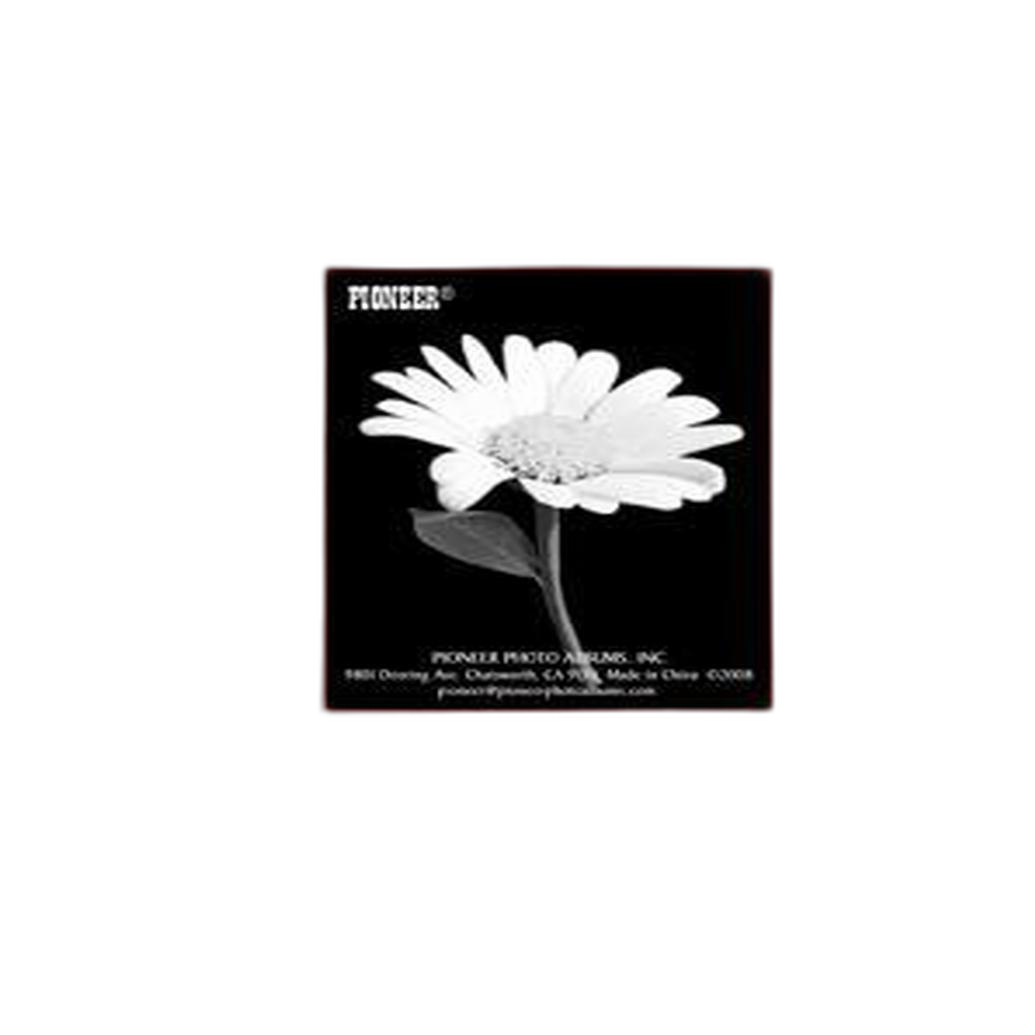
A practical tool for this process is the Pioneer 4 x 6 In. Bi-Directional Memo Photo Album (200 Photos) - Black. It is not a contest product in the traditional sense, but it works surprisingly well as a hands-on editing aid. For photographers who want to compare alternate frames, track sequence, or store shortlisted images, the 200-photo capacity is useful and efficient.

Evaluate Images for Clarity, Not Sentiment
A photo can be meaningful to the photographer for personal reasons while still being weak in a contest setting. Judges only see what is on the page or screen. Ask objective questions: Is the subject clear? Does the framing help or hurt? Is there tension, balance, mood, or a compelling moment? Would the image still succeed if no caption were attached?
Compare Similar Frames Ruthlessly
Contest entries often rise or fall based on very small differences. One frame may have better eye contact, cleaner edge control, or more decisive gesture than another. Reviewing similar shots side by side is essential. Albums and refill pages can be helpful here because they make direct comparison easier in a tactile, distraction-free format.
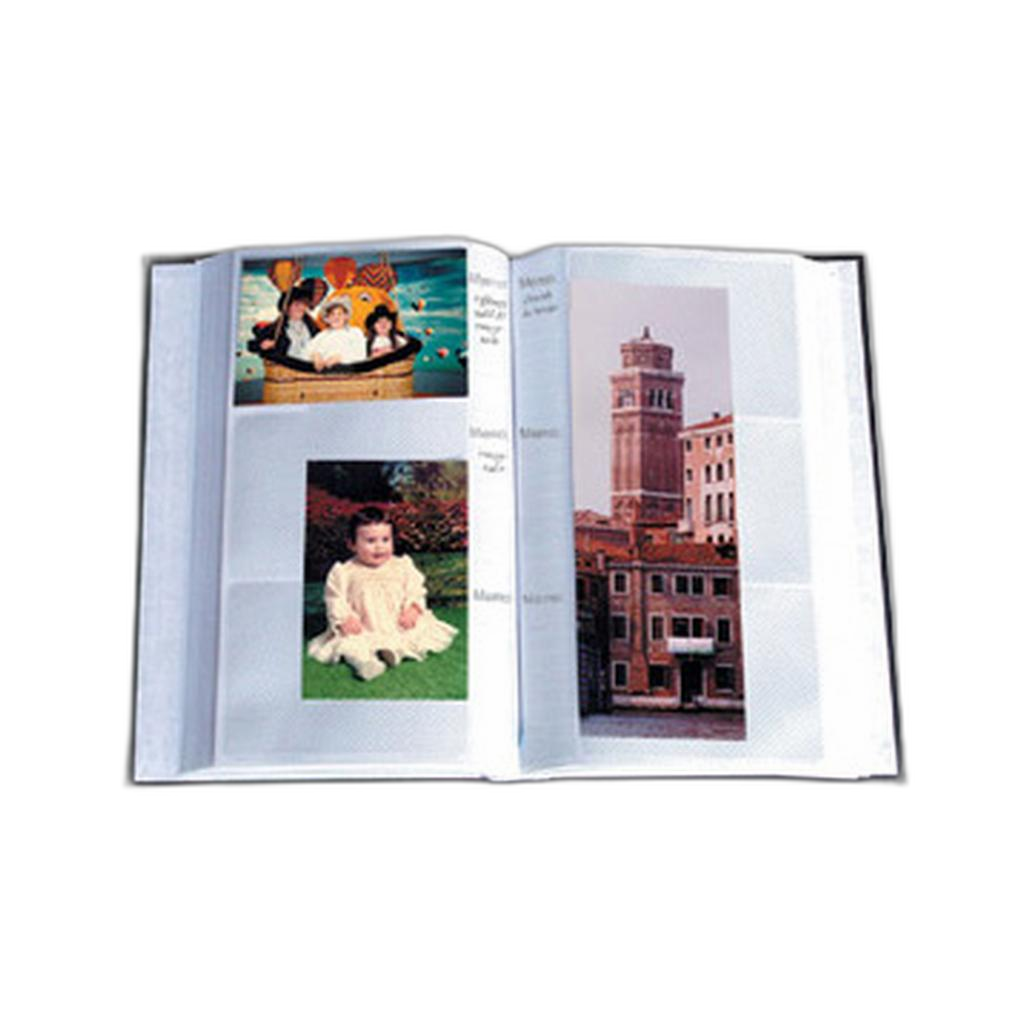
The Pioneer Album Refill Pages for BP-200 Album (30 Photos) are a simple but useful accessory if your review process is growing. For photographers building an evolving contest shortlist over time, expandable organization can be more helpful than a scattered digital folder.
How Presentation Influences Perception
Physical Review Still Has Value
Even in digital-first contests, physical review can reveal flaws that are easy to miss on a monitor. Print size, edge distractions, tonal balance, and visual consistency are often easier to evaluate in hand. A well-made album can serve as a selection proofing tool before final submission.
The Pioneer 4 x 6 In. Embossed Leather Frame Photo Album (200 Photos)-Brown offers a more polished presentation style for photographers who want to review curated sets professionally. Its classic appearance makes it particularly appealing for portrait, travel, and documentary shooters assembling a refined image selection.
Sequencing Matters for Multiple-Image Entries
If a contest accepts a series or portfolio submission, sequence becomes part of the judging experience. Open with strength, maintain variety, and avoid redundancy. Similar images can dilute impact. A strong set should feel coherent but not repetitive.
Match Editing Style to Subject
Judges often notice when post-processing feels disconnected from the image content. Heavy HDR, excessive smoothing, unnatural color grading, or dramatic contrast may draw attention in the wrong way. Editing should support mood and subject matter rather than advertise software skills.
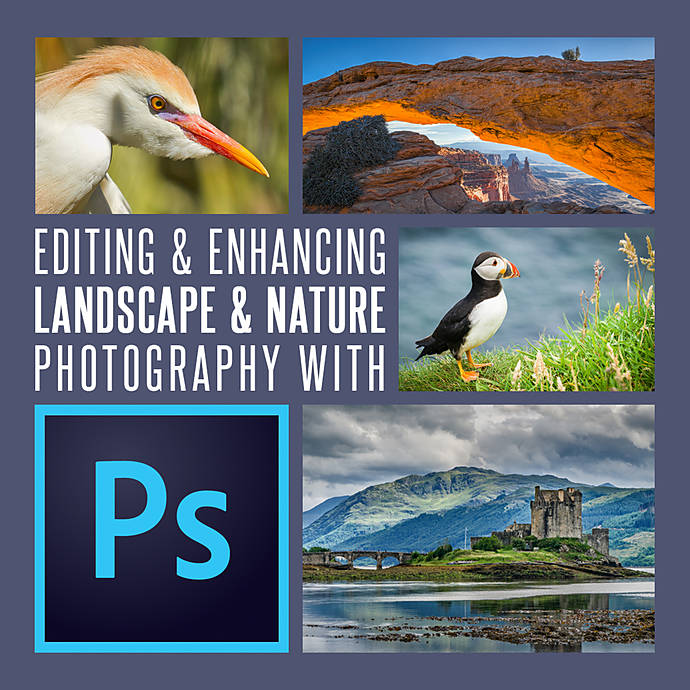
For photographers who want to improve their refinement process, Editing and Enhancing Landscape and Nature Photography with Photoshop is a relevant educational resource. While title-specific to landscape and nature work, the broader value lies in learning controlled enhancement rather than over-editing, a distinction judges often reward.
Education as a Competitive Edge
Learning to See Like a Judge
One of the best ways to improve contest performance is to study how experienced photographers and educators talk about image selection. Events, seminars, and mentoring sessions can sharpen your understanding of timing, storytelling, composition, and post-processing restraint.
The Seminar: How to Capture Great Festival and Event Photos with David Wells is especially relevant for photographers entering documentary, street, travel, or event-based contests. Moments that feel alive, layered, and authentic tend to perform well, and educational content like this can help photographers identify what makes those images stronger.
Likewise, UUOnline: Photoshop Mentoring (Session 3) speaks to a different but equally important part of contest readiness: disciplined editing. Contest judges rarely reward visible processing mistakes, and mentoring can help photographers build a cleaner, more intentional finishing style.

Common Mistakes That Cost Entries Points
Too Many Similar Images
Submitting variations of the same composition can make a portfolio feel indecisive. Choose the single strongest frame unless the contest explicitly invites a narrative sequence.
Over-Editing
Extreme clarity, saturation, vignette, skin retouching, or compositing can quickly reduce credibility. If editing becomes the first thing a judge notices, it may be too much.
Weak Subject Separation
Busy backgrounds, unclear focal hierarchy, and cluttered frames can undermine a good moment. Strong photographs tell the eye where to go.
Ignoring Contest Fit
An excellent image can still fail if it does not match the category, theme, or judging style. Always tailor your selection to the contest brief.
Pros and Cons of a Thoughtful Contest Selection Workflow
Pros
- Improves objectivity when narrowing down entries
- Helps identify stronger frames among similar captures
- Encourages better presentation and sequencing
- Reduces the risk of emotional bias in final choices
- Supports cleaner, judge-friendly post-processing decisions
Cons
- Takes more time than simply picking personal favorites
- May require printing or physical organization tools for best results
- Can feel overly critical without outside feedback
- Educational resources add cost, even if they improve long-term results
Product Takeaways: What Helps Most?
Among the supporting products tied to this topic, the Pioneer 4 x 6 In. Bi-Directional Memo Photo Album (200 Photos) - Black stands out as the most practical organizational tool. It is affordable, high-capacity, and useful for comparing prints during the selection process. The Pioneer 4 x 6 In. Embossed Leather Frame Photo Album (200 Photos)-Brown adds a more premium presentation feel for curated review sets, while the Pioneer Album Refill Pages for BP-200 Album (30 Photos) help expand a growing shortlist.
On the skills side, the strongest value comes from education. The Photoshop and event-photography resources reinforce two key judging priorities: controlled editing and compelling image content.
Verdict and Recommendation
If the goal is to understand what judges really look for, the answer is not a single trick but a complete workflow: choose images with immediate impact, technical control, emotional clarity, and a distinct point of view. Then review them critically, compare alternates, and present them cleanly.
As a practical review conclusion, photographers serious about contest entries should combine better selection habits with better organization and education. A print-review tool like the Pioneer albums can improve objectivity, while mentoring and Photoshop education can elevate final polish. For photographers building a stronger contest strategy, Unique Photo is an excellent place to buy these resources and assemble a smarter submission workflow.