DSLR vs Mirrorless for Beginners: What First-Time Buyers Should Know
If you're buying your first interchangeable-lens camera, the biggest debate usually starts with one question: should a beginner choose DSLR or mirrorless? While DSLRs still have a reputation for value, battery life, and a traditional shooting feel, mirrorless cameras now dominate most new recommendations because they offer lighter bodies, better autofocus, stronger video features, and easier live-view shooting.
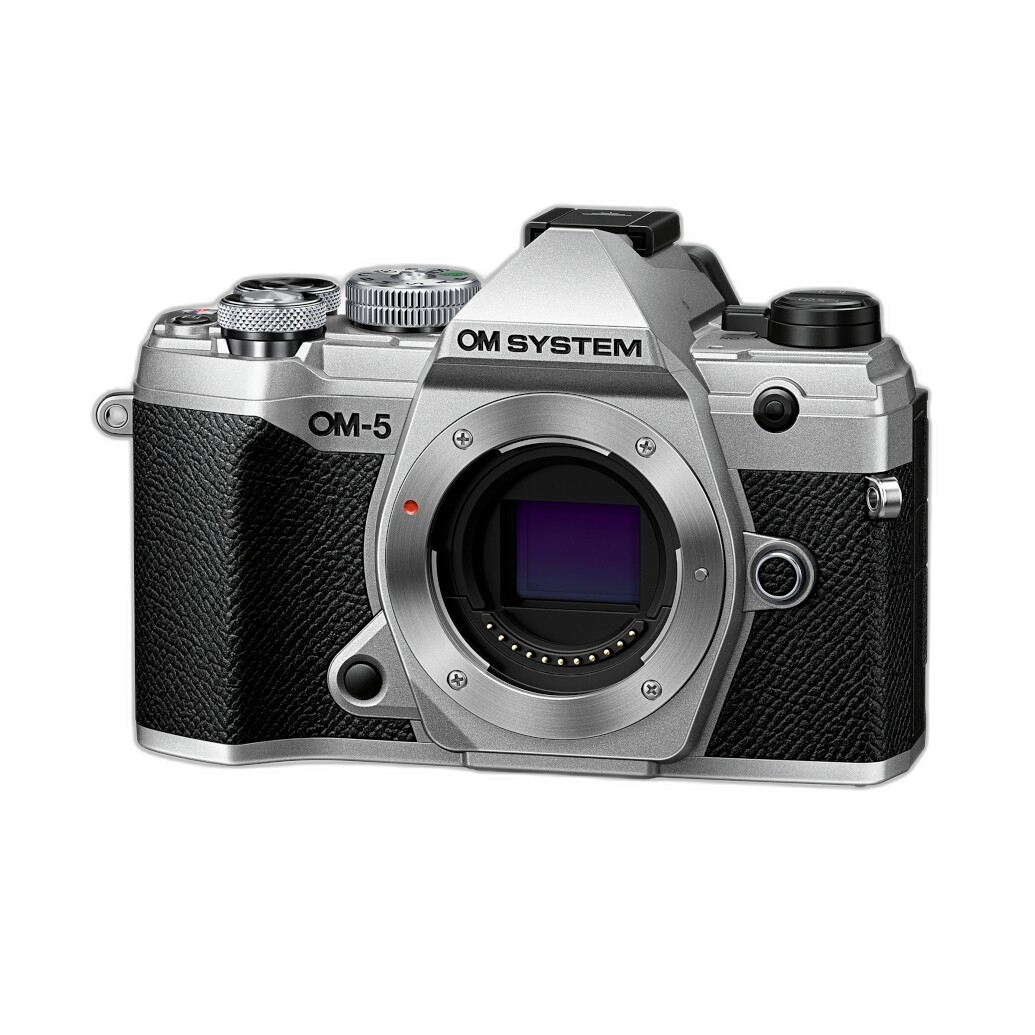
For this comparison, we're focusing on the beginner decision through the lens of currently available mirrorless options from Unique Photo. Even though a DSLR can still be a smart used-market buy, the latest recommended starter kits overwhelmingly lean mirrorless, especially for first-time buyers who want room to grow. Below, we'll compare several appealing entry points: a compact enthusiast-friendly OM SYSTEM OM-5, a stylish used Nikon Zf kit with lens included, a creator-focused used Panasonic LUMIX S9 body, and the high-end Sony a7R VI as a reference point for what a more advanced mirrorless system looks like.
Quick Verdict: DSLR or Mirrorless?
For most beginners, mirrorless is the better long-term choice. It gives new photographers better autofocus assistance, more accurate exposure preview through the electronic viewfinder or rear screen, and a more modern lens ecosystem. DSLR still makes sense if budget is extremely tight and you're shopping used, but if you're starting fresh today, mirrorless is generally the easier system to learn and grow into.
Side-by-Side Camera Comparison
| Model | Type | Best For | Sensor Format | Lens Included | Beginner Appeal | Main Tradeoff |
|---|---|---|---|---|---|---|
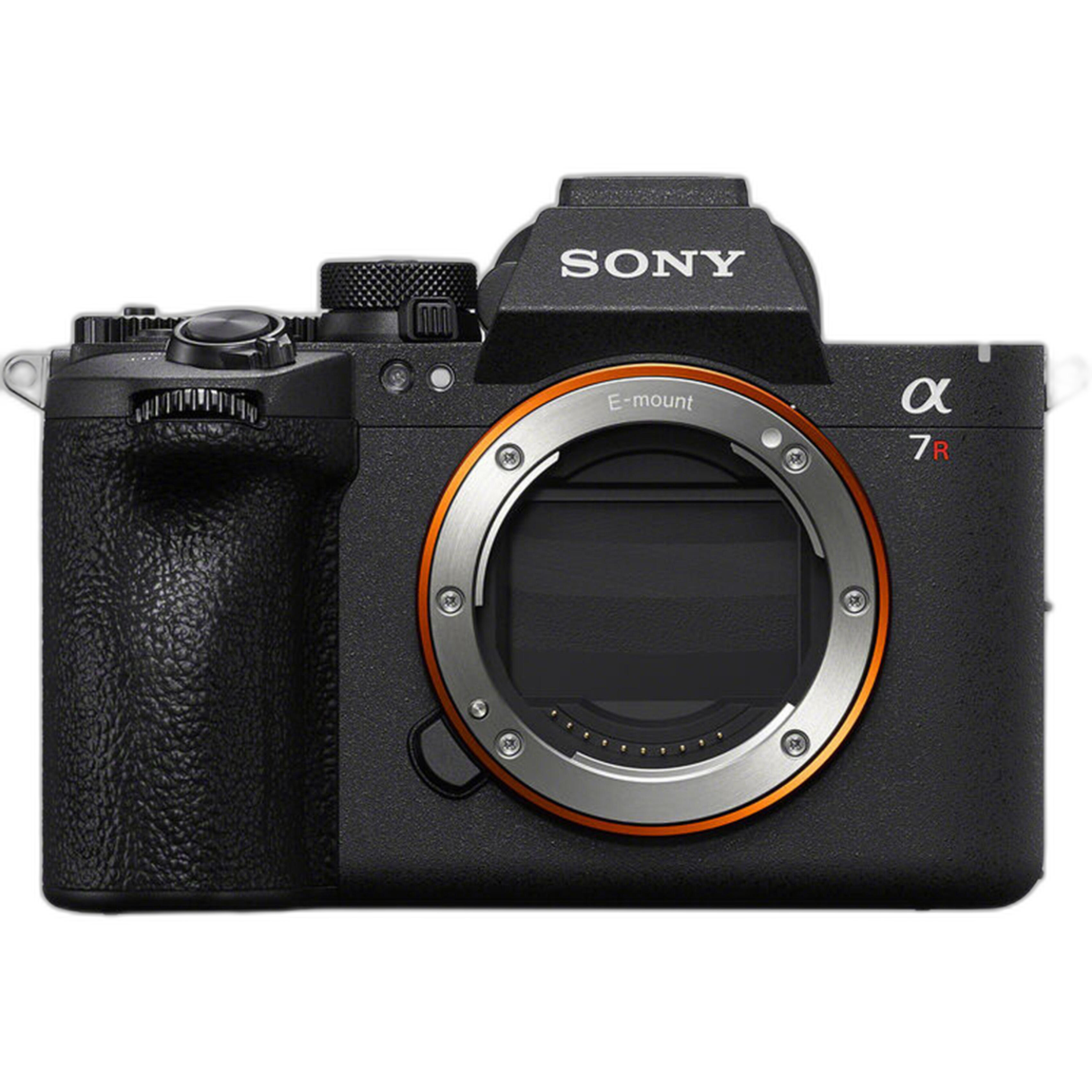
| Sony a7R VI | Mirrorless | Advanced stills, hybrid pros | Full-frame | No | Excellent AF and image quality, but not really a starter budget model | High price and complexity for first-time buyers |
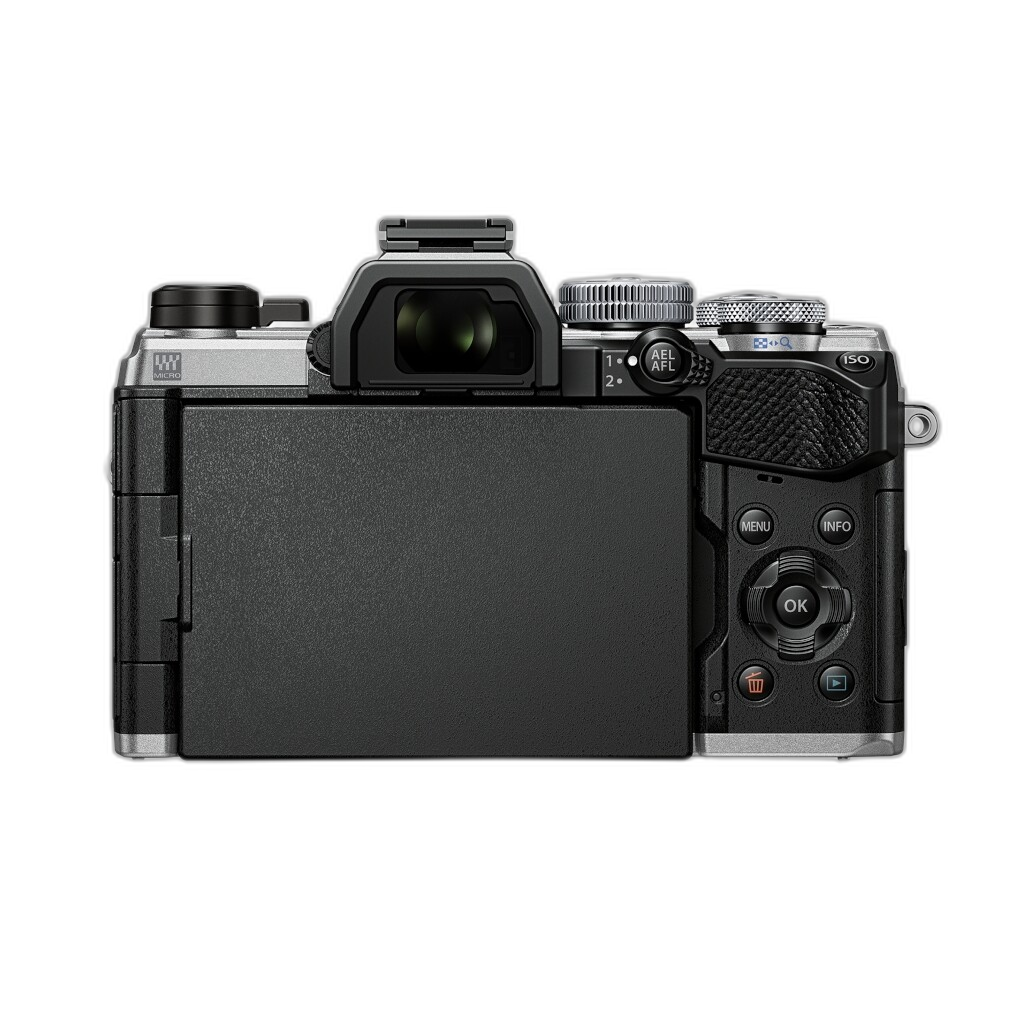
| OM SYSTEM OM-5 | Mirrorless | Travel, outdoor, lightweight learning | Micro Four Thirds | No | Compact, capable, approachable size | Lens purchase required; smaller sensor than full-frame |
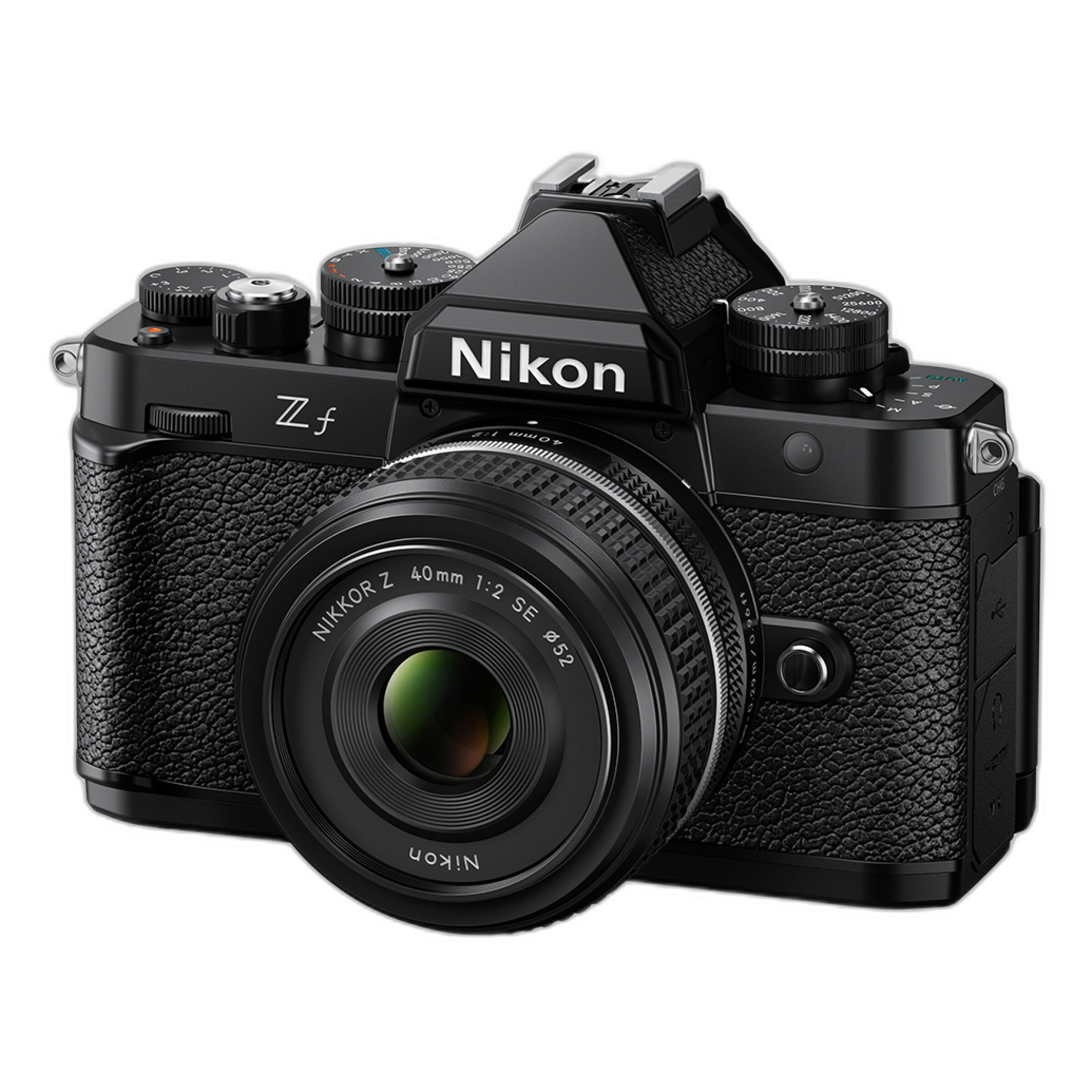
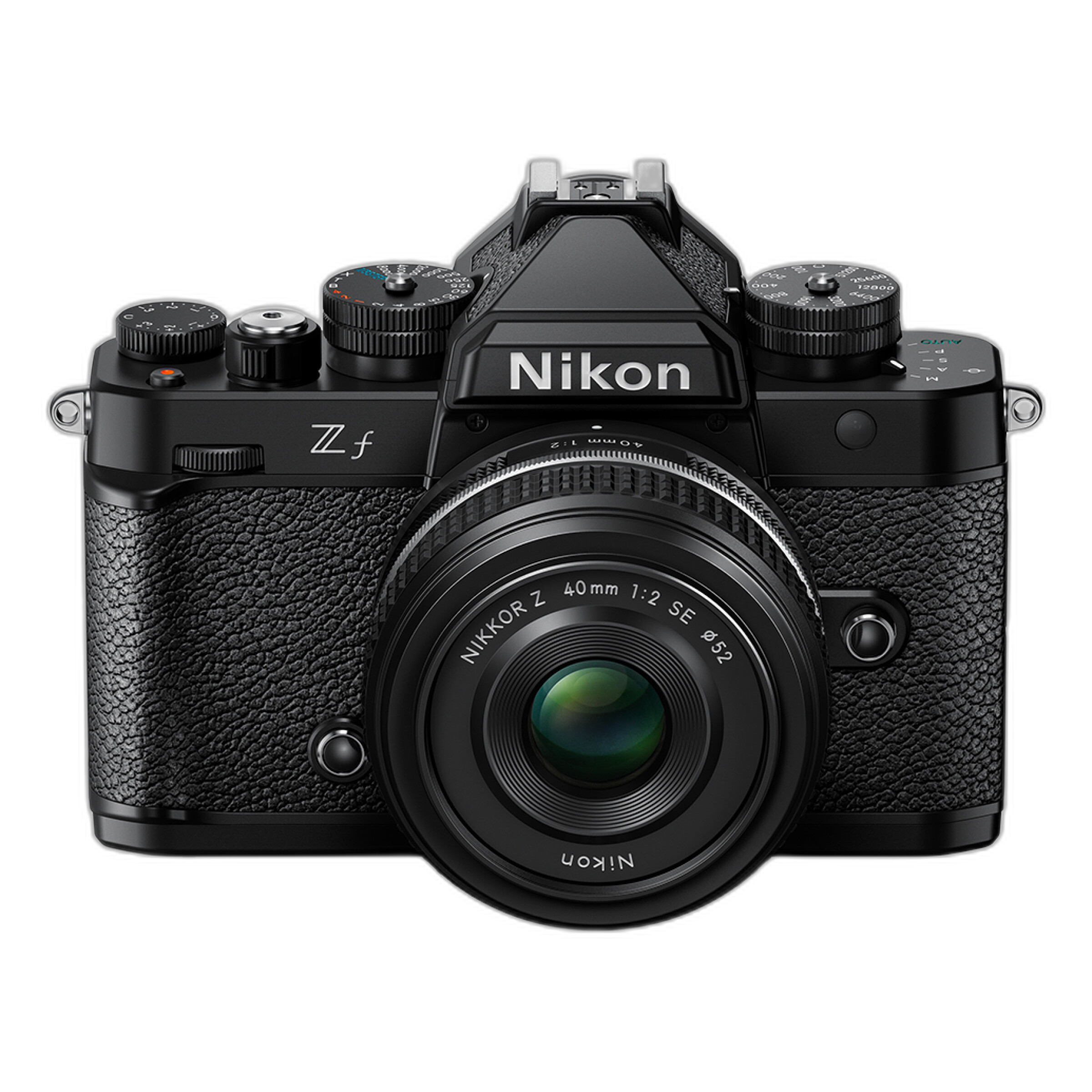
| Used Nikon Zf with 40mm f/2 SE | Mirrorless | Beginners who want a premium all-in-one kit | Full-frame | Yes, 40mm f/2 | Lens included, stylish controls, strong image quality | Retro controls may feel less straightforward to some newcomers |
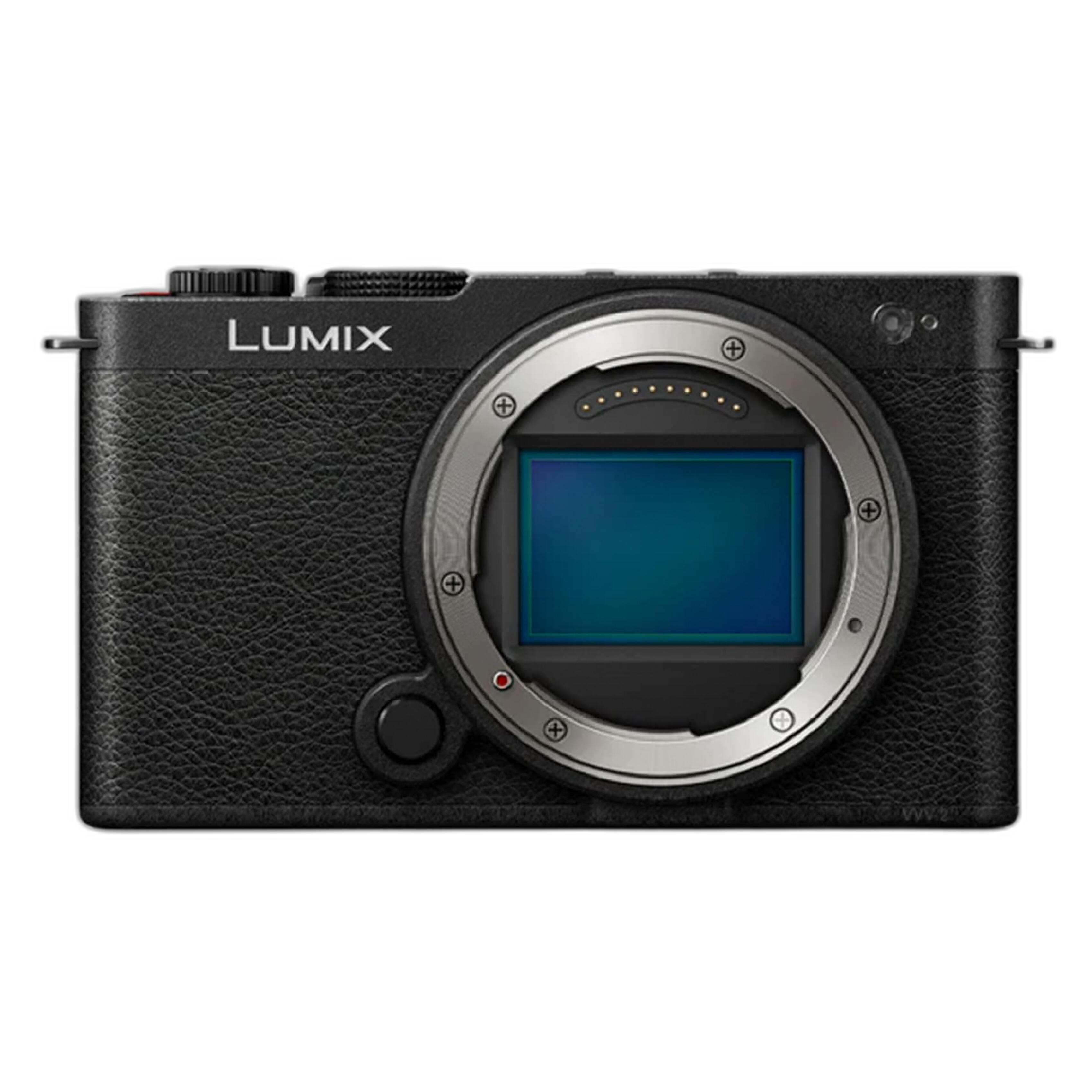
| Used Panasonic LUMIX S9 | Mirrorless | Content creators, casual hybrid shooters | Full-frame | No | Portable full-frame option for modern shooting styles | No included lens; body-only purchase raises startup cost |
DSLR vs Mirrorless for Beginners
Ease of Learning
Mirrorless cameras have a major beginner advantage: what you see on the screen or EVF is much closer to what you'll capture. If you brighten exposure, change white balance, or adjust picture settings, you can often preview the result in real time. That's less intimidating than learning exposure through trial and error on an optical DSLR viewfinder.
DSLRs still offer a natural, lag-free optical view, which some photographers love. But for many first-time buyers, mirrorless feedback speeds up the learning curve.
Size and Portability
This is one of the biggest reasons new photographers choose mirrorless. Smaller bodies make it easier to actually bring the camera along. The OM SYSTEM OM-5 stands out here as a particularly smart beginner body for travel, hikes, and everyday carry. A lighter camera often means more practice, and more practice means faster improvement.
Autofocus and Modern Features
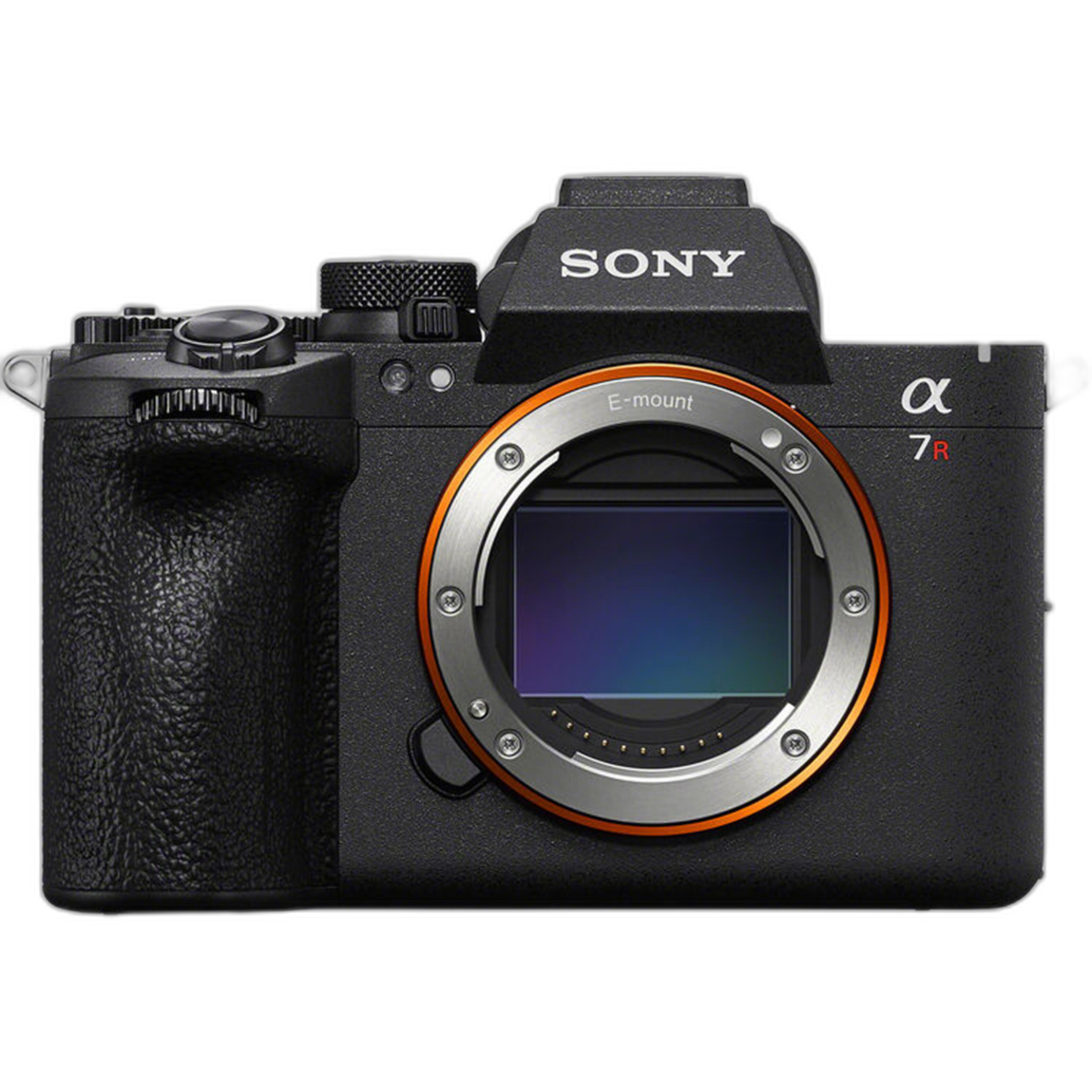
Mirrorless systems generally lead in subject detection, face and eye autofocus, and video-friendly focusing. That's especially useful for beginners photographing family, pets, travel, and social content. The Sony a7R VI represents the high end of this mirrorless advantage, with advanced autofocus performance that shows just how far the category has come.
Battery Life and Handling
This is one area where DSLRs traditionally held a clear lead. Optical viewfinders consume less power than electronic ones, so many DSLR shooters are used to very long battery life. Mirrorless has improved significantly, but if you shoot all day, carrying an extra battery is still smart. For most beginners, though, the convenience and feature set of mirrorless outweigh this drawback.
Which Beginner Kit Makes the Most Sense?
Best Lightweight Starter: OM SYSTEM OM-5
The OM-5 is an excellent option for beginners who want a capable camera that won't feel bulky. Its compact size makes it inviting, and the Micro Four Thirds system offers plenty of lens choices for travel, nature, and general photography. If the idea of carrying a large camera discourages you, this is a strong place to start.
Best Ready-to-Shoot Premium Kit: Used Nikon Zf with 40mm f/2 SE Lens
For first-time buyers, one of the biggest challenges is that a camera body alone is not enough. That's why the Used Nikon Zf with 40mm f/2 SE Lens is especially appealing. You get a camera and a versatile prime lens in one package, which simplifies the buying process and gets you shooting immediately. The 40mm focal length is great for everyday photography, portraits, street shooting, and travel.
Best for Modern Hybrid Creators: Used Panasonic LUMIX S9
The LUMIX S9 is attractive for beginners who think of photography and video together. It's modern, compact for full-frame, and aimed at creators who want flexibility. The catch is that it's body-only here, so first-time buyers need to budget for a lens right away.
Best Aspirational Body: Sony a7R VI
The Sony a7R VI is a remarkable mirrorless camera, but it's better viewed as an aspirational model than a typical beginner recommendation. If you're a first-time buyer with a very large budget and serious ambitions in landscape, commercial, or high-resolution photography, it can be an incredible long-term tool. For most new photographers, though, it is more camera than necessary.
Lens Advice for First-Time Buyers
Start Simple
Most beginners should start with one lens, not three. Learning composition, perspective, aperture, and focusing is easier when you're not constantly switching gear. A standard zoom or a moderate prime is usually the smartest first lens.
Best First Lens Types
Standard zoom: This is the easiest all-purpose option. It covers wide, normal, and short telephoto views, making it ideal for travel, family, and everyday shooting.
Fast prime: A lens like the included 40mm f/2 on the Nikon Zf kit is excellent for learning depth of field, low-light shooting, and more intentional composition.
Telephoto later: Save longer zooms for your second purchase unless you already know you want wildlife or sports.
Match the Lens to Your Goals
If you mainly want travel and walkaround shooting, prioritize portability. If you want portraits, a normal or short-telephoto prime is a great next step. If video matters, look for lenses with smooth autofocus and practical focal lengths for handheld work. The biggest mistake beginners make is buying too much lens too soon.
Accessories and Learning Support
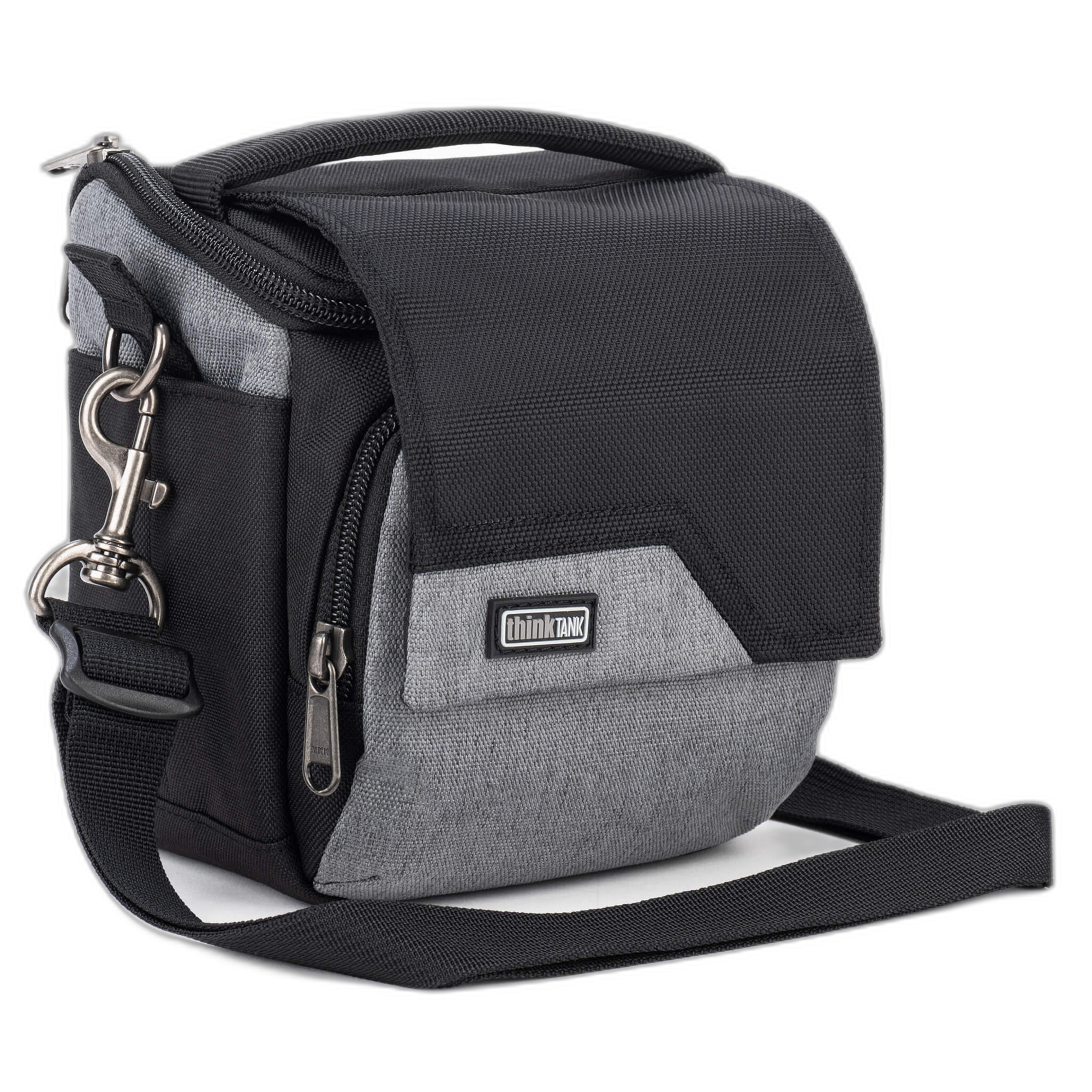
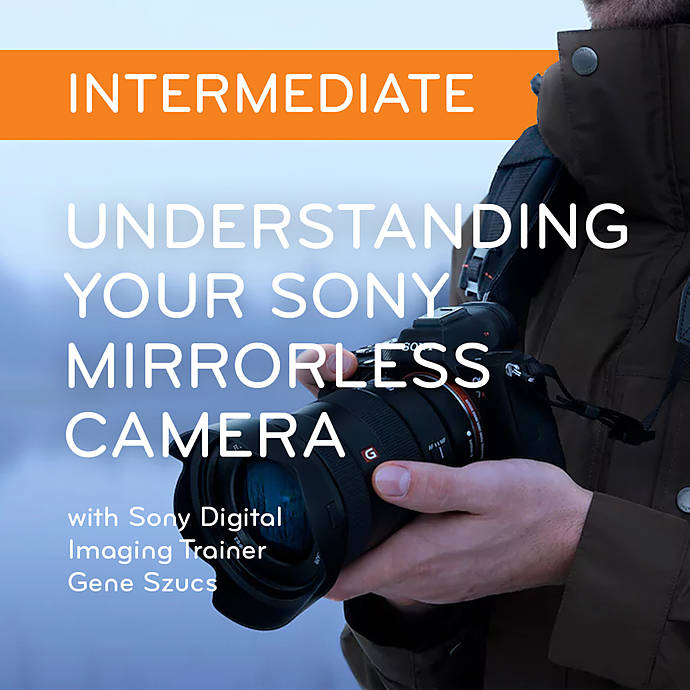
A beginner kit isn't just camera plus lens. A small bag and education can make a huge difference. The Think Tank V2 Mirrorless Mover 10 is a practical carry solution for a compact mirrorless setup, while a class like Understanding Your Sony Mirrorless Camera: Intermediate shows how valuable hands-on learning can be once you've chosen a system.
Our Pick
Best overall beginner recommendation: Used Nikon Zf Mirrorless Camera with 40mm f/2 SE Lens.
Why? Because it solves the biggest beginner problem right away: what do I actually need to start shooting? This kit includes a lens, delivers full-frame image quality, and offers a focal length that's useful for everyday photography. While the OM-5 is an excellent lightweight alternative, the Nikon Zf kit is the most complete and compelling first-buy option in this group for someone who wants a camera that feels special and is ready to use.
Conclusion
The DSLR vs mirrorless debate is still interesting, but for most first-time buyers in today's market, mirrorless is the easier recommendation. Better live preview, more modern autofocus, smaller designs, and strong hybrid features make it a natural fit for beginners. If you want the lightest practical system, look hard at the OM SYSTEM OM-5. If you want the most appealing ready-to-shoot package here, the Used Nikon Zf with 40mm f/2 SE lens stands out. And if you need expert guidance on choosing your first camera, lenses, and accessories, Unique Photo is a great place to start.