Discreet and Safe Protest Photography: Pro Tips, Gear, and Training
Covering demonstrations requires a balance of sensitivity, situational awareness, and smart gear choices. As New Jersey’s photo resource, Unique Photo shares practical, field-tested guidance to help you work respectfully, stay safe, and bring home publishable images—while following all applicable laws and event rules.
Nothing here is legal advice; always comply with local regulations, event restrictions, and instructions from safety personnel.
How can I blend in and avoid drawing attention while working?
Keep your footprint small. Choose neutral clothing without large logos or reflective accents, and pack only what you need for the assignment. Use compact bodies and lenses (a small prime or a collapsible zoom) and enable your camera’s silent or electronic shutter. Disable beeps, AF-assist lamps, and bright review screens. Work from the periphery when possible, frame quickly, and move on rather than lingering in one spot.
Plan your approach and exit routes in advance, and avoid sudden movements. If you’re on assignment and required to identify yourself, keep credentials accessible and communicate calmly and clearly.
What safety steps should I take before arriving?
Prepare like you would for any high-variability environment:
- Research the location, crowd expectations, and any restrictions (road closures, media zones, no-fly areas).
- Share your plan and timeline with a colleague; establish check-in times.
- Charge all batteries; bring spares for camera and phone. Carry a small first-aid kit.
- Use weather-appropriate clothing and footwear with good traction.
- Label your gear and keep a simple inventory on your phone.
Above all, maintain situational awareness—keep your head up, monitor crowd flow, and place yourself where you have multiple exit options.
What’s a discreet way to carry and protect my kit?
Favor a compact sling or backpack with a clean exterior profile and minimal dangling accessories. Keep zippers closed and front-facing in dense crowds. Use a lightweight rain cover to conceal branding and add weather protection. Stash non-essentials in a secure location offsite or in a vehicle rather than on your person. Inside the bag, pack lenses vertically with soft dividers so you can grab them by feel without digging around.
Unique Photo stocks low-profile straps, weather covers, memory cases, and discreet bags—visit us in-store to get fitted to your kit and body type.
How do I handle low light without being conspicuous?
Use fast glass (f/1.4–f/2.8), raise ISO confidently, and rely on lens or in-body stabilization. Prefocus manually to avoid focus assist lamps, and use exposure compensation rather than chimping after every frame. Practice handheld techniques—elbows in, exhale on release—to keep shutter speeds down without a tripod.
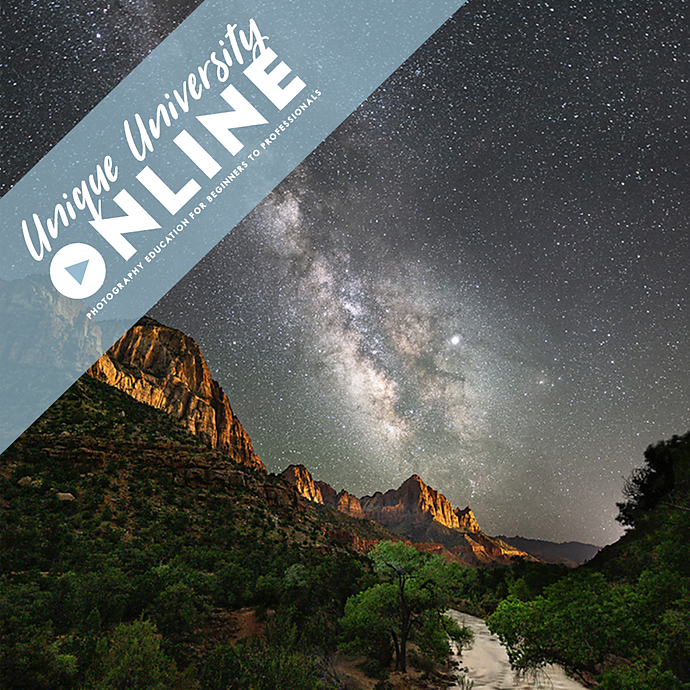
To sharpen these skills, our online course “Photographing the Nighttime Landscape with Roman Kurywczak” drills low-light technique that translates perfectly to quiet event work.
What protective clothing and PPE should I consider?
Choose sturdy, closed-toe shoes, layered clothing, and a brimmed cap for sun or light rain. Safety glasses or clear goggles can help in dusty environments; lightweight gloves protect hands while maintaining dexterity. Earplugs are useful near loudspeakers or sirens. Select PPE to match conditions and local guidelines, and ensure anything you wear does not impede your vision or mobility.
How should I manage files and power during a fast-moving event?
Use dual-card recording (RAW+JPEG or backup to both cards). Rotate small-capacity cards periodically so a single loss doesn’t cost the entire shoot. Keep spare batteries in inner pockets for warmth and track them with simple color tape (charged vs. spent). After the assignment, back up to two separate locations before formatting cards.
What’s the best way to interact with participants and authorities?
Lead with respect. Keep a comfortable distance, communicate what you’re doing, and step back if asked when appropriate. Avoid obstructing walkways or emergency responders. If you’re working as credentialed media, follow any instructions tied to that access. When in doubt, prioritize safety and de-escalation over getting the shot.
How do I clean and care for gear after a gritty assignment?
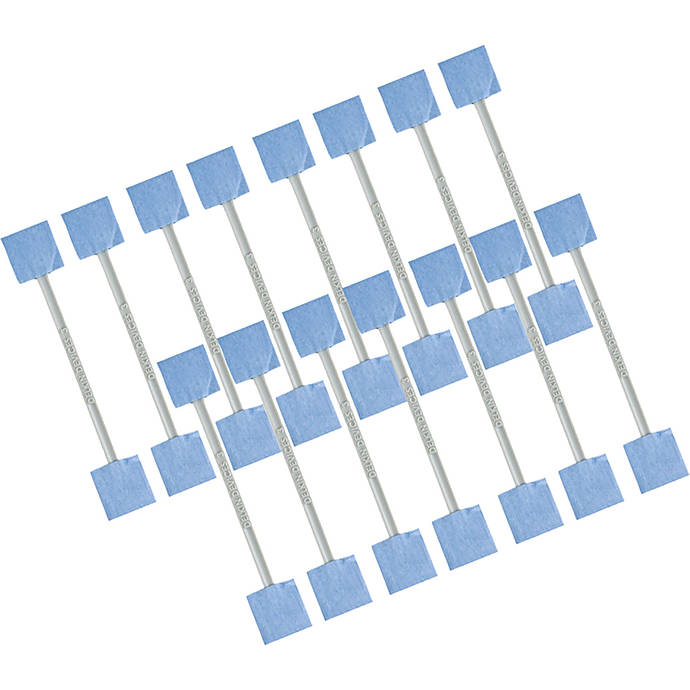
Before opening your bag, brush off dust and debris. Wipe down camera and lenses with a slightly damp microfiber, then a dry one. Inspect ports and hot shoes for grit. For a final polish, clean your sensor carefully in a clean, indoor space if you notice persistent spots at higher apertures. A dedicated sensor tool sized to your camera is essential.
For full-frame cameras, Delkin Devices SensorSafe Wands are designed to safely lift contaminants from the sensor surface with minimal contact, perfect after dusty or windy conditions.
What training helps me prepare for fast-changing conditions?
Building quiet movement, long-lens discipline, and compositional speed pays off in the field. Unique University offers hands-on and online programs that strengthen these skills:
- Low-light mastery: “Photographing the Nighttime Landscape with Roman Kurywczak” refines stabilization, ISO management, and exposure control under challenging illumination.
- Minimalist vision: “Photographing the Introspective Landscape with Salvatore Vasapolli” improves composition and seeing with a lean kit.
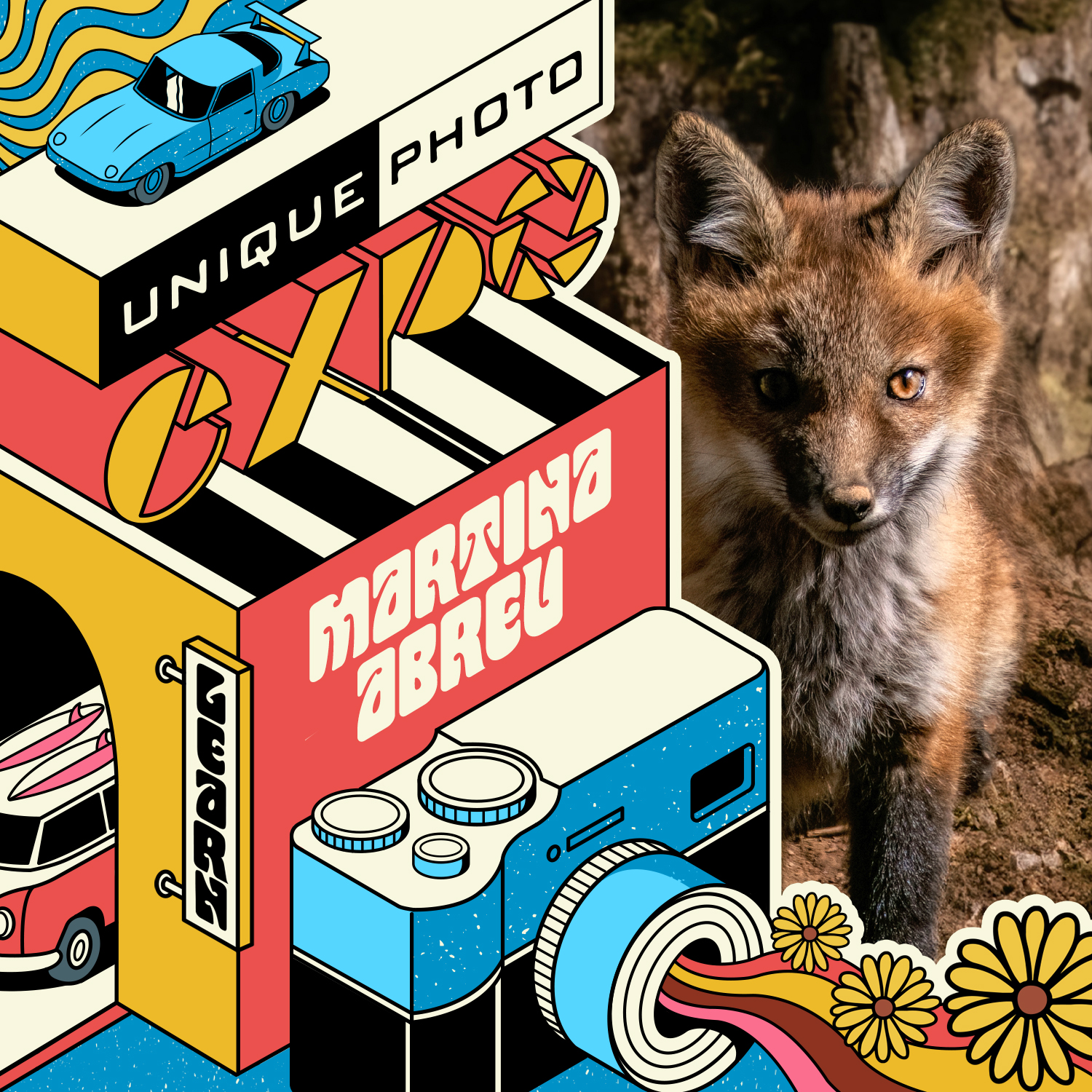
- Patience and timing: “EXPO: Photographing All Things Wild and Free with Martina Abreu (Sigma)” builds telephoto technique and quiet approach that translates to candid human moments.
- Real-world practice: “Photographing The Great Falls of Paterson, NJ with Michael Downey” develops location scouting, weather awareness, and safe footing on slippery terrain—skills that transfer to street assignments.


I’m traveling for an assignment—any prep tips?
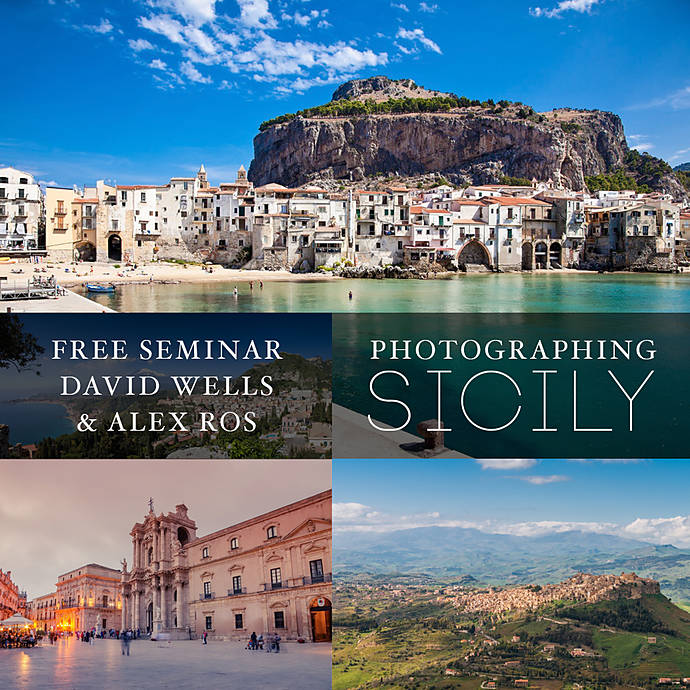
Confirm local regulations and customs, register gear serials, and make a packing checklist that prioritizes compact, versatile tools. Keep documents backed up digitally and carry a simple phrase list if you’re working where you don’t speak the language. Our “Photographing Sicily Seminar” is a great example of how we help you think through destination logistics and storytelling before you go.
How can I practice moving quietly and anticipating moments?
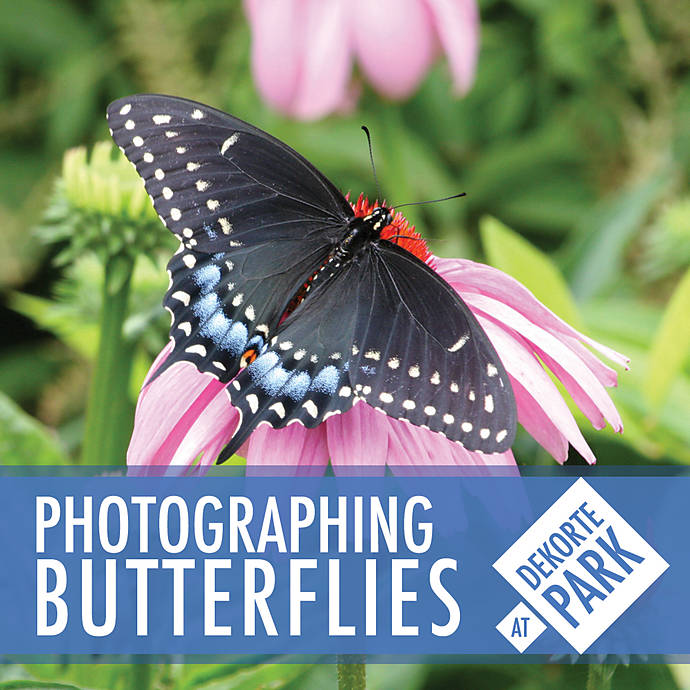
Field workshops that emphasize patience and timing build confidence for sensitive coverage. A nature-focused outing like “Photographing Butterflies at DeKorte Park with Michael Downey” trains you to watch patterns, minimize motion, and work efficiently—skills that translate directly to candid street and documentary situations.
Whether you’re a working photojournalist or documenting your community, Unique Photo is here to help you prepare, protect your gear, and elevate your storytelling. Visit us in Fairfield or Hoboken, shop online at UniquePhoto.com, and explore Unique University to build the skills that keep you safe and successful in the field.