Continuous vs Flash Lighting for Home Studio Portraits: FAQ
Choosing between continuous lighting and flash is one of the biggest decisions portrait photographers make when building a home studio. The right answer depends on how you like to shoot, how much space you have, and whether you prioritize simplicity, power, or flexibility.
At Unique Photo, we often recommend starting with your shooting style first, then matching your lighting tools to your goals. For many portrait photographers, especially those working at home, the best setup is not always purely continuous or purely flash—it may be a hybrid approach.
What is the difference between continuous lighting and flash for portraits?
Continuous lighting stays on the entire time, so you can see exactly how light falls on your subject before you take the photo. That makes it especially appealing for beginners, content creators, and photographers who want an easy, visual workflow when shaping light on faces.
Flash, on the other hand, produces a short burst of much more intense light at the moment of exposure. This gives you more power, helps freeze motion, and often makes it easier to keep ISO low and image quality high. In portrait work, flash is often the better choice when you need clean skin tones, more control over ambient light, or enough output to work with larger modifiers.
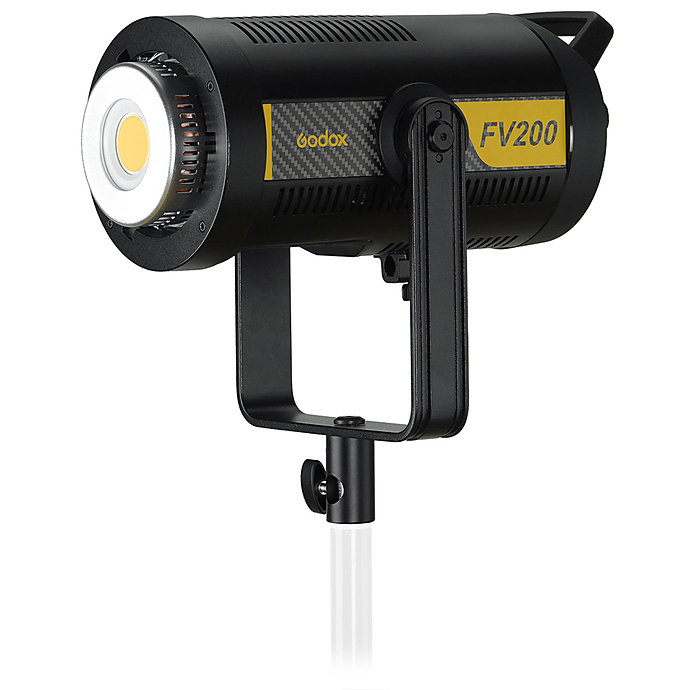
A strong middle ground is a hybrid light such as the Godox FV200 Hybrid Continuous LED Light and HSS Flash. It can function as a continuous LED for setup and video, while also providing flash capability when you need more punch for still portraits.
Which is better for a small home studio?
In a small home studio, the best lighting choice usually comes down to room size, ceiling height, and how much ambient light you need to control. Continuous lights are easy to learn with because what you see is what you get, but in tighter spaces they may require wider apertures or higher ISO settings if you want soft light through larger modifiers.
Flash often performs better in small spaces because it gives you more usable output. That means you can stop down for sharper group portraits, keep ISO lower, and overpower room light more effectively. If you shoot in a spare bedroom or basement studio, a compact but powerful flash system can be a major advantage.
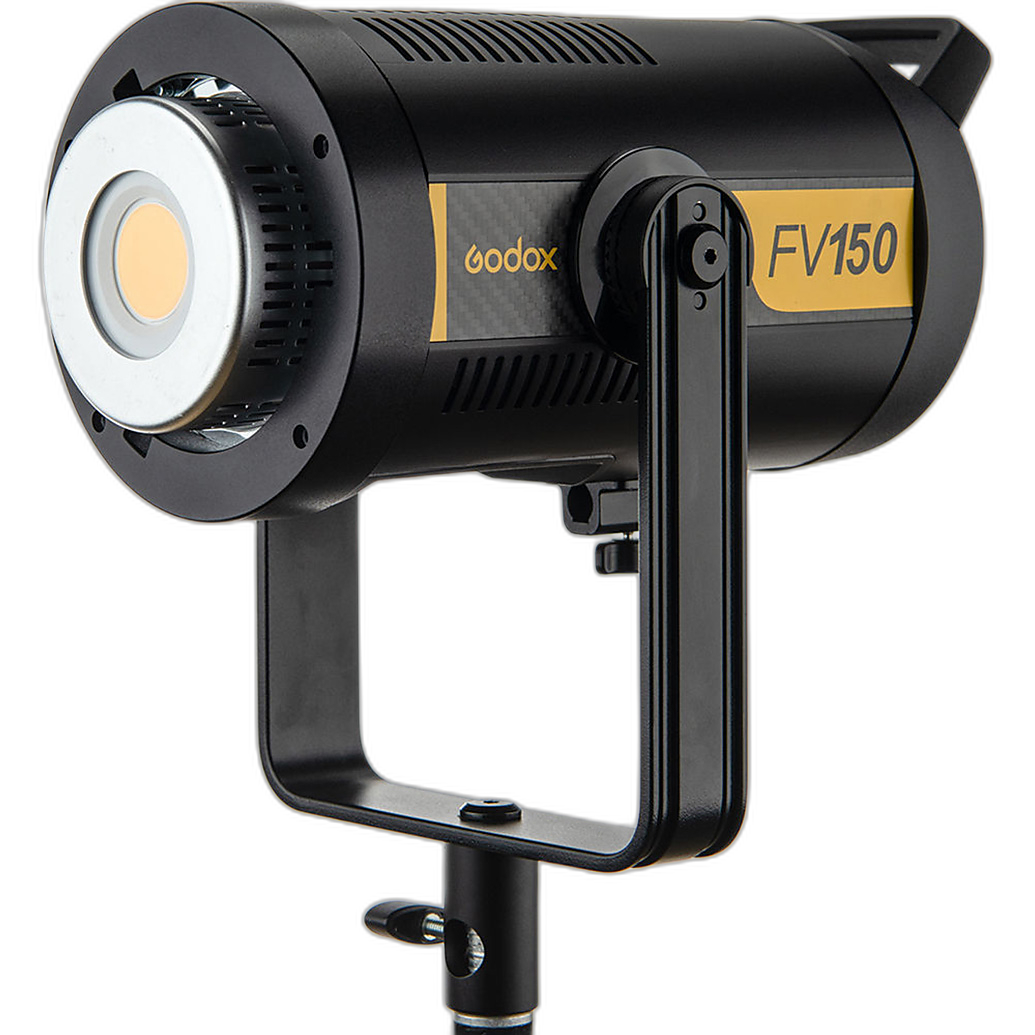
For photographers who want flexibility without committing to a full commercial-grade strobe kit immediately, the Godox FV200 is a practical option. If budget matters, Unique Photo also offers used hybrid options like the Used Godox FV150 Hybrid Continuous LED Light and HSS Flash in multiple conditions, which can be a smart entry point for home portrait shooters.
Are hybrid lights a good solution for photographers who shoot both photo and video?
Yes—hybrid lights are one of the most practical solutions for creators who move between portraits, headshots, social content, interviews, and short-form video. Instead of maintaining completely separate lighting kits, a hybrid model can cover both needs with a more streamlined workflow.
For example, the Godox FV200 Hybrid Continuous LED Light and HSS Flash works well for photographers who want to compose with a live LED source and then switch to flash mode for more power during still sessions. This is especially useful for portrait photographers who also produce behind-the-scenes content, reels, or client video clips in the same room.
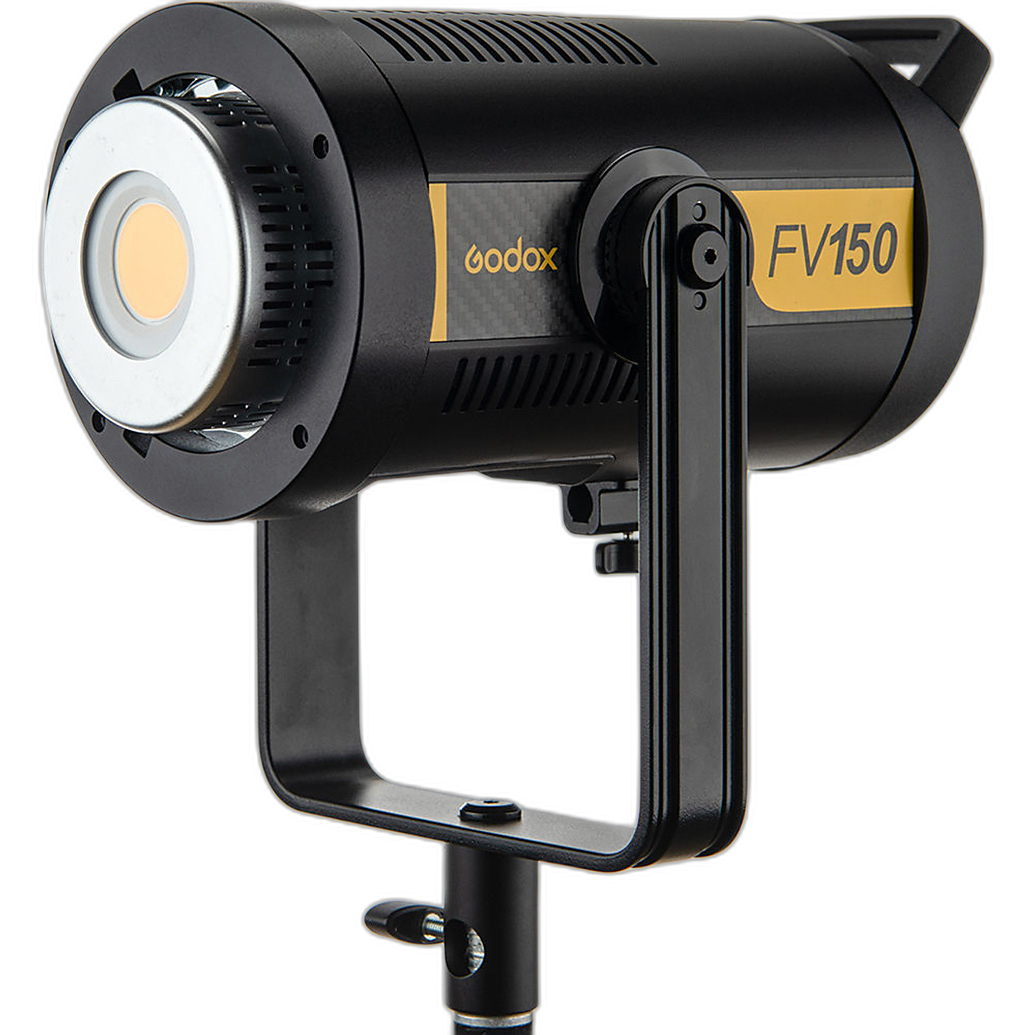
If you want to keep costs down while still gaining that versatility, used Godox FV150 units can be a very appealing value. Depending on budget and cosmetic preference, options like Used Good Godox FV150 Hybrid Continuous LED Light and HSS Flash or Used Fair Godox FV150 Hybrid Continuous LED Light and HSS Flash can help you build a capable studio setup for less.
When should I choose flash over continuous light for portraits?
Flash is the better tool when you need more output, more control, and more consistent results. If you are photographing families, children, fashion portraits, or anyone who moves a lot, flash helps freeze motion better than continuous light. It is also ideal when you want to shape light with bigger softboxes or shoot at lower ISO for maximum image quality.
Flash is also easier to use when you need to overcome bright window light or create a dramatic look that separates your subject from the background. For photographers who work both in the studio and on location, battery-powered flash systems provide a lot of freedom.
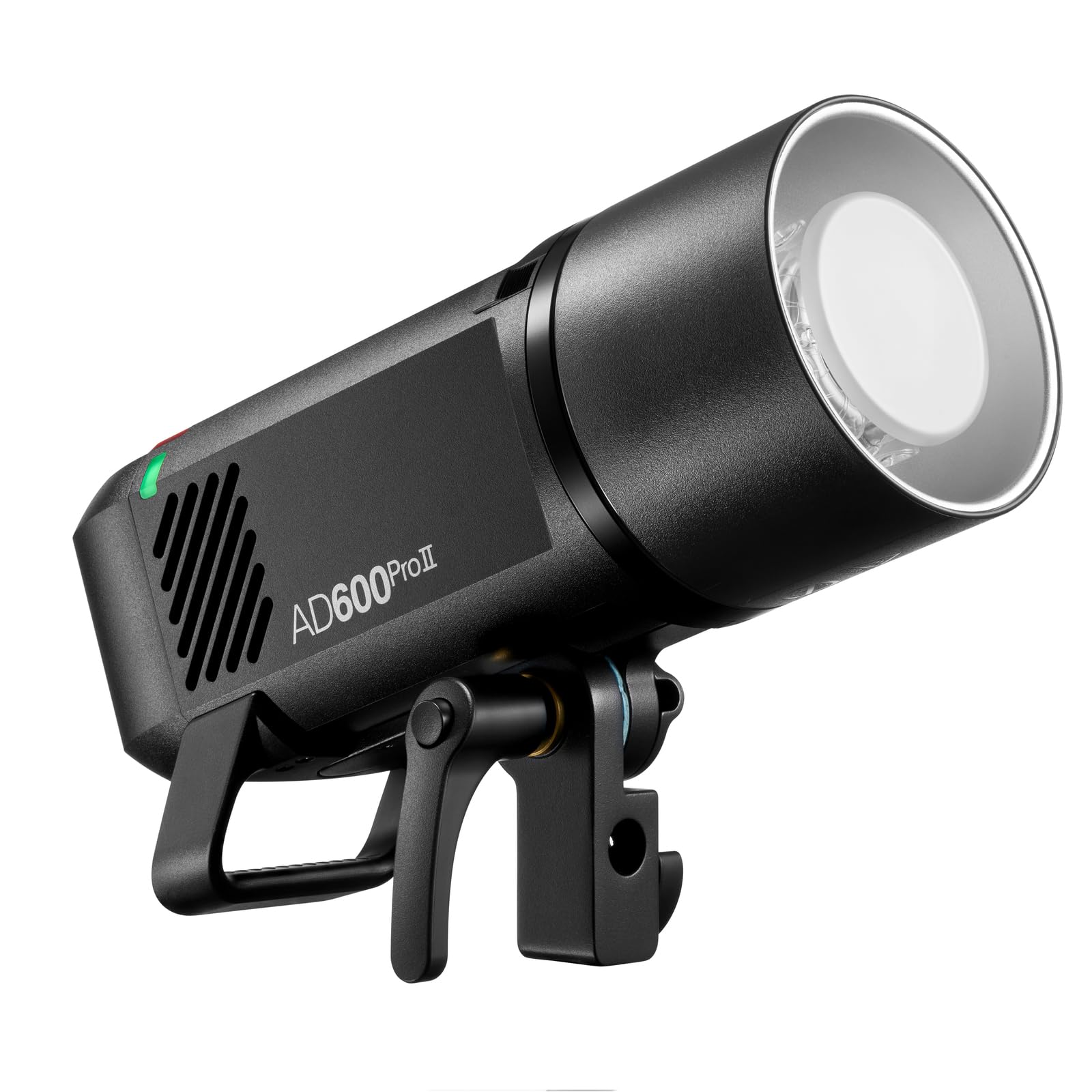
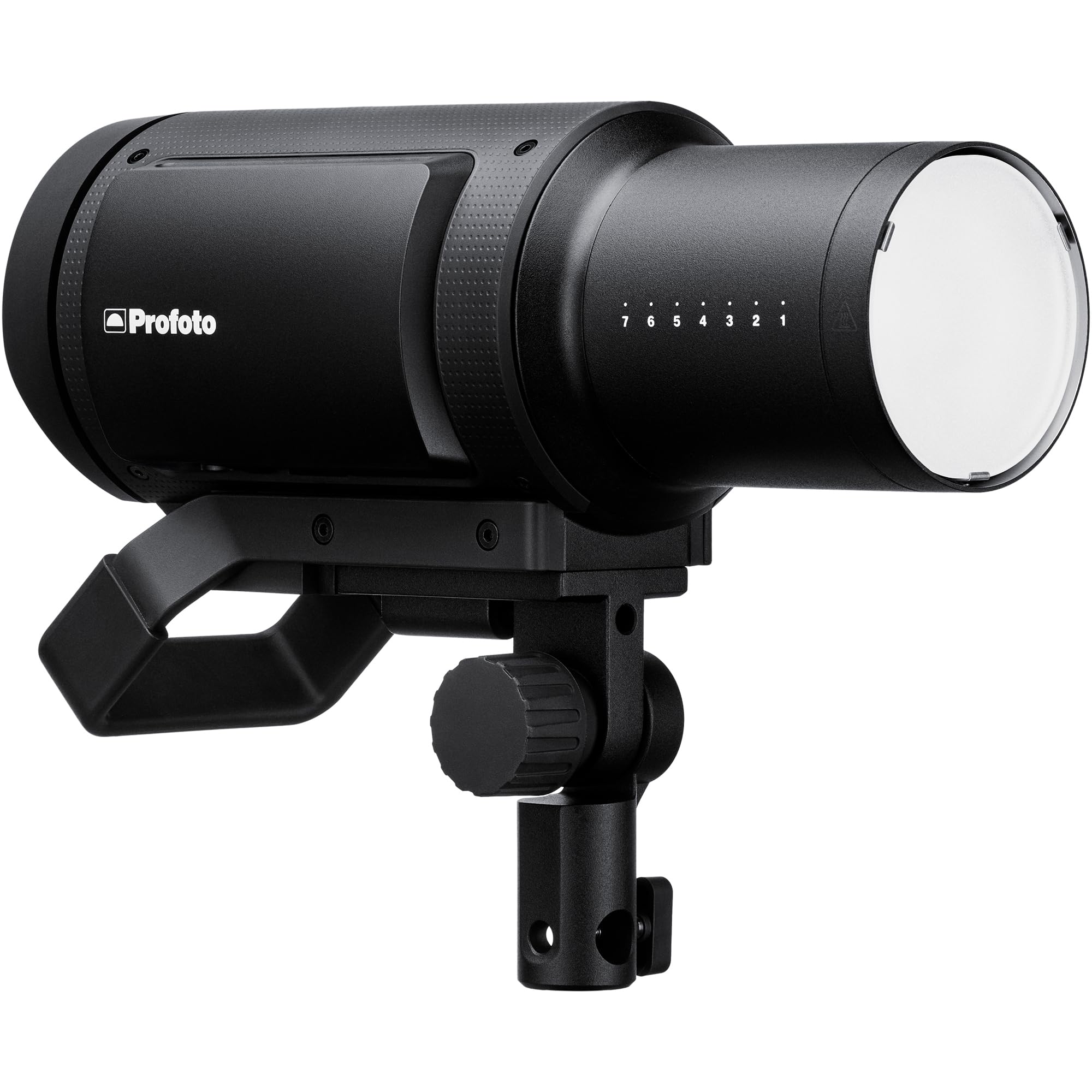
A great example is the Godox AD600Pro II All-in-One Outdoor Flash. It offers substantial power for portraits, location sessions, and larger modifiers, making it an excellent option for photographers who have outgrown entry-level lighting. If you want a premium professional solution, the Profoto Pro-B3 750Ws Monolight and the Profoto Pro-B3 Duo 750Ws Monolight (2-Light Kit) are built for fast-paced portrait production where reliability and performance matter most.
What is the most affordable way to start lighting portraits at home?
The most affordable path is usually to start with one light, one modifier, and a simple portrait setup before adding complexity. Many photographers buy too many lights too early, when what they really need is one dependable key light and time to learn placement, distance, feathering, and exposure control.
For budget-conscious photographers, a used hybrid light can make a lot of sense because it gives you both continuous and flash functionality in one purchase. Unique Photo’s used selections, such as the Used Godox FV150 Hybrid Continuous LED Light and HSS Flash in Excellent, Good, or Fair condition, can help you begin with capable gear while leaving room in the budget for stands, modifiers, or backgrounds.
If you know you want more flash power for portraits from day one, stepping up to a dedicated flash like the Godox AD600Pro II can be a wise long-term investment. It may cost more upfront than a basic constant light, but its output and flexibility can keep serving you as your work grows.
Why do my portraits look flat or unflattering even when I have enough light?
Flat-looking portraits are rarely caused by lack of output alone. More often, the issue is light position, modifier choice, or subject placement. A light placed too close to the camera axis can remove facial dimension, while a light that is too high, too low, or too broad for the subject can create unflattering shadows or reduce shape in the face.
In a home studio, try moving your key light off to one side and slightly above eye level, then feather it across the face instead of aiming it directly at the subject. Watch the shadow under the nose, the cheek definition, and the catchlights in the eyes. Continuous lights make this process especially intuitive because you can see adjustments in real time, which is why hybrid models like the Godox FV200 are so useful for learning.
If you are using flash, a more powerful unit like the Godox AD600Pro II or a premium option like the Profoto Pro-B3 can give you enough headroom to use larger soft modifiers without sacrificing exposure quality.
How can I troubleshoot common lighting problems like harsh shadows, color inconsistency, or background spill?
Harsh shadows usually mean the light source is too small relative to your subject, or it is placed too far away. Bringing the light closer can make it appear larger and softer. If the light is still too hard, consider using a larger modifier or feathering the beam so the brightest part of the light is not aimed directly at the center of the face.
Color inconsistency can happen when you mix room lights, window light, and your main light source. Try to simplify the scene by turning off mixed household bulbs or blocking stray daylight when consistency matters. Flash can be especially helpful here because its stronger output lets you dominate the scene and reduce unwanted color contamination.
Background spill is another common issue in small spaces. Move the subject farther from the background if possible, flag the light to keep it from spreading, and narrow your light placement so it shapes the subject without washing the entire room. More powerful systems such as the Godox AD600Pro II or Profoto Pro-B3 series give you additional control when used carefully with modifiers and positioning.
Do I need a professional strobe system for portrait work, or can entry-level gear still produce great results?
You do not need top-tier lighting to make strong portraits. Good light placement, exposure control, and modifier choice matter more than buying the most expensive system right away. Many excellent home-studio portraits are made with a single affordable light and a thoughtful setup.
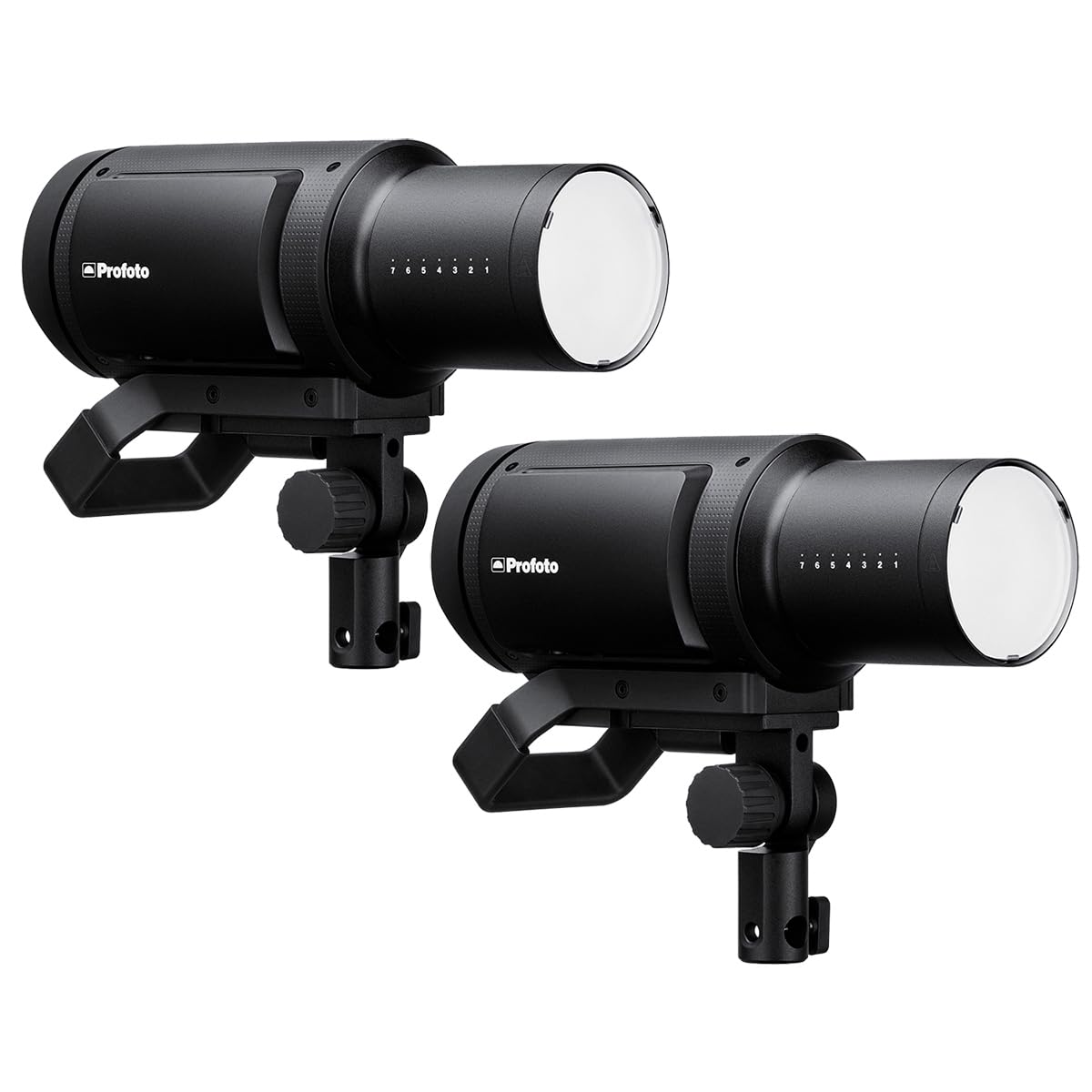
That said, professional strobe systems become valuable when your shooting volume increases, your clients expect faster turnaround, or you need dependable power for demanding sessions. The Profoto Pro-B3 750Ws Monolight and Profoto Pro-B3 Duo 750Ws Monolight (2-Light Kit) are ideal for photographers who want speed, consistency, and premium performance. Meanwhile, Godox options remain compelling for photographers who want excellent capability and value, especially in home studios and growing portrait businesses.
In short, start with the level of gear that supports your current work, then upgrade when your needs clearly justify more power, battery performance, or workflow efficiency.
Whether you are deciding between continuous light, flash, or a hybrid setup, Unique Photo can help you build a portrait kit that matches your space, style, and budget. Explore our selection of Godox and Profoto lighting solutions, including used options, to create a home studio setup that helps you shoot with more confidence and consistency.