Contest-Ready Photography FAQ: Gear, Lenses, Resolution & Editing
Entering photography contests often raises the same big questions: does premium gear really improve your odds, which lenses create the strongest submissions, and how much editing is too much? At Unique Photo, our advice is simple: judges respond first to impact, clarity, and intent, but the right camera and lens choices can absolutely help you present your work at its best.
Below, we break down the most common gear and workflow questions photographers ask when preparing images for juried competitions, gallery calls, and club contests.
Do you need a high-resolution camera to impress contest judges?
Not always. High resolution can be a real advantage when a contest requires large prints, heavy cropping, or extremely fine detail, but it is rarely the only factor that determines success. Judges typically notice composition, timing, subject choice, light, emotional impact, and print or file quality before they think about pure megapixels. A sharp, well-timed image from a modest-resolution camera will almost always outperform a technically larger file with weaker storytelling.
Where higher resolution helps is in flexibility. If you frequently crop wildlife, sports, or distant subjects, a larger file gives you more room to refine framing. It can also help in print competitions where texture, micro-contrast, and clean detail hold up under close viewing. Still, lens quality, exposure accuracy, and clean post-processing matter just as much. If your goal is contest-ready output, think of resolution as a useful tool, not a shortcut.
Are lenses more important than camera bodies for competition images?
In many cases, yes. The lens has a major influence on sharpness, contrast, rendering, flare control, and subject separation. A strong lens can elevate the files from your current camera body, especially if you are working in difficult light or want a specific visual signature. Contest images often stand out because the photographer chose a focal length that strengthens perspective and supports the subject—not simply because they used the newest camera.
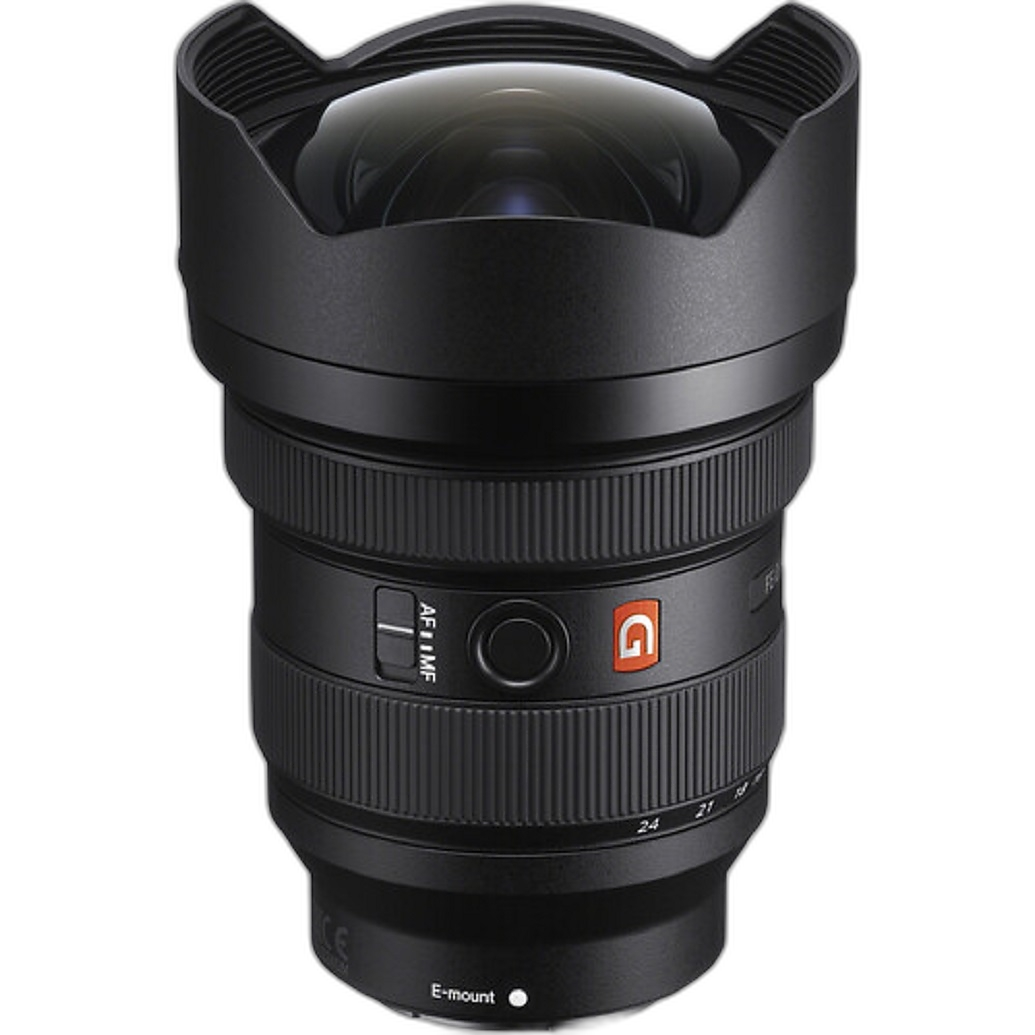
For example, if you are creating dramatic landscapes, architecture, or environmental scenes, a premium ultra-wide option like the Sony FE 12-24mm f/2.8 GM Lens gives you excellent edge-to-edge performance and a bold perspective that can translate beautifully in competition work.
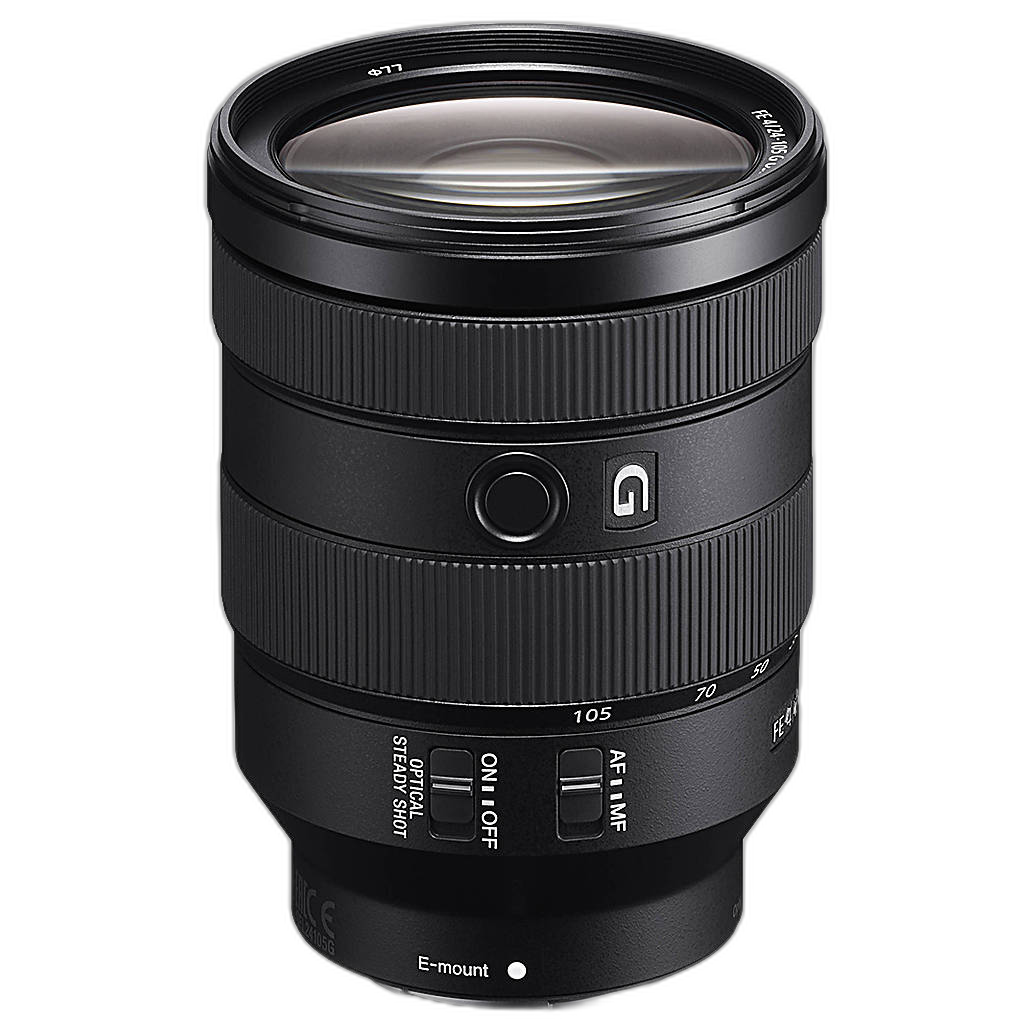
If you need one versatile lens for travel, documentary, portrait, and general competition shooting, the Sony FE 24-105mm f/4 G OSS Lens is a particularly smart choice. Its focal range covers wide scenes, normal perspectives, and short telephoto framing, which is useful when building a varied contest portfolio.
What focal lengths tend to give photographers an edge in contests?
There is no single winning focal length, but certain ranges are especially effective depending on the category. Wide angles can create immersive landscape and architectural images. Normal and short telephoto lenses often produce natural-looking portraits and documentary work. Longer focal lengths can simplify a frame and isolate a subject, which is valuable in wildlife, sports, and minimalist compositions.
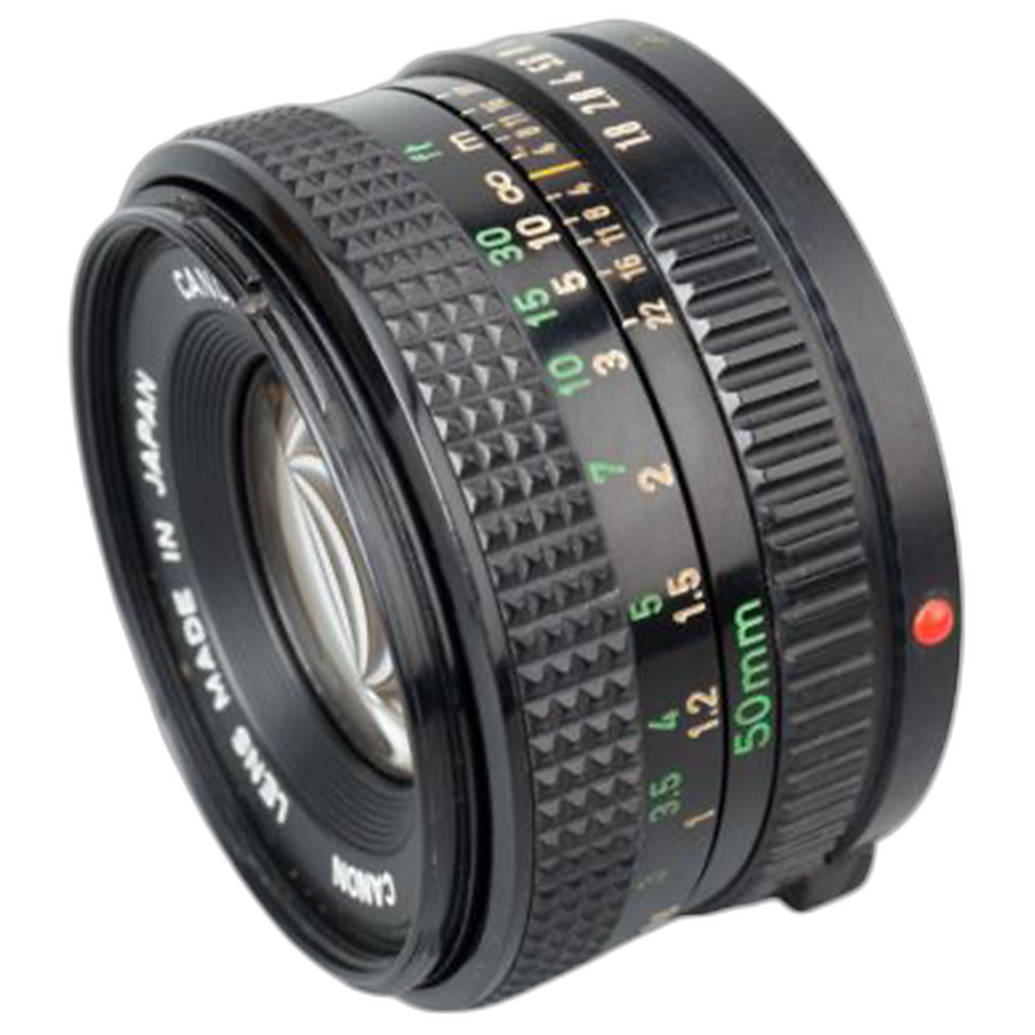
A 24-105mm style zoom is often one of the best all-around solutions because it lets you test multiple visual approaches without changing lenses. If your work leans toward wide, immersive storytelling, a 12-24mm lens can create a strong sense of place and scale. Photographers who prefer classic rendering may also enjoy working with a standard prime. A lens like the Used Canon FD 50mm f/1.8 can be an affordable way to explore clean composition, shallow depth of field, and a timeless normal perspective.
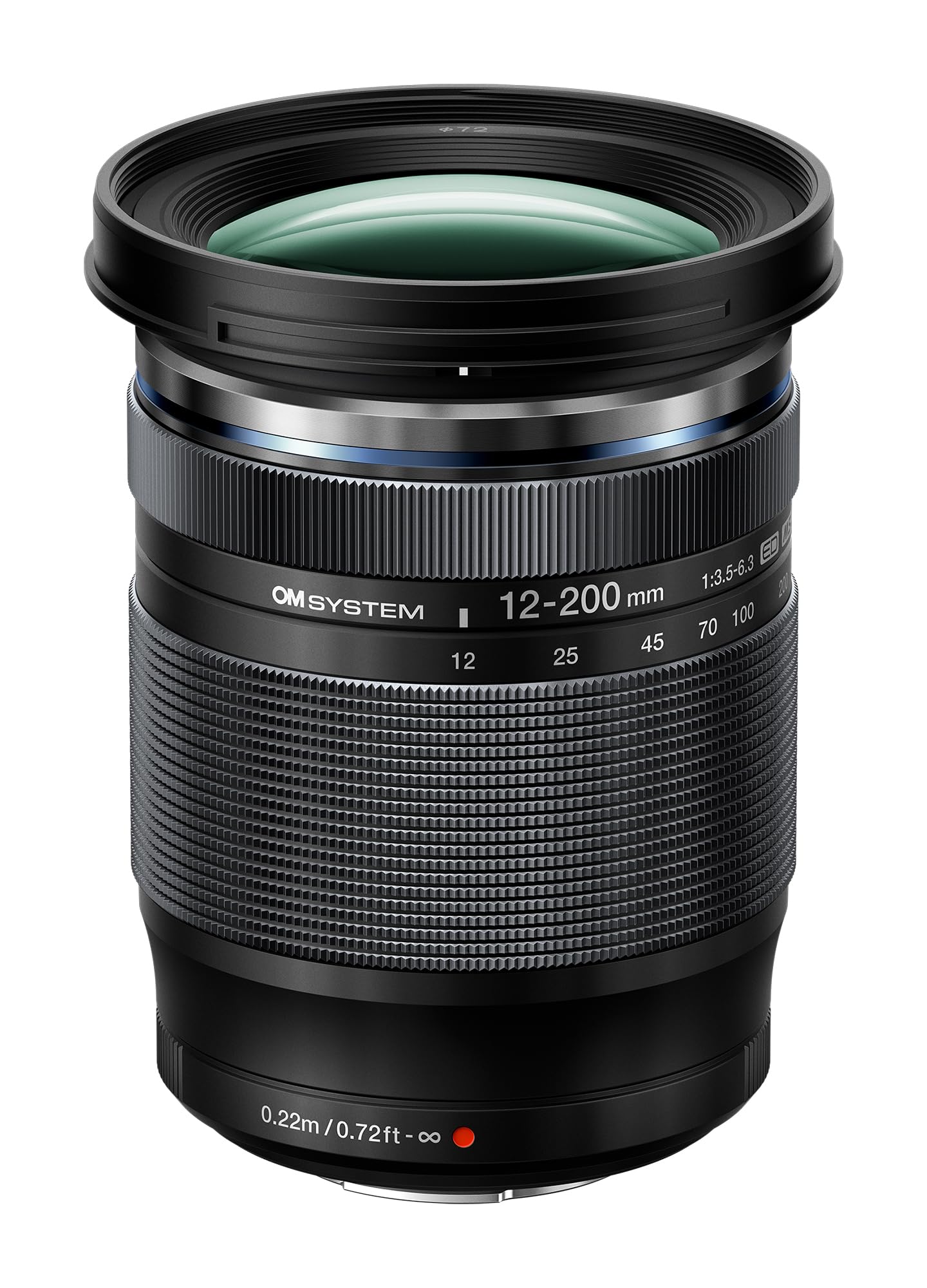
For photographers who want one lens that covers nearly every common contest subject while traveling light, the OM SYSTEM M.Zuiko Digital ED 12-200mm f/3.5-6.3 Lens offers exceptional flexibility. That broad zoom range can be especially helpful when you are shooting unpredictable subjects or building a contest set from a single outing.
Do judges care about camera brand or sensor size?
In most contests, no. Judges usually evaluate the final image, not the badge on the camera. Unless metadata is visible or a competition specifically centers on a format or brand-specific category, brand recognition is not what earns a strong score. Sensor size can influence depth of field, dynamic range, and noise performance, but those differences matter only insofar as they support the finished photograph.
A compelling image from Micro Four Thirds, APS-C, full-frame, medium format, film, or even adapted vintage gear can be competitive if it is executed well. The better question is whether your system helps you reliably make the kind of images you want. Comfortable handling, lenses that fit your style, and dependable files are more important than logo prestige. Unique Photo carries new and used options for photographers who want to experiment with different looks, including film and vintage glass for more distinctive rendering.
Can specialty or manual-focus lenses help your work stand out?
Absolutely. Contest images often benefit from a deliberate visual character, and specialty lenses can contribute something memorable. A manual-focus lens encourages slower, more intentional composition. A distinctive wide-angle prime can add dimensionality, dramatic foreground emphasis, and a signature look that separates your work from more generic files.
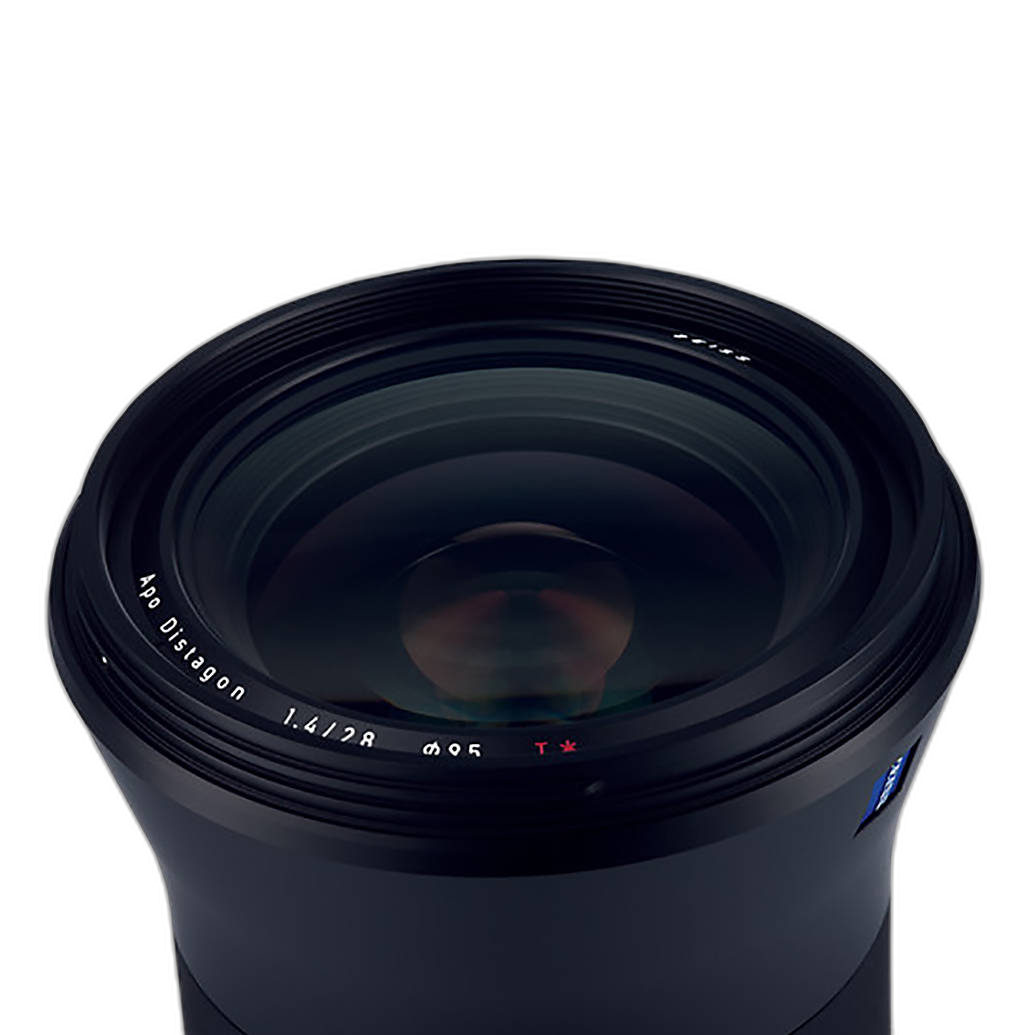
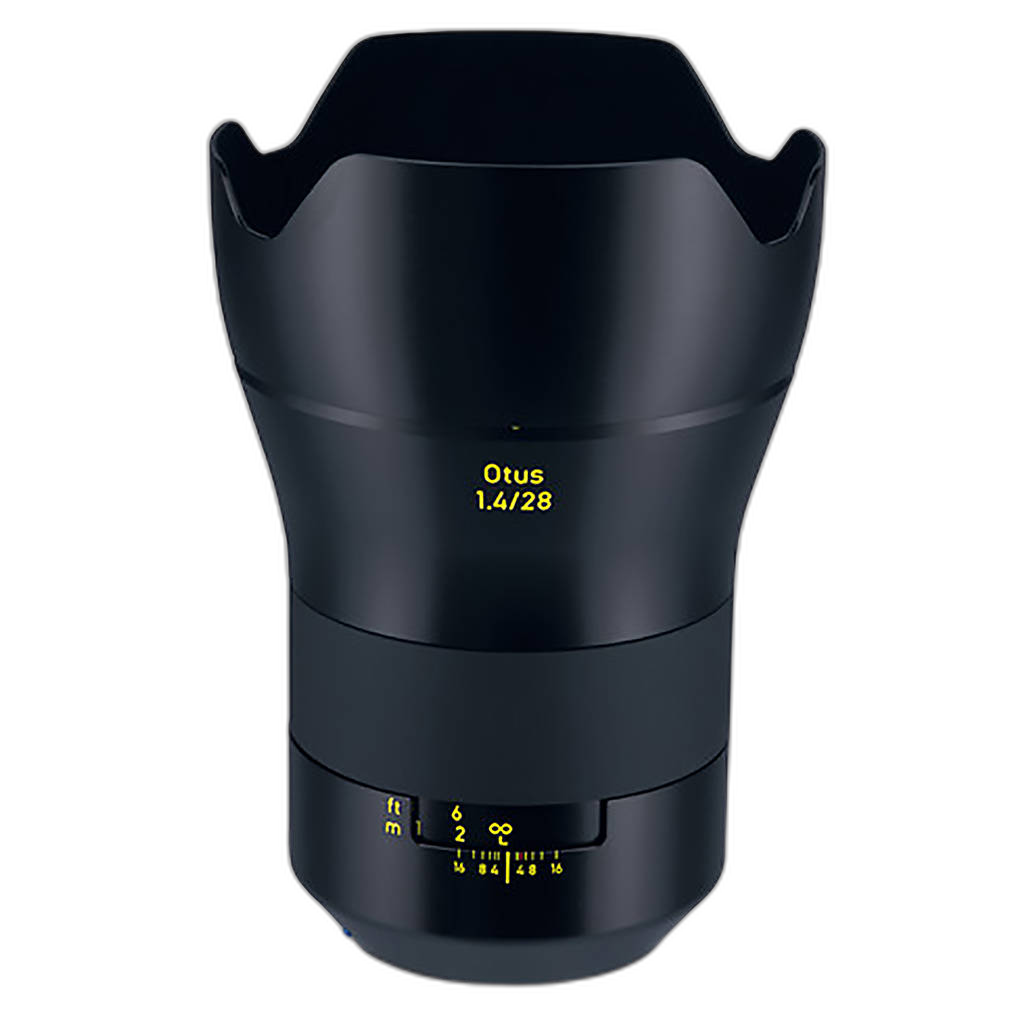
For photographers chasing maximum optical performance and a highly refined rendering style, the Zeiss 28mm f/1.4 OTUS Manual Focus Lens for Nikon ZF.2 is the kind of lens that rewards careful technique. It is especially compelling for environmental portraiture, landscape work, and scenes where corner-to-corner detail and tonal depth matter.
That said, specialty gear only helps when it matches your vision. Judges respond to intentional choices, not novelty for its own sake.
How much post-processing is usually acceptable in photography contests?
The answer depends entirely on the rules of the specific contest. Many general photography competitions allow standard adjustments such as exposure correction, white balance refinement, contrast control, sharpening, noise reduction, cropping, and moderate retouching. More restrictive contests—especially in photojournalism, nature, or documentary categories—may prohibit significant compositing, object removal, sky replacement, or heavy manipulation that changes the factual content of the scene.
Our recommendation is to process with restraint unless the contest clearly welcomes creative editing. Strong contest post-processing should enhance the image, not distract from it. Watch for oversaturated color, excessive clarity, halos around high-contrast edges, crushed shadows, and unnatural skin tones. If an edit is obvious before the subject is, it is probably too much.
Always read the rules carefully, keep your original files, and maintain an edit history when possible. Some competitions request RAW files or layered files if an image reaches later judging rounds.
Is an all-purpose zoom better than a bag full of primes for contest work?
For many photographers, yes. An all-purpose zoom can be the most practical way to create a diverse, high-quality contest portfolio, especially if you shoot travel, events, street, or documentary subjects. The flexibility to move quickly between wide, normal, and short telephoto perspectives can help you capture fleeting moments and refine framing in real time.
The Sony FE 24-105mm f/4 G OSS Lens is one of the strongest examples of this approach because it balances range, image quality, and convenience. It is ideal for photographers who want one dependable lens for multiple contest categories. Likewise, the OM SYSTEM 12-200mm is excellent for creators who value reach and portability in a single package.
Primes still have a place. They can offer wider apertures, lower-light performance, and a more disciplined shooting style. If your strongest work consistently comes from one focal length, leaning into that specialty can be an advantage.
Should you use vintage or film gear for contests?
You can, and in the right category it may even help your work feel more distinctive. Film and vintage lenses can produce rendering characteristics that are difficult to replicate exactly, including gentler contrast, unique flare, and a more classic tonal response. Those qualities can support portrait, fine art, and nostalgic documentary projects when used intentionally.
For photographers interested in a different creative process, used equipment can be a smart entry point. Unique Photo regularly offers used lenses and film cameras that allow you to explore alternative looks without committing to a fully new system. Options like the Used Canon FD 50mm f/1.8 Lens or a compact used film camera can bring a more personal visual language to the work, provided the final image meets the contest's technical requirements.
What matters most when preparing an image for judging?
Before you submit, evaluate the image the way a judge might. Is the subject immediately clear? Does the composition guide the eye effectively? Are highlights controlled and shadows purposeful? Is sharpness where it needs to be? If the contest involves prints, soft proofing and print quality become critical. If it is digital-only, make sure the file matches the required dimensions, color space, and compression standards.
It also helps to compare your final image at full size and at thumbnail size. Great contest images often read well both ways: they grab attention quickly, then reward a closer look. Gear can support that result, but editing discipline and thoughtful curation are what turn a good frame into a competitive submission.
Whether you are refining a contest portfolio, upgrading to a sharper lens, or exploring creative used gear, Unique Photo can help you choose the right tools for your style and submission goals. Shop online or visit Unique Photo to find lenses and accessories that help your images look their absolute best when it matters most.