Introduction
Entering a photography contest can be exciting, but many otherwise strong submissions get rejected for reasons that have little to do with creativity. Legal usage issues, missed rule details, excessive editing, incorrect file prep, and weak captioning can all affect eligibility. While these products are not contest-rule manuals, they each help photographers strengthen a different part of the entry process. In this comparison, we look at educational resources from Unique Photo and Rocky Nook that can help photographers avoid common contest pitfalls through better technical execution, stronger workflow habits, clearer storytelling, and more professional decision-making.
Side-by-Side Comparison
| Product | Type | Best For | Main Contest-Relevant Strength | Potential Limitation |
|---|---|---|---|---|
| Photoshop for Photographers with Adobe Certified Instructor Blake Taylor | Class | Editors preparing compliant files | Helps avoid technical disqualification from poor retouching, sizing, export, and post-processing mistakes | Focused more on editing skills than contest law or release language |
| 50 Things Photographers Need to Know About Focus John Greengo | Book | Photographers improving image sharpness and capture discipline | Reduces the risk of submitting soft or technically weak images | Less focused on submission workflow and legal interpretation |
| Marco Polo: A Photographers Journey by Michael Yamashita (Signed) | Book | Photographers refining storytelling and project cohesion | Useful for contests judged on narrative strength and body-of-work consistency | Not a technical or rule-specific guide |
| UUOnline (Free): Photographers and Relationships with Mike Grippi | Online class | Portrait and people photographers | Encourages stronger photographer-subject relationships, which can support consent awareness and ethical image-making | Indirect connection to contest technical requirements |
| Sony Inspirational Panel Discussion with Gene Szucs and the Pros | Panel discussion | Photographers seeking industry perspective | Provides professional insight into standards, presentation, and competitive thinking | Broader inspiration rather than step-by-step contest prep |
| PCS: Video for Photographers with Shiv Verma (Lumix) | Class | Hybrid creators entering multimedia categories | Helpful when contests include video or motion storytelling requirements | Less relevant for still-only contests |
| NJCS: Transitions to Video for Still Photographers with Tony Gale (Sony) | Class | Still photographers expanding into video contests | Helps avoid beginner mistakes when entering multimedia competitions | Not aimed at still-image rule compliance |
| Filmmaking Essentials for Photographers by Eduardo Angel | Book | Photographers learning narrative motion basics | Useful for contests with short film, BTS, or multimedia storytelling categories | Only partially relevant to standard photo contests |
Best Resources by Contest Pitfall
1. Avoiding Technical Disqualification
One of the most common contest problems is submitting files that are over-processed, improperly resized, poorly sharpened, or exported in the wrong format. For that reason, Photoshop for Photographers with Adobe Certified Instructor Blake Taylor stands out as the most directly useful option in this group. Contest judges may never even see a great image if it fails upload specs or looks obviously over-edited. A stronger Photoshop workflow helps photographers prepare cleaner, more compliant entries.

If your biggest concern is making sure your files look polished without crossing the line into distracting manipulation, this is the strongest head-to-head choice.
2. Avoiding Soft Images and Capture Mistakes
Even when a contest allows a wide range of editing, few judges forgive poor focus. 50 Things Photographers Need to Know About Focus John Greengo addresses a foundational issue that can sink an otherwise compelling entry. Whether the contest is for wildlife, portraiture, sports, or fine art, technical sharpness where it matters often determines whether an image survives early rounds of review.
Compared with editing-focused instruction, this book helps photographers solve the problem earlier in the process: at capture. That makes it especially valuable for entrants who already know the rules but need stronger consistency in their files.
3. Avoiding Weak Storytelling in Juried Competitions
Some contests are won not just on technical precision, but on visual voice, sequence, and narrative depth. Marco Polo: A Photographers Journey by Michael Yamashita (Signed) is the strongest pick here for photographers who want to think beyond single-image impact. In travel, documentary, and editorial-style competitions, judges often respond to images that communicate context and intent clearly.
This is not a rules guide, but it can help photographers avoid another common pitfall: submitting images that are technically fine yet forgettable.
4. Avoiding Ethical and Relationship-Based Missteps
Contests involving portraits, documentary work, or intimate access can raise questions around consent, trust, and how a subject is represented. UUOnline (Free): Photographers and Relationships with Mike Grippi is especially relevant for photographers working with people. While it does not replace reading contest terms about model releases or rights usage, it supports stronger habits around communication and respect.
That makes it a smart complementary resource for entrants who want to reduce the chances of ethical issues undermining an otherwise excellent submission.
5. Avoiding Poor Strategic Positioning
Sometimes the pitfall is not the file itself, but misunderstanding what resonates in competitive environments. Sony Inspirational Panel Discussion with Gene Szucs and the Pros brings broader professional perspective that can help photographers think more critically about presentation, standards, and how work is perceived.
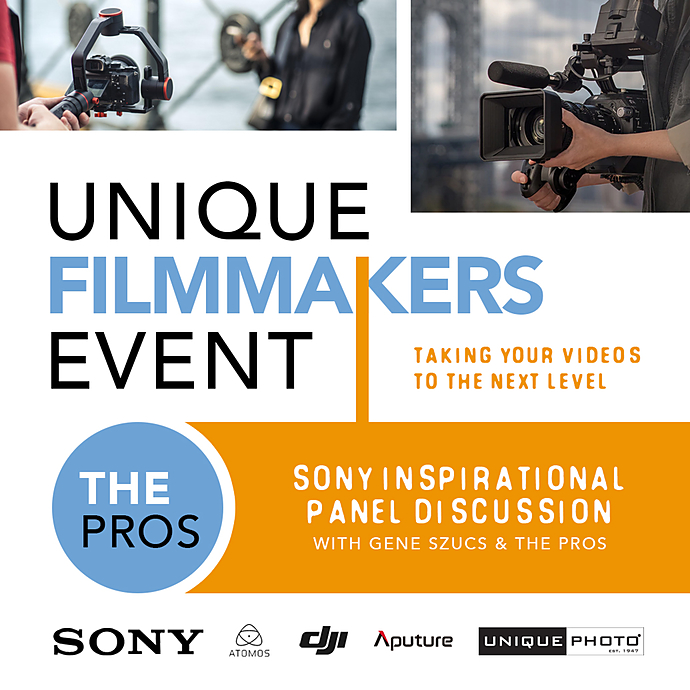
Compared with the more skill-specific options here, this panel is broader and less tactical, but it may help photographers avoid entering work that is not yet refined or category-appropriate.
6. Avoiding Mistakes in Multimedia or Video Categories
If the contest includes hybrid storytelling, reels, short films, or video submissions, the two most relevant class options are PCS: Video for Photographers with Shiv Verma (Lumix) and NJCS: Transitions to Video for Still Photographers with Tony Gale (Sony). Both help still photographers adapt to the very different pacing, capture, and editing needs of motion work.

The Shiv Verma class feels especially useful for photographers exploring video from a creative angle, while the Tony Gale option is a strong fit for still shooters making a practical transition into motion. For contest entrants, either can help prevent a common mistake: treating video like a moving photograph rather than a separate storytelling discipline.
7. Building Broader Motion Storytelling Knowledge
Filmmaking Essentials for Photographers by Eduardo Angel supports the same general area as the two video classes, but in book form. It is a good choice for photographers who prefer self-paced learning and want a reference they can revisit while preparing for multimedia categories.
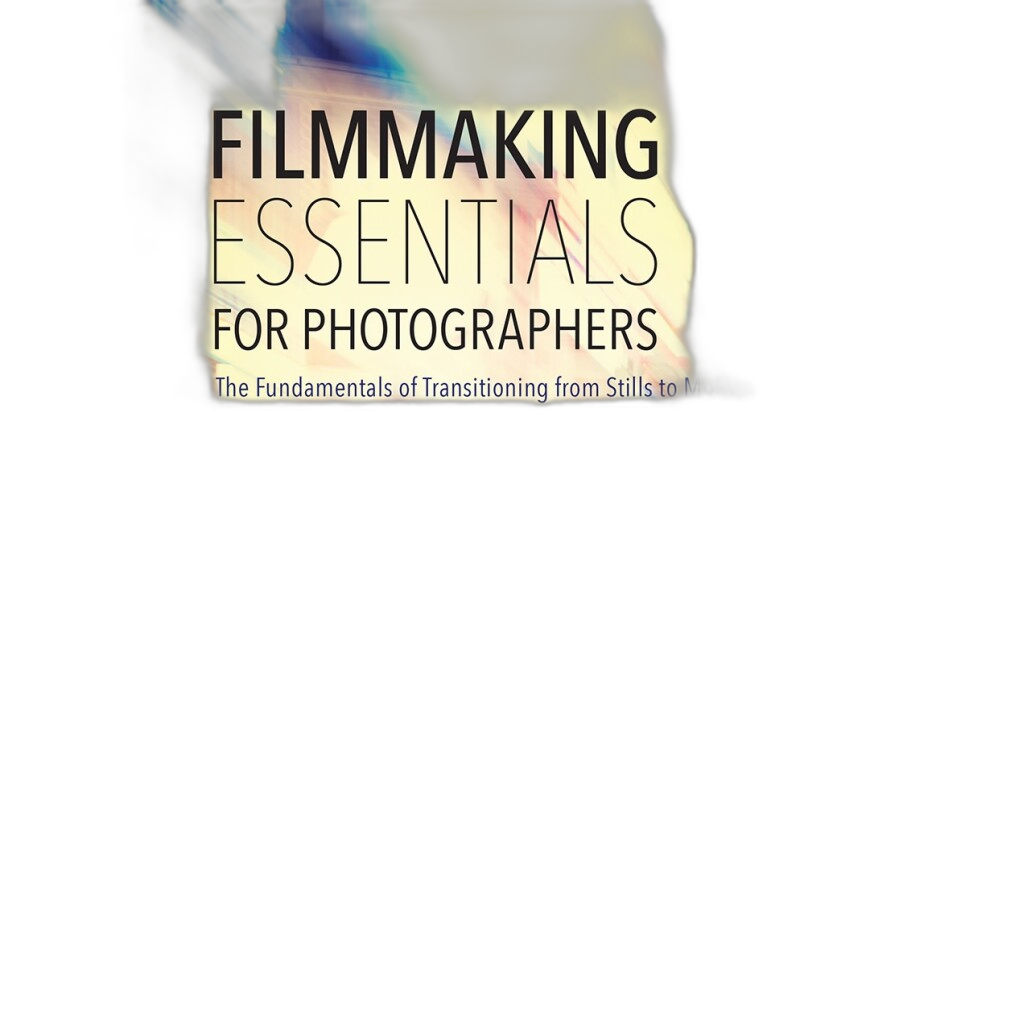
It is less immediately contest-specific than an editing or focus resource, but valuable when your eligibility depends on meeting motion-based technical and storytelling expectations.
Our Pick
Our Pick: Photoshop for Photographers with Adobe Certified Instructor Blake Taylor
If we are choosing one resource from this group for photographers trying to avoid contest-entry pitfalls, this is the clearest recommendation. Many contest issues happen in post: incorrect dimensions, heavy-handed retouching, export mistakes, color problems, and files that do not meet submission standards. This class most directly helps photographers produce contest-ready images that look professional without introducing avoidable technical problems.
For photographers who struggle more at capture than in editing, the John Greengo focus book is the best runner-up. For people-centered and documentary work, Mike Grippi’s class is an excellent supplement because legal and ethical awareness often begin with how subjects are treated long before a file is uploaded.
Conclusion
The biggest contest pitfall is assuming that good images alone are enough. In reality, eligibility often depends on technical preparation, ethical awareness, careful reading of rules, and presenting work in the right format for the category. Among these products, the most practical help comes from resources that strengthen editing discipline, capture accuracy, and storytelling clarity. If you are building a smarter contest workflow, Unique Photo offers a strong mix of classes, discussions, and books to help you enter with more confidence.