Contest Photography: What to Compare Before You Submit
Entering a photo contest is about more than making a strong image. Many submissions fall short because of avoidable issues: weak storytelling, over-editing, category mismatch, technical flaws, or a lack of polish in final presentation. To help photographers avoid those common pitfalls, this comparison looks at several learning resources from Unique Photo and Rocky Nook that each support a different part of the contest workflow.
Rather than comparing cameras or lenses, this head-to-head focuses on educational tools: field shooting classes, editing instruction, storytelling inspiration, and technical reference material. Depending on where your contest entries usually go wrong, one of these options may be a better fit than the others.
Side-by-Side Comparison
| Product | Type | Best For | Main Contest Pitfall Addressed | Format Strength |
|---|---|---|---|---|
| Macro and Landscape Photography at Duke Farms with Michael Downey | In-person class | Improving capture technique in nature and landscape work | Weak composition, poor field technique, lack of subject clarity | Hands-on shooting guidance |
| EXPO: Stories from the Road - Photography Across Worlds w. Matthew Borowick | Talk / presentation | Developing stronger narrative and visual intent | Images that feel technically fine but emotionally flat | Story-driven inspiration and perspective |
| Editing and Enhancing Landscape and Nature Photography with Photoshop | Editing class | Refining files for submission | Over-editing, under-editing, weak finishing | Post-production workflow guidance |
| Nikon D850 Guide to Digital SLR Photography by David Busch | Book | Mastering camera operation and technical control | Missed focus, exposure errors, menu confusion | Detailed camera-specific reference |
| Product Photography and Post Production Editing with Blake Taylor | Class | Controlled lighting and polished commercial-style output | Inconsistent lighting, poor presentation, weak finishing | Capture-to-edit discipline |
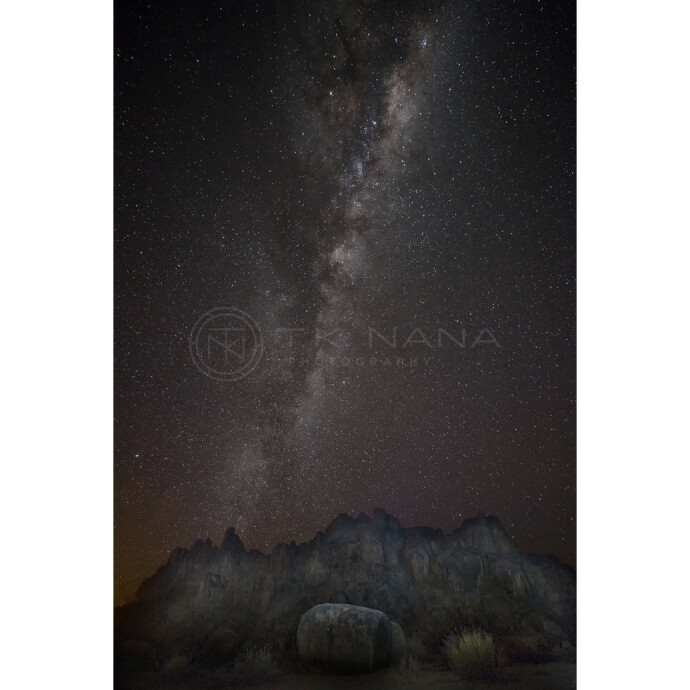
| UUOnline: Astrophotography 4-Part Series with Temu Nana | Online series | Long-form learning for challenging low-light subjects | Noise, blur, incorrect settings, incomplete technique | Structured multi-session instruction |
Which Contest Mistakes Are You Really Trying to Fix?
Contest photographers often assume they need better gear, when in many cases they need better process. The most common submission problems usually fall into four categories:
- Capture problems: poor focus, bad exposure, distracting framing, inconsistent light
- Concept problems: unclear subject, weak story, no emotional connection
- Editing problems: unnatural color, excessive sharpening, heavy-handed retouching
- Presentation problems: choosing the wrong category, submitting an image that is technically fine but not memorable
The resources below each help solve a different weakness, so the best choice depends on where your entries tend to stumble.
Best for Stronger Field Technique
Macro and Landscape Photography at Duke Farms with Michael Downey is the strongest comparison pick for photographers whose contest entries need better raw material straight out of the camera. If your images often feel cluttered, lack a clear focal point, or miss the best light, an in-person outdoor class can be more valuable than more editing software or more gear.
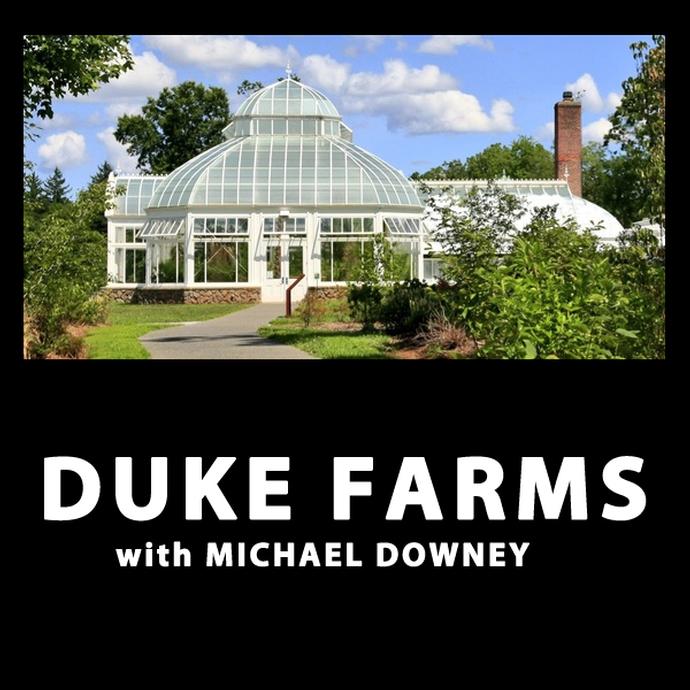
This option is especially relevant for nature, macro, and landscape contests where judges often respond to thoughtful composition, timing, and control of depth and perspective. It addresses the pitfall of trying to rescue weak captures in post.
Best for Storytelling and Contest Impact
EXPO: Stories from the Road - Photography Across Worlds w. Matthew Borowick stands out if your work is technically competent but not placing in contests. That usually signals a storytelling gap. Judges often remember images that communicate a sense of place, tension, humanity, or personal perspective, not just images that are sharp.

This makes it a smart comparison choice for documentary, travel, editorial, and fine art photographers who want to avoid the common pitfall of submitting images that look good but say very little. It is less about camera settings and more about building images with resonance.
Best for Avoiding Over-Editing
Editing and Enhancing Landscape and Nature Photography with Photoshop is arguably the most directly relevant option for contest prep. One of the easiest ways to lose credibility with judges is heavy-handed post-production. Crunchy sharpening, unnatural saturation, halos, and aggressive contrast are all common reasons strong captures get dismissed.
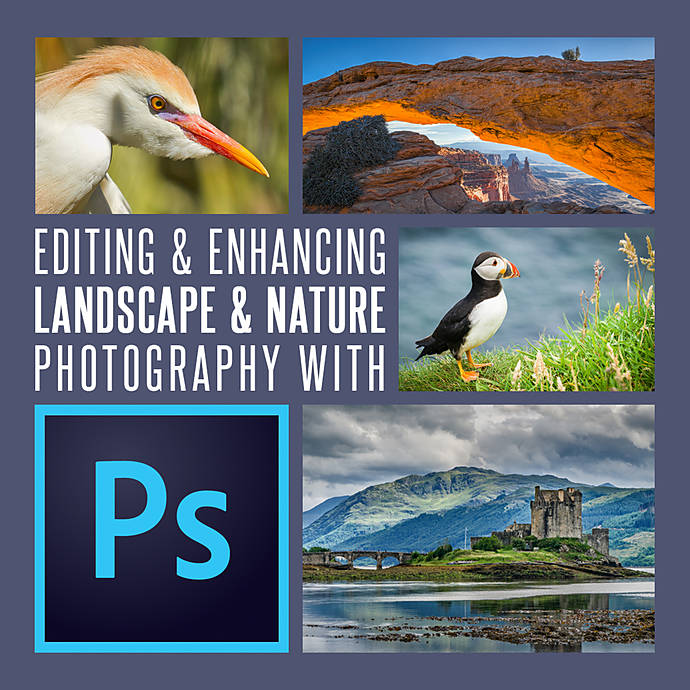
This class is best for photographers who already capture solid files but need a cleaner, more disciplined finishing process. For landscape and nature contest submissions in particular, subtle editing often wins over obvious editing. If your work tends to look a bit pushed, this resource directly addresses that pitfall.
Best for Technical Confidence
Nikon D850 Guide to Digital SLR Photography by David Busch is a narrower comparison pick, but for D850 users it can be very useful. Contest misses are sometimes caused by simple camera-operation issues: autofocus mode errors, metering misunderstandings, missed custom settings, or not getting the most from the file.
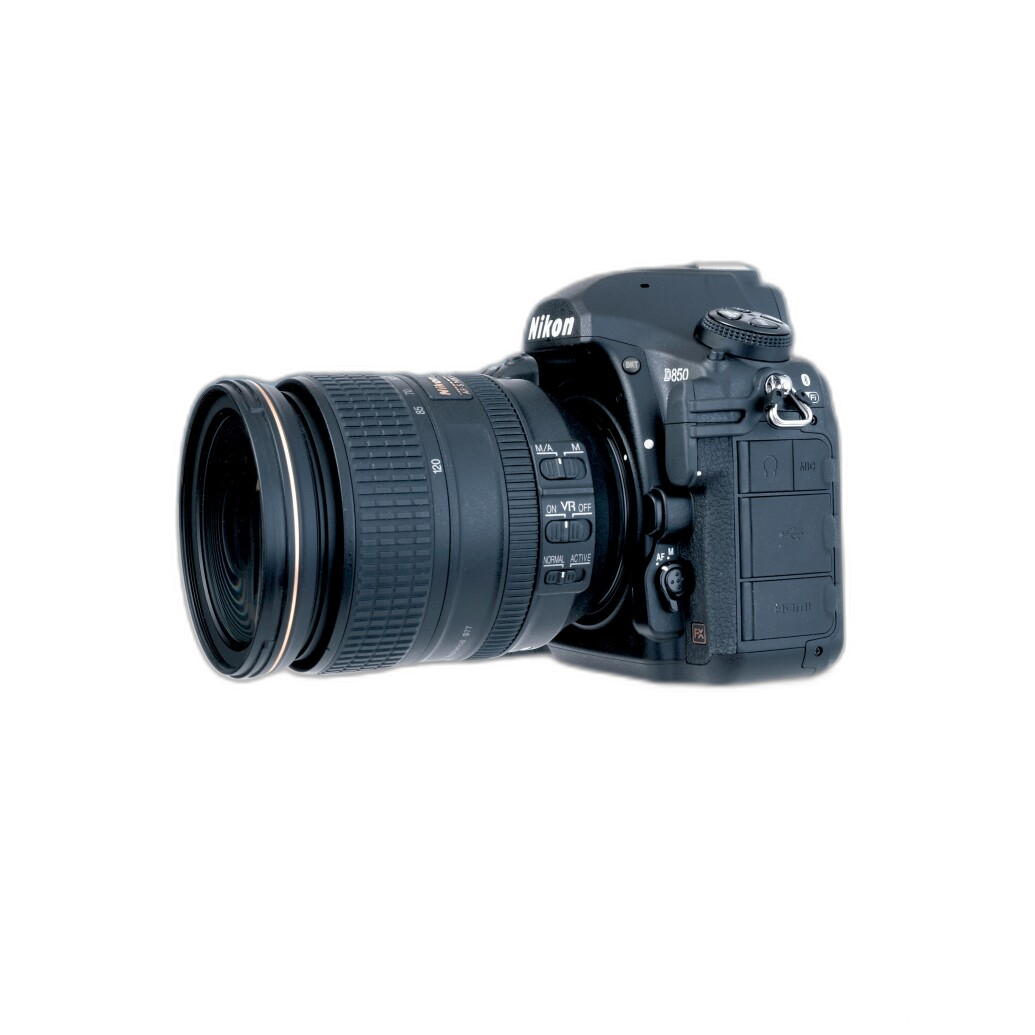
If your main issue is execution rather than artistic direction, a camera-specific guide can tighten up the technical side. It will not solve story or editing judgment on its own, but it can help eliminate avoidable mistakes before you even begin culling images for submission.
Best for Controlled Presentation and Polish
Product Photography and Post Production Editing with Blake Taylor is an interesting comparison choice for contest photographers who work in commercial, still life, or highly controlled genres. It also benefits any shooter who needs to improve lighting consistency and presentation discipline.

While it is not a broad contest-photography course, it addresses a common pitfall: images that feel unfinished or visually uneven. The capture-to-edit mindset can help create cleaner submissions, especially when detail, surface quality, and tonal consistency matter.
Best for Specialized Challenge Categories
UUOnline: Astrophotography 4-Part Series with Temu Nana is the strongest fit for photographers entering night sky or low-light competitions. Astrophotography is unforgiving, and contest-level images require more than a basic understanding of exposure.

Common pitfalls here include star trailing, focus misses, excessive noise, muddy foregrounds, and weak planning. A multi-part online format is especially helpful because it allows for a more complete understanding of settings, workflow, and refinement than a one-off introduction. If this is your contest category, this is the most targeted option in the comparison.
Our Pick
Our Pick: Editing and Enhancing Landscape and Nature Photography with Photoshop
If we had to choose one resource for the broad topic of Contest Photography: Avoiding Common Pitfalls, this is the most universally useful. Why? Because many contest entries fail in the final stretch. Even strong images can lose impact through poor editing decisions, while thoughtful post-production can elevate a solid capture without making it look artificial.
For photographers entering landscape, nature, and adjacent open-category contests, this class offers the most direct help with one of the biggest submission killers: over-processing. It is also valuable because editing is where photographers make final judgment calls about realism, mood, contrast, and detail—all things judges notice immediately.
Final Thoughts
The right comparison really depends on the mistake you want to eliminate. Choose field instruction if your images need stronger capture fundamentals, a storytelling presentation if your entries lack impact, a technical guide if you need more camera control, or a post-production class if your final files are what hold you back.
For photographers looking to improve their contest results through better shooting, smarter editing, and stronger creative decision-making, Unique Photo offers a range of classes, talks, and educational resources worth exploring.