Overview
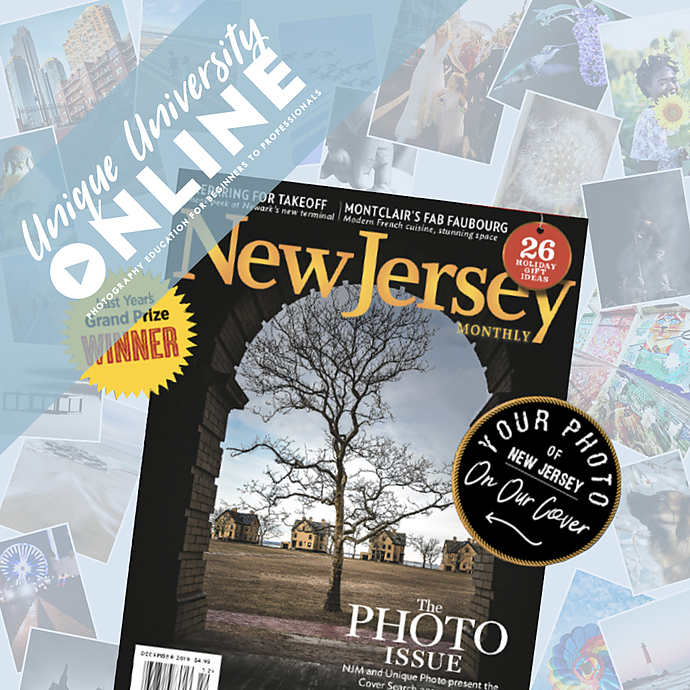
Entering photo competitions can accelerate your visibility, sharpen your craft, and even open doors to commissions—if you pick the right contests. In this review-style guide, we evaluate what separates a legitimate, career-building competition from a risky one, using the NJ Monthly 2020 Cover Search Contest (whose winners reveal was hosted with Unique Photo) as a benchmark for best practices.
Think of this as a buyer’s guide for contests: before you “purchase” an entry with your time, images, and sometimes fees, you should review the specs, warranty, and track record. Here’s what to look for.
Key Features That Signal Legitimacy
1) Transparent Governance and Clear Organizers
Legitimate contests put their name on the line. Look for recognizable publishers, galleries, schools, festivals, or retailers with physical addresses and staff contacts. A public-facing team, clear “About” page, and prior editions you can verify are table stakes. Benchmark: NJ Monthly x Unique Photo’s partnership was public, with a dedicated reveal event and documented winners.
2) Crystal-Clear Rules, Rights, and Usage
Read the terms like you would a lens warranty. Rights should be limited, non-exclusive, and tied to promoting the contest and winners—not a sweeping claim over all entries forever. Red flag: perpetual, worldwide, royalty-free commercial use of every submission. Green flag: specific, time-bound promotional use and explicit crediting.
3) Judging Criteria and Credible Jurors
Trustworthy competitions list their jurors and criteria—technical quality, storytelling, originality, relevance to the theme—so you know how work will be evaluated. Google the judges, confirm their credentials, and look for diversity of expertise. Anonymous or vague panels suggest low accountability.
4) Entry Fees and Real Value
Fees aren’t inherently bad; they can cover admin, juror honoraria, and exhibitions. But they should be proportionate to the value returned: reputable prizes, publication, portfolio reviews, or meaningful exposure. Look for student discounts or limited free entries. If there’s a fee, you should see a tangible benefit beyond “social media shout-outs.”
5) Prize Clarity and Deliverables
Legit contests publish prize tiers, approximate retail values, payment timelines, and how deliverables are fulfilled (e.g., publication date, exhibition location, gear sponsor specifics). Vague prize descriptions or shifting goalposts are warning signs.
6) Timeline, Communication, and Follow-Through
Reliable competitions offer a clear schedule: entry window, shortlist announcement, judging period, and winner reveal. They communicate delays and publish results on time, with a winners’ gallery you can revisit later. The NJ Monthly winners reveal served as a public timestamp and celebration—exactly what you want to see.
7) Public Archive of Past Winners
A robust archive shows the contest stands behind its selections and provides discoverability for photographers. You should be able to review previous winners, understand the aesthetic, and gauge your fit before submitting.
8) Data Privacy and Submission Process
Look for reputable submission platforms or secure first-party portals. Files should be requested at reasonable sizes for judging, with high-res only upon shortlisting. The site should have a privacy policy and avoid unnecessary personal data collection.
9) Community Impact and Educational Support
Top-tier competitions often pair with workshops, critiques, or talks. This signals investment in the community rather than a pure cash-grab. Partnerships with known photo retailers, schools, or media outlets are a positive indicator when they’re transparent and active.
Pros and Cons
- Pros: Clear terms protect your IP; credible jurors increase fairness; defined prizes and archives deliver real career value; strong partners enhance exposure and logistics.
- Cons: Entry fees can add up; competitive fields mean long odds; vague themes can dilute curation; rights language still requires careful reading even in reputable contests.
Red Flags Checklist
- Demands perpetual, commercial rights to all submissions.
- No named organizers or jurors; no past winners’ archive.
- Excessive fees with minimal or unverifiable prizes.
- Pushy upsells (pay-to-win features, add-on “exposure packages”).
- Unsecured submission portals or unclear privacy policy.
- Shifting deadlines and radio silence after you enter.
Who Is This For?
Photographers seeking credible publication, portfolio validation, and networking opportunities; educators guiding students to safe opportunities; and professionals weighing ROI on entry fees and time.
Verdict and Recommendation
Legitimate competitions are transparent about who they are, how they judge, what you can win, and how your images will be used—then they publicly celebrate winners on a reliable timeline. The NJ Monthly 2020 Cover Search Contest winners reveal, hosted with Unique Photo, illustrates these best practices: clear partners, real-world recognition, and accessible documentation.
Recommendation: Before you submit, run each contest through the feature checklist above. Prioritize contests with named jurors, explicit rights, verifiable archives, and meaningful prizes. When you’re ready to create and submit your best work, equip yourself at Unique Photo—your trusted retailer for cameras, lenses, lighting, and tethering tools—and keep an eye on Unique Photo’s community partnerships for reputable opportunities aligned with learning and growth.
Where to buy: Shop the gear you need for competition-ready shoots—and discover education and events—at Unique Photo.