Choosing Lenses for Video: Cine vs. Photo Lenses?
If you're building a video kit, one of the biggest decisions is whether to shoot with dedicated cine lenses or standard photo lenses. Both can produce excellent results, but they are designed with very different priorities in mind. Photo lenses are typically optimized for stills performance, fast autofocus, lighter weight, and portability. Cine lenses are built for controlled manual operation, repeatable focus pulls, consistent exposure behavior, and professional production workflows.
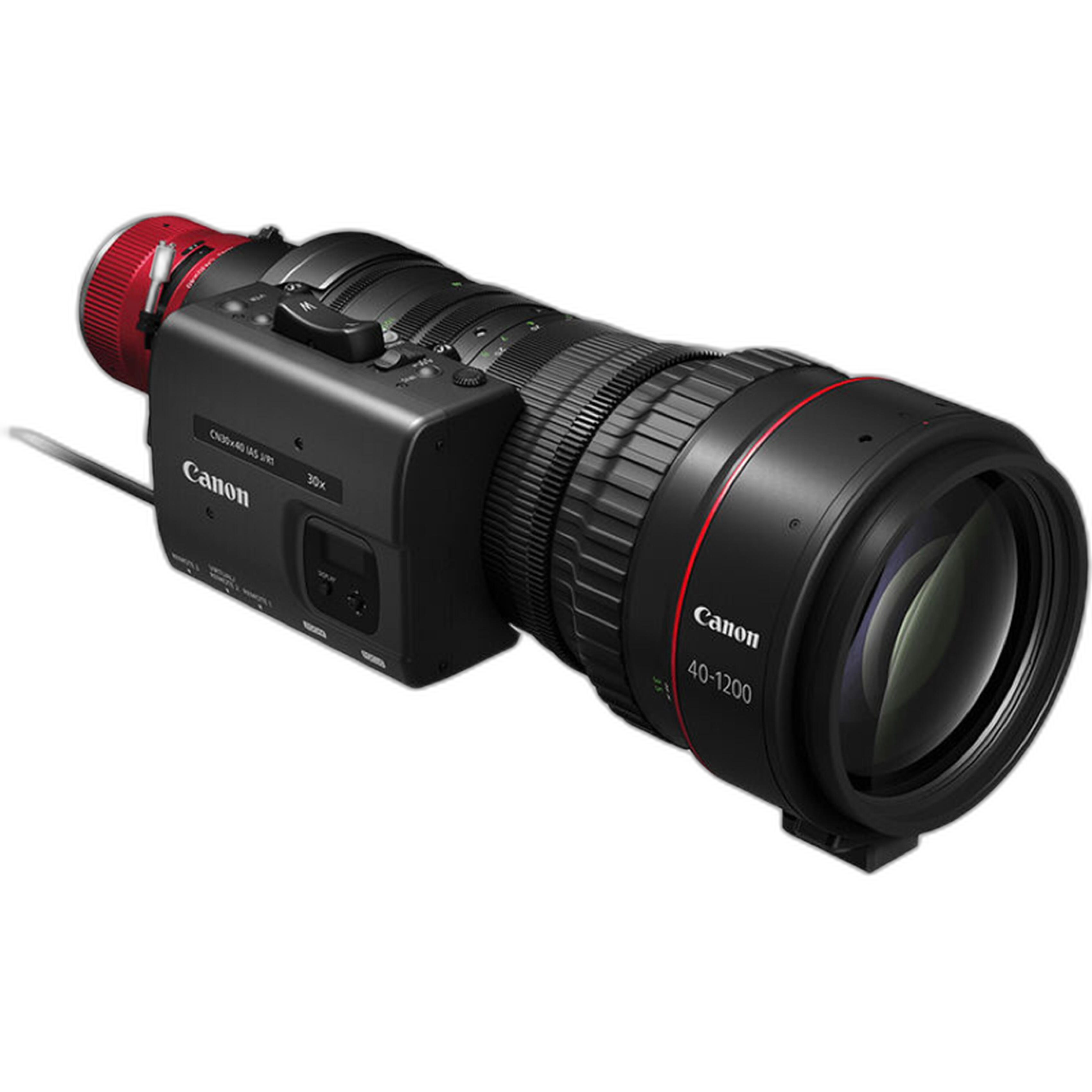
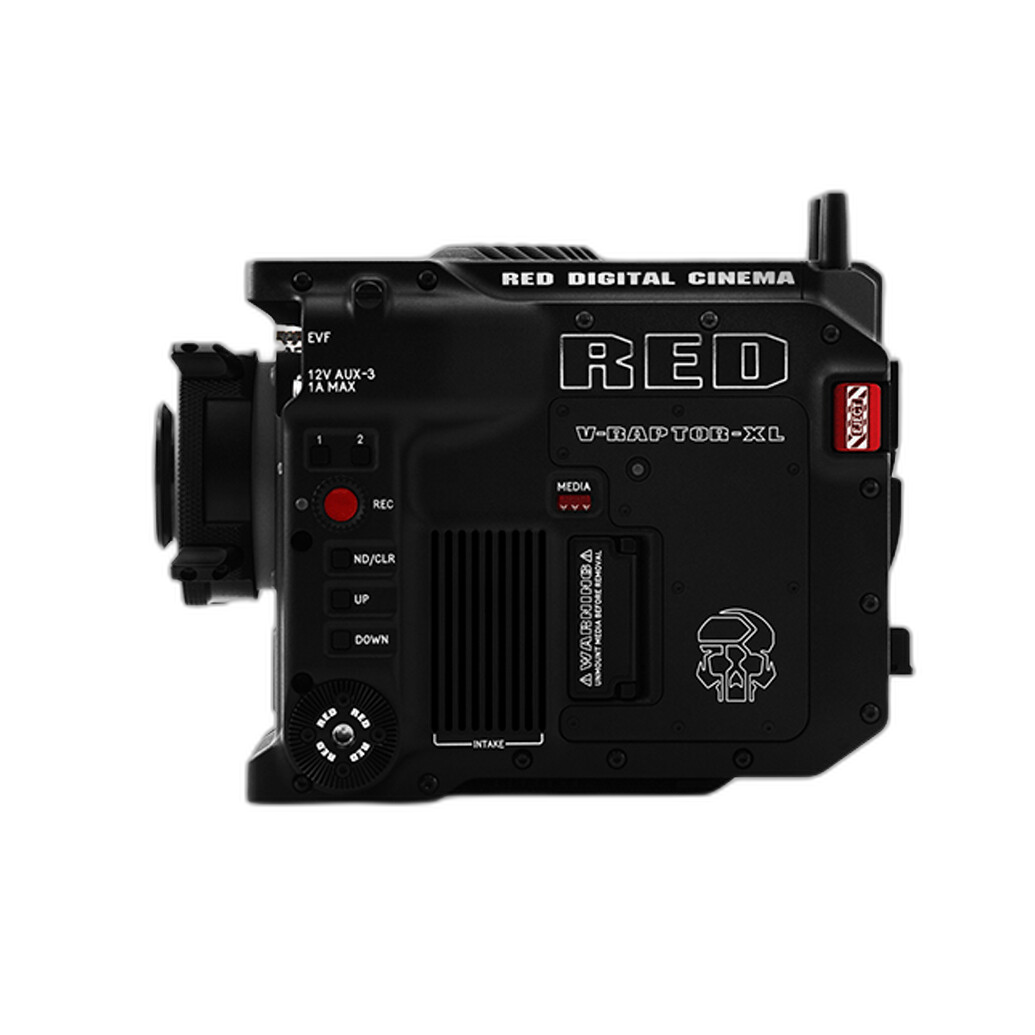
For this comparison, we're using several Canon cinema lens options available at Unique Photo as real-world examples of what separates true cine glass from more general-purpose still photography optics. These lenses represent the kinds of tools serious filmmakers pair with high-end cinema bodies like the RED V-RAPTOR XL.

Side-by-Side Comparison
| Lens / Type | Mount | Focal Range | Aperture Rating | Servo Support | Best For |
|---|---|---|---|---|---|
| Canon CINE-SERVO 11-55mm Compact-Servo Cine Zoom Lens | Canon RF | 11-55mm | Not specified here | Yes | Run-and-gun cinema, documentary, compact production rigs |
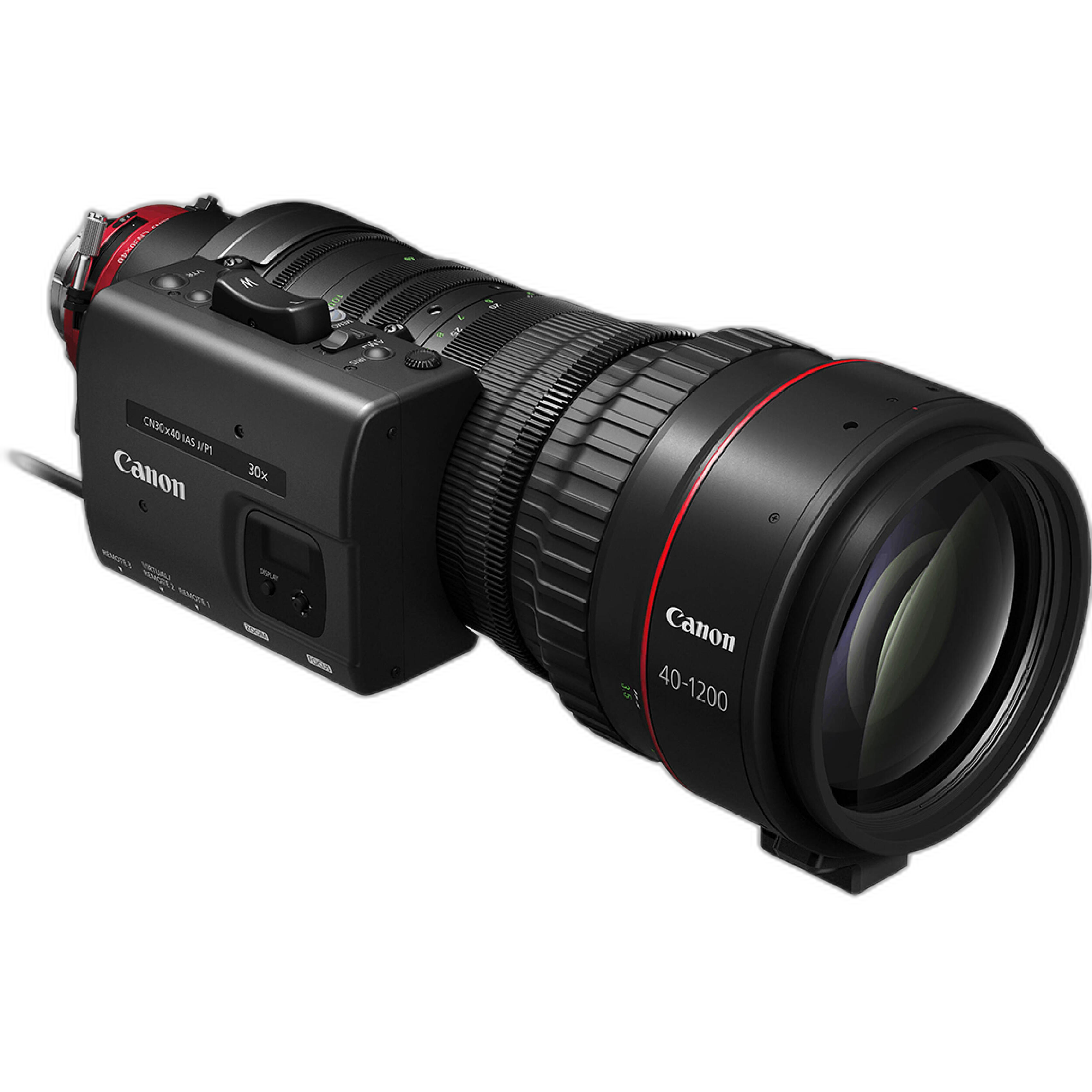
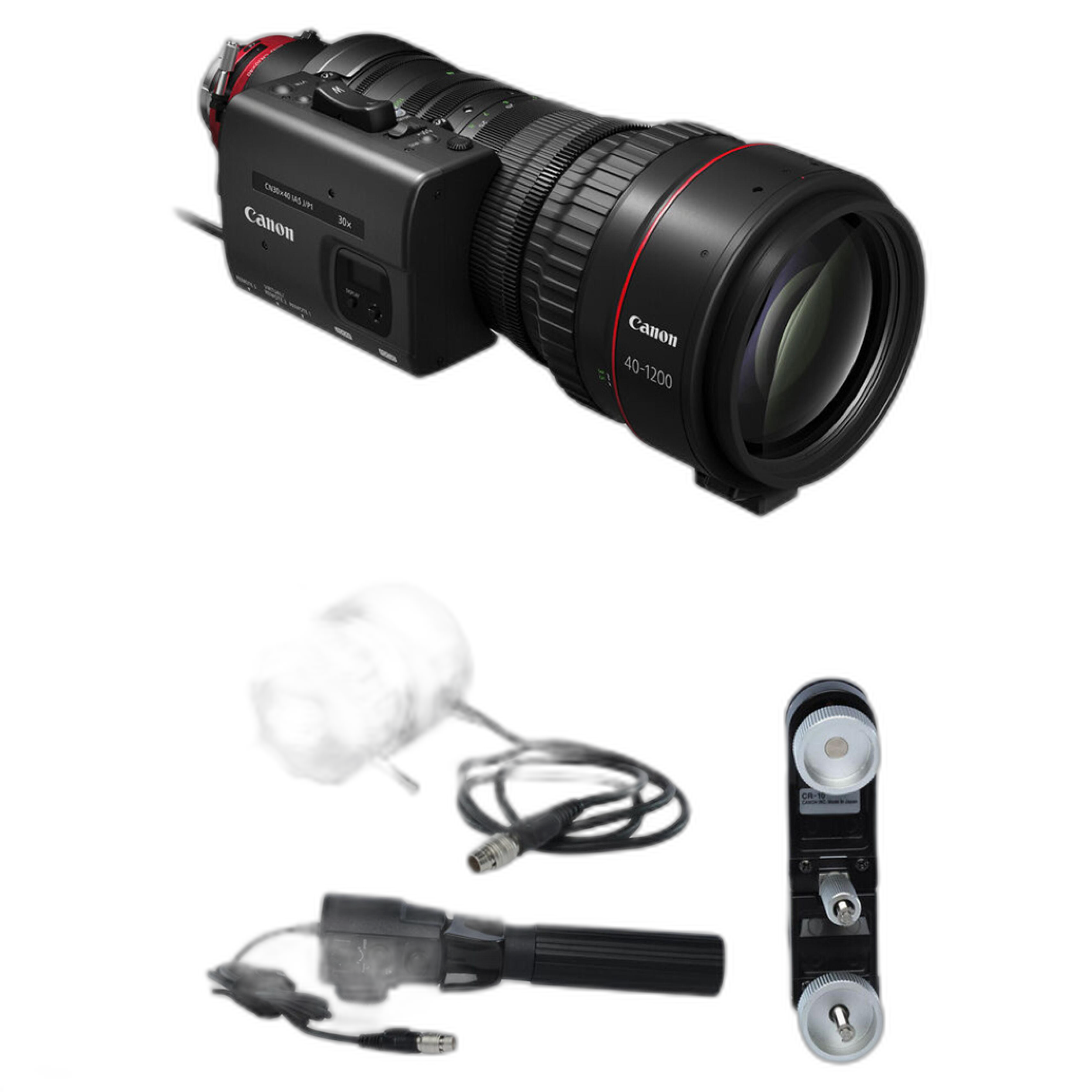
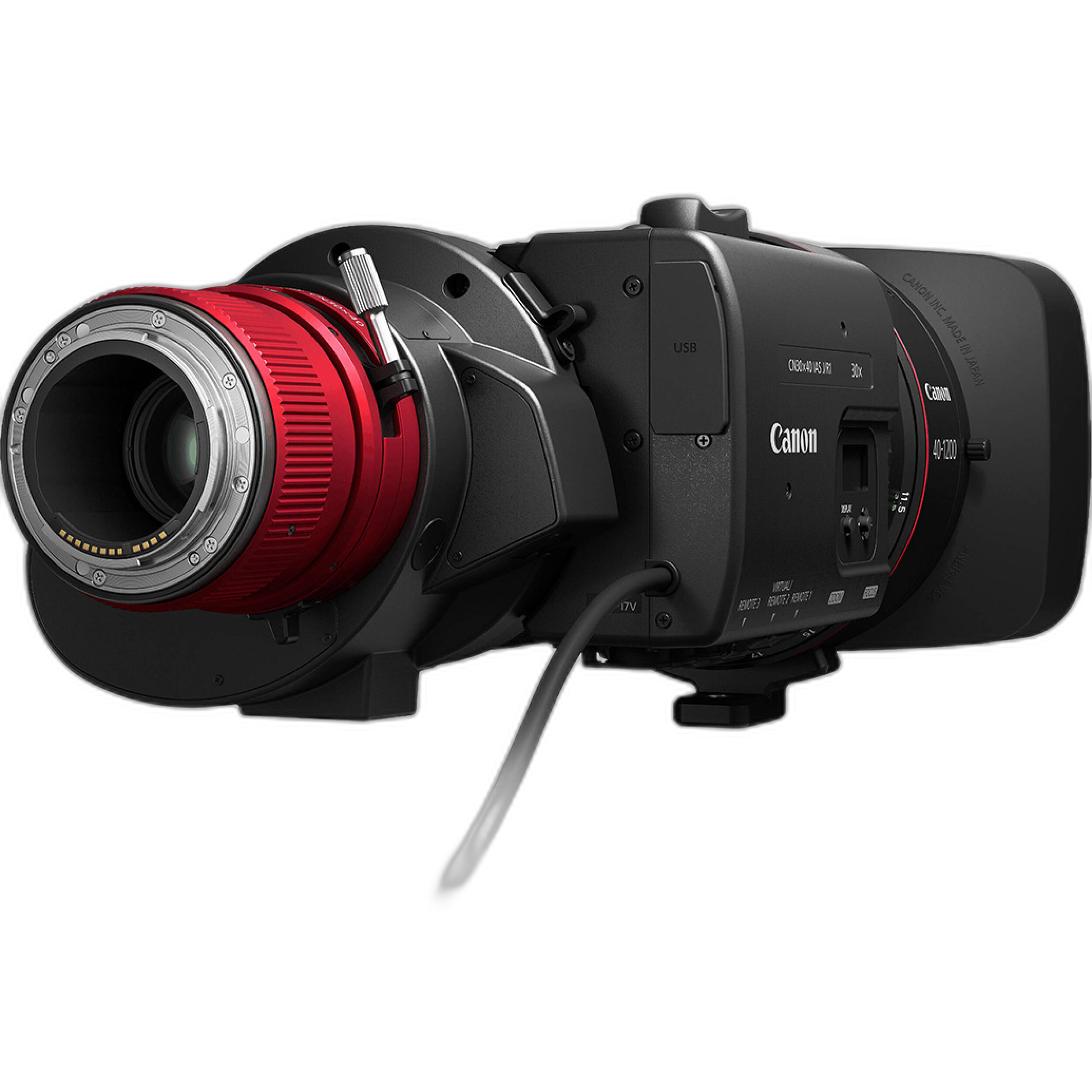
| Canon CINE-SERVO 40-1200mm Cinema Zoom Lens | Canon RF | 40-1200mm | T5.0-10.8 | Optional / bundled depending on kit | Broadcast, wildlife, live production, sports, long-lens cinematic work |
| Canon CINE-SERVO 40-1200mm Cinema Zoom Lens | ARRI PL | 40-1200mm | T5.0-10.8 | Optional / bundled depending on kit | High-end cinema productions using PL ecosystems |
| Typical Photo Lens | Varies | Varies | Usually marked in f-stops | Rare | Hybrid creators, stills-first users, budget-conscious video shooters |
What Really Separates Cine and Photo Lenses?
1. Manual Control and Focus Precision
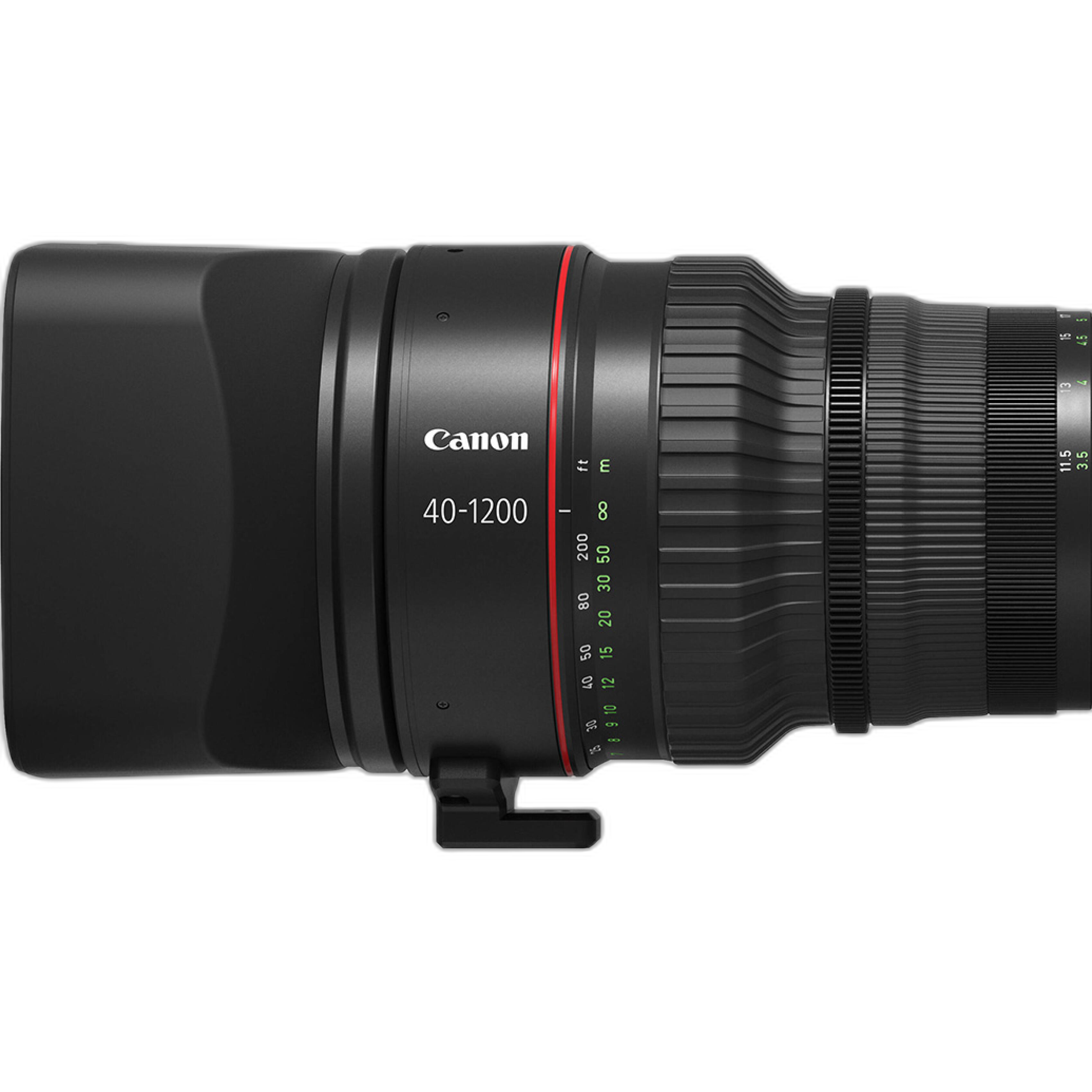
The biggest advantage of a cine lens is control. Cine lenses are designed for smooth, repeatable manual focus pulls with long focus throw and clearly marked scales. That matters when a focus puller needs to hit marks precisely, especially at shallow depth of field. Photo lenses, by contrast, often have shorter focus throw, lighter damping, and focus-by-wire designs that can feel less consistent for professional video work.
With lenses like the Canon CINE-SERVO 11-55mm and Canon CINE-SERVO 40-1200mm, the design is clearly centered around motion production. These lenses are built to integrate into real cinema workflows where repeatability matters more than convenience.
2. T-Stops vs. F-Stops
Photo lenses are normally rated in f-stops, which describe a theoretical aperture ratio. Cine lenses are usually rated in T-stops, which measure actual light transmission. For video crews matching shots across multiple lenses or lighting setups, T-stop consistency is a major advantage. It makes exposure more predictable and more reliable on set.
The Canon CINE-SERVO 40-1200mm models are rated at T5.0-10.8, which is exactly the type of spec filmmakers expect from cinema glass. That transmission-based rating becomes especially important in multicamera shoots and large productions.
3. Geared Design and Production Compatibility
Cine lenses are made to work with follow focus units, matte boxes, lens motors, and other accessories found on professional rigs. Standardized gear positions and larger, easier-to-read markings make them much more production-friendly. Many photo lenses can be adapted for cinema rigs, but they usually are not purpose-built for that environment.
The Canon CINE-SERVO lineup takes that even further with servo functionality, making these lenses especially attractive for live events, sports, documentary production, and broadcast environments where smooth powered zoom control is essential.
4. Breathing, Parfocal Performance, and Zoom Behavior
Cine shooters often care deeply about focus breathing and parfocal behavior. A good cine zoom is designed so that focus remains consistent while zooming, and image framing shifts are minimized when pulling focus. These details may not matter in still photography, but they can be distracting in motion work.
This is one reason dedicated cine zooms cost more: they are engineered for behavior during the shot, not just image quality in a single frame. A lens like the Canon CINE-SERVO 40-1200mm is a specialized tool for productions that need reliable optical performance throughout a zoom range that would be extraordinary in almost any context.
5. Size, Weight, and Practicality
Photo lenses usually win on portability. They're often smaller, lighter, less expensive, and easier to carry in compact kits. That makes them a smart choice for solo creators, wedding filmmakers, travel shooters, and hybrid users who need one lens to handle both stills and video.
Cine lenses, on the other hand, tend to be larger and heavier because they're built for durability, precise mechanics, and accessory compatibility. For high-end production, that's a worthwhile tradeoff. For one-person crews, it may be more lens than you actually need.
Canon CINE-SERVO Examples in Context
Canon CINE-SERVO 11-55mm Compact-Servo Cine Zoom Lens (RF)
If you want a more agile entry into professional cine zooms, the 11-55mm Compact-Servo is the kind of lens that makes a strong case for cine over photo glass. The focal range is practical, the compact-servo concept supports documentary and run-and-gun work, and the RF mount makes it especially interesting for modern Canon cinema ecosystems.
Canon CINE-SERVO 40-1200mm T5.0-10.8 Cinema Zoom Lens
This lens is firmly in the specialized cinema category. Available in RF and ARRI PL versions, and in configurations with or without the SS-41 Servo Kit, it is designed for productions that need extreme telephoto reach with cinema-grade operation. This is not a substitute for a typical photo zoom; it is a purpose-built professional production lens.
Pairing with a Cinema Camera Body
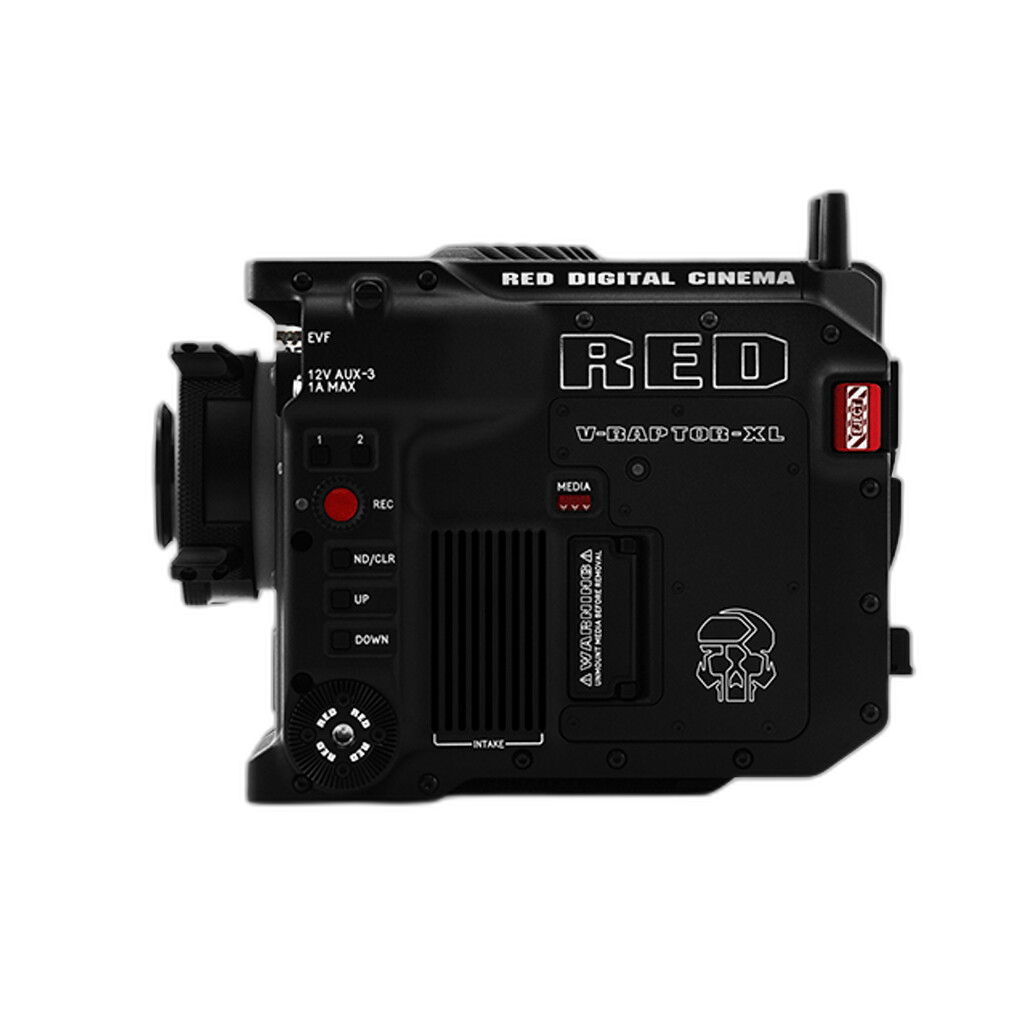
The advantages of cine glass become even more obvious when paired with a dedicated cinema camera body such as the RED V-RAPTOR XL 8K VV. On a camera built for full-scale production, cine lenses better match the workflow expectations: manual precision, accessory support, lens data considerations, and consistent on-set handling.
Our Pick
Best choice for most serious video creators: Canon CINE-SERVO 11-55mm Compact-Servo Cine Zoom Lens (Canon RF)
If you're deciding between cine and photo lenses for video, this is the most practical example of why cine glass can be worth it. It offers a production-friendly design, a useful focal range, and servo functionality without immediately jumping into the extreme size and specialization of a 40-1200mm broadcast-style lens. For filmmakers who want genuine cine handling benefits, this is the clearest recommendation.
Choose a photo lens instead if: you prioritize autofocus, lower cost, lighter travel kits, or hybrid photo/video use.
Choose a cine lens if: you need repeatable manual focus, geared controls, consistent exposure behavior, better rig integration, and optics designed around motion capture rather than still images.
Conclusion
So, cine vs. photo lenses for video? For casual video, content creation, and hybrid shooting, photo lenses still make a lot of sense. But for dedicated filmmaking, multicam production, controlled focus work, and professional rigging, cine lenses offer clear operational advantages that go far beyond image sharpness alone.
If you're ready to move into more serious video production tools, Unique Photo offers professional cinema lenses and camera systems to help you build the right setup for your workflow.