If you’re trying to decide whether a camcorder or a DSLR/mirrorless camera is the better fit for event videography, this guide is for you. Weddings, corporate events, live performances, school recitals, and community gatherings all demand reliable video tools—but the right choice depends on how you shoot, how long you record, how important audio is, and how much flexibility you need in low light and lens choice.
In general, camcorders shine when you need long recording times, easy operation, built-in zoom range, and dependable run-and-gun performance. DSLR and mirrorless cameras are often the better pick when you want cinematic image quality, shallow depth of field, strong low-light performance, and the flexibility to build out a more advanced video kit. Since the available products here focus on videography learning resources and accessories rather than camera bodies, this guide also recommends useful Unique Photo classes and an audio accessory to help you build the right event-video workflow.
Camcorder vs DSLR/Mirrorless: Quick Answer
| Feature | Camcorder | DSLR/Mirrorless |
|---|---|---|
| Ease of use | Excellent for beginners and live coverage | Moderate; more settings and accessories often required |
| Long continuous recording | Usually better | Varies by model; often more limitations |
| Built-in zoom lens | Usually included and very practical | Requires separate lenses |
| Low-light image quality | Good on higher-end models, but often less cinematic | Often stronger, especially with larger sensors |
| Shallow depth of field | More limited | Much easier to achieve |
| Audio options | Often practical and event-friendly | Excellent, but may need external accessories |
| Best for | Lectures, ceremonies, stage performances, uninterrupted coverage | Weddings, promos, highlight reels, cinematic event films |
Who Should Choose a Camcorder?
A camcorder is often the smarter choice if your priority is capturing the entire event with minimal fuss. If you cover conferences, dance recitals, graduations, houses of worship, or multi-hour stage events, a camcorder’s ergonomics, long zoom range, and continuous-recording-friendly design can be a major advantage.
Choose a camcorder if you want:
- Simple operation for fast-paced event coverage
- Extended record times with less overheating concern
- Smoother handheld work with video-first ergonomics
- Powerful built-in zoom without swapping lenses
- A dependable primary camera for documentary-style coverage
Who Should Choose DSLR or Mirrorless?
DSLR and mirrorless cameras are ideal for event videographers who care most about image quality, lens flexibility, and a polished cinematic look. Mirrorless in particular has become a top choice for weddings, branded content, and event highlight films thanks to strong autofocus, high-quality 4K options, and excellent performance in dim reception halls and indoor venues.
Choose DSLR or mirrorless if you want:
- Better low-light performance
- Interchangeable lenses for wide, portrait, and telephoto coverage
- Shallow depth of field and more creative visuals
- Hybrid photo/video capability for event shooters who do both
- A camera system you can expand with gimbals, mics, monitors, and lighting
What Matters Most for Event Videography?
Before you choose either system, focus on the practical realities of your shoots:
- Recording length: If you need to roll continuously through a ceremony or keynote, camcorders often have the edge.
- Lighting conditions: Dark receptions and live venues tend to favor larger-sensor mirrorless systems.
- Audio capture: Great event video depends on clean sound. External microphones and monitoring matter just as much as the camera body.
- Mobility: If you move constantly through crowds, a lightweight mirrorless kit can be easier to manage than a larger rig.
- Delivery style: If clients want a full documentary edit, camcorders make sense. If they want cinematic highlight films, mirrorless is often the better fit.
Our Pick
Our Pick: Start with mirrorless for creative event work, and prioritize audio and training.
For most modern event videographers—especially wedding shooters, social media content creators, and hybrid photo/video professionals—a mirrorless system is usually the most versatile long-term investment. It gives you stronger low-light performance, better lens options, and a more cinematic final look. But your results will improve even faster when you pair that camera choice with practical education and better sound capture.
Recommended Products and Learning Resources
Shure MV88+ SE215-CL Portable Videography Bundle
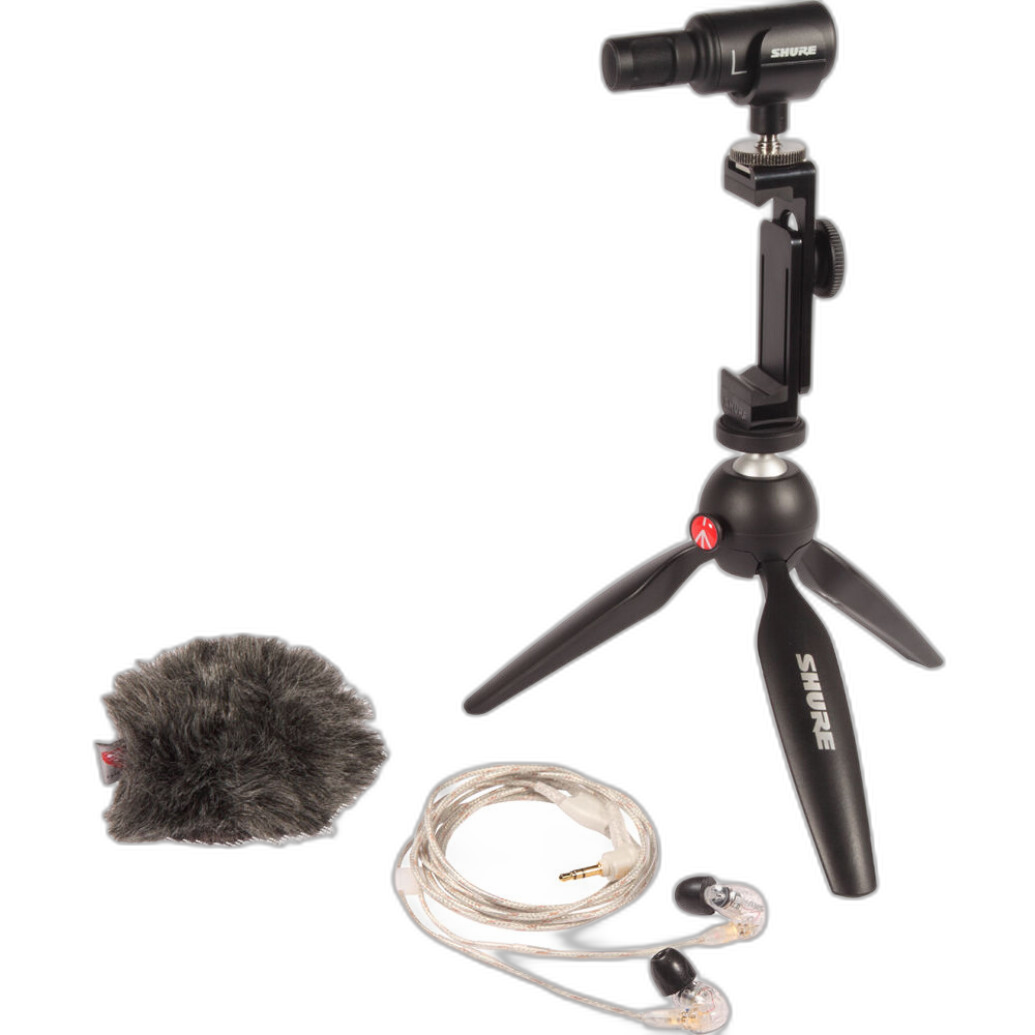
If you’re choosing DSLR or mirrorless for event videography, audio is one of the first upgrades you should make. The Shure MV88+ SE215-CL Portable Videography Bundle is a smart recommendation because event shooters often focus heavily on camera bodies while underestimating how much clean dialogue, ambient sound, and monitoring quality affect the final video.
This bundle is especially useful for:
- Beginner event videographers building their first complete kit
- Mirrorless users who need better sound than on-camera audio provides
- Content creators covering interviews, behind-the-scenes moments, and event recaps
- Travel-light shooters who want compact audio support
Best for: DSLR/mirrorless event kits, mobile setups, beginner-to-intermediate creators.
UUOnline (Sony Takeover): Videography Basics with Sony
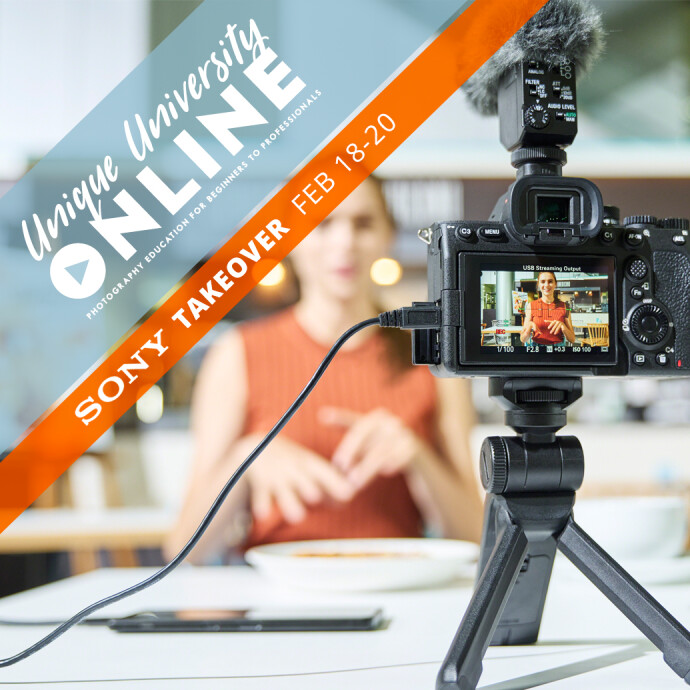
If you’re leaning toward mirrorless for event work, this online class is a strong place to start. A lot of buyers know they want better quality than a camcorder but aren’t yet comfortable with frame rates, autofocus modes, audio setup, lens selection, or stabilization. This course helps bridge that gap.
It’s particularly relevant for shooters considering Sony mirrorless bodies for weddings, events, and hybrid shooting. If you want to move from basic recording to more intentional storytelling, learning the fundamentals can save time and costly mistakes.
Best for: New mirrorless users, aspiring event videographers, Sony-curious creators.
*FREE RSVP* Videography Beginners Guide with Sony (Philly)
For shoppers still unsure whether a camcorder or mirrorless camera fits their workflow, a beginner-friendly class can be more valuable than guessing. This free RSVP event is ideal for anyone at the earliest stage of building an event video kit. It can help clarify what features matter most for your type of events and introduce the basics of video-focused camera operation.
Best for: First-time buyers, students, hobbyists moving into paid event work.
Seminar: How to Capture Great Festival and Event Photos with David Wells

Even though this seminar emphasizes event photography, it still has value for videographers because event coverage is built on many of the same instincts: timing, crowd awareness, subject anticipation, composition, and working efficiently in unpredictable environments. Event video shooters who also deliver stills—or want to improve their eye for moments—can benefit from this kind of training.
Best for: Hybrid shooters, event storytellers, beginners building core coverage skills.
Best Recommendation by Type of Buyer
| Buyer Type | Recommended Direction | Why |
|---|---|---|
| Wedding filmmaker | Mirrorless | Better low light, lens flexibility, cinematic results |
| Corporate seminar/documentation shooter | Camcorder | Reliable long-form recording and simple operation |
| Beginner entering event video | Mirrorless + training | More room to grow and strong hybrid value |
| Run-and-gun school/church/event coverage | Camcorder | Practical zoom, ergonomics, and easier all-day use |
| Social content/event recap creator | Mirrorless + external audio | Better image style and stronger production value |
Final Buying Advice
If your job is to capture long events with minimal setup and maximum reliability, a camcorder remains a highly practical choice. If your goal is to create polished, cinematic event films and you want the flexibility to grow your system over time, DSLR and especially mirrorless cameras are usually the better investment.
For most buyers today, mirrorless is the best fit for event videography—particularly when paired with better audio and solid training. That’s why we recommend starting with education like Unique Photo’s videography classes and adding a quality accessory like the Shure MV88+ bundle to strengthen your results right away.
If you’re ready to learn more, build your kit, or get hands-on guidance, Unique Photo is a great place to start.