If you shoot weddings, dance recitals, school performances, corporate presentations, or live events, you have probably asked the same question many videographers debate: should you use a traditional camcorder, or build your event workflow around a DSLR or mirrorless camera? This guide is for event shooters who care about reliable recording, manageable workflow, long battery life, and practical rigging more than hype. While camcorders often win on endurance and ease of use, DSLR and mirrorless cameras can offer stronger low-light performance and more cinematic image quality. The right choice depends on how you work, what you deliver, and how much setup time you can afford on event day.
Because the available products here are support tools rather than dedicated camcorders or interchangeable-lens camera bodies, this guide focuses on the real-world pros and cons of each approach and highlights accessories that can improve event videography workflow, especially when rigging, balancing, and stabilizing a camera setup.
Camcorders vs. DSLR/Mirrorless: The Core Differences
Camcorders are built for long-form recording. They typically offer better battery endurance, integrated zoom lenses, comfortable handheld ergonomics, and fewer workflow interruptions during speeches, ceremonies, and stage performances. For event shooters who need to hit record and let the camera roll, they remain one of the most practical tools available.
DSLR and mirrorless cameras often provide larger sensors, shallower depth of field, and stronger low-light image quality. They are popular with wedding filmmakers and hybrid creators because they can capture both high-quality stills and polished video. However, they may require more batteries, more media management, more overheating awareness, and more support accessories to become truly event-ready.
What Event Videographers Should Prioritize
| Priority | Why It Matters for Events | Camcorder Advantage | DSLR/Mirrorless Advantage |
|---|---|---|---|
| Battery life | Long ceremonies and presentations can run for hours | Usually stronger endurance for uninterrupted coverage | Often requires multiple battery swaps or external power |
| Recording limits | You do not want a hard stop during key moments | Commonly better for extended recording | Varies by model; may introduce heat or clip-length concerns |
| Low-light performance | Reception halls and auditoriums are often dim | Usually decent but less cinematic | Often stronger with larger sensors and fast lenses |
| Zoom flexibility | Events change quickly and subjects move unpredictably | Built-in power zoom is very convenient | Lens swaps or expensive zoom lenses may be needed |
| Workflow simplicity | Fast setups reduce stress on event day | Typically more turnkey | More customizable but often more complex |
| Rigging potential | Support gear helps improve stability and balance | Usually less accessory-dependent | Benefits greatly from cages, plates, and support systems |
When a Camcorder Makes More Sense
If your top priority is coverage reliability, a camcorder is still hard to beat. For recital videography, worship services, conferences, and school events, the practical benefits are real:
- Long, uninterrupted takes
- Integrated zoom range for fast reframing
- More comfortable operation for all-day coverage
- Simpler handoff for multi-operator teams
- Less need for extensive rigging
For clients who care more about complete documentation than cinematic shallow-depth-of-field visuals, a camcorder can be the more profitable and lower-stress choice.
When DSLR or Mirrorless Is the Better Fit
If you are shooting weddings, branded events, behind-the-scenes content, or premium highlight films, DSLR and mirrorless systems often make more sense. They excel when image style matters as much as event coverage. Their biggest strengths include:
- Better low-light potential with larger sensors
- More lens options for creative looks
- High-quality stills and video from one system
- Stronger appeal for hybrid shooters
The tradeoff is that event-ready performance often depends on a well-thought-out rig. Support accessories can improve balance, make tripod transitions easier, and help your setup feel more production-ready.
Recommended Accessories for Event Videography Setups
Even though these are not camera bodies, the following products can help support a DSLR or mirrorless event workflow where balance, mounting, and overall handling matter.
Tilta 10 Lightweight Dovetail Plate (Black)
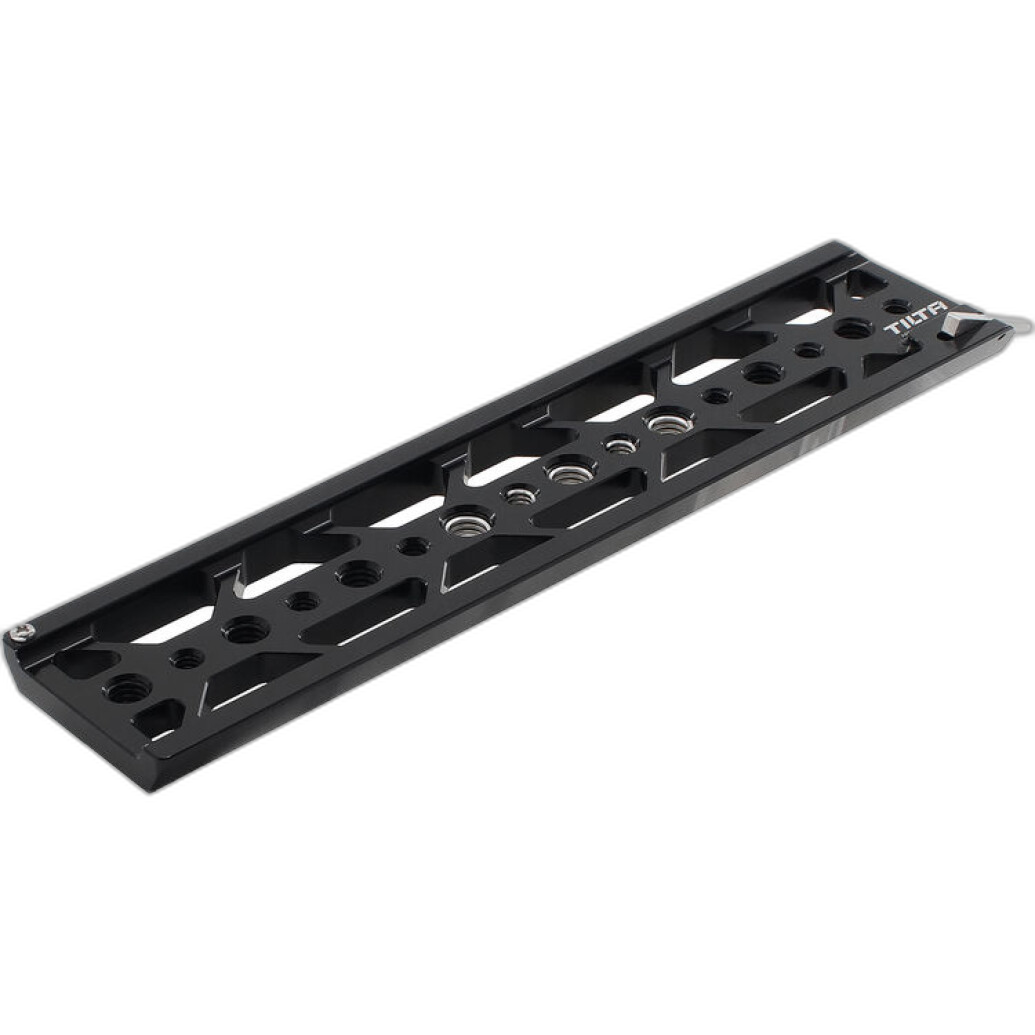
The Tilta 10 Lightweight Dovetail Plate is a smart addition for event videographers building out a more modular mirrorless rig. If you are switching between tripod, shoulder support, or a more advanced baseplate setup, a dovetail plate can streamline the process and help maintain balance. For event work, that means faster repositioning between ceremony coverage, reception footage, and interviews.
Best for: Mirrorless or DSLR shooters who want more efficient rig transitions and better setup consistency.
Why it matters: Event shooters lose time when they constantly rebalance rigs. A lightweight dovetail system helps create a more repeatable workflow.
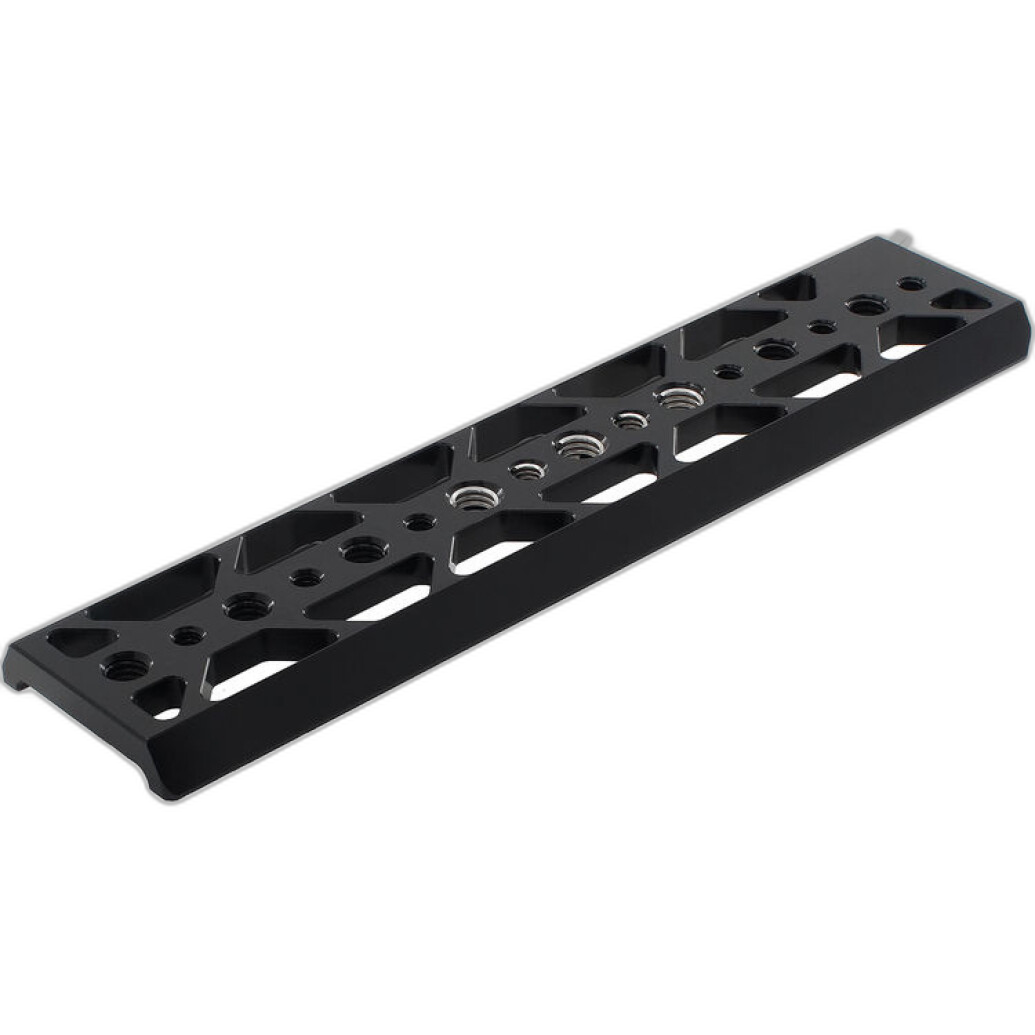
Tilta 14 Lightweight ARRI Standard Dovetail Plate
The Tilta 14 Lightweight ARRI Standard Dovetail Plate is a better match for videographers using larger support systems or more built-out camera rigs. If your event package includes matte boxes, V-mount batteries, follow focus systems, or heavier telephoto lenses, the longer ARRI-standard format can offer more flexibility for balancing the load.
Best for: Heavier DSLR or mirrorless event rigs that need more front-to-back adjustment.
Why it matters: Better balance reduces operator fatigue and makes tripod-mounted event coverage more stable and repeatable.
Manfrotto 023 Counter Balance Weight 10 lbs
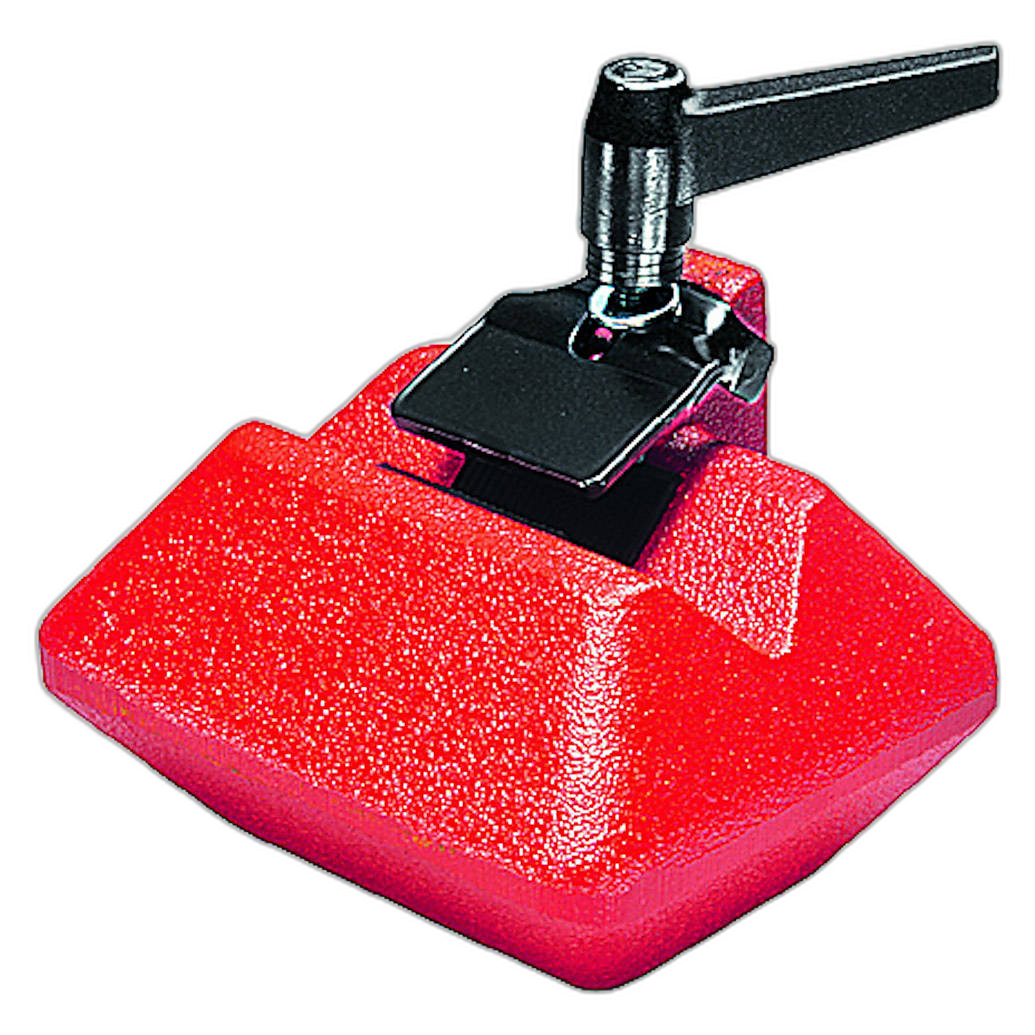
The Manfrotto 023 Counter Balance Weight is not a camera upgrade in the traditional sense, but it can be very useful in event environments where boom arms, stands, or extended support setups are part of the production. If you are lighting a stage-side interview corner, balancing a stand-mounted accessory, or building a more secure support arrangement, counterweighting can improve safety and stability.
Best for: Event videographers using more advanced support gear around stages, presentations, or interview setups.
Why it matters: Stability is workflow. In event coverage, secure support equipment helps prevent delays and accidents.
PGYTECH ProShot Phone Cage - iPhone 17 Pro
For content teams covering events with a smartphone as a secondary angle, social media camera, or behind-the-scenes rig, the PGYTECH ProShot Phone Cage can make a lot of sense. A smartphone will not replace a dedicated camcorder for long-form event capture, but it can be a useful supplement for vertical clips, quick promo videos, and creator-style coverage during the same event.
Best for: Hybrid teams producing both polished event coverage and fast-turn social content.
Why it matters: Modern event delivery often includes both traditional edits and short-form clips. A phone cage can make that side of the workflow cleaner and more professional.
Comparison: Which Accessory Fits Your Workflow?
| Product | Best Use | Ideal Shooter | Main Benefit |
|---|---|---|---|
| Tilta 10 Lightweight Dovetail Plate | Compact rig balancing and fast transitions | Mirrorless/DSLR event shooter | Streamlined support setup |
| Tilta 14 Lightweight ARRI Standard Dovetail Plate | Larger rig balancing | Shooter with heavier production accessories | More adjustment range |
| Manfrotto 023 Counter Balance Weight 10 lbs | Stand and support stabilization | Advanced event production crew | Safer, steadier support gear |
| PGYTECH ProShot Phone Cage - iPhone 17 Pro | Social, BTS, secondary angle capture | Hybrid event content creator | Cleaner smartphone workflow |
Practical Buying Advice
If you mainly film long, uninterrupted events, a camcorder is often still the easiest answer. You will generally spend less time managing batteries, heat, clip lengths, and lens swaps. If your business depends on getting the whole ceremony, lecture, or performance without interruption, the camcorder approach remains compelling.
If you prioritize look, low-light performance, and hybrid flexibility, a DSLR or mirrorless system is likely the better fit. Just be prepared to support it properly. Event shooters using these cameras often benefit from adding dovetail plates, balancing tools, and other rigging accessories that reduce friction and improve stability.
Conclusion
There is no one-size-fits-all winner in the camcorder versus DSLR/mirrorless debate. Camcorders are usually better for endurance, convenience, and straightforward event coverage. DSLR and mirrorless cameras often win on low-light image quality, creative flexibility, and premium visual style. For many event videographers, the best choice comes down to whether reliability or cinematic versatility matters more for the jobs you book most often.
If you are building out a DSLR or mirrorless event rig, the Tilta 10 Lightweight Dovetail Plate stands out as the most practical recommendation in this lineup. For heavier setups, the Tilta 14 Lightweight ARRI Standard Dovetail Plate offers added flexibility, while the Manfrotto counterweight can help stabilize more advanced support arrangements. If your workflow also includes fast social deliverables, the PGYTECH phone cage is worth considering as a companion tool.
For event videographers weighing these tradeoffs and shopping for gear that supports a smoother production day, Unique Photo is a great place to explore accessories, support equipment, and workflow upgrades that fit the way you actually shoot.