If you’ve been following the ongoing debate around hybrid cameras, you already know the big question: should you prioritize video features, still-image performance, or try to find one camera that genuinely handles both well? This guide is for creators who shoot across formats—photographers who also film, videographers who need strong stills, and solo shooters who want one flexible system instead of separate setups.
In real-world use, hybrid cameras are all about trade-offs. Some bodies lean into video workflow features, some deliver more resolution for photography, and others try to split the difference with balanced autofocus, stabilization, ergonomics, and value. Based on the options available here, Panasonic’s LUMIX full-frame lineup gives buyers several compelling ways to match a camera to how they actually work.

What Makes a Great Hybrid Camera?
A strong hybrid camera should feel capable no matter what the day brings. That usually means:
- Reliable autofocus for both stills and video
- Solid in-body image stabilization
- Good ergonomics for handheld use
- Strong internal video options and efficient workflow support
- Image quality that holds up for both client work and personal projects
- A lens ecosystem that can grow with you
For many buyers, the real decision is not whether a camera can do both photo and video—it’s which side it favors, and whether that bias matches your needs.
Quick Comparison
| Model | Best For | Why It Stands Out |
|---|---|---|
| Panasonic LUMIX S5II | Balanced hybrid shooters | Excellent all-around photo/video value with strong usability |
| Panasonic LUMIX S5IIX | Video-first creators | More cinema-oriented workflow and production appeal |
| Panasonic Lumix S5IIX with 24-60mm f/2.8 Lens Kit | Creators starting fresh | Strong body plus versatile fast standard zoom in one package |
| Panasonic Lumix S1II with 24-60mm f/2.8 Lens Kit | Advanced hybrid users | A step up for shooters wanting a more premium current-generation setup |
| Panasonic Lumix S1RII with 24-60mm f/2.8 Lens Kit | Still-image priority with video capability | Higher-end option for photographers who also need robust video |
| Used Panasonic LUMIX S5II | Value-focused buyers | Great entry into full-frame hybrid shooting at a lower cost |
Our Pick
Panasonic LUMIX S5II Hybrid Full Frame Mirrorless Camera (Body Only)
For most buyers looking for a true hybrid camera, the LUMIX S5II is the sweet spot. It offers the balance that this category promises: strong stills, strong video, modern autofocus, and a body that works well for enthusiasts and professionals alike. If you want one camera that can comfortably cover portraits, events, social content, interviews, travel, and short-form filmmaking, this is the most broadly appealing choice.
Best Hybrid Camera Recommendations
Panasonic LUMIX S5II Hybrid Full Frame Mirrorless Camera (Body Only)
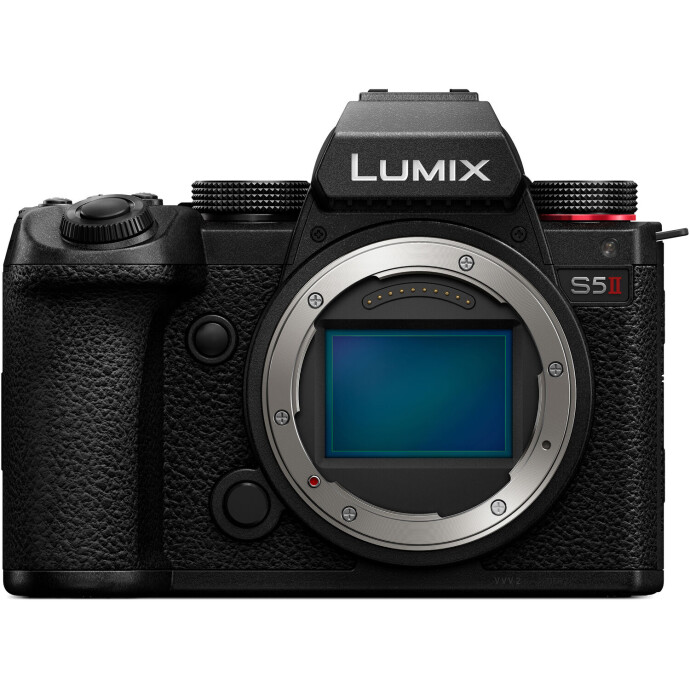
The Panasonic LUMIX S5II is one of the most convincing answers to the hybrid camera debate because it doesn’t force most users into major compromises. It’s a smart fit for creators who need dependable performance in both stills and video without jumping immediately to a more specialized or more expensive body.
This camera makes the most sense for wedding shooters, event creators, portrait photographers who also produce reels, and small production teams that want a flexible full-frame platform. It feels like the practical recommendation: enough video power to satisfy serious creators, and enough photographic capability to stand as your main camera.
Buy it if: you want the best overall balance of photo and video performance.
Panasonic LUMIX S5IIX Hybrid Full Frame Mirrorless Camera (Body Only)
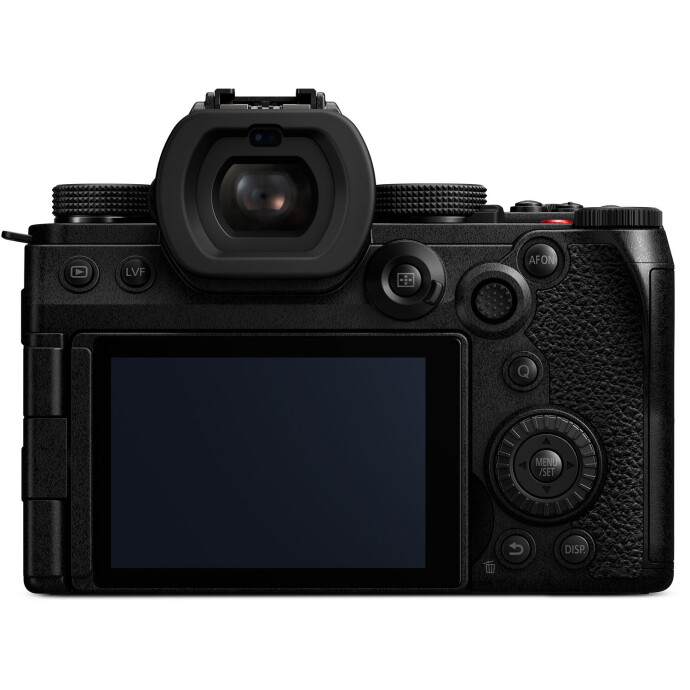
The LUMIX S5IIX is the pick for creators who land on the video side of the hybrid conversation. If your work includes serious video production, longer-form content, commercial projects, or a more advanced post-production workflow, the S5IIX brings an edge that many shooters will appreciate.
Compared to the standard S5II, this is the model for users who know video is not just an occasional feature—it’s a core part of their output. You still get strong still-image capability, but the overall identity is more cinema-minded and production-friendly.
Buy it if: your camera needs to serve as a video workhorse first and a stills camera second.
Panasonic Lumix S5IIX with 24-60mm f/2.8 Lens Kit
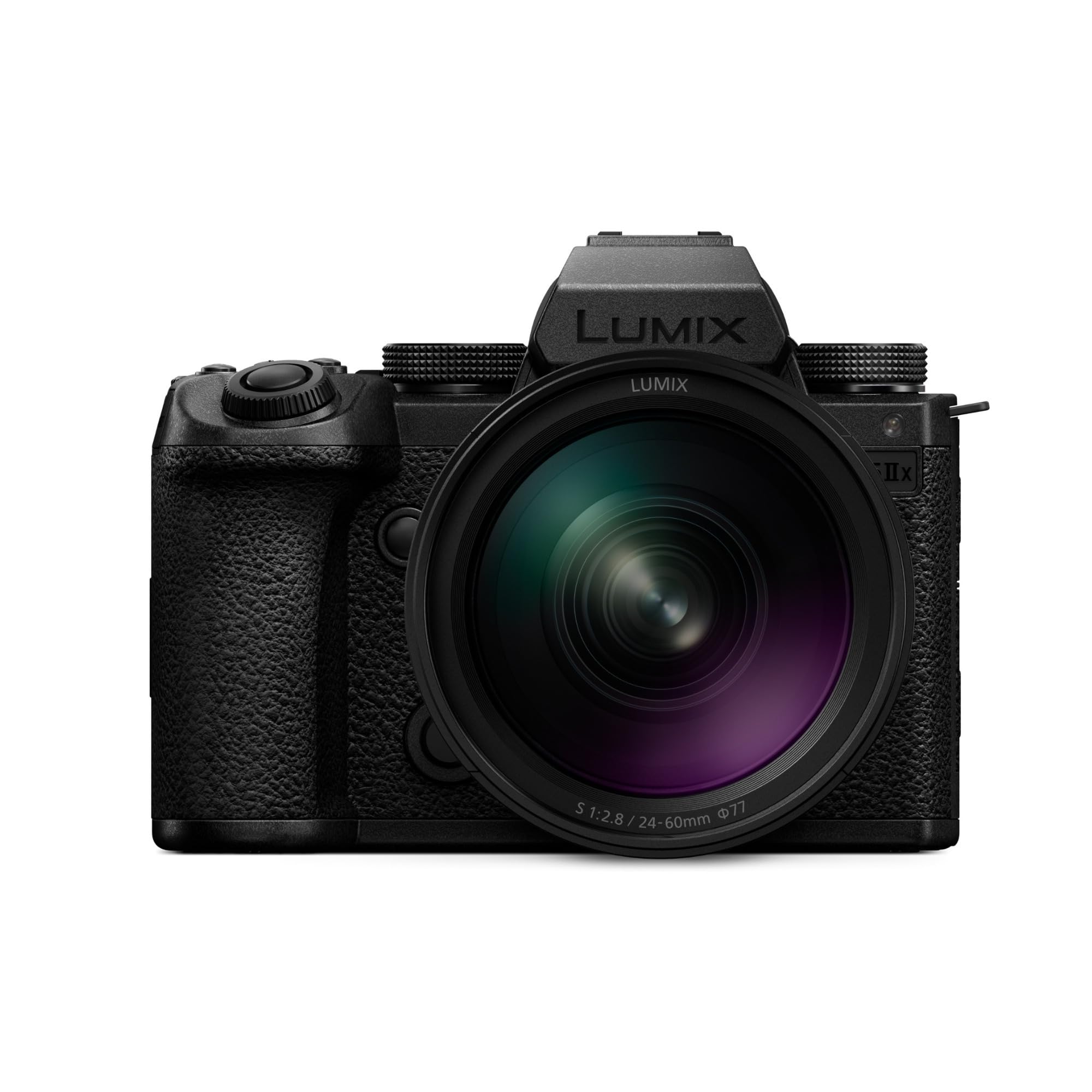
If you’re building a hybrid kit from scratch, this package is especially attractive. Pairing the S5IIX with a 24-60mm f/2.8 lens gives you a useful range for interviews, travel, documentary work, portraits, and day-to-day content creation. The constant f/2.8 aperture also makes it a more creator-friendly starting lens than a slower kit zoom.
This setup is ideal for buyers who don’t want the extra step of choosing a first lens separately. It’s a convenient and capable route into a serious hybrid system.
Buy it if: you want a ready-to-shoot video-first hybrid package with a versatile standard zoom.
Panasonic Lumix S1II with 24-60mm f/2.8 Lens Kit
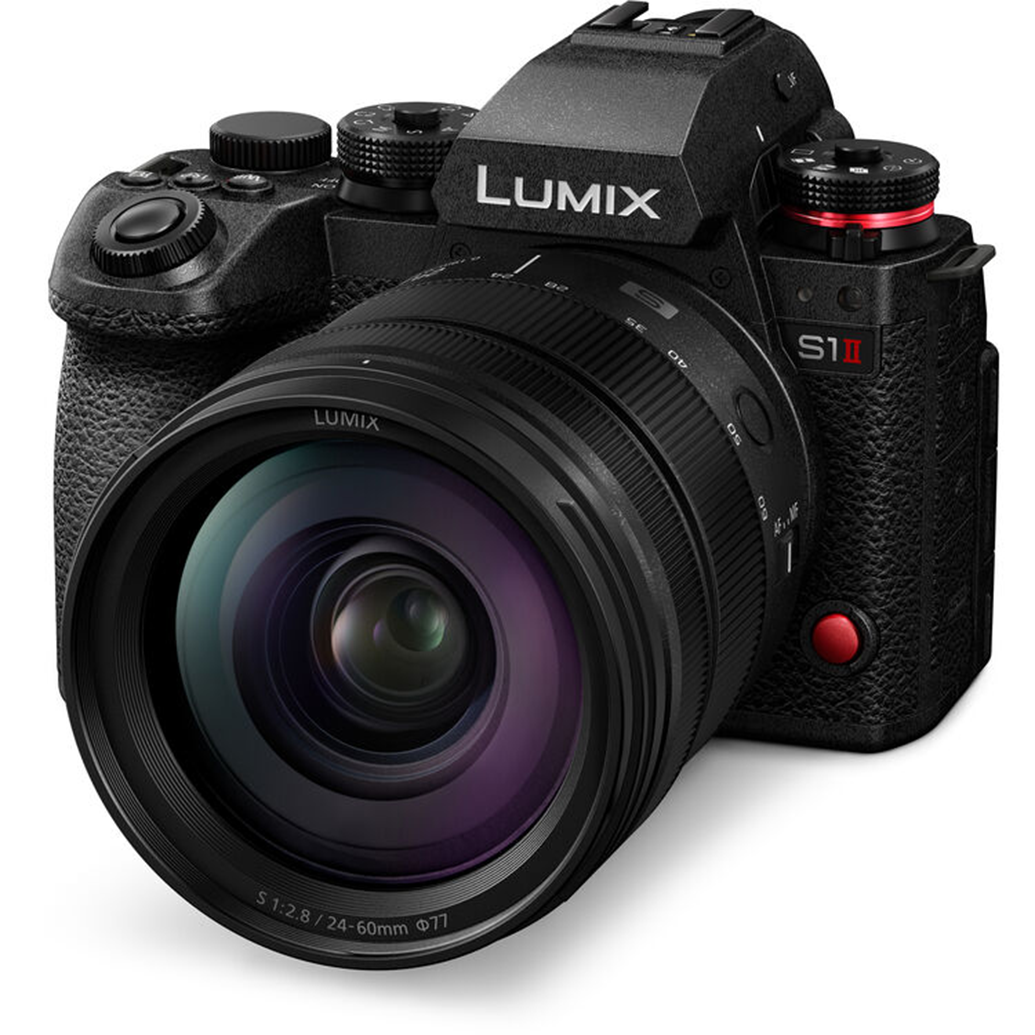
The Lumix S1II kit is a compelling option for advanced shooters who want to move beyond entry-level hybrid expectations and into a more premium shooting experience. For users comparing bodies based on handling, responsiveness, and overall refinement, this model deserves serious consideration.
It’s especially appealing to creators who shoot both commercial stills and polished video, and who want a camera package that feels ready for heavier professional use. The bundled 24-60mm f/2.8 lens helps keep the system versatile from day one.
Buy it if: you want a more advanced hybrid camera kit with broad creative range.
Panasonic Lumix S1RII with 24-60mm f/2.8 Lens Kit
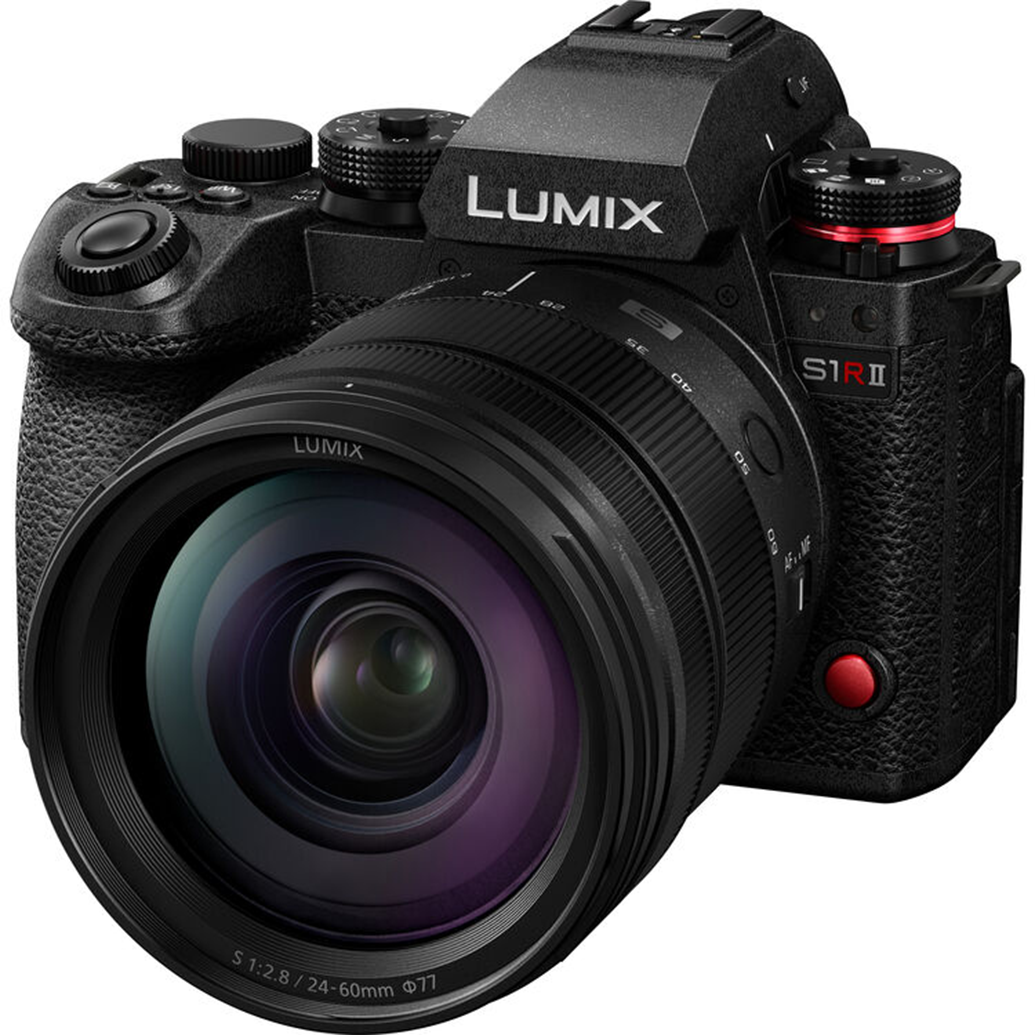
The Lumix S1RII kit is the best fit for buyers whose hybrid priorities lean toward still photography, especially if detail, resolution, and image quality are high on your list. This is the kind of camera photographers will gravitate toward when they need robust video too, but don’t want to compromise their still-image ambitions.
Commercial photographers, landscape shooters, portrait specialists, and hybrid professionals who deliver both photo galleries and polished motion work should take a close look here. It’s the more photography-forward answer to the hybrid question.
Buy it if: your work starts with stills, but you need meaningful video capability built in.
Used Panasonic LUMIX S5II Hybrid Full Frame Mirrorless Camera - Excellent
For many buyers, the smartest hybrid camera choice is the one that leaves room in the budget for lenses, audio, lighting, and storage. A used LUMIX S5II in excellent condition can be exactly that kind of purchase. You still get a highly capable full-frame hybrid body, but with better overall value.
This is a strong recommendation for enthusiasts stepping up from APS-C, content creators watching costs, or working professionals looking for a capable second body. In hybrid shooting, system investment matters just as much as the camera body itself, and buying used can be a strategic move.
Buy it if: you want strong hybrid performance at a more accessible price point.
Don’t Overlook Audio
Rode VideoMic NTG Hybrid Analog/USB On-Camera Shotgun Microphone
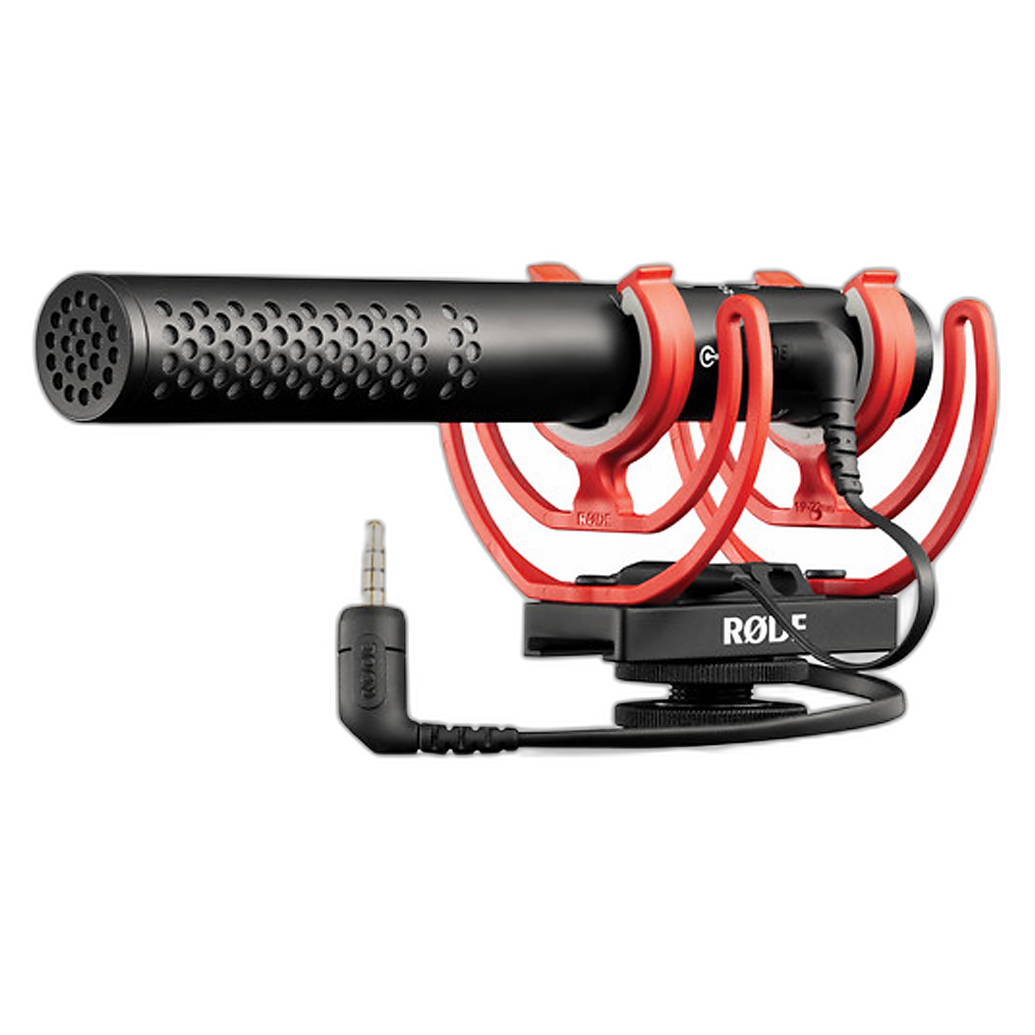
A hybrid camera setup is only as strong as its weakest link, and for many creators that weak link is audio. If your work includes interviews, vlogging, behind-the-scenes clips, documentary footage, or client video, adding a capable on-camera microphone can make a dramatic difference.
The Rode VideoMic NTG is a smart companion for any of the cameras above. It helps round out a hybrid kit by bringing more professional sound capture to an otherwise compact setup.
Add it if: you care about making your video footage sound as polished as it looks.
Which Hybrid Camera Is Right for You?
| If you are... | Best choice |
|---|---|
| A balanced photo/video shooter | Panasonic LUMIX S5II |
| A video-first creator or filmmaker | Panasonic LUMIX S5IIX |
| Starting fresh and want body + lens together | Panasonic Lumix S5IIX with 24-60mm f/2.8 Lens Kit |
| Ready for a more premium hybrid kit | Panasonic Lumix S1II with 24-60mm f/2.8 Lens Kit |
| A photographer who also needs strong video | Panasonic Lumix S1RII with 24-60mm f/2.8 Lens Kit |
| Shopping for the best value | Used Panasonic LUMIX S5II |
Final Thoughts
The hybrid camera debate is active for a reason: there is no single perfect answer for every creator. The best choice depends on whether your work leans more toward stills, more toward video, or truly sits in the middle. For most shoppers, the Panasonic LUMIX S5II remains the most balanced recommendation. If you’re more video-focused, step up to the S5IIX. If photography leads the way, the S1RII is the more natural fit.
If you’re ready to compare Panasonic hybrid cameras, build out a complete kit, or explore new and used options, Unique Photo is a great place to shop for the right setup.