Why Travel Camera Weight Matters More Than Specs on Paper
Choosing a camera for travel is all about balance. While image quality is important, most travelers quickly learn that a heavy setup can slow you down, draw unwanted attention, and make long days of shooting less enjoyable. Whether you're walking city streets, hiking to scenic viewpoints, or packing light for a weekend flight, camera weight should be one of your top priorities.
A lighter camera system is easier to carry all day, simpler to pack, and often more likely to come with you everywhere. That last point matters most: the best travel camera is the one you will actually keep on hand. At Unique Photo, many travelers shop not just for camera bodies, but also for lightweight accessories that reduce strain and improve comfort on the road.
For example, a slim, comfortable strap can make a surprisingly big difference during full-day use. If you're refining a minimalist travel setup, accessories like the PGYTECH Camera Strap Slim can help keep your camera accessible without adding bulk.
How to Choose a Lightweight Travel Camera
When comparing travel cameras, start by looking at the total system weight rather than body weight alone. A compact body paired with large lenses can still become burdensome. Consider these factors:
- Camera body size: Smaller mirrorless bodies are often ideal for travel.
- Lens selection: A versatile zoom can reduce the need to carry multiple lenses.
- Battery and charger size: Extra batteries and power accessories add up.
- Daily carry comfort: Straps, bags, and grip design affect fatigue over time.
If you're traveling primarily for sightseeing, street photography, or casual landscapes, a compact interchangeable-lens camera or advanced fixed-lens camera often hits the sweet spot. If video is a major priority, make sure to factor in cages, microphones, and power accessories before assuming a camera is truly travel friendly.
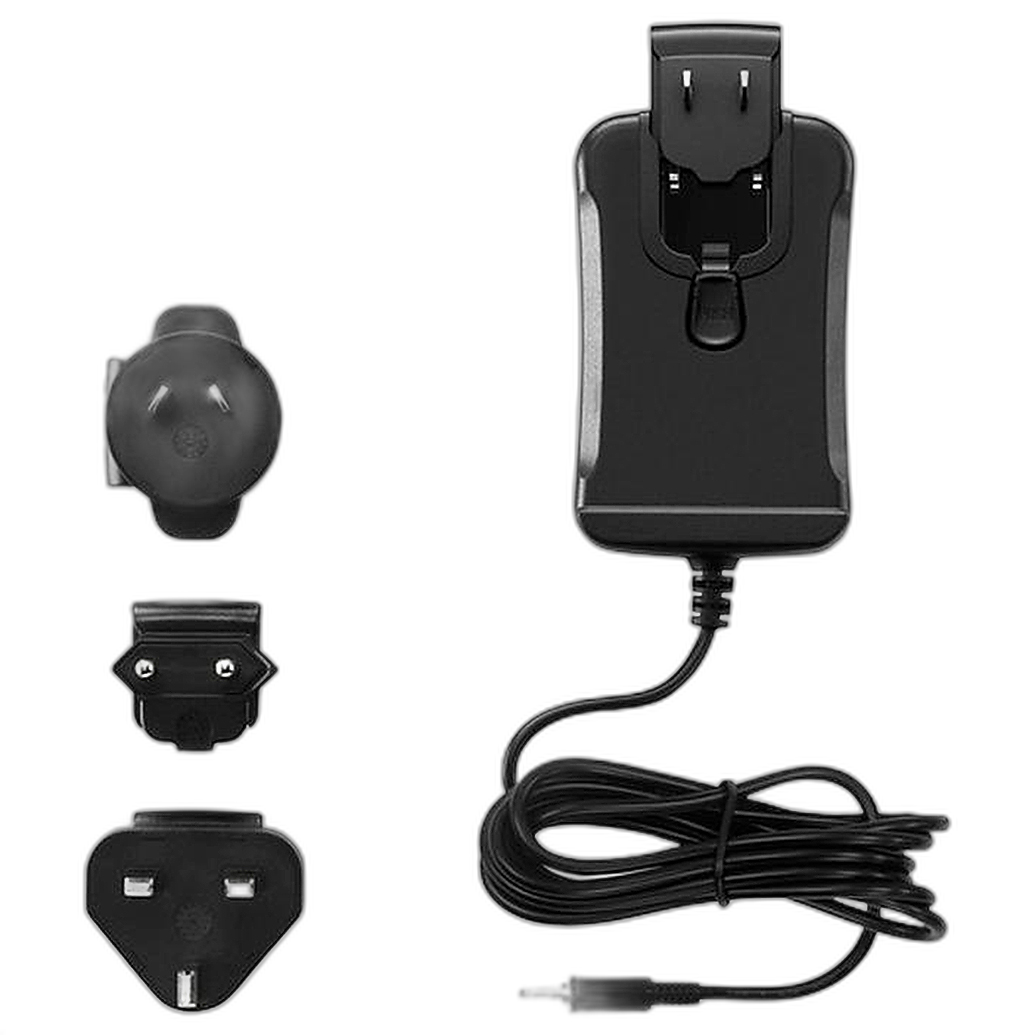
Power management is another part of travel weight planning. Accessories such as the Blackmagic Design Power Supply for Pocket Cinema Camera can be essential for some workflows, but they also illustrate why filmmakers should think beyond body size when building a travel kit.
What Makes a Durable Camera Good for Travel?
Durability is just as important as portability. Travel photography can expose your gear to rain, dust, bumps, changing temperatures, and crowded transit. A durable travel camera should inspire confidence when conditions become less than ideal.
Look for these durability-focused features:
- Weather sealing: Helpful for light rain, dust, and changing environments.
- Solid construction: Magnesium alloy or robust polycarbonate bodies often hold up well.
- Reliable shutter and controls: Frequent use during travel puts wear on buttons, dials, and shutters.
- Protected lens mount: Important if you plan to swap lenses on the go.
Even with a durable body, adding protection through service plans or warranties can be a smart move, especially for higher-end travel setups. Unique Photo often helps customers think beyond the initial purchase by considering long-term support and protection.

For professionals traveling with cinema gear, a protection option like the RED Extended Warranty - KOMODO-X can be part of a broader durability strategy. While most travelers won't carry a cinema rig on vacation, the principle applies to all camera purchases: protecting your gear matters when you're frequently on the move.
Why Versatility Is Essential in a Travel Camera
Travel photography often demands quick adaptation. One moment you're photographing architecture in bright sunlight, the next you're capturing food indoors or a sunset from a moving boat. A versatile camera gives you flexibility without requiring a huge bag full of gear.
Versatility can mean several things:
- A useful zoom range: Great for landscapes, portraits, and detail shots.
- Strong autofocus: Helpful for street scenes, family travel, and action.
- Good low-light performance: Important for interiors, night markets, and evening cityscapes.
- Video capability: Valuable for creators documenting trips.
- Flip screen or compact controls: Useful for solo travelers and vloggers.
For many people, the ideal travel camera is not the most specialized one. Instead, it's the camera that handles the widest range of situations with the fewest compromises. That could be a compact mirrorless body with a standard zoom, or even a premium compact camera if maximum portability is the goal.
Mirrorless vs Compact vs Film Cameras for Travel
Travelers often ask which type of camera is best. The answer depends on your priorities.
Mirrorless cameras are a top choice for many travelers because they combine strong image quality, interchangeable lenses, and relatively low weight. They are ideal if you want room to grow while keeping your kit manageable.
Compact cameras are great when size is your top concern. They slip into a jacket pocket or small bag and are less conspicuous in busy tourist areas.
Film cameras can offer a unique travel experience for photographers who enjoy a slower, more intentional approach. They can be wonderful for storytelling, but travelers should think carefully about durability, repairability, and the availability of film while away from home.
At Unique Photo, shoppers exploring travel photography sometimes look at used and vintage cameras for character and portability. For example, options like a used Polaroid SX-70 Alpha 1 or a classic used Ermanox camera may appeal to creative travelers who want a distinctive look. However, older gear can be less predictable for demanding trips, so reliability should be weighed carefully against charm.
How to Build a Travel Camera Kit Without Overpacking
One of the biggest mistakes travelers make is bringing too much equipment. A smart travel kit should cover your most likely shooting scenarios while staying easy to carry.
A practical travel camera kit often includes:
- One camera body
- One versatile primary lens
- One extra battery
- A compact charger or power accessory
- A lightweight strap
- A few memory cards
- A small cleaning cloth
If you are traveling for video production, build carefully. Rigging accessories can increase versatility, but they also add weight and complexity. Not every trip benefits from a fully built-out setup.
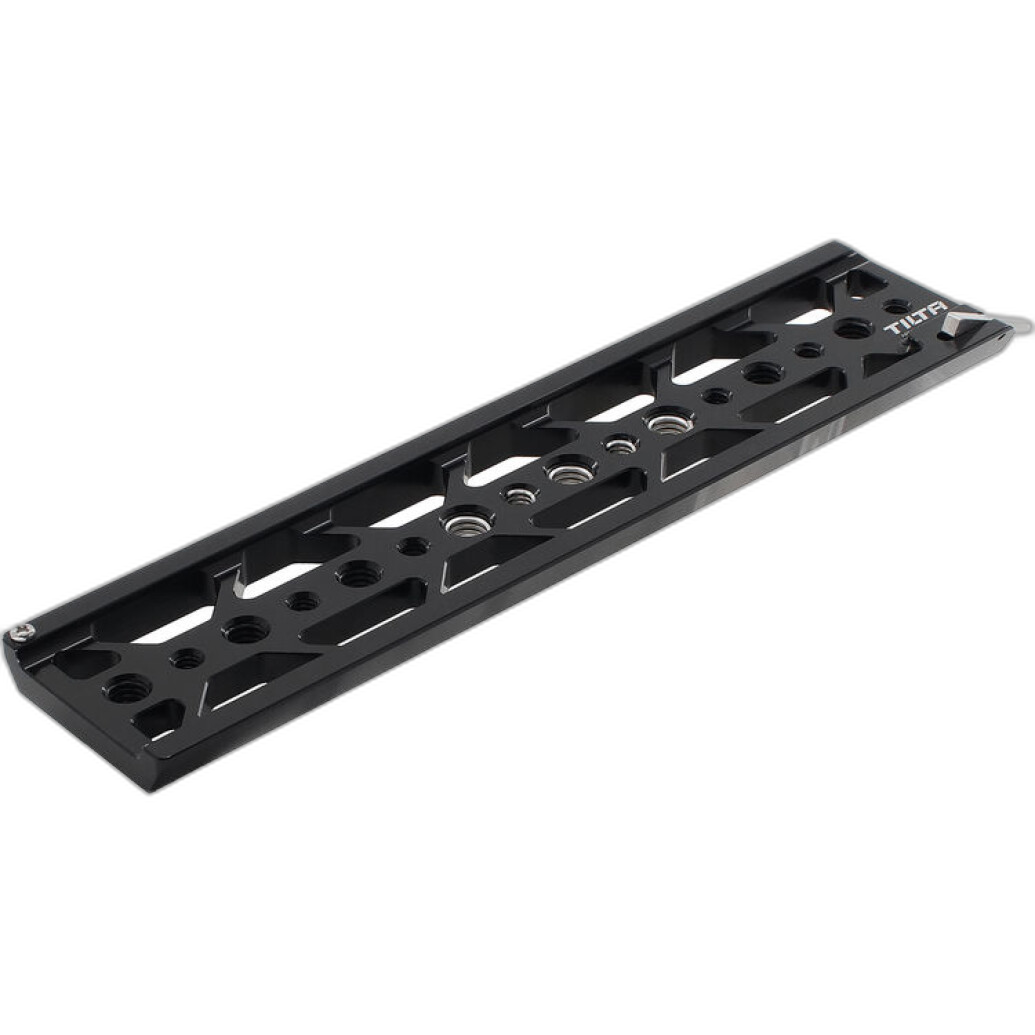
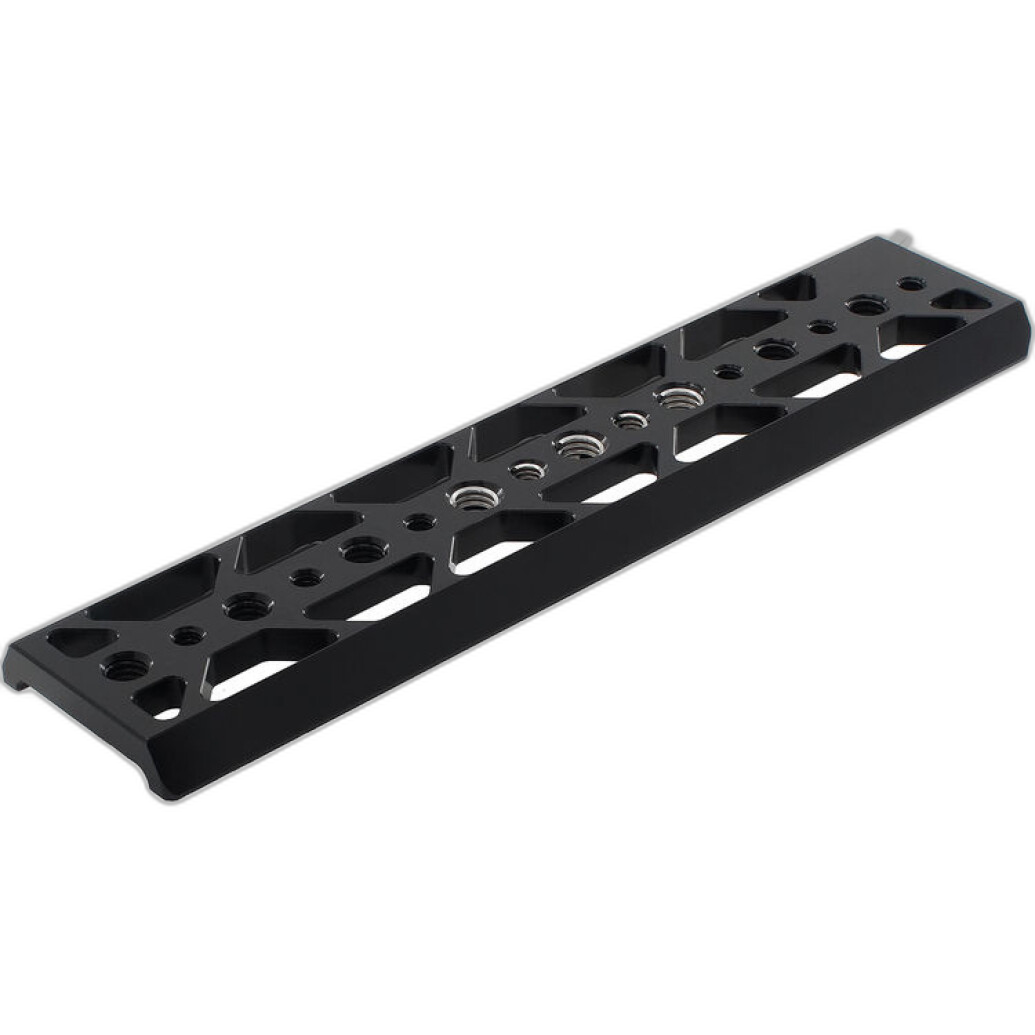
Accessories such as the Tilta 10 Lightweight Dovetail Plate are designed with weight-conscious builds in mind, but they still make the most sense for travelers who truly need modular support gear. If your goal is casual travel photography, keeping the setup simple is usually the better choice.
Best Features to Prioritize in a Travel Camera
If you're narrowing down your options, focus on the features that most directly affect travel use:
- Portability: Can you comfortably carry it for a full day?
- Lens flexibility: Will your lens or lens options handle landscapes, portraits, and everyday scenes?
- Battery life: Can it last through long outings?
- Durability: Will it hold up to changing conditions?
- Ease of use: Can you quickly adjust settings while moving?
- Discreet design: Smaller cameras attract less attention.
For many travelers, the winning formula is a compact, durable camera with a versatile lens and dependable autofocus. That combination works for city breaks, international travel, road trips, and outdoor adventures alike.
Travel Camera Tips for Different Types of Travelers
For casual vacationers: Prioritize ease of use, small size, and a versatile all-around lens.
For hikers and outdoor travelers: Focus on weather resistance, low carry weight, and battery efficiency.
For content creators: Look for strong video features, stabilization, microphone support, and a screen that works well for self-recording.
For professional photographers: Think in terms of total system reliability, backup plans, and service protection.
Unique Photo serves all of these audiences, which is why travel camera buying advice should always be tailored to how and where you actually shoot rather than just what's trending.
Final Thoughts on Choosing the Best Camera for Travel
The best travel camera is rarely the biggest, most expensive, or most advanced option. Instead, it is the camera that gives you the right mix of low weight, dependable durability, and real-world versatility. If a camera is comfortable to carry, sturdy enough for the journey, and flexible enough for changing scenes, it's likely to serve you well wherever you go.
Before buying, think about your travel style, shooting habits, and tolerance for carrying extra gear. Unique Photo is a great place to compare cameras, accessories, support items, and protection plans that fit your travel needs.
For internal linking opportunities, consider guiding readers to related pages such as mirrorless cameras, compact cameras, used cameras, camera straps, travel-friendly accessories, and warranty or protection plan options at Unique Photo.