How to Choose the Best Travel Camera Without Overpacking
Picking the best travel camera is all about balance. Travelers want strong image quality, a portable kit, flexible lenses, dependable build quality, and useful video features without carrying too much weight. Whether you are planning a city break, a hiking trip, an international vacation, or a content-focused creator journey, the right setup should match how you travel.
At Unique Photo, many photographers compare compact travel cameras, mirrorless bodies, premium lenses, and practical accessories to build a kit that feels light but still delivers professional-looking results. The best travel camera setup is not always the smallest one. It is the one that gives you the image quality you need while staying comfortable to carry all day.
For many travelers, the core questions are simple: How large should the sensor be? Do you need interchangeable lenses? Is weather sealing important? And how much video performance matters for vlogging, reels, or travel documentaries?
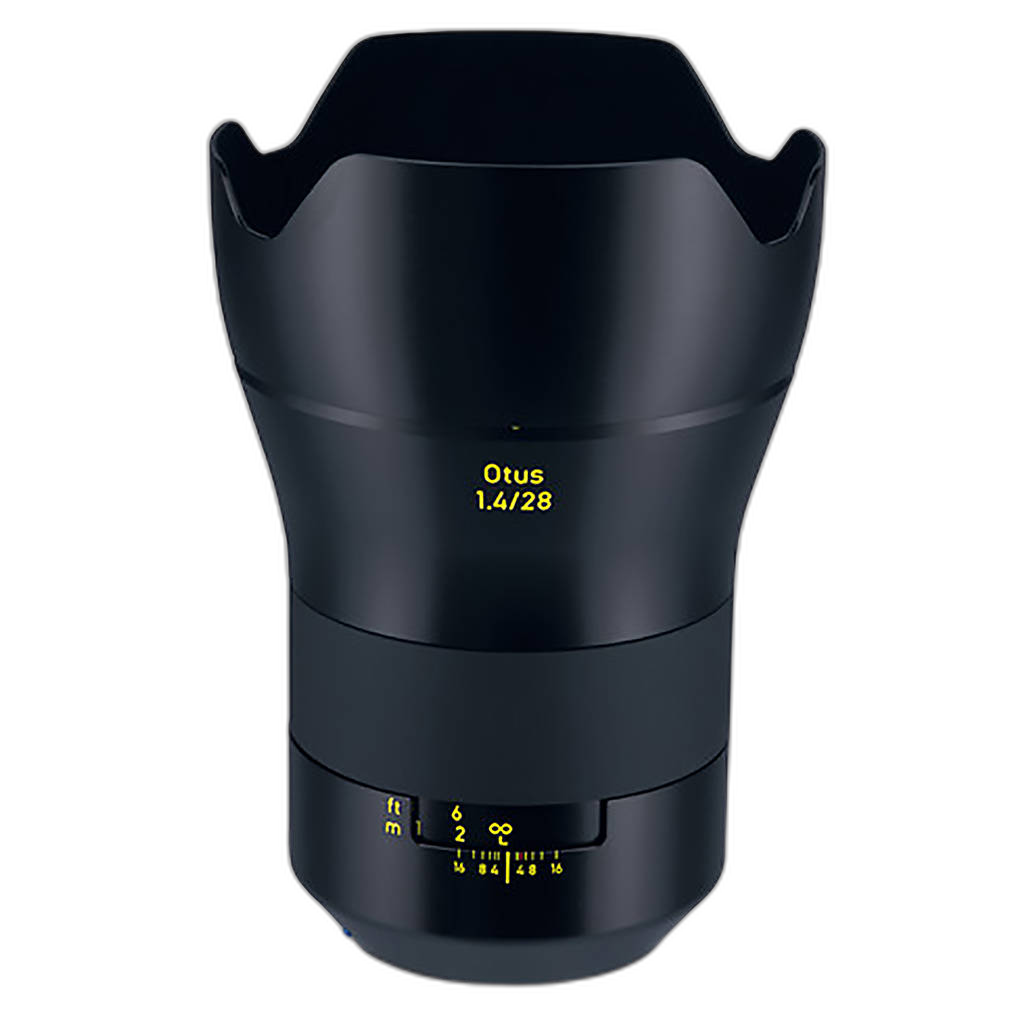
A high-quality wide-angle lens can be especially appealing for travel shooters who want landscape, architecture, and environmental portrait coverage in one focal length. A lens like the Zeiss 28mm f/1.4 OTUS represents the premium end of image quality, showing how some travelers prioritize optical performance above all else, especially on photo-first trips.
Travel Camera Sensor Sizes: Full Frame vs APS-C vs Micro Four Thirds
One of the most searched travel camera questions is which sensor size is best. The answer depends on your priorities.
Full-frame cameras are popular for travelers who want the best low-light performance, dynamic range, and shallow depth of field. They are excellent for night scenes, indoor travel photography, portraits, and high-end landscape work. The tradeoff is usually larger bodies, bigger lenses, and more weight in your bag.
APS-C cameras often hit the sweet spot for travel. They deliver excellent image quality while staying smaller and lighter than most full-frame systems. For many travelers, APS-C mirrorless cameras offer the best balance of portability and performance.
Micro Four Thirds cameras are a strong choice when compact size and lens portability matter most. Their smaller lenses can make a huge difference on long walking days, and they still offer impressive quality for travel photos and video.
If your trips involve long flights, crowded streets, and all-day walking, lighter systems often get used more. If your trip is built around photography itself, a larger full-frame setup may be worth carrying. Unique Photo shoppers frequently compare these formats based on how they actually travel, not just on lab specs.
Lens Flexibility for Travel Photography
Lens selection has a bigger impact on your travel experience than many people expect. Some photographers prefer one versatile zoom lens to cover everything from landscapes to portraits. Others build a lightweight prime-lens kit for better low-light performance and sharper results.
Here are some common travel lens strategies:
One-lens travel kit: Ideal for minimalists, casual travelers, and anyone who does not want to swap lenses in dusty or crowded places.
Wide zoom plus telephoto: Great for travelers mixing street, landscape, wildlife, and architecture photography.
Compact prime setup: Best for travelers who want low-light strength, shallow depth of field, and lighter carry weight.
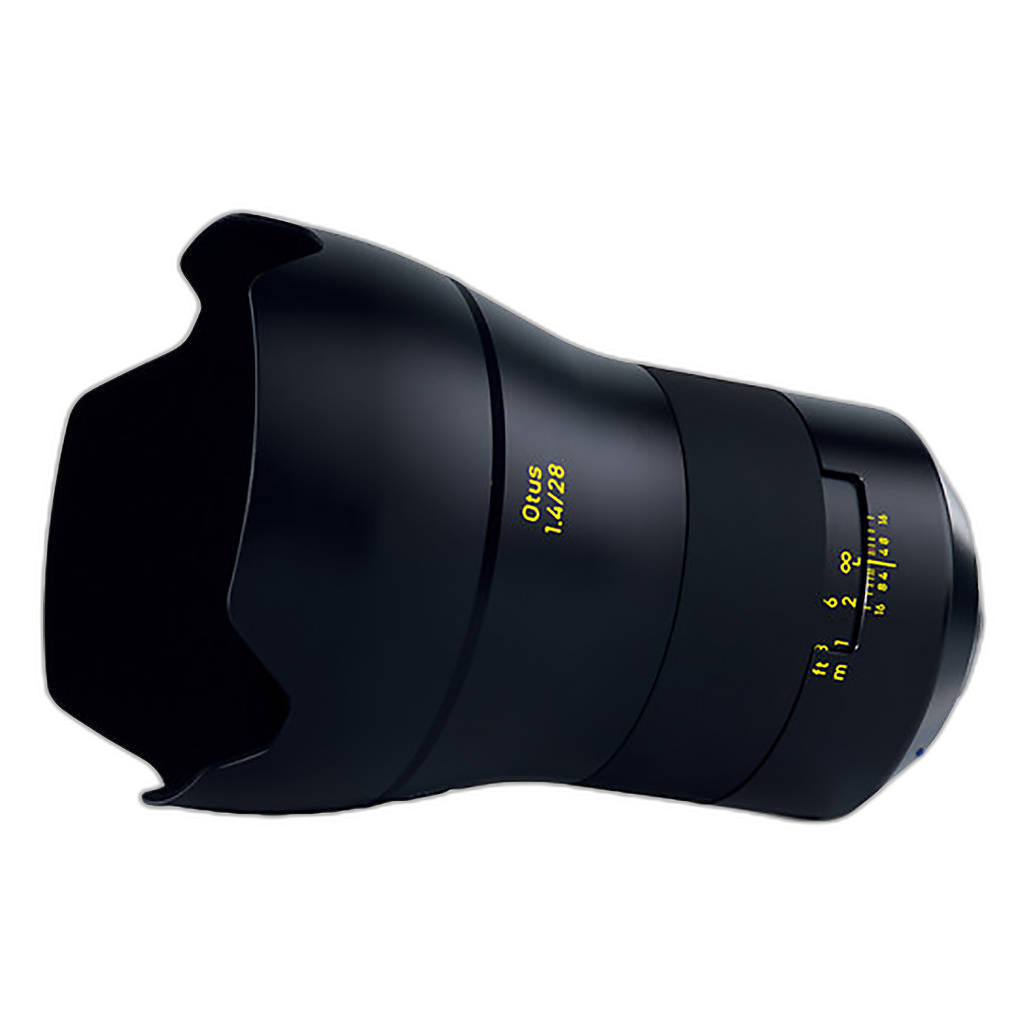
A 28mm lens is a classic travel focal length because it can handle city scenes, interiors, landscapes, and environmental portraits with a natural perspective. Premium options like the Zeiss 28mm f/1.4 OTUS appeal to photographers who are willing to pack heavier glass in exchange for top-tier rendering and low-light performance.
For most travelers, lens flexibility matters as much as sensor size. If a camera body is excellent but the lens lineup does not match your trip, the setup may not feel practical.
Why Build Quality Matters in a Travel Camera
Travel cameras have to handle more than image making. They deal with airport bins, changing weather, long walking days, crowded transit, dust, and quick packing. That is why build quality is one of the most important features in a travel camera.
Look for:
Weather resistance: Helpful for rain, snow, dust, and unpredictable outdoor conditions.
Strong battery life: Important when you are away from outlets for long periods.
Reliable ergonomics: A camera should feel secure and intuitive to use quickly.
Durable accessories: A comfortable strap and safe carrying method can make a major difference.
Even a simple accessory upgrade can improve your trip experience. A slim, comfortable carrying solution helps reduce fatigue during long shooting days. Unique Photo customers often add practical accessories like camera straps, power solutions, and warranty coverage when building a travel kit.
Best Video Features for Travel Content Creators
Modern travel camera discussions almost always include video. Even photographers who primarily shoot stills often want solid 4K video for short clips, social content, or travel journals.
Important travel video features include:
4K recording quality: Crisp detail for modern travel content.
Image stabilization: Useful for handheld walking shots and casual vlogging.
Flip screen or articulating display: Helpful for self-recording and unusual angles.
Good autofocus: Essential for solo creators and run-and-gun shooting.
Microphone input: Important for better audio on location.
Power options: Long travel days can drain batteries quickly.
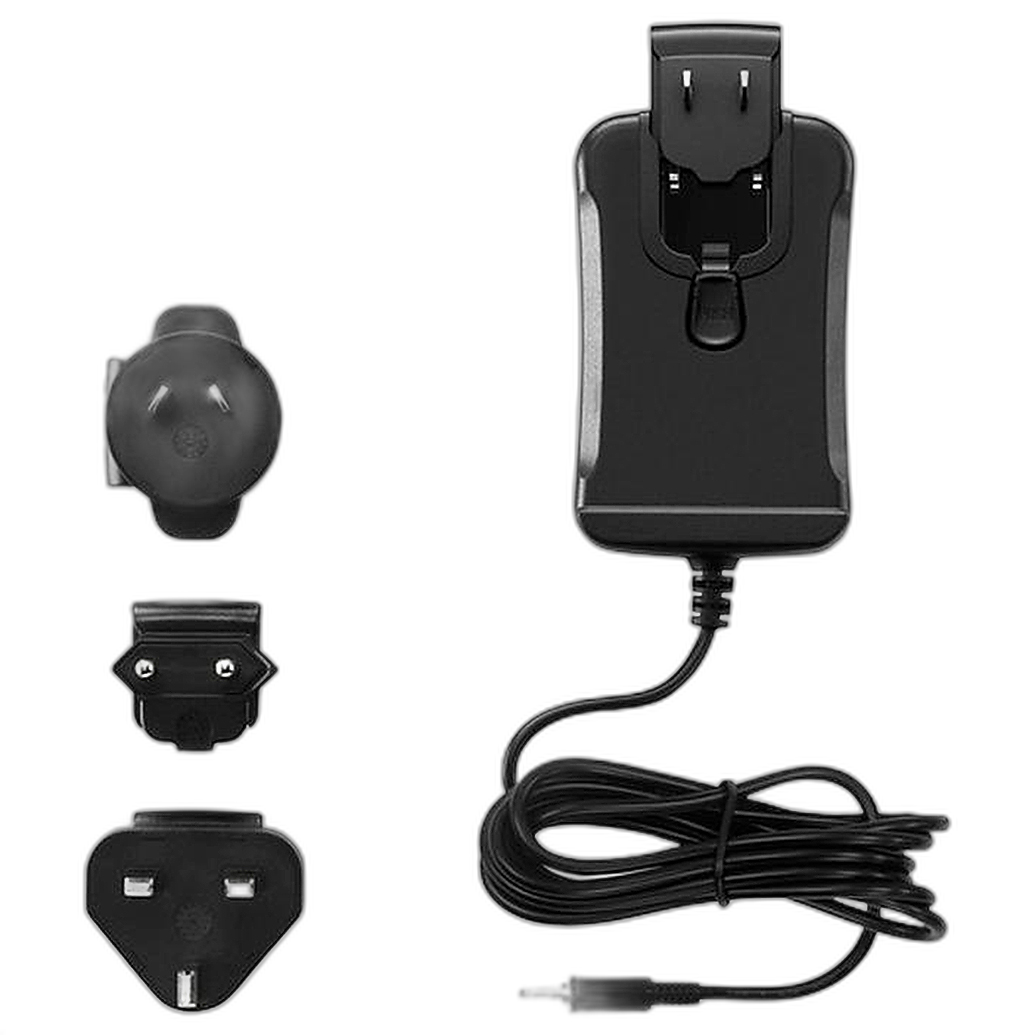
Travel filmmakers using cinema-oriented gear often pay close attention to external power and accessory options. A product such as the Blackmagic Design Power Supply for Pocket Cinema Camera highlights how power planning can be a major part of travel video workflows, especially for longer shooting sessions or hotel-based content production.
Some advanced users also protect expensive travel gear investments with coverage options, particularly when traveling frequently or working on client projects. Service and warranty options available through Unique Photo can be worth considering for peace of mind.
What to Pack for Different Types of Trips
Travel camera threads often become packing discussions because the best gear depends on the trip. A weekend city trip needs a different setup than a wildlife tour or a backpacking route.
For city travel:
A compact mirrorless body, one fast wide-to-normal lens, extra battery, memory cards, and a slim strap are often enough.
For hiking and outdoor travel:
Prioritize low weight, weather resistance, and a secure carrying setup. A lightweight zoom may be more practical than multiple primes.
For family vacations:
Choose a camera that is fast to access and easy to use. A versatile lens can reduce missed moments.
For creator-focused trips:
Bring stabilization, audio support, extra power, and enough storage for both stills and video.
For photo-dedicated travel:
It can make sense to pack a more specialized kit, including premium optics and support accessories, if photography is the main reason for the trip.
Many travelers use a simple rule: if an item does not improve your shooting enough to justify carrying it all day, leave it behind.
Travel Photography Gear List Tips from Real-World Shooters
One of the most helpful things shared in travel camera communities is the gear list itself. Seeing what experienced travelers actually pack often reveals that less is more.
Common travel photography packing tips include:
- Carry one more battery than you think you need
- Bring extra memory cards instead of relying on one large card
- Use a strap that stays comfortable for full-day walking
- Pack a simple cleaning cloth for dust, fingerprints, and weather
- Choose lenses based on your shot list, not hypothetical situations
- Keep your setup discreet when traveling through busy areas
- Back up images regularly when possible
Comfort matters as much as camera specs. A slim strap can make a lightweight body feel even easier to carry all day, especially on sightseeing-heavy trips. Small travel optimizations often have the biggest impact over time.
Can Premium Lenses Make Sense for Travel?
Some travelers prefer compact, affordable lenses. Others willingly carry heavier premium glass because image quality is the point of the trip. If your journey is centered around photography, a high-end lens may absolutely make sense.
The Zeiss 28mm f/1.4 OTUS is a strong example of a lens built for photographers who value exceptional optical performance. While it is not a lightweight casual-travel option, it fits a type of traveler who plans shoots carefully and wants standout results in landscapes, architecture, environmental portraits, and low-light street scenes.
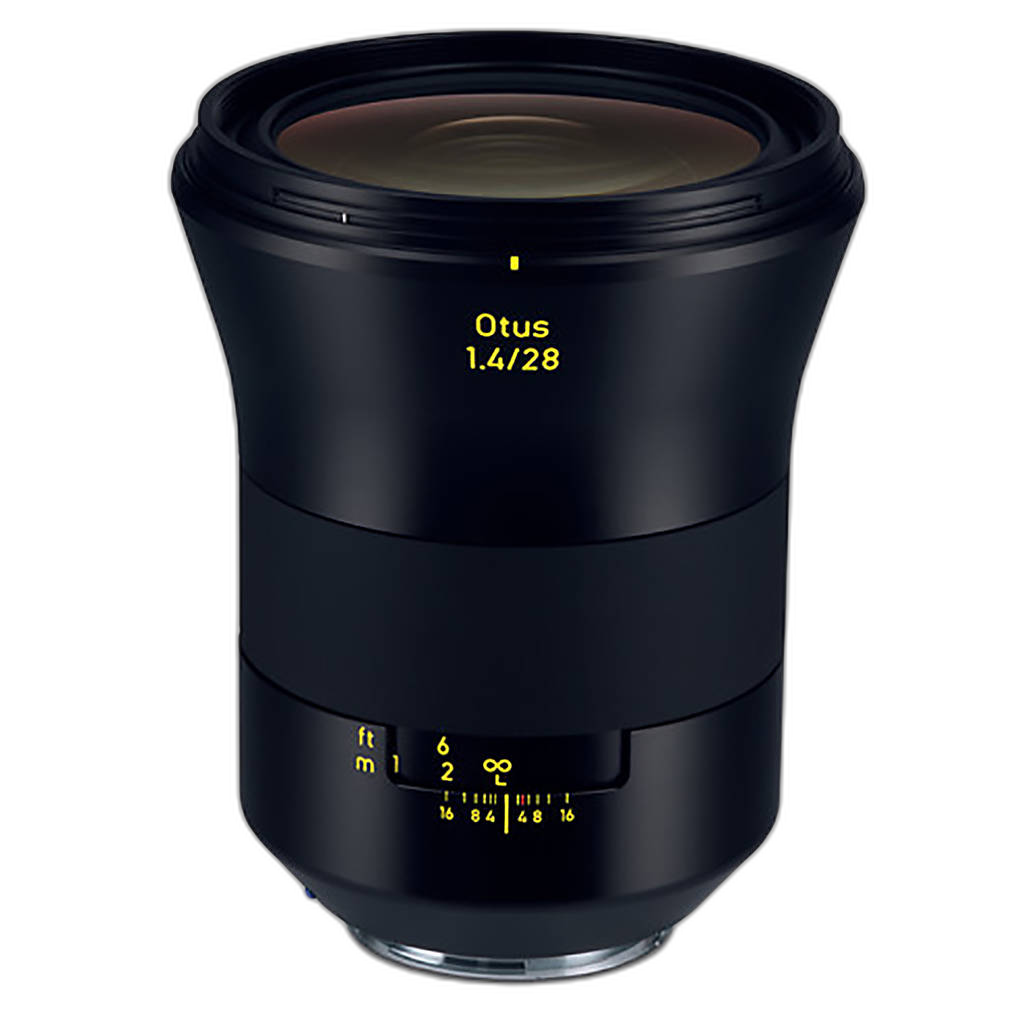
There is no single best travel lens for everyone. The best choice depends on whether your top priority is weight, versatility, speed, or absolute image quality.
How to Balance Portability and Performance
The best travel camera is usually the one you will actually carry. That is why portability matters so much. A larger setup may produce better files on paper, but if it stays in the hotel room, it is not helping you capture the trip.
To find the right balance, ask yourself:
- Will I carry this camera all day without frustration?
- Do I need multiple lenses or just one dependable option?
- How much low-light shooting will I do?
- Is video a major priority?
- Will I be shooting in bad weather or rough conditions?
- Am I traveling for photography, or just bringing a camera along?
These questions matter more than chasing the biggest sensor or longest spec sheet. Unique Photo serves a wide range of travelers, from first-time vacation photographers to advanced enthusiasts building highly refined travel kits, and the smartest setups almost always reflect real-world shooting habits.
Final Thoughts on Choosing the Best Travel Camera Setup
Travel camera discussions keep coming back to the same idea: balance. Image quality, portability, lens flexibility, build quality, and video features all matter, but not equally for every traveler. The best travel camera setup is personal. It should fit your destination, shooting style, and tolerance for carrying gear.
If you are building a new kit, Unique Photo is a great place to compare cameras, lenses, accessories, power solutions, and protection options for travel photography and video. For internal linking opportunities, consider pointing readers to related category pages for mirrorless cameras, travel lenses, camera straps, power accessories, used cameras, and warranty coverage. You can also link to buying guides on full-frame vs APS-C cameras, best lenses for travel photography, and essential camera accessories for creators on the go.