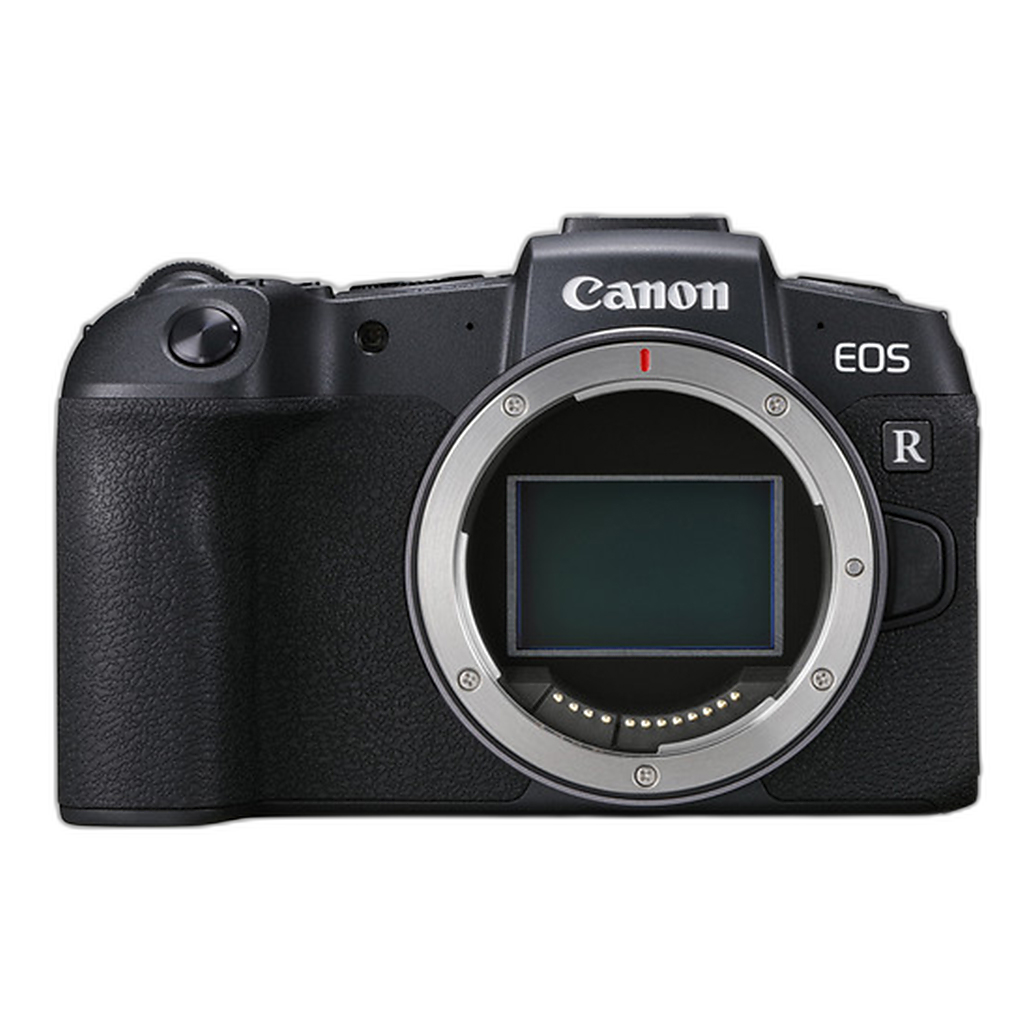
Canon’s full-frame mirrorless story took an important turn in February 2019 with the announcement of the EOS RP. Arriving just months after the debut of the EOS R system, the RP signaled something very specific: Canon was not content to let the RF mount remain a premium-only proposition. Instead, the company introduced a smaller, lighter, and notably more affordable body designed to bring more photographers into the new system. At a launch price of $1,299, the EOS RP stood out immediately as an approachable entry point into Canon full-frame mirrorless photography.
Seen from the perspective of its release period, the EOS RP was more than just a second RF-mount camera. It was a strategic camera, one intended to lower the barrier to entry for enthusiasts, existing Canon users, and anyone curious about what full-frame mirrorless could offer without stepping into a higher-priced flagship category. In that sense, the EOS RP was one of the defining early cameras of the RF era.
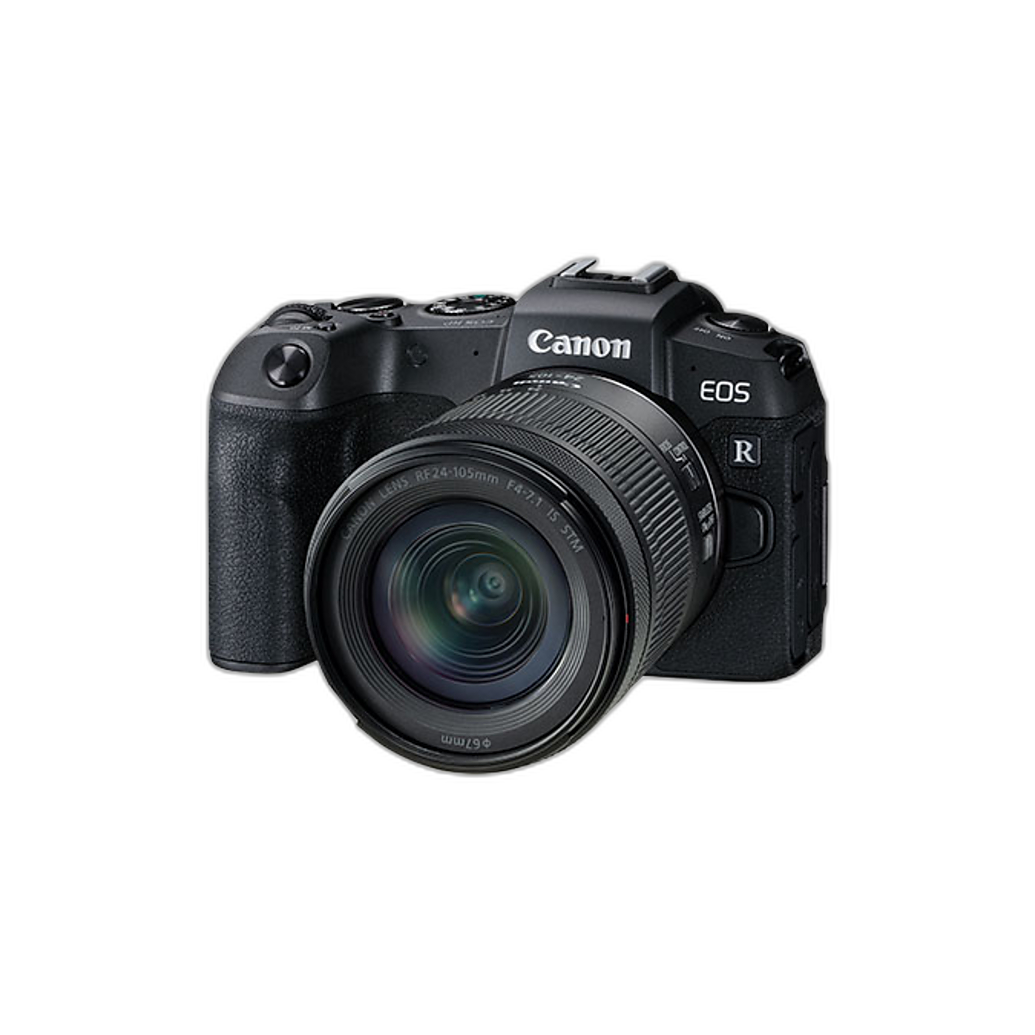
A Key Early Moment for the RF Mount
When Canon launched the RF mount alongside the EOS R in 2018, the company made clear that it was building a long-term platform for full-frame mirrorless photography. The mount itself quickly drew attention for its modern design and for the possibilities it opened up in lens development. But as with many new systems, the earliest body could only tell part of the story. For a mount to gain real traction, manufacturers generally need a wider range of camera bodies at different price points.
The EOS RP answered that need early in the life of the system. Announced on 2019-02-14, it gave Canon a more accessible RF option at a time when photographers were still evaluating whether to move from DSLR systems to mirrorless. For Canon users in particular, the RP communicated an important message: full-frame mirrorless did not have to be reserved for the top end of the market.
What Canon Announced
The core appeal of the EOS RP was straightforward and easy to understand. Canon paired a 26.2MP full-frame sensor with the Canon RF mount and introduced the camera at a launch price of $1,299. Those headline facts alone made it one of the most discussed camera announcements of its moment.
That combination mattered because each element reinforced the camera’s intended role. A 26.2MP full-frame sensor offered the image-quality expectations many photographers associated with the format, while the RF mount placed the camera inside Canon’s newest interchangeable-lens ecosystem. Meanwhile, the $1,299 launch price gave the announcement its real impact, positioning the EOS RP as a relatively low-cost path into a new full-frame system from one of the industry’s biggest names.
Core Specifications at Launch
- 26.2MP full-frame sensor
- Canon RF mount
- Launch price: $1,299 USD
- Release announcement date: February 14, 2019
Why the EOS RP Mattered in 2019
In early 2019, the camera industry was in a period of visible transition. Mirrorless development was accelerating rapidly, and full-frame mirrorless had become one of the most competitive areas in the market. For Canon, introducing the EOS RP was not simply about filling out a lineup. It was about showing that the RF system could scale downward in cost and size while still preserving the headline benefit of a full-frame sensor.
That made the RP especially compelling for several groups of photographers. Existing Canon DSLR users could look at it as a logical bridge into mirrorless, especially if they were interested in the future of the RF system. Enthusiasts stepping up from APS-C cameras could see it as an attainable full-frame option from a familiar brand. Even photographers outside the Canon ecosystem had reason to pay attention, because price often shapes whether a new mount feels realistic or aspirational.
There is also a historical point worth emphasizing: early system-building cameras are often as important as flagship models, even if they generate less initial glamour. Cameras like the EOS RP help determine whether a mount becomes broadly adopted. They expand the user base, encourage lens investment, and give a system everyday relevance. In that sense, the RP was one of the practical foundation stones of Canon’s RF growth.
An Accessible Full-Frame Philosophy
The EOS RP’s identity was rooted in accessibility. Canon was clearly aiming to make the idea of full-frame mirrorless less intimidating and less financially prohibitive. This was a meaningful distinction at the time, because new camera systems often debut with premium products that showcase technological ambition but remain out of reach for a large portion of enthusiasts.
By contrast, the EOS RP announcement suggested a broader strategy. Canon appeared to understand that system adoption depends not only on performance leadership, but also on providing a realistic first step. A camera priced at $1,299 could attract users who wanted the benefits of full-frame capture and the promise of the RF lens roadmap without making an immediate jump to a more expensive body.
That approachable positioning also fit Canon’s long-standing strength in serving broad segments of photographers, from beginners to working professionals. Historically, Canon has often been at its best when it offers clear upgrade paths within an ecosystem. The EOS RP fit naturally into that tradition, serving as an inviting doorway rather than an exclusive showcase piece.
The EOS RP in Canon’s Broader Lineage
From a historical perspective, the EOS RP occupies an interesting place in Canon’s long evolution from film SLRs to digital DSLRs and then to mirrorless. Canon had spent decades building one of the most influential interchangeable-lens camera ecosystems in photography. When the company shifted its serious full-frame attention toward RF, each early body carried extra significance because it helped define the character of the new mount.
The EOS R had established the system at launch, but the EOS RP helped humanize it. It brought the conversation down from the level of system architecture and future lens potential to something many photographers could picture themselves actually buying. That may sound simple, but it is historically important. Camera systems succeed when they become practical, not just exciting.
The EOS RP therefore should be remembered not merely as another product release, but as one of the first cameras to frame the RF mount as a mainstream destination. It showed that Canon’s mirrorless ambitions extended beyond prestige and into broader adoption.
Early Reception and Market Position
Around its announcement, the EOS RP’s most obvious talking point was value. Even before photographers spent significant time shooting with it, the combination of a full-frame sensor, RF mount, and relatively modest launch price gave reviewers, retailers, and Canon followers a simple narrative: this was the affordable full-frame RF camera.
That clarity was important. In a crowded and evolving market, cameras often need a readily understandable identity. The EOS RP had one immediately. It was the camera for photographers who wanted into Canon’s new full-frame mirrorless world at the lowest announced price the company had yet offered for the system.
Historically, those kinds of products often have outsized influence. They may not define the top tier of performance, but they shape buying behavior, lens adoption, and brand momentum. The EOS RP belongs in that category of strategically important cameras.
Looking Back at the Announcement
With the benefit of hindsight, the EOS RP announcement can be seen as an early indicator of how Canon intended to grow the RF mount over time. Rather than treating the system as a narrow premium lane, Canon moved quickly to establish a more attainable option. That decision helped broaden the system’s appeal and underscored the company’s confidence in RF as the future of its full-frame interchangeable-lens development.
The camera’s key facts still tell the story cleanly: a 26.2MP full-frame sensor, Canon RF mount, and a launch price of $1,299. In early 2019, that was a compelling combination and a notable statement of intent. The EOS RP represented an invitation—one aimed at photographers who wanted the look and flexibility of full-frame capture while stepping into Canon’s next-generation mirrorless ecosystem.
Conclusion
The Canon EOS RP remains historically significant as one of the earliest cameras to make the RF system feel financially and practically accessible. Its announcement on February 14, 2019 marked an important expansion of Canon’s full-frame mirrorless lineup, and its affordable positioning helped define the system’s early growth. For photographers interested in the history of Canon cameras, the rise of the RF mount, or the broader shift to full-frame mirrorless, the EOS RP is an essential chapter. To learn more about Canon gear past and present, or to shop current camera equipment, visit Unique Photo.