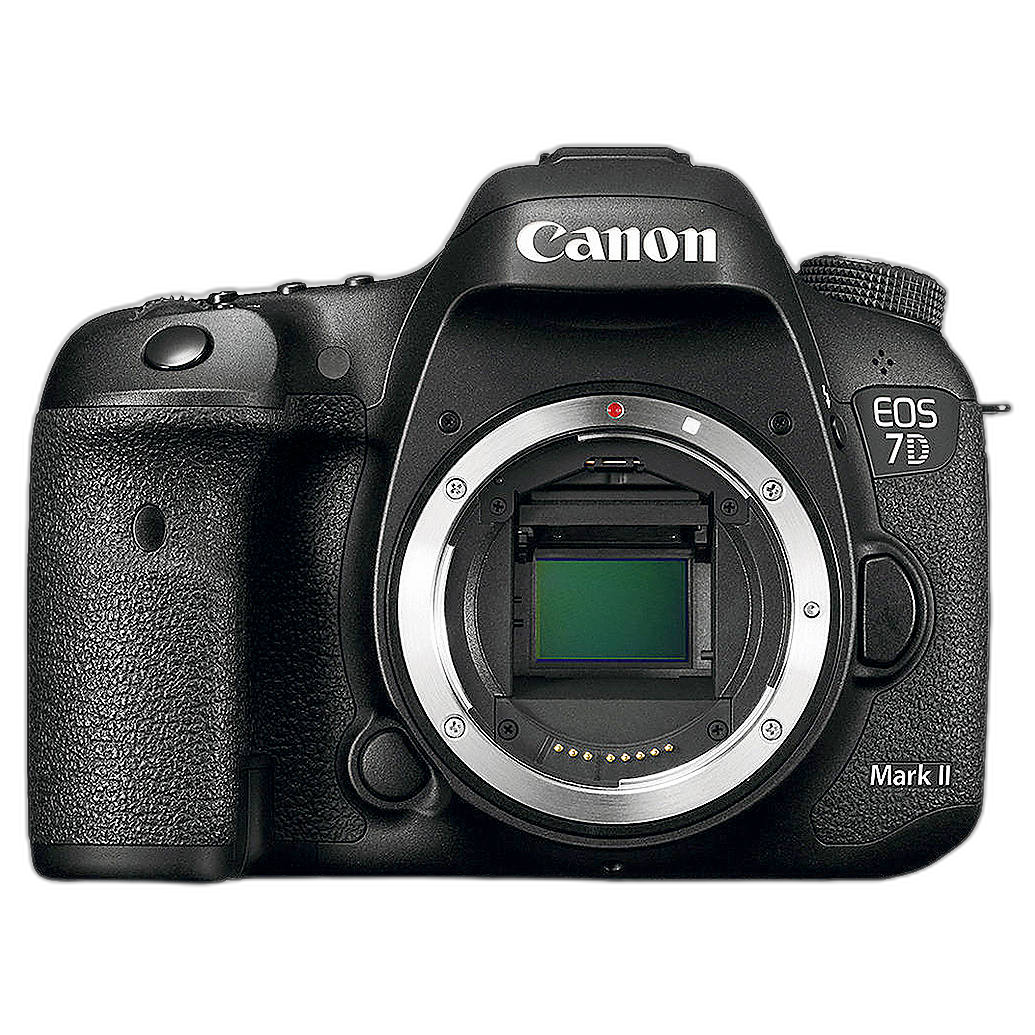
When Canon introduced the EOS 7D Mark II in September 2014, it arrived with a very specific mission: deliver serious speed, durability, and autofocus performance in an APS-C body for photographers who needed to keep up with action. In an era when full-frame cameras often dominated the headlines, the 7D Mark II made a strong case for the crop-sensor DSLR as a professional tool rather than a compromise. For sports, wildlife, aviation, and fast-moving event work, it offered a combination of reach, responsiveness, and rugged handling that immediately stood out.
Priced at $1,799 at launch, the Canon EOS 7D Mark II sat in an interesting position within Canon's lineup. It was not simply an enthusiast model with a few pro features sprinkled in. Instead, it felt like a camera designed around performance priorities: fast burst shooting, sophisticated autofocus, and dependable build quality. Looking back, that focus is exactly why the camera has remained so well regarded.
A Flagship Mindset in APS-C Form
The original EOS 7D had already earned a reputation as a favorite among action photographers who wanted Canon's EF lens ecosystem and the apparent telephoto advantage of APS-C. The EOS 7D Mark II took that formula and pushed it further. At its core was a 20.2MP APS-C sensor, a resolution that struck a practical balance for the time: detailed enough for publication and cropping, but still paired with the speed and file handling needed for high-volume shooting.
Just as important was the camera's overall personality. The 7D Mark II did not present itself as a lifestyle DSLR or a general-purpose step-up body. It was engineered for the photographer standing on a sideline, at a racetrack, near a bird blind, or under difficult weather conditions. Canon's design and messaging around the camera emphasized reliability and motion, and the feature set backed that up.
10 fps: Speed That Defined the Camera
The headline specification for many photographers was simple: 10 fps continuous shooting. In 2014, that was a serious number, especially in an APS-C DSLR. It put the 7D Mark II in conversation with much more expensive bodies whenever the subject involved split-second timing. Whether the goal was freezing a soccer player at the peak of a kick, a diving bird, or a motorcyclist leaning into a turn, 10 fps meant more chances to capture the decisive frame.
What made that speed so compelling was how clearly it matched the camera's intended audience. Sports and wildlife shooters do not just need high image quality. They need responsiveness, consistency, and a body that can sustain demanding use over the course of long assignments. The 7D Mark II's burst rate signaled that Canon understood this camera as a working tool.
65-Point All Cross-Type Autofocus
If burst speed got the attention, autofocus cemented the camera's reputation. The EOS 7D Mark II featured a 65-point all cross-type AF system, a specification that immediately conveyed seriousness. Cross-type points are valuable because they are better equipped to detect contrast in different orientations, which improves accuracy and confidence when tracking moving subjects.
Having 65 all cross-type points gave photographers broad coverage and flexibility in composing action. For field sports and wildlife, where subjects move unpredictably and quickly, autofocus performance can matter more than almost any other specification. Canon clearly positioned the 7D Mark II as a camera that would not ask shooters to choose between APS-C reach and advanced AF capability.
At the time of release, this AF system helped distinguish the 7D Mark II from many cameras below it in price. It was one of the clearest signs that Canon wanted the body to appeal not only to ambitious enthusiasts, but also to professionals needing a second body or a specialized crop-sensor option alongside full-frame gear.
The Practical Appeal of APS-C for Sports and Wildlife
One reason the EOS 7D Mark II resonated so strongly is that APS-C was not merely about affordability. For many photographers, it was about practicality. A 20.2MP APS-C sensor paired with Canon EF lenses gave extra framing tightness compared with full-frame, something sports and wildlife photographers often welcomed. In real-world use, that meant a lens kit could go further when distant subjects were involved.
This was especially attractive to photographers using Canon telephoto glass in the EF mount. The camera fit naturally into existing Canon systems, and its compatibility with the broader EF ecosystem made it versatile. A photographer could build around fast zooms for sports, long primes for wildlife, or even adapt the body for general-purpose assignments when needed. That flexibility was a major part of the 7D Mark II's staying power.
Canon EF Mount and System Strength
The EOS 7D Mark II used the Canon EF mount, giving buyers access to one of the most established lens systems in photography. By 2014, Canon users already had a deep catalog of EF lenses to choose from, from affordable staples to top-tier L-series optics. For the 7D Mark II buyer, this mattered as much as the body itself. A fast, autofocus-heavy camera only reaches its potential when paired with lenses that can keep pace.
The value of system maturity should not be underestimated in hindsight. Cameras come and go, but mount ecosystems shape real purchasing decisions. The 7D Mark II benefited from arriving in a well-developed Canon world, where many photographers already owned lenses and accessories that made upgrading straightforward.
Positioning at Launch
At $1,799 at launch, the EOS 7D Mark II occupied a strategically important tier. It was expensive enough to signal serious intent, but still attainable for committed enthusiasts and freelancers who needed high-performance features without stepping into the costlier upper end of Canon's full-frame and flagship DSLR range. In that sense, it was a classic Canon release: a camera that addressed a known audience with a carefully judged mix of speed, autofocus sophistication, and system compatibility.
It also arrived at a moment when DSLR development was still highly competitive and deeply refined. Manufacturers were honing autofocus modules, improving burst rates, and building ever more specialized cameras. The 7D Mark II represents that period well. It was not trying to do everything for everyone. It was trying to be excellent at action photography, and that clarity of purpose is one of its enduring strengths.
Why the 7D Mark II Endured
In retrospect, the EOS 7D Mark II stands out because it solved real photographic problems in a direct way. Need speed? It offered 10 fps. Need dependable subject tracking? It brought a 65-point all cross-type AF system. Need a sensor format that made telephoto work more practical? Its 20.2MP APS-C sensor delivered that appeal. Need compatibility with a mature lens system? Canon's EF mount was already one of the strongest in the industry.
Many cameras are remembered for introducing a radical concept. The 7D Mark II is remembered for executing a proven concept exceptionally well. It refined the idea of the rugged, high-speed APS-C DSLR to such a degree that it remained relevant long after its debut. For photographers who valued timing, reach, and dependable handling over trend-chasing, it became a camera that was easy to trust.
A Historical Favorite in Canon's DSLR Lineup
Seen from today's perspective, the EOS 7D Mark II captures the mature phase of Canon's DSLR era. It reflects a time when camera makers could produce highly specialized bodies with strong system support and clear audiences in mind. Rather than serving as a compromise beneath full-frame, the 7D Mark II argued that APS-C could be the ideal format for certain jobs.
That is why the camera still inspires affection among sports and wildlife photographers. It did not need to redefine photography. It simply needed to be ready, fast, and accurate whenever the action started. In that role, it earned its place.
If you want to explore the Canon EOS lineage, shop Canon gear, or learn more about classic and current camera equipment, Unique Photo is a great place to buy, compare, and dig deeper into the history behind the tools photographers love.