Budget Portrait Lenses: Which 50mm Offers the Best Sharpness and Bokeh?
Few lenses are as beloved as the 50mm prime. It’s small, fast, and (usually) affordable—making it a go-to for portraits with creamy backgrounds and excellent low-light performance. In this head-to-head, we compare today’s most popular budget-friendly 50mm options to see which delivers the best blend of sharpness and bokeh for portrait shooters.
The Contenders
This comparison focuses on three widely available, budget-minded 50mm primes for full-frame mirrorless systems:
- Canon RF 50mm f/1.8 STM – Canon’s light, low-cost “nifty fifty” for EOS R bodies.
- Sony FE 50mm f/1.8 – A compact, affordable prime for Sony full-frame E-mount.
- Nikon NIKKOR Z 50mm f/1.8 S – The pricier pick of the group, but a strong benchmark for optical quality among 1.8s.
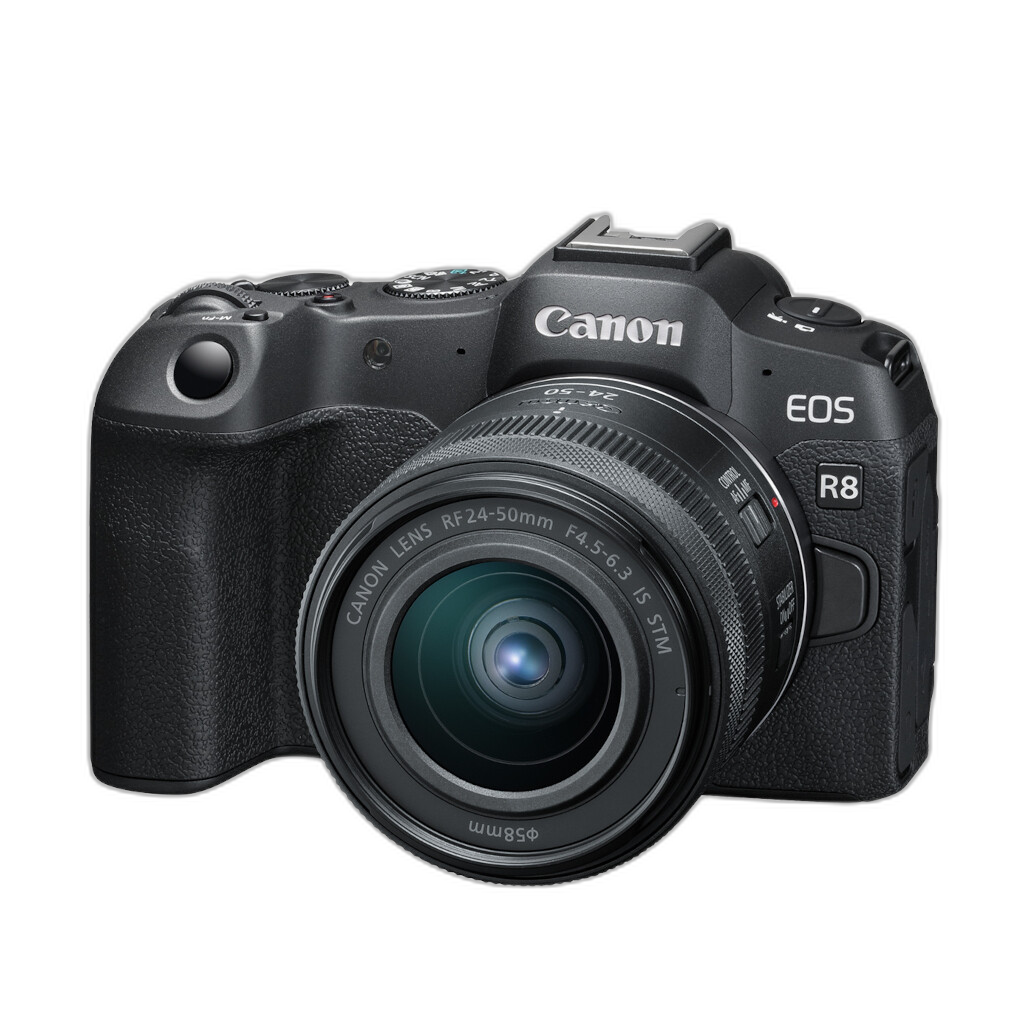
Note: Images shown below depict compatible camera bodies available at Unique Photo for system context.
Side-by-Side Specs
| Spec | Canon RF 50mm f/1.8 STM | Sony FE 50mm f/1.8 | Nikon Z 50mm f/1.8 S |
|---|---|---|---|
| Mount | Canon RF | Sony E (FE) | Nikon Z |
| Max aperture | f/1.8 | f/1.8 | f/1.8 |
| Aperture blades | 7 rounded | 7 rounded | 9 rounded |
| Optical design | 6 elements in 5 groups (1 aspherical) | 6 elements in 5 groups (1 aspherical) | 12 elements in 9 groups (2 ED, 2 aspherical) |
| Minimum focus | 0.30 m (0.98 ft) | 0.45 m (1.48 ft) | 0.40 m (1.31 ft) |
| Max magnification | 0.25× | 0.14× | 0.15× |
| Filter size | 43 mm | 49 mm | 62 mm |
| AF drive | STM | DC motor | Stepping motor |
| Weight | ≈160 g | ≈186 g | ≈415 g |
| Weather sealing | No | No | Yes (gasketed) |
| Typical street price | Entry-level | Entry-level | Mid-tier |
Specs are summarized from manufacturer documentation and widely reported third-party data.
Category-by-Category Analysis
Sharpness (Center and Across the Frame)
For pure resolution, Nikon’s Z 50mm f/1.8 S stands out. It’s impressively sharp even wide open, with excellent edge-to-edge consistency by f/2.8. Canon’s RF 50mm f/1.8 delivers very strong center sharpness at f/1.8, with corners that tidy up noticeably by f/2.8–4. Sony’s FE 50mm f/1.8 can produce crisp results in the center, but it trails the other two in wide‑open consistency and shows more variation toward the edges until stopped down.
Bokeh and Rendering
Portraits live and die by bokeh. Nikon’s nine-blade diaphragm yields rounder specular highlights and especially smooth transitions—one reason many portrait shooters love it. Canon’s RF 50mm produces pleasing background blur with a gentle falloff; you may see some cat’s‑eye shaping toward the frame edges and mild texture in highlights from the molded aspherical, but overall rendering is lovely for the price. Sony’s FE 50mm has a classic, slightly busier bokeh signature with more outlining and longitudinal chromatic aberration visible in high-contrast backgrounds.
Autofocus and Tracking
Canon’s STM drive is quiet and precise, pairing nicely with modern Dual Pixel AF bodies for dependable eye-detection portraits. Nikon’s stepping motor is similarly quiet and confident, keeping up well with subject movement. Sony’s FE 50mm uses an older DC motor: it focuses accurately but is audibly louder and can hunt more in continuous AF compared with Sony’s newer linear-motor designs.
Minimum Focus and Subject Isolation
Canon’s 0.30 m minimum focus and 0.25× magnification give it the edge for tight headshots, detail cutaways, and small-product portraits. Nikon and Sony both get reasonably close, but neither reaches the Canon’s quarter‑life‑size reproduction.
Build, Handling, and Weather Resistance
Canon and Sony keep weight and cost down with compact, lightweight barrels—great for everyday carry. Nikon’s Z 50mm f/1.8 S is larger and heavier, but you’re rewarded with more robust construction and weather sealing. Filter thread sizes differ (Canon 43 mm, Sony 49 mm, Nikon 62 mm), which may matter if you already own filters.
Video Performance
Nikon’s Z 50mm f/1.8 S shows restrained focus breathing and quiet drive noise, making it a solid hybrid pick. Canon’s RF 50mm has moderate breathing and generally quiet operation. Sony’s FE 50mm is usable for video but exhibits more audible AF and more noticeable breathing compared with newer designs.
Value
On a tight budget, Canon’s RF 50mm f/1.8 STM is the value champion—strong optical performance, excellent close focus, and a very accessible price. Sony’s FE 50mm f/1.8 remains one of the most affordable ways to get shallow depth of field on full-frame E‑mount. Nikon’s Z 50mm f/1.8 S costs more than the others, but delivers class‑leading optics and better build, making it a worthwhile investment if your budget allows.
System Notes and Pairings
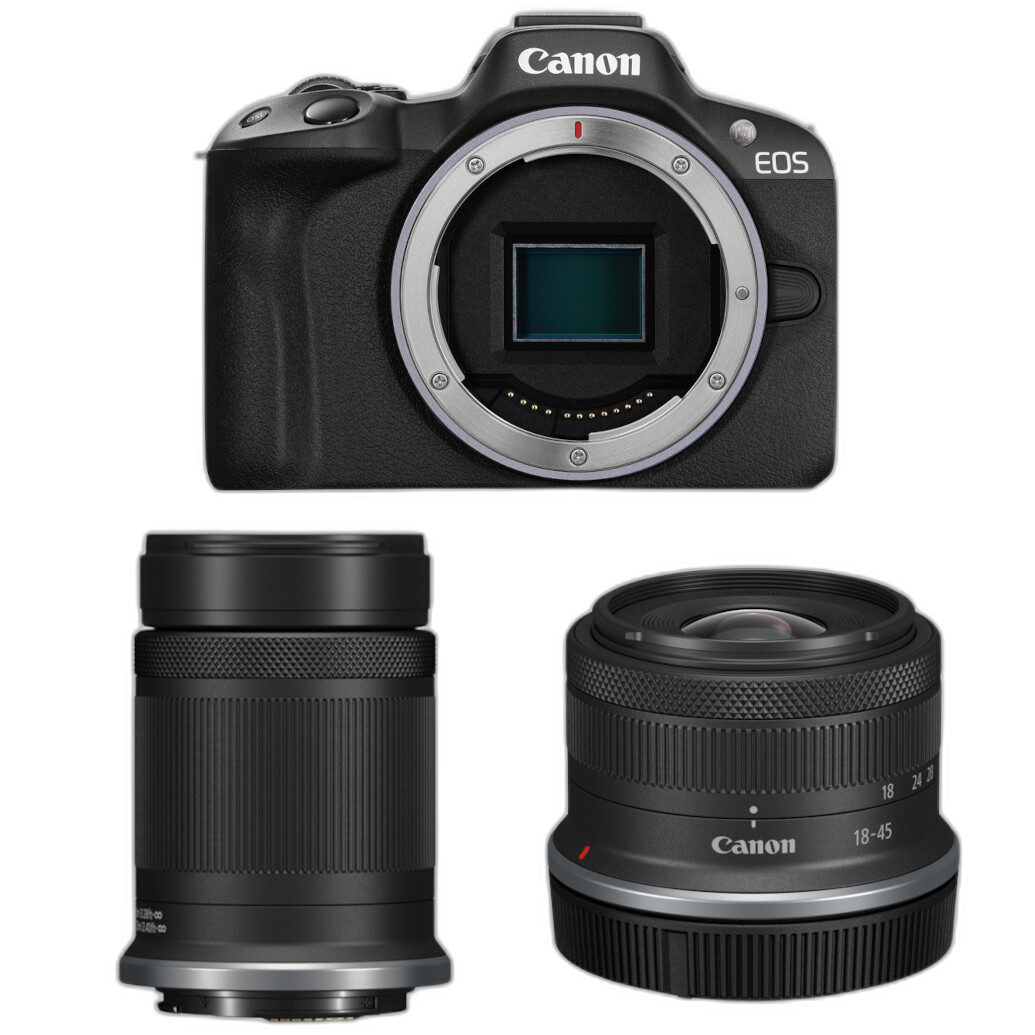
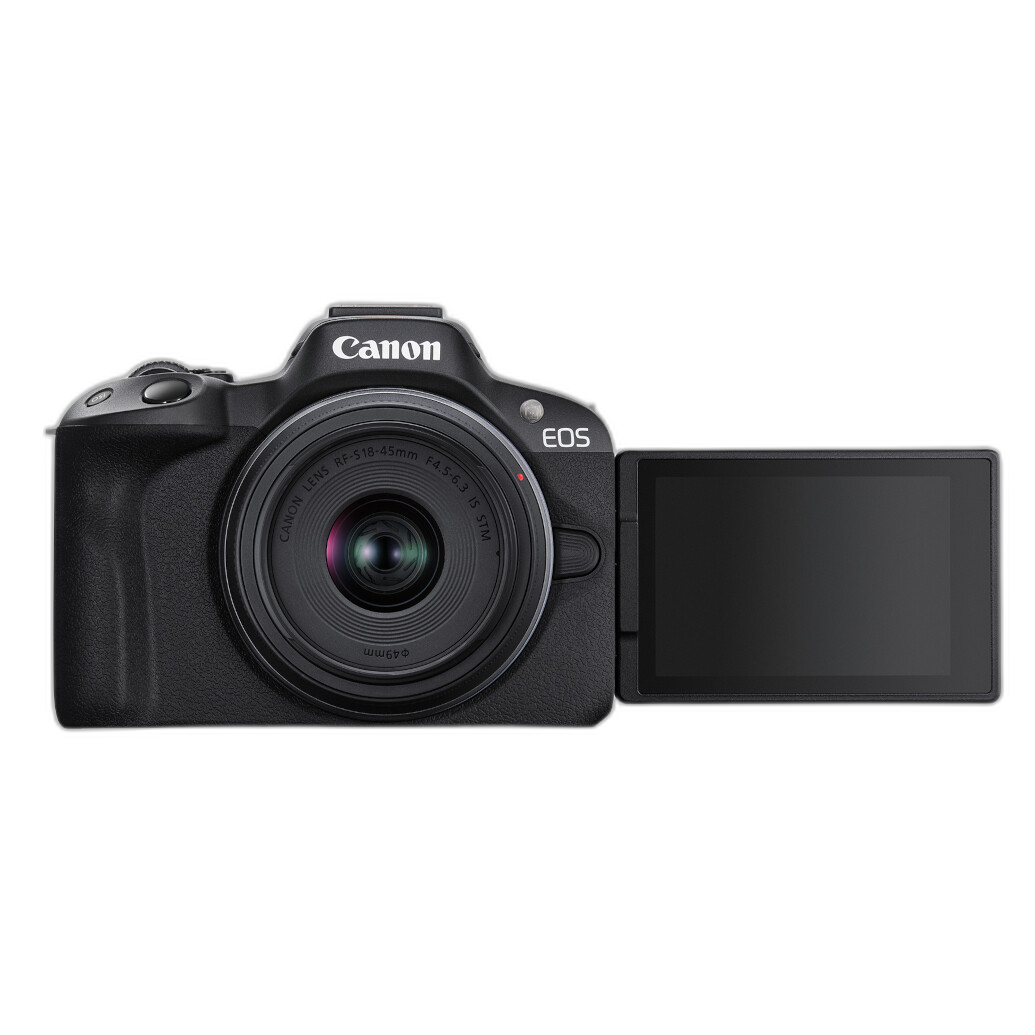
On APS‑C bodies like Canon’s EOS R10/R50, a 50mm behaves like an ~80mm equivalent—excellent for tight portraits. Full-frame bodies give you the classic 50mm field of view for environmental portraits and general use.
What about Micro Four Thirds?
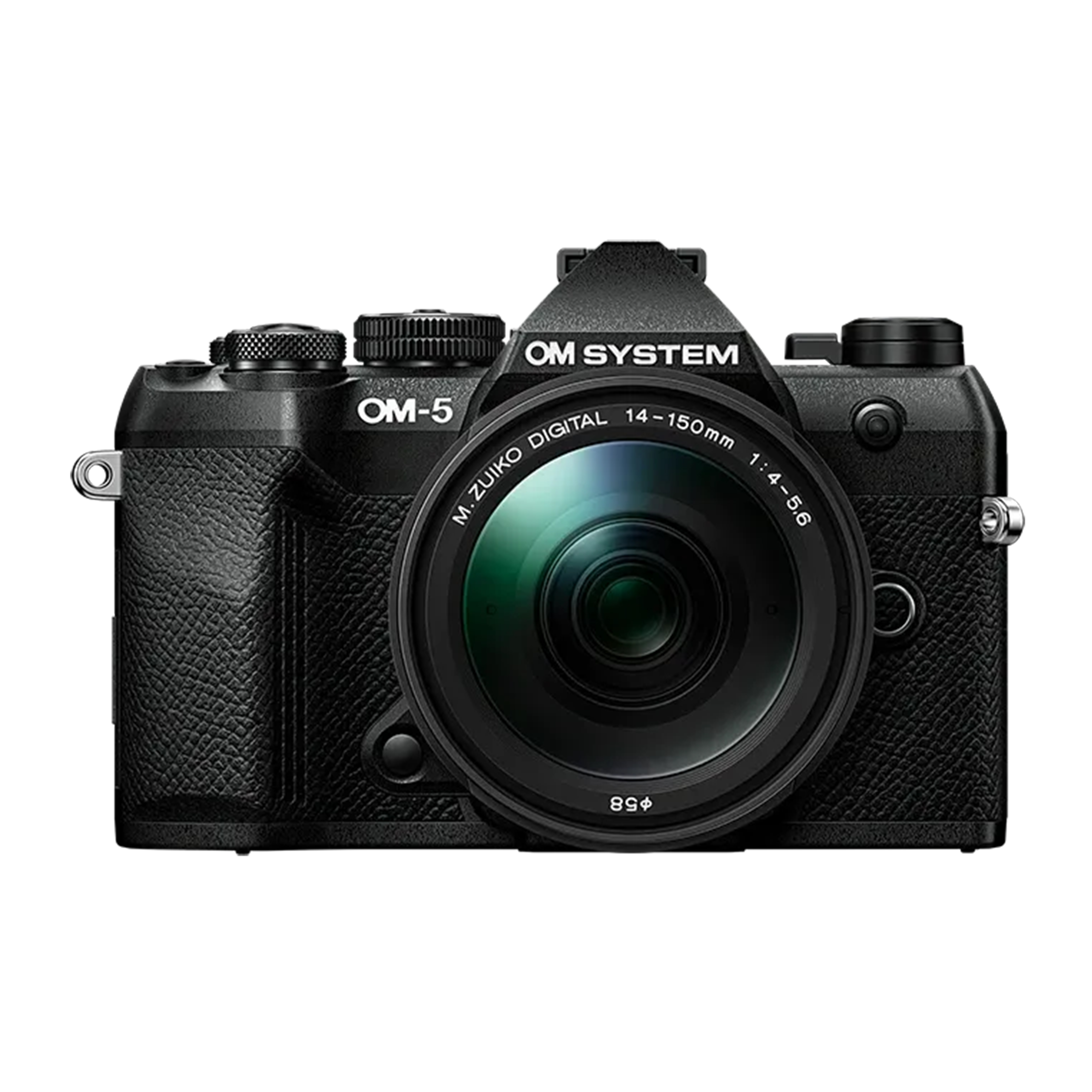
If you shoot Micro Four Thirds, a 25mm f/1.8 delivers a 50mm‑equivalent angle of view. Compact 25mm primes are light, fast-focusing, and can produce beautiful subject separation, especially at close distances—an appealing budget portrait path in a smaller system.
Our Pick
Best Budget Buy: Canon RF 50mm f/1.8 STM. It balances sharpness, pleasing bokeh, close‑focus versatility, and price better than any other true “budget” 50mm here. For Canon EOS R shooters, it’s an easy, high‑impact upgrade for portraits.
Optical Benchmark (if you can spend more): Nikon Z 50mm f/1.8 S. If absolute sharpness and the smoothest bokeh are your priorities, Nikon’s S‑line 50mm sets the standard in this group, with weather sealing as a bonus.
Sony E‑mount Value: Sony FE 50mm f/1.8. Still a cost‑effective gateway to full‑frame portrait depth of field. If you’re sensitive to AF noise or bokeh texture, consider stopping down slightly or exploring next‑tier alternatives.
Conclusion
For most portrait shooters seeking the best balance of sharpness, bokeh, and price, the Canon RF 50mm f/1.8 STM is the standout. Nikon’s Z 50mm f/1.8 S is the sharpness king if your budget stretches, and Sony’s FE 50mm f/1.8 remains a practical, affordable path to shallow‑depth portraiture. Visit Unique Photo in-store or online to compare these systems in person, get hands‑on with compatible bodies, and find the 50mm that fits your style and budget.