If you're building your first lighting kit, the biggest challenge usually isn't just choosing gear—it's figuring out how to use it well without overspending. This guide is for beginners who want practical, budget-conscious lighting recommendations that improve portraits, events, and creative shoots without getting overwhelmed. Because the available products here focus on lighting education and a few useful accessories, this buying guide takes a smart beginner approach: invest in learning first, then add targeted accessories and protection as your kit grows.
A beginner lighting setup can go a long way with one light, one modifier, a stand, and solid technique. The right class or training session can save you from buying the wrong gear, while a few carefully chosen accessories help you get more out of simple tools. Below are our practical recommendations for photographers who want to learn lighting efficiently and stretch their budget.
What beginners should prioritize in a budget lighting kit
Before buying multiple lights, focus on the essentials:
- Core technique: Learn key light placement, fill, and background separation.
- Versatility: Start with setups that work for portraits, small products, and events.
- Portability: Lightweight kits are easier to practice with consistently.
- Protection: Cases matter once you begin carrying stands and lighting modifiers.
- Creative control: Simple gels and modifiers add variety without a huge budget increase.
For most beginners, education is the highest-value purchase because it helps every future gear decision make more sense.
Quick comparison for beginner-friendly lighting recommendations
| Product | Best For | Why It Stands Out | Beginner Value |
|---|---|---|---|
| Portrait Lighting Made Easy with Joel Grimes (Westcott) | First-time portrait shooters | Approachable portrait lighting instruction | Excellent |
| CS: Key Lighting Methods with Mark Raker (Nanlite) | Learning foundational setups | Strong emphasis on key light technique | Excellent |
| Mastering Portrait Lighting: Mixing Flash and Ambient Light (Session 9) | Outdoor and environmental portraits | Helps beginners balance flash with available light | Very High |
| Posing and Lighting Bootcamp: Reception Lighting w. Magda and Simon (Philly) | Event and wedding beginners | Practical reception lighting scenarios | Very High |
| LEE Filters Rose Purple Lighting Effect Gel Filter | Creative accents on a budget | Affordable way to add color effects | Good |
| SKB iSeries 3i-4213-12 Case with Think Tank Designed Lighting/Stand Dividers | Protecting and transporting growing kits | Rugged organization for lights and stands | Good for expanding kits |
Our Pick
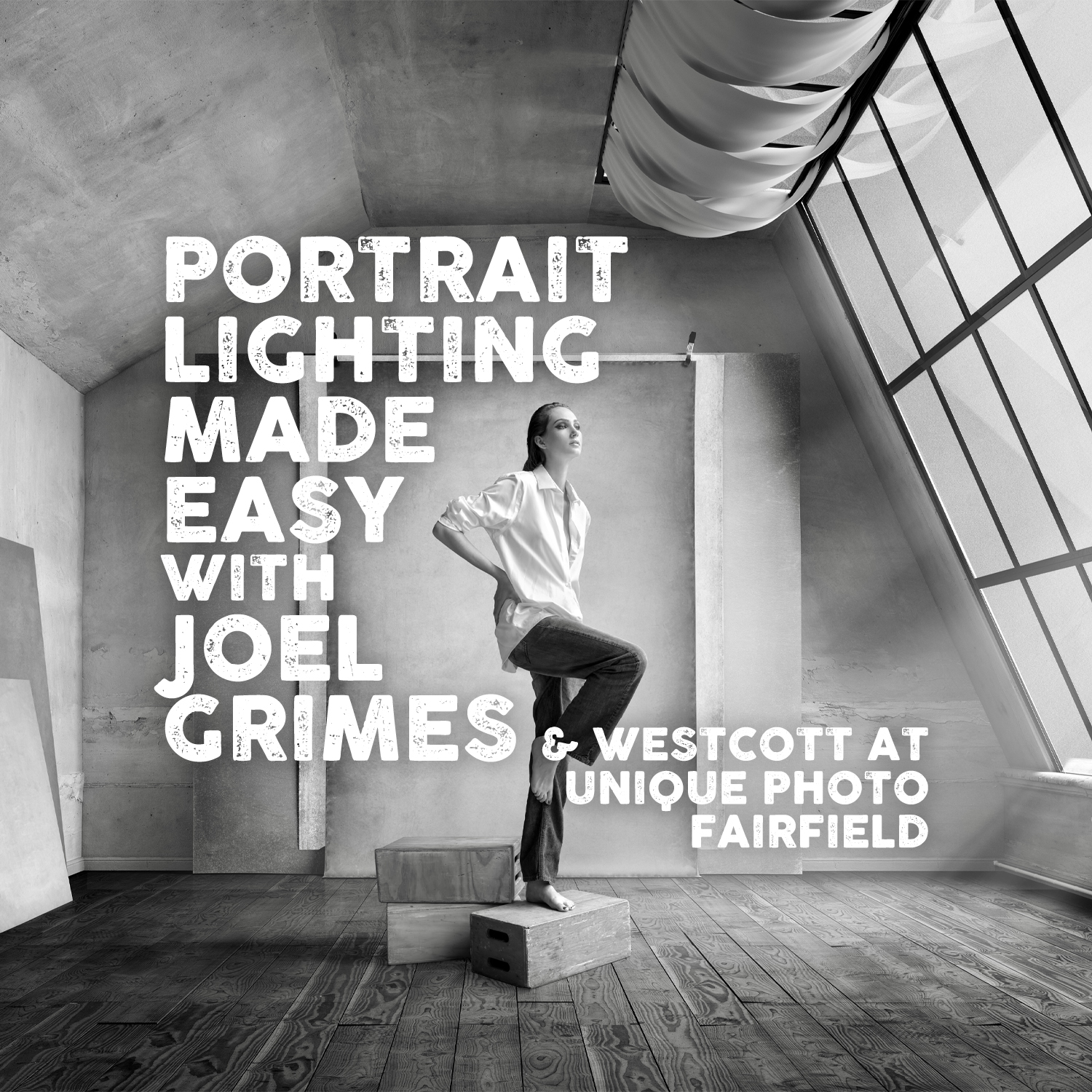
Portrait Lighting Made Easy with Joel Grimes (Westcott) is our top recommendation for beginners building a budget lighting kit. It addresses the most important part of the process—understanding how to create flattering light with simple setups. For new photographers, that knowledge is often more valuable than buying a second or third light too early.
Best beginner lighting recommendations
Portrait Lighting Made Easy with Joel Grimes (Westcott)
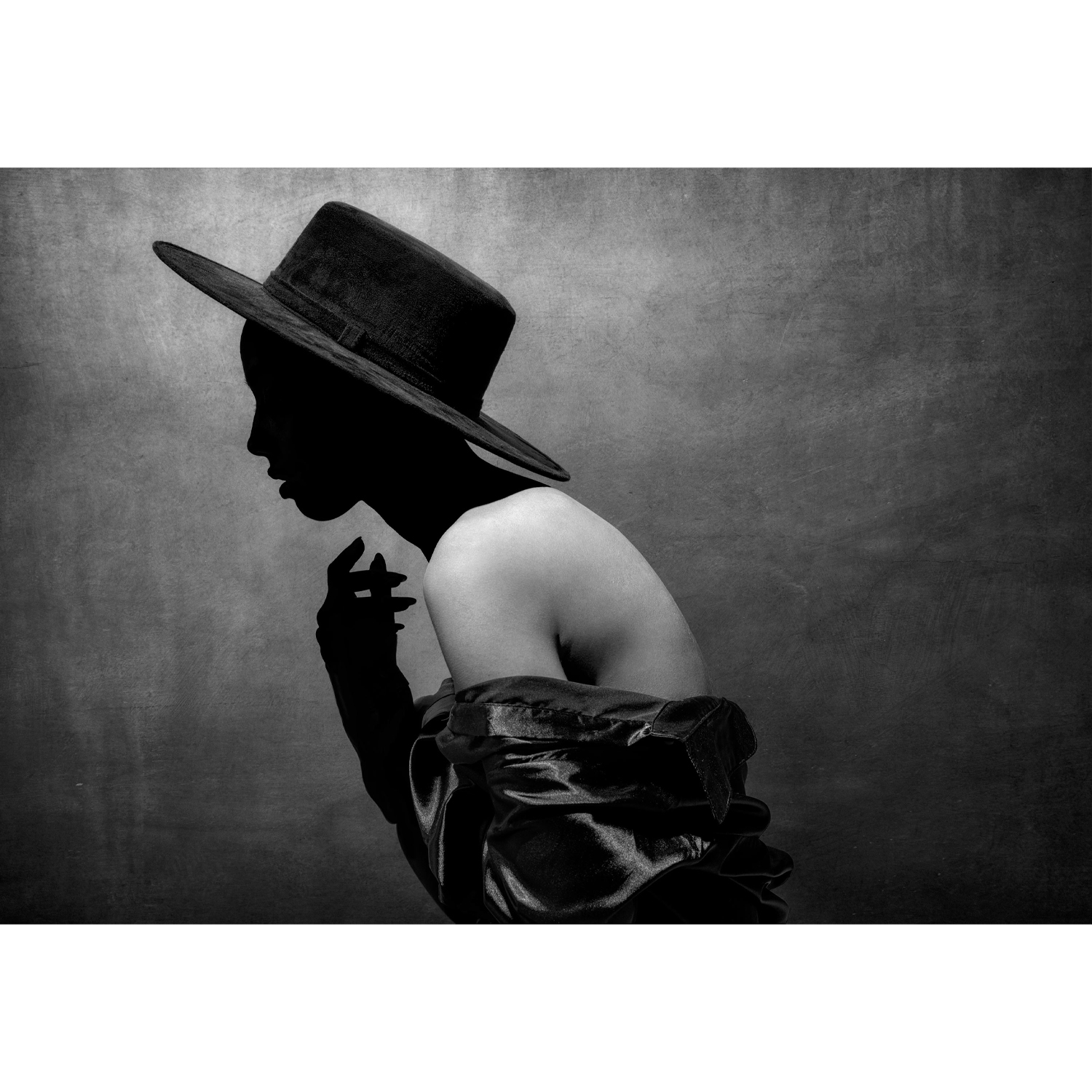
This is the strongest starting point for photographers who want to build a portrait lighting kit without wasting money. Instead of guessing which softbox, reflector, or strobe to buy next, beginners can first understand what actually shapes a portrait: light direction, quality, contrast, and placement.
Why it's great for beginners:
- Helps simplify portrait lighting concepts.
- Encourages better results from minimal gear.
- Useful whether you shoot with flash or continuous light.
Practical recommendation: If your budget is tight, start here and pair that knowledge with one entry-level light and one modifier. You'll likely get more improvement from technique than from adding extra equipment too soon.
CS: Key Lighting Methods with Mark Raker (Nanlite)
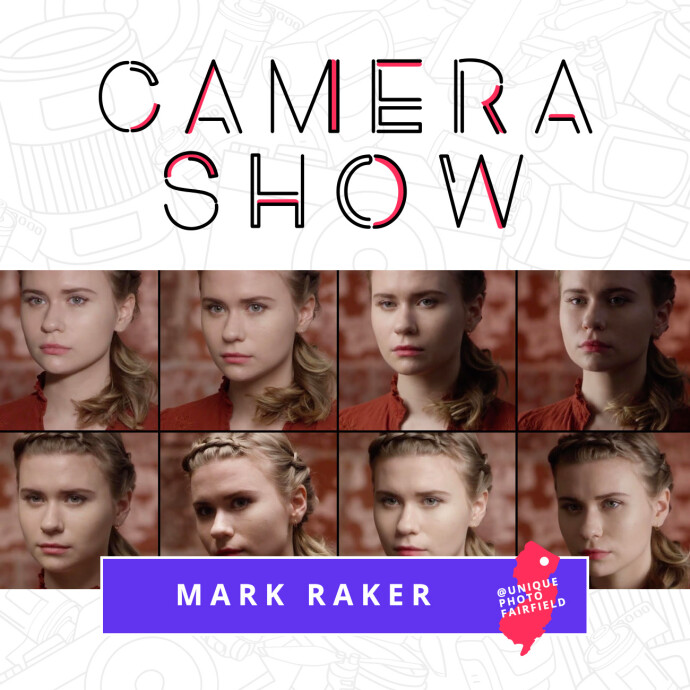
For beginners, mastering the key light is the fastest path to cleaner, more professional-looking images. This recommendation is ideal for photographers who want to understand the main light source first before worrying about more advanced multi-light setups.
Why it's a smart budget choice:
- Focuses on the most important light in nearly every setup.
- Helps beginners work effectively with fewer lights.
- Builds a foundation that applies to portraits, interviews, and product work.
Best for: Creators who want a practical understanding of lighting shape and facial modeling before expanding their kit.
Mastering Portrait Lighting: Mixing Flash and Ambient Light (Session 9)

Once you've learned basic light placement, the next challenge is balancing your flash with natural or existing light. This session is especially valuable if you shoot outdoors, in homes, or on location where the ambient light is always changing.
Why beginners should consider it:
- Teaches how to make one flash go further.
- Improves environmental portraits without requiring a large lighting kit.
- Useful for photographers moving beyond simple indoor setups.
Practical recommendation: If you already own a speedlight or small strobe, this kind of instruction can dramatically improve your results without any major new gear purchase.
Posing and Lighting Bootcamp: Reception Lighting w. Magda and Simon (Philly)
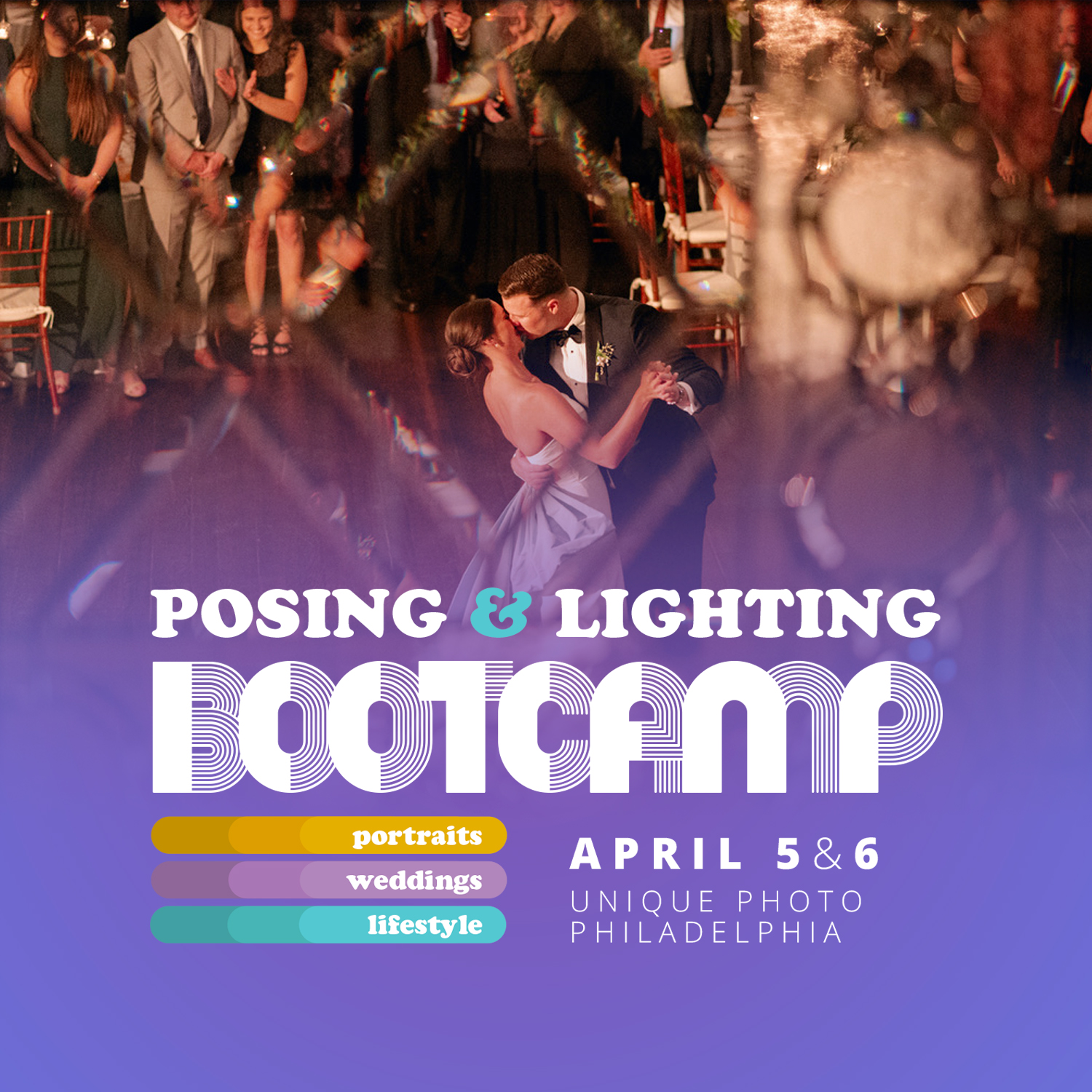
Event and wedding beginners face a different lighting challenge: working fast in dim venues with unpredictable ceilings, mixed color temperatures, and moving subjects. This bootcamp is a strong recommendation for anyone planning to shoot receptions, parties, or live events on a budget.
Why it's useful:
- Targets real-world low-light event scenarios.
- Can help you avoid common mistakes with bounce flash and on-camera lighting.
- Supports beginners who need practical solutions more than studio theory.
Best for: Aspiring wedding photographers, second shooters, and event creators assembling a compact, affordable lighting setup.
LEE Filters Rose Purple Lighting Effect Gel Filter
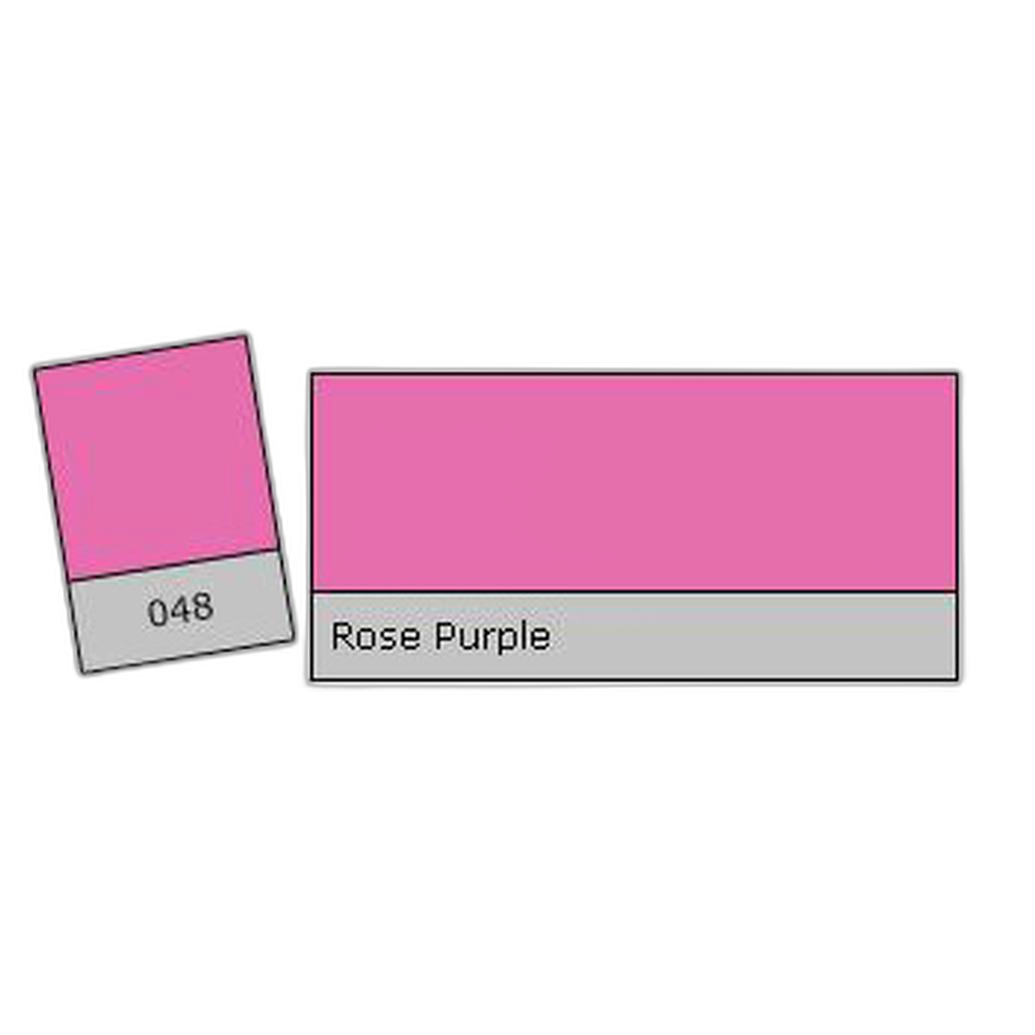
If you already have a basic light source, a gel filter is one of the cheapest ways to add creative variety. This LEE filter is not a complete kit on its own, but it's a budget-friendly add-on that can elevate portraits, background lighting, or stylized content.
Why it makes sense for beginners:
- Low-cost way to experiment with color.
- Useful for background accents and creative portrait effects.
- Lets a simple one-light setup look more dynamic.
Practical recommendation: Add gels after you've learned your main light placement. They're best used as creative tools, not substitutes for solid technique.
SKB iSeries 3i-4213-12 Case with Think Tank Designed Lighting/Stand Dividers
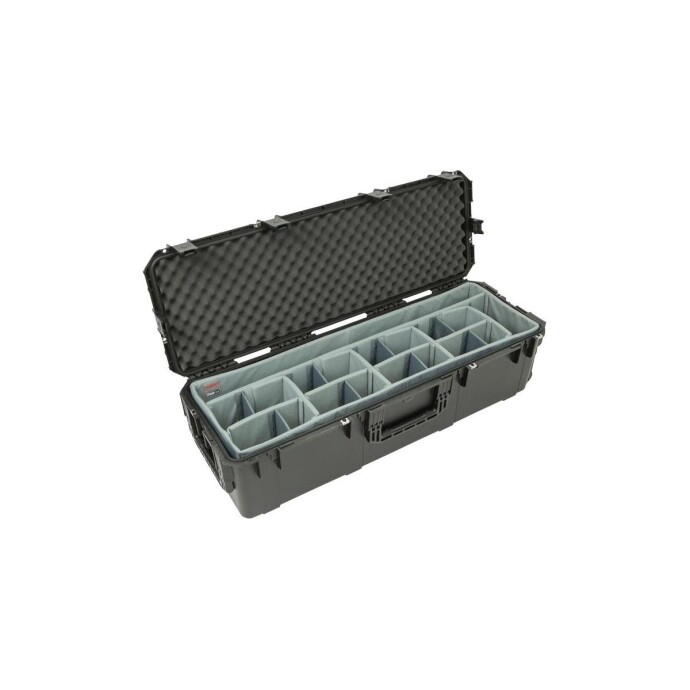
This isn't the first purchase for a beginner, but it's a smart upgrade once your budget lighting kit starts expanding. A protective case becomes especially important if you're carrying stands, compact lights, modifiers, and accessories to shoots or classes.
Why it stands out:
- Helps organize lights and stands neatly.
- Adds protection for transport and storage.
- Ideal for growing kits that need a more professional carrying solution.
Best for: Beginners transitioning from home practice to location work who want to protect their investment.
How to build a budget beginner kit in stages
A smart beginner path usually looks like this:
- Start with education: Learn portrait or key lighting before buying extra accessories.
- Buy one main light: A single dependable light and modifier can do a lot.
- Add control tools: Reflectors, grids, or gels expand options affordably.
- Practice with ambient light: Learn to combine flash and existing light for more flexibility.
- Protect your gear: Add a case once your kit becomes mobile.
This approach keeps spending under control and makes every purchase more intentional.
Who should buy what?
- Total beginners: Start with Portrait Lighting Made Easy with Joel Grimes (Westcott) or CS: Key Lighting Methods with Mark Raker (Nanlite).
- Portrait photographers on location: Add Mastering Portrait Lighting: Mixing Flash and Ambient Light.
- Event shooters: Choose Posing and Lighting Bootcamp: Reception Lighting.
- Creative shooters: Add the LEE Filters Rose Purple Lighting Effect Gel Filter for low-cost experimentation.
- Mobile photographers with expanding kits: Consider the SKB iSeries case for protection and organization.
Conclusion
For most beginners, the best budget lighting kit starts with knowledge, not a pile of gear. Our top recommendation is Portrait Lighting Made Easy with Joel Grimes (Westcott) because it helps new photographers get better results from simple, affordable setups. If your goal is foundational technique, CS: Key Lighting Methods with Mark Raker (Nanlite) is another excellent place to start, while event and on-location shooters should look closely at the more specialized training options.
As your kit grows, add creative tools like a gel filter and eventually a protective case for transport. For beginner-friendly lighting education and practical accessories, Unique Photo is a strong place to start building a smarter, more cost-effective setup.