If you shoot landscapes, travel, cars, water, architecture, or even casual outdoor portraits, a polarizing filter can be one of the most useful lens accessories you add to your kit. This guide is for photographers wondering whether a polarizer is really worth buying, what it actually does in real-world shooting, and which options make the most sense depending on your setup. The short answer: for many photographers, yes—a circular polarizer is absolutely worth it because it can reduce glare, deepen skies, improve color saturation, and help you make the image in-camera instead of trying to fake the effect later in editing.
That said, not every filter with “filter” in the name is a polarizer. Some products are designed for exposure control, graduated effects, or system mounting. Below, we’ll explain the difference, share practical buying advice, and highlight a few relevant options from Unique Photo.
What a Polarizing Filter Actually Does
A circular polarizing filter, often called a CPL, reduces reflections from non-metallic surfaces like water, glass, wet leaves, and painted surfaces. It can also make blue skies appear richer and clouds stand out more clearly. Unlike many effects that can be approximated in software, glare reduction is something you often need to capture at the moment of exposure.
In real shooting, that means a polarizer can help you:
- See through reflections on water or windows
- Reduce shiny hotspots on foliage and rocks
- Increase contrast in skies and clouds
- Improve apparent color saturation outdoors
- Create cleaner landscape files with less post-processing work
The tradeoff is light loss, typically around 1 to 2 stops, so you may need a slower shutter speed, higher ISO, or wider aperture.
Are Polarizing Filters Worth It for Most Photographers?
For outdoor photographers, the answer is usually yes. A good polarizer is one of the few accessories that can visibly improve an image before it ever reaches your memory card. It is especially worthwhile if you regularly photograph:
- Landscapes
- Lakes, waterfalls, and coastlines
- Cars and street scenes with lots of glass
- Fall foliage or greenery after rain
- Travel scenes in bright midday light
If you mostly shoot indoors, at night, or in controlled studio setups, a polarizer may spend more time in your bag than on your lens. It is also less useful on very wide lenses in some sky-heavy scenes, where polarization can look uneven across the frame.
Recommended Products
Canon 82mm Circular Polarizing Filter
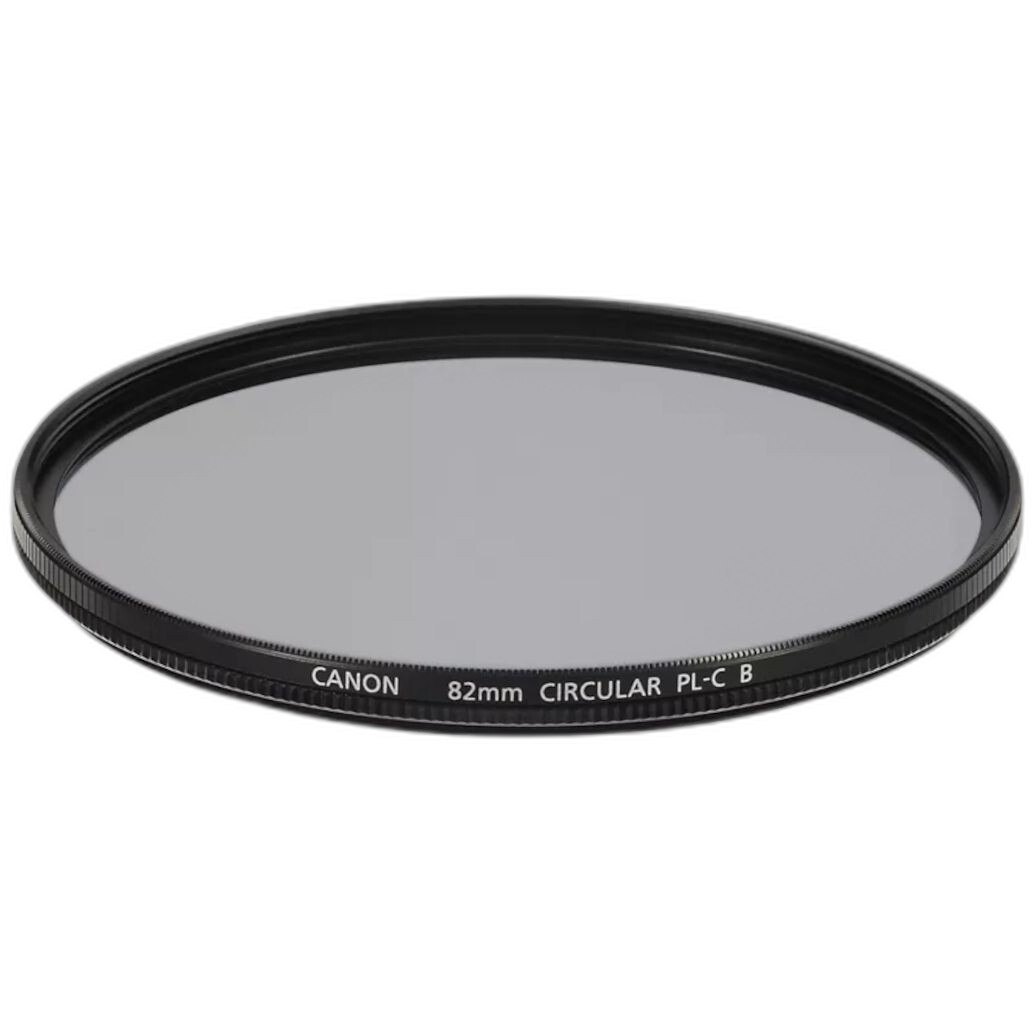
This is the straightforward recommendation for photographers specifically shopping for a polarizing filter. As a circular polarizer, it is designed for modern cameras and lenses, helping manage reflections and improve outdoor contrast without interfering with autofocus and metering in the way older linear polarizers could.
Why it stands out:
- True circular polarizing filter for photography use
- Useful for landscapes, water, foliage, and travel
- 82mm size suits many professional and enthusiast lenses
- Simple, direct solution if your lens thread is 82mm
Best for: Photographers with 82mm-thread lenses who want the classic CPL effect with minimal fuss.
LEE Filters LEE85 58mm Lens Ring
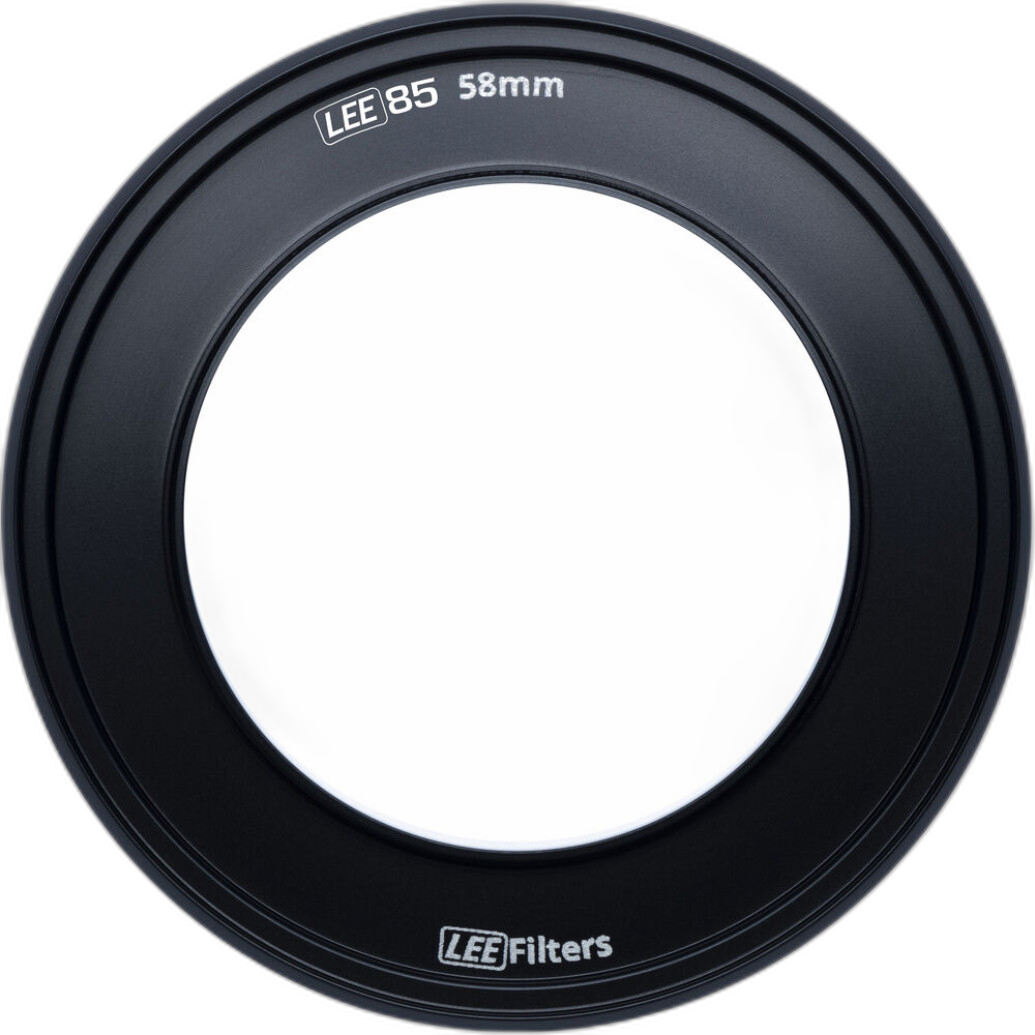
This is not a polarizer itself, but it is relevant if you are building a filter system around compatible LEE85 components. Lens rings let you mount system filters to lenses with a particular front thread size.
Why consider it:
- Useful as part of a modular filter workflow
- Helps adapt a LEE85 filter holder setup to 58mm lenses
- Good for photographers planning to use multiple filter types
Best for: Shooters already invested in or planning a LEE filter system.
LEE Filters 72mm Adapter Ring
Like the 58mm lens ring above, this adapter ring is not a polarizer, but it can be an important accessory if you want to use a filter holder system across several lenses. For photographers who use multiple thread sizes, adapter rings can be part of a more flexible long-term setup.
Why consider it:
- System-friendly accessory for compatible LEE setups
- Lets you work with 72mm lenses
- Helpful if you prefer holder-based filters over screw-in filters
Best for: Landscape photographers building a modular filter kit.
LEE Filters LEE85 85mm x 125mm 0.3 Grad Soft Resin Filter
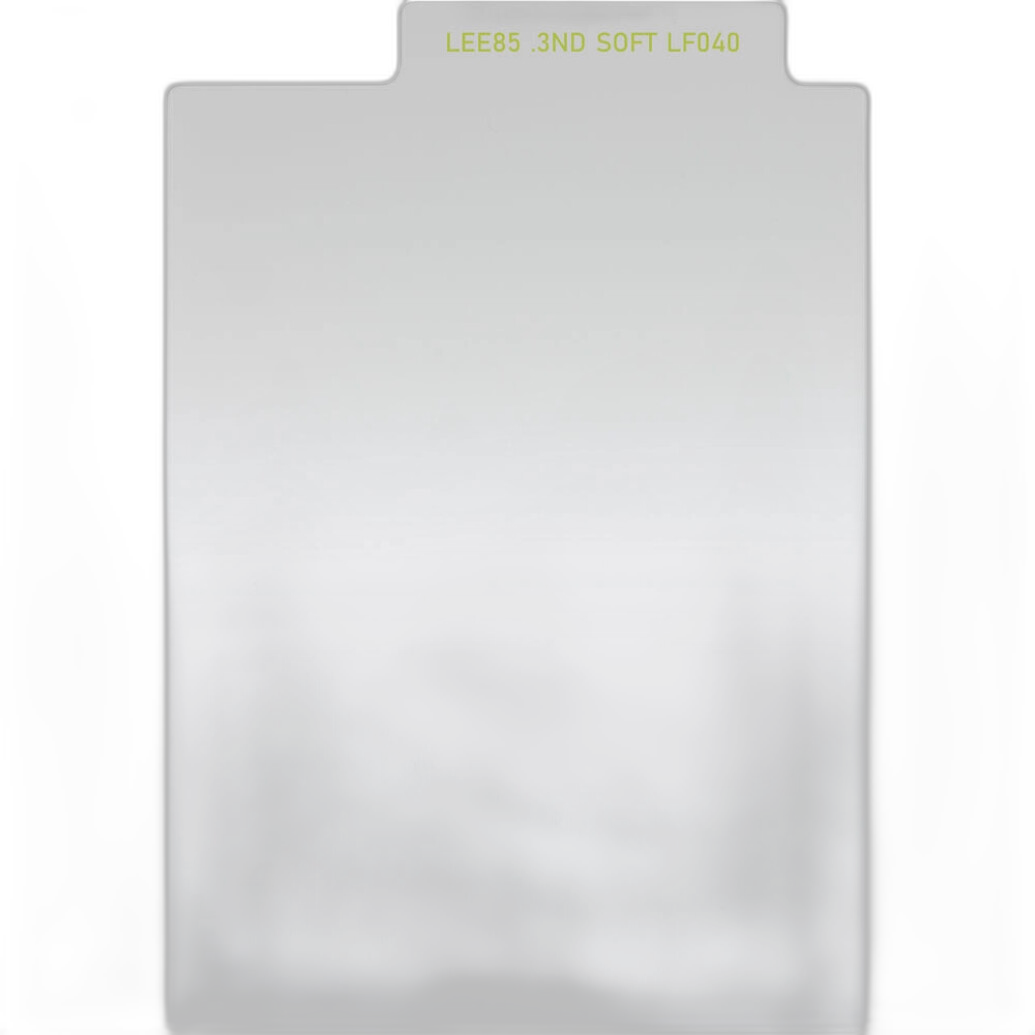
This is a graduated neutral density filter, not a polarizer, but it often appears in the same conversations because landscape photographers frequently use both. A soft grad helps balance bright skies with darker foregrounds.
Why it matters in this guide:
- Pairs well conceptually with a polarizer for landscape work
- Helps control exposure differences between sky and land
- Useful for in-camera balancing rather than relying entirely on HDR
Best for: Landscape shooters who want to build a more advanced filter toolkit.
LEE Filters LEE85 85mmx x 100mm 0.9 Standard Resin Filter
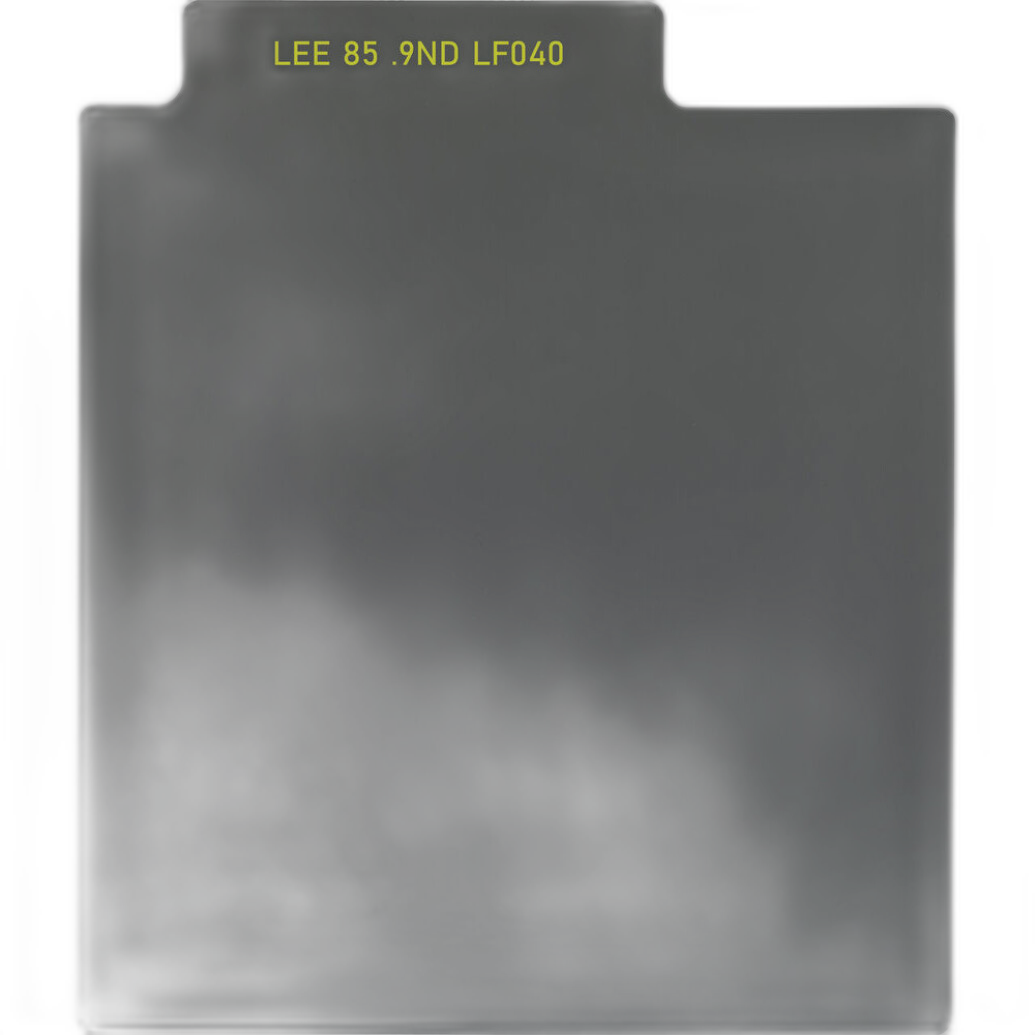
This standard ND filter is also not a polarizer, but it serves a complementary purpose. If a polarizer helps with reflections and color, an ND filter helps with shutter speed control for long exposures, like smoothing waterfalls or motion in clouds.
Why consider it alongside a polarizer:
- Expands creative control outdoors
- Excellent for long-exposure landscape photography
- Often part of the same field kit as a CPL
Best for: Photographers who want to go beyond glare reduction and build toward a full landscape filter setup.
Comparison Table
| Product | Type | Main Use | Polarizer? | Who It’s Best For |
|---|---|---|---|---|
| Canon 82mm Circular Polarizing Filter | Screw-in filter | Reduce reflections, deepen skies, improve outdoor color | Yes | Anyone with an 82mm lens thread wanting classic CPL benefits |
| LEE Filters LEE85 58mm Lens Ring | Lens ring | Mount compatible filter system components | No | Users building a LEE85 system on 58mm lenses |
| LEE Filters 72mm Adapter Ring | Adapter ring | Attach compatible holder systems to 72mm lenses | No | Photographers with 72mm lenses using a modular setup |
| LEE Filters LEE85 85mm x 125mm 0.3 Grad Soft Resin Filter | Graduated ND filter | Balance bright skies and darker foregrounds | No | Landscape photographers |
| LEE Filters LEE85 85mmx x 100mm 0.9 Standard Resin Filter | ND filter | Reduce light for longer exposures | No | Long-exposure and landscape shooters |
What Real-World Experience Usually Tells Photographers
Photographers who love polarizers usually mention the same things: water becomes clearer, leaves look less shiny and more saturated, and scenes in harsh sun feel more manageable. The effect is especially satisfying because you can rotate the filter and watch the scene change in real time.
The most common complaints are also consistent:
- They cut light, which can matter in dim conditions
- You need the correct filter size for your lens
- The effect can look uneven on ultra-wide lenses
- Cheap filters may reduce image quality or increase flare
So are they worth it? If you shoot outdoors often enough to notice reflections and washed-out skies, most photographers would say yes. If you rarely encounter those situations, your money may be better spent elsewhere.
How to Choose the Right Polarizer
Start with lens thread size. If your lens takes an 82mm filter, the Canon 82mm Circular Polarizing Filter is the obvious fit in this selection. If you use multiple lenses with different diameters, you might eventually prefer a system approach with rings and adapters, though you would still need a compatible polarizing component within that system.
Also consider your shooting style:
- Travel and walkaround: a screw-in CPL is fast and convenient
- Landscape systems: rings and holder-based accessories may be more flexible
- Long exposures: pair a polarizer with an ND filter kit over time
Final Verdict
Yes, polarizing filters are worth it for many photographers—especially if you shoot landscapes, water, travel, foliage, or reflective surfaces. They offer a practical benefit that is difficult to fully duplicate in post-processing, and they can noticeably improve your files right at capture.
If you want the most direct recommendation from this product group, go with the Canon 82mm Circular Polarizing Filter if your lens supports that size. If you are building a broader landscape setup, the LEE rings and resin filters shown here can complement a more advanced system-oriented workflow. For help choosing the right fit for your lens and shooting style, Unique Photo is a great place to start.