Budget Hybrid Cameras: Expert FAQ for Stills and 4K Video
Choosing a single camera that shoots beautiful photos and confident 4K video doesn’t have to break your budget. From autofocus and codecs to ergonomics and output, our experts at Unique Photo break down what matters most so you can buy once and create with confidence.
What features should I prioritize in a budget-friendly hybrid camera?
Start with the essentials: reliable 4K recording (ideally 10-bit and 4:2:2 for grading headroom), dependable subject-detection autofocus, in-body image stabilization (IBIS) for handheld video and low-light stills, and clean audio I/O (mic/headphone jacks). Ergonomics matter more than you think—dedicated controls, a fully articulating screen, and a clear menu system speed up real-world work. Finally, look for dual card slots (if possible), long battery life or USB-C power delivery, and practical record limits.
Are Micro Four Thirds cameras still a smart choice for hybrid shooters?
Absolutely. Micro Four Thirds (MFT) bodies remain compelling for hybrid creators because they’re compact, stabilized, and supported by a deep, affordable lens ecosystem. The smaller sensor can deliver excellent 4K quality, and the strong IBIS many MFT bodies offer is a gift for handheld video. Trade-offs include more depth of field at a given framing and potential noise increases at very high ISOs versus larger sensors. If you value portability, stabilization, and lens value, MFT stays highly relevant.
Which affordable cameras balance 4K video and still-image quality well?
At the entry-to-mid price range, APS-C mirrorless bodies from Canon, Fujifilm, Nikon, and Sony deliver excellent stills with robust 4K—many now offer 10-bit internal recording and advanced subject detection. MFT options from OM System and Panasonic remain standouts for stabilization, compact lenses, and video-first ergonomics. If your budget stretches a bit further, entry full-frame models can add dynamic range and low-light advantages without sacrificing modern video features. The right pick depends on your mix: if you’re 60/40 video-first, prioritize bodies with strong codecs, waveforms, and heat management; for 60/40 photo-first, favor ergonomics, viewfinders, and burst performance.
How important is autofocus for video compared to photo?
For video, AF consistency is king. Look for human and animal detection, adjustable AF transition speed and sensitivity, minimal focus breathing (or breathing compensation), and dependable tracking during movement. For controlled setups or narrative work, many creators still prefer manual focus with aids like focus peaking and magnification—especially when using cinema-style focus pulls. For stills, speed to acquire and stick to the subject matters most; for video, it’s how naturally and predictably focus moves.
Do I need 10-bit and Log profiles for budget hybrid work?
If you plan to grade your footage or mix clips from multiple cameras, 10-bit and Log (or HLG) are worth it. You’ll get smoother gradients, better skin tones, and more room to push exposure and color. If you’re delivering fast-turnaround social content, well-tuned standard profiles can be enough—just expose carefully and keep white balance consistent. Either way, learning a simple color workflow pays off across photo and video.
What about battery life, overheating, and media?
Compact bodies can run hot with high-bitrate 4K or long takes. Prioritize cameras with good thermal design, conservative bitrate options for routine work, and external power support for endurance shoots. For storage, UHS-II SD cards are great budget choices; CFexpress offers higher ceilings if your camera supports it. Bring at least two to three batteries for a full day, or use USB-C PD power for interviews and events.
Which lenses and accessories give the best value for hybrids?
A fast normal prime (f/1.4–f/1.8) is a budget hero for subject isolation and low light. Add a versatile constant-aperture zoom (like 24–70mm equivalent) for events and doc work, and consider a compact wide prime for vlogging or gimbal use. For video, a variable ND filter is essential outdoors; for audio, a quality on-camera shotgun mic and monitoring headphones make a bigger difference than most spec bumps. We carry a wide range of lenses, filters, mics, and support gear—visit us for a tailored kit.
Which brands have the most pleasing color for video?
Color is subjective—and modern cameras are excellent across the board. Canon is praised for skin tones, Fujifilm’s Film Simulations offer attractive looks in-camera, Sony and Nikon deliver neutral files that grade cleanly, and Panasonic’s V-Log workflow is a favorite among colorists. The best approach is consistency: shoot test charts or a simple gray card, standardize white balance, and build a repeatable LUT or grade. Then verify your look across devices—and even in print—to ensure it holds up everywhere.
How can I present and deliver my work affordably?
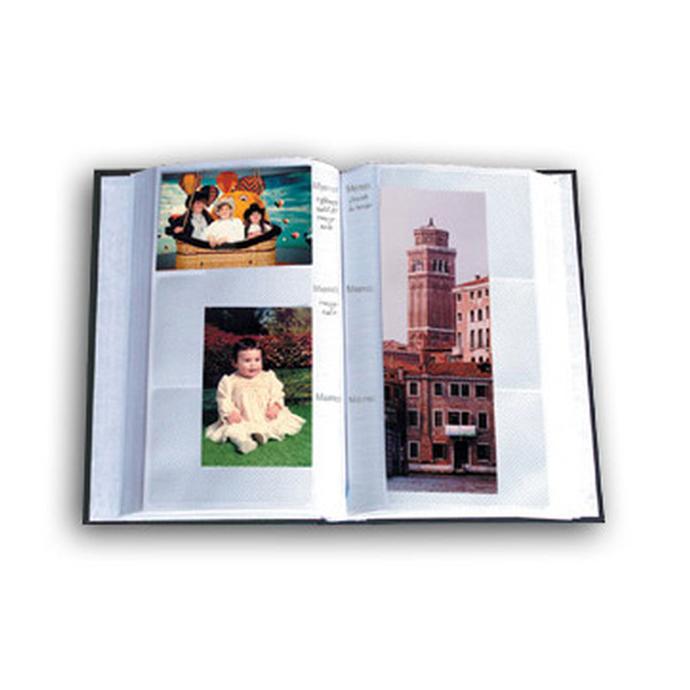
Thoughtful delivery makes budget projects feel premium. For quick proofs and keepsakes, order lab-quality 4x6s from the Unique Photo Lab. 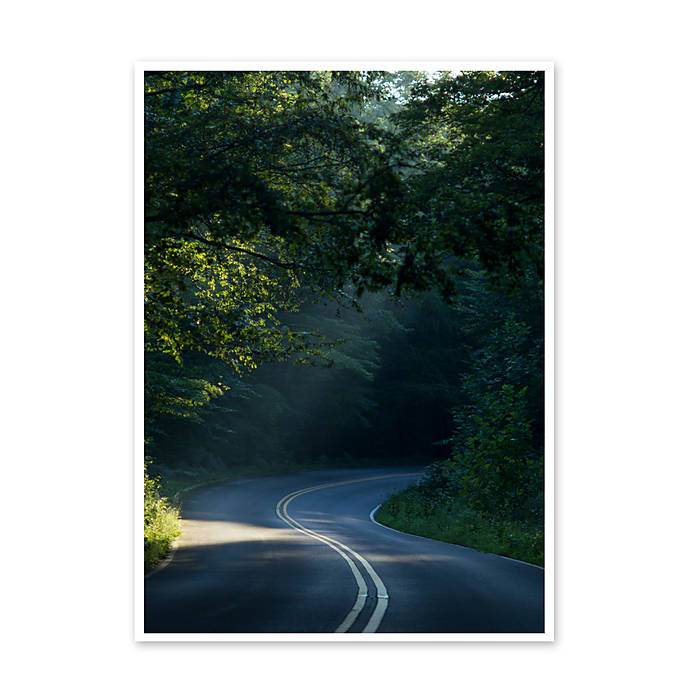 To present a cohesive story or client set, a compact album keeps prints safe and organized, and you can expand it as your project grows with refill pages.
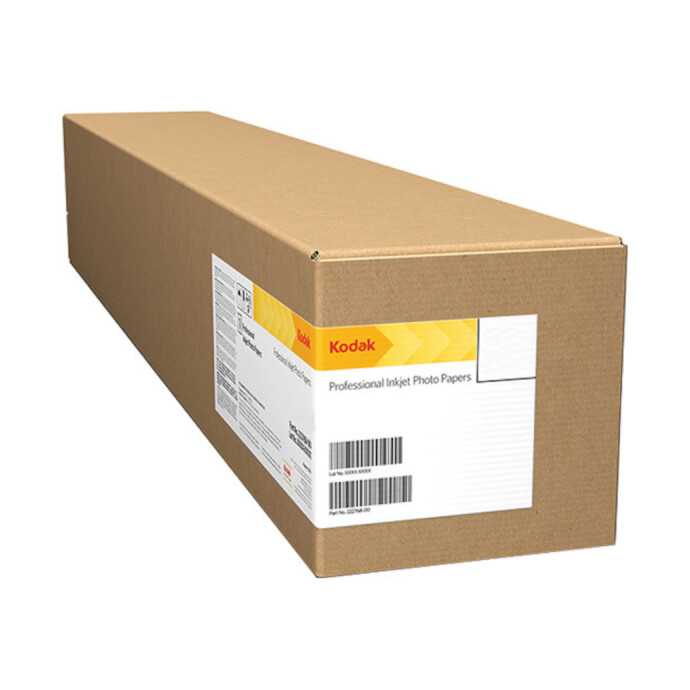
When you’re ready to showcase hero stills from your hybrid shoots, a desktop pro printer lets you control the final look. The 17-inch Epson SureColor P5370 produces exhibition-quality prints; pair it with a specialty stock like Kodak Professional Metallic to add a pearlescent pop to landscapes, portraits, or frame grabs. 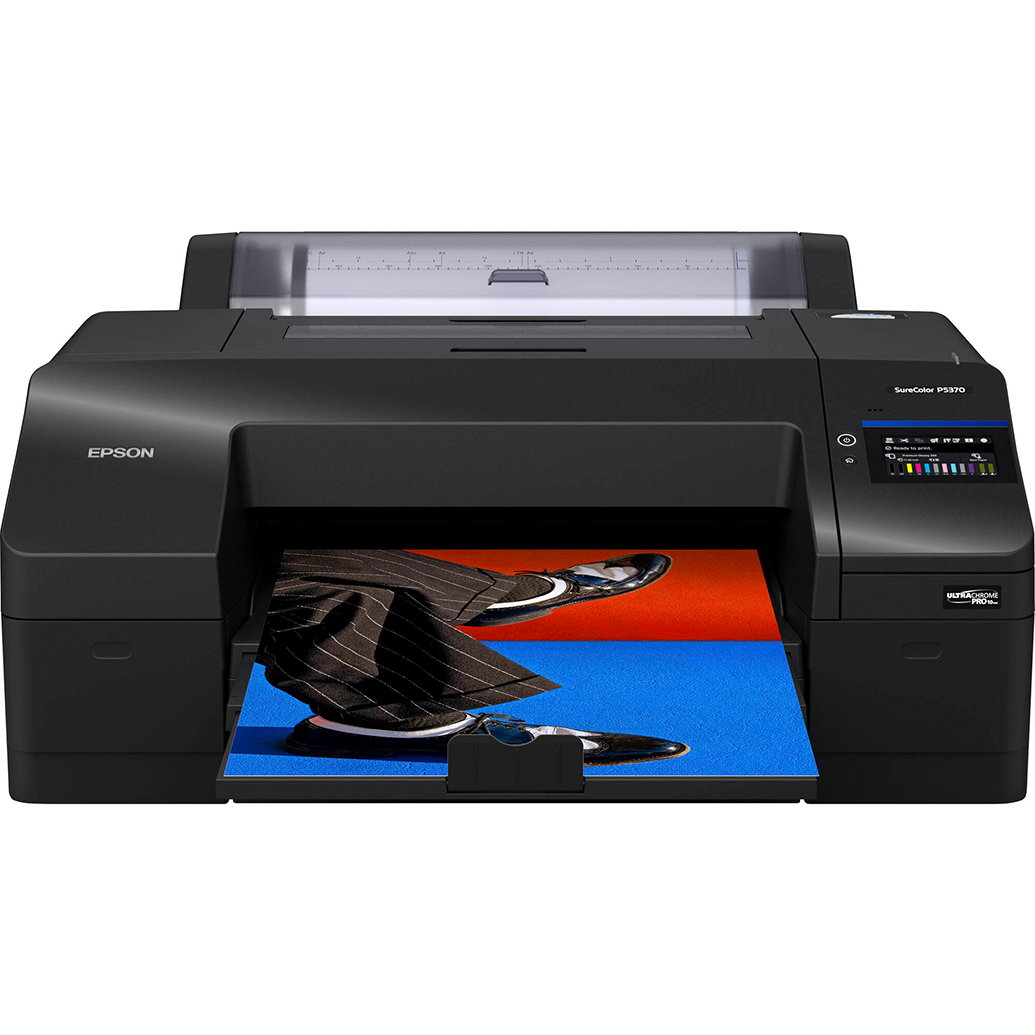
Where can I practice hybrid techniques and get hands-on help?
Skill beats specs. Join Unique University outings to sharpen your photo and video fundamentals in real-world settings—our instructors help you dial in exposure, focus, and color on the spot. Try our Macro and Landscape Photography at Duke Farms with Michael Downey to refine composition and stabilization techniques, or experiment with low-light and unusual color under UV illumination at Sterling Hill Mine—both are fantastic practice for hybrid shooters. 

Ready to build a budget hybrid kit that fits your style? Visit Unique Photo in-store or online—our experts will help you compare bodies, pick lenses, and complete your workflow from capture to print.