Choosing the right film for portraits can transform skin tones, mood, and overall character. Whether you love soft, pastel color or classic monochrome, this guide compares popular film stocks, affordability, and the technical adjustments that matter—like pushing and pulling—so you can achieve consistently beautiful portraits. Unique Photo carries a wide selection of film, darkroom supplies, and classes to support your portrait workflow from capture to print.
Best Color Film for Portraits: How They Render Skin Tones
Color rendition varies dramatically across film stocks. Here’s how popular options typically handle skin tones and contrast:
- Kodak Portra 400/160/800: The gold standard for portraits. Neutral-to-warm skin tones, excellent highlight retention, and forgiving latitude. Portra 400 is the most versatile for mixed lighting.
- Kodak Gold 200: Affordable, cheerful color with richer saturation in daylight. Great for outdoor portraits and lifestyle sessions, with slightly punchier contrast than Portra.
- Kodak Ektar 100: Ultra-saturated with crisp micro-contrast. Stunning for environmental portraits and fashion when you want bold color, though it can be unforgiving on skin tones if exposure or white balance goes off.
- Fuji Superia X-TRA 400 (and legacy Fuji Pro 400H): Fuji’s palette leans cooler with beautiful greens. Many portrait photographers overexpose Superia one stop to soften transitions. Fuji Pro 400H is discontinued, but its cooler, airy look can be approximated by rating similar films slower and adjusting in scanning.
- CineStill 400D/800T: Contemporary stocks with cinematic color; 800T’s tungsten balance makes night portraits glow. Expect halation around point light sources.
- Lomography Color Negative 400: Budget-friendly, pleasing saturation, and flexible for casual portraits.
Tip: If you prefer “pastel” skin tones and gentle contrast, favor Portra and rate it slightly slower. For vivid editorial color, Ektar or Gold can shine.
Affordable Color Film Picks for Portraits
If cost per roll matters, you can still get great portrait results:
- Kodak Gold 200: Excellent value with vibrant color; works well rated at EI 100–200.
- Ultramax 400: Budget-friendly speed for indoor ambient portraits and overcast days.
- Lomography Color Negative 400: Accessible price, fun palette; rate at EI 200–400 depending on light.
Unique Photo regularly stocks budget-friendly options so you can practice, test lighting, and refine your look without breaking the bank.
Black and White Film for Portraits: Classic Tonality
Black and white portraits emphasize expression and light. These emulsions deliver timeless tonality:
- Kodak Tri‑X 400: Iconic grain and flexible curve; pushes beautifully to 800–1600.
- Ilford HP5+: Versatile, smooth contrast, great when pushed to 1600 for moody indoor portraits.
- Ilford Delta 100/400: Modern T‑grain sharpness with refined skin tone transitions.
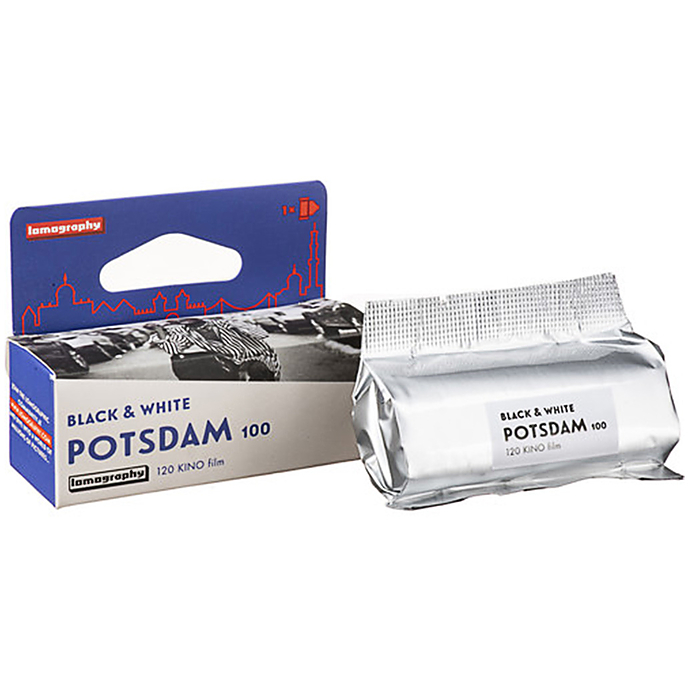
- Lomography Potsdam Kino 100: Cinematic look with crisp micro-contrast; ideal for studio and bright daylight.
If you want a classical European cinema vibe, Lomography Potsdam Kino 120 ISO 100 is a compelling option carried by Unique Photo.
Push vs. Pull: Adjusting Film Speed for Portraits
Pushing increases effective film speed (rating higher EI), contrast, and grain; pulling lowers speed, reduces contrast, and keeps highlights smoother. For portrait work:
- Color Negative (Portra/Gold): Often looks best slightly overexposed. Try rating Portra 400 at EI 200–320 for soft skin tones and luminous highlights. Gold 200 can be rated at EI 100–200 for richer, clean skin. Pushing Portra +1 is workable in low light, but expect increased contrast and possible color shifts.
- Ektar 100: Generally avoid pushing; it’s already high contrast and saturated. Expose accurately and meter highlights carefully.
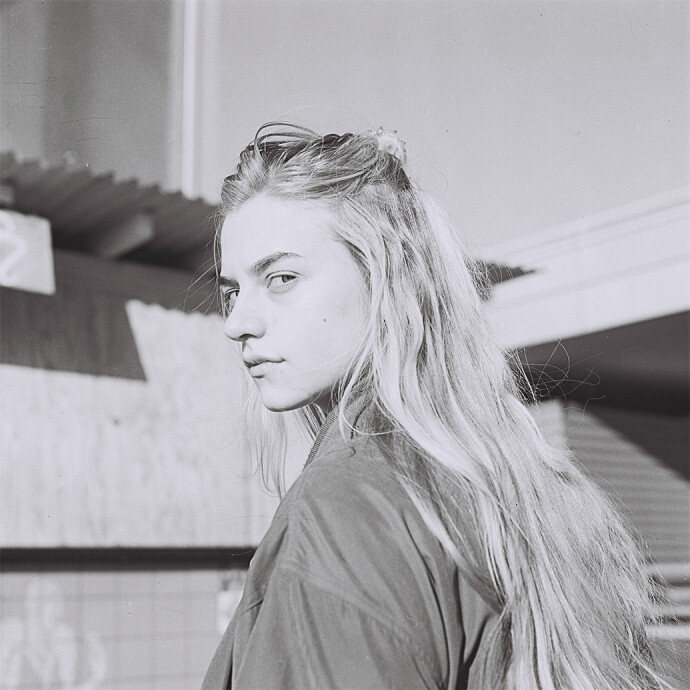
- Black and White (Tri‑X, HP5+, Potsdam): Pushing to 800–1600 lifts drama and grain—great for moody portraits. Potsdam 100 can push to 200–400 but will increase contrast; pull to EI 50 for gentler tonality.
Communicate push/pull instructions to your lab before developing. Unique Photo’s lab team can advise on optimal development and scanning settings for portrait skin tones.
Metering and Rating for Flattering Skin Tones
- Use incident metering for faces when possible; if reflective metering, bias slightly to the highlights for color negative film.
- Overexpose color negative by 1/3 to one full stop for creamy highlights and smoother skin.
- For backlit portraits, meter the face and add 2/3 stop; Portra’s latitude protects highlights.
- Keep tungsten gels or warm reflectors ready to avoid green/cyan shifts in mixed lighting.
35mm vs. 120 for Portraits
Format affects rendering:
- 35mm: More grain at equal enlargement, quicker handling, budget-friendly. Great for lifestyle portraits and street.
- 120 (Medium Format): Smoother tonality, shallower depth of field at equivalent framing, and superior enlargement for prints. Perfect for studio headshots and environmental portraits.
Unique Photo’s Used & Trades department often features classic medium format cameras—like compact folders and TLRs—that pair beautifully with modern films.
From Negative to Print: Scanning and RA‑4 Output
Your portrait look continues in the scan and print. A calibrated RA‑4 workflow preserves skin tone nuance and highlight roll-off. Unique Photo offers pro lab supplies for consistent printing.

For labs and serious darkroom users, Fujifilm Color Enlarging Paper can deliver rich, accurate portraits when paired with the right chemistry and printer profiles.
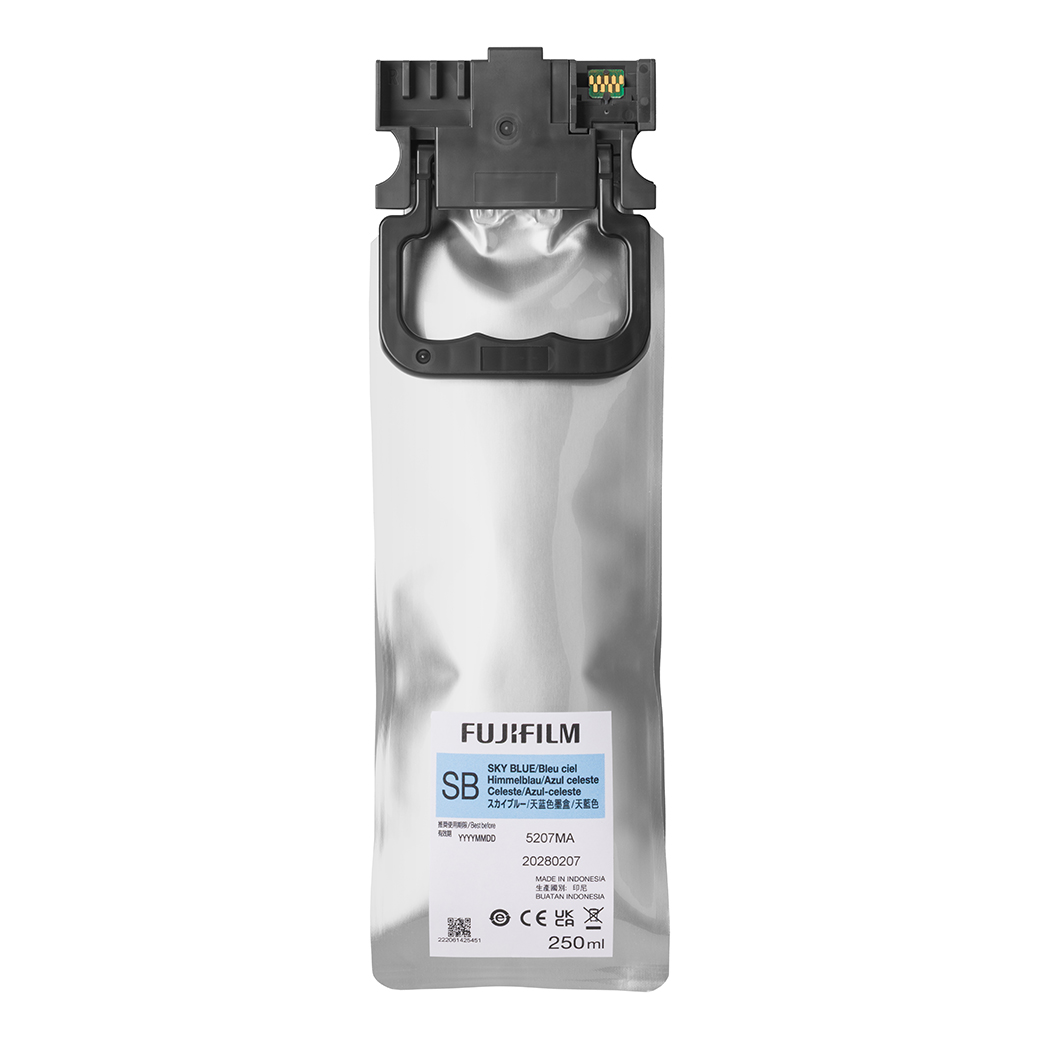
Mini lab operators will appreciate Fujifilm’s reliable chemistry and inks; Unique Photo supplies the consumables and media you need to keep portrait output consistent.
Lighting and Learning: Level Up Your Portraits
Film loves good light. To master shaping highlights and shadows, consider hands-on education at Unique Photo.
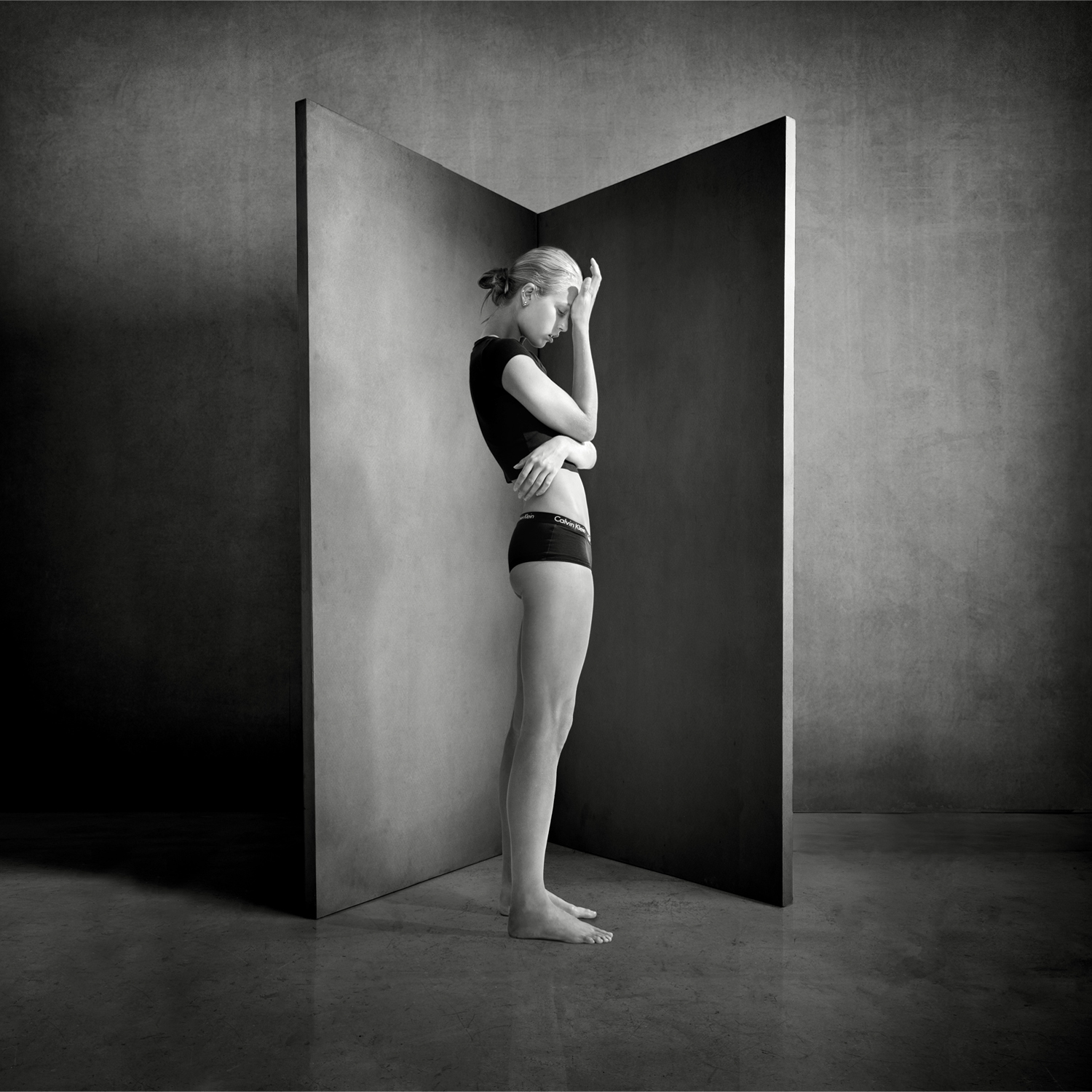
Portrait Lighting Made Easy with Joel Grimes (Westcott) covers practical setups that flatter skin and enhance the unique character film brings.
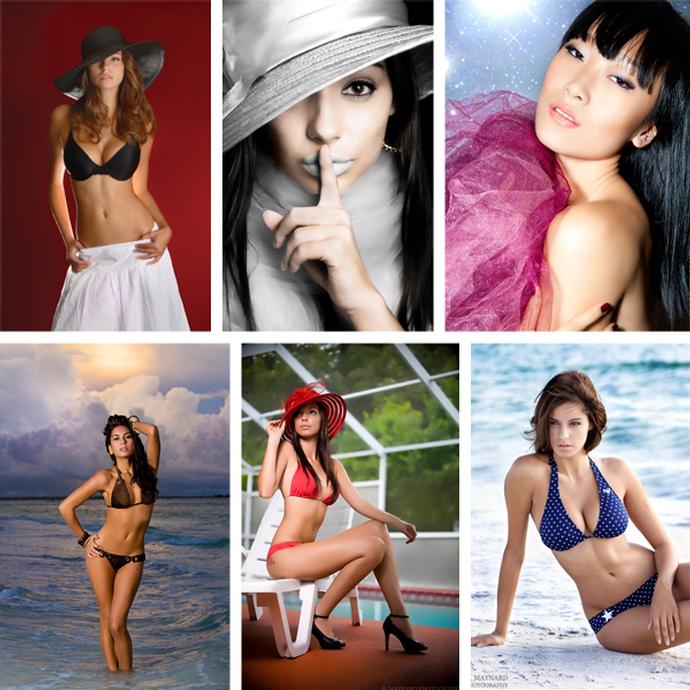
The Stunning Portraits Workshop with David Maynard and ExpoImaging helps you refine posing, metering, and creative direction—essential skills whether you shoot Portra, Gold, or black and white.
Recommended Starting Points
- Soft, airy color: Portra 400 rated at EI 200–320; open shade or bounced daylight; print on RA‑4 paper for smooth tones.
- Vibrant lifestyle: Kodak Gold 200 at EI 100–200; golden-hour portraits; scan slightly warm.
- Classic monochrome: Tri‑X or HP5+ at EI 400–800; push +1 for grit; or Potsdam 100 at EI 100 for refined studio tonality.
Conclusion and Next Steps
From gentle pastels to high-impact editorial color and timeless monochrome, the right film and exposure strategy make all the difference in portrait work. Unique Photo stocks the films, lab media, and education you need to refine your style, plus a lab team ready to help with push/pull processing and consistent scanning. For deeper exploration, consider these internal resources:
- Browse film: Film
- Explore darkroom supplies: Darkroom Supplies
- Shop used film cameras: Used & Trades
- Join classes at Unique University: Classes
- Learn about lab services: Services