Best Travel Lenses FAQ: Compact Zooms, Primes, and Third-Party Picks
Choosing the right travel lens usually comes down to a few priorities: how much weight you want to carry, how flexible you need your focal range to be, and how important low-light performance is for your style of photography. At Unique Photo, we often recommend balancing portability with real-world versatility so you can spend more time shooting and less time swapping lenses in the middle of a trip.
Whether you photograph city streets, scenic overlooks, food, or everyday moments on the go, the best travel lens is the one that keeps your kit light without limiting your creativity. Below, we answer some of the most common questions about compact zooms, primes, and third-party travel lens options.
What is a great lightweight zoom lens for travel photography?
A compact standard zoom is one of the strongest all-around choices for travel because it covers wide to short telephoto perspectives in a single lens. For many mirrorless shooters, a 28-70mm f/2.8 range hits an excellent sweet spot: wide enough for landscapes and environmental scenes, long enough for portraits and detail shots, and bright enough for indoor use or evening street photography.
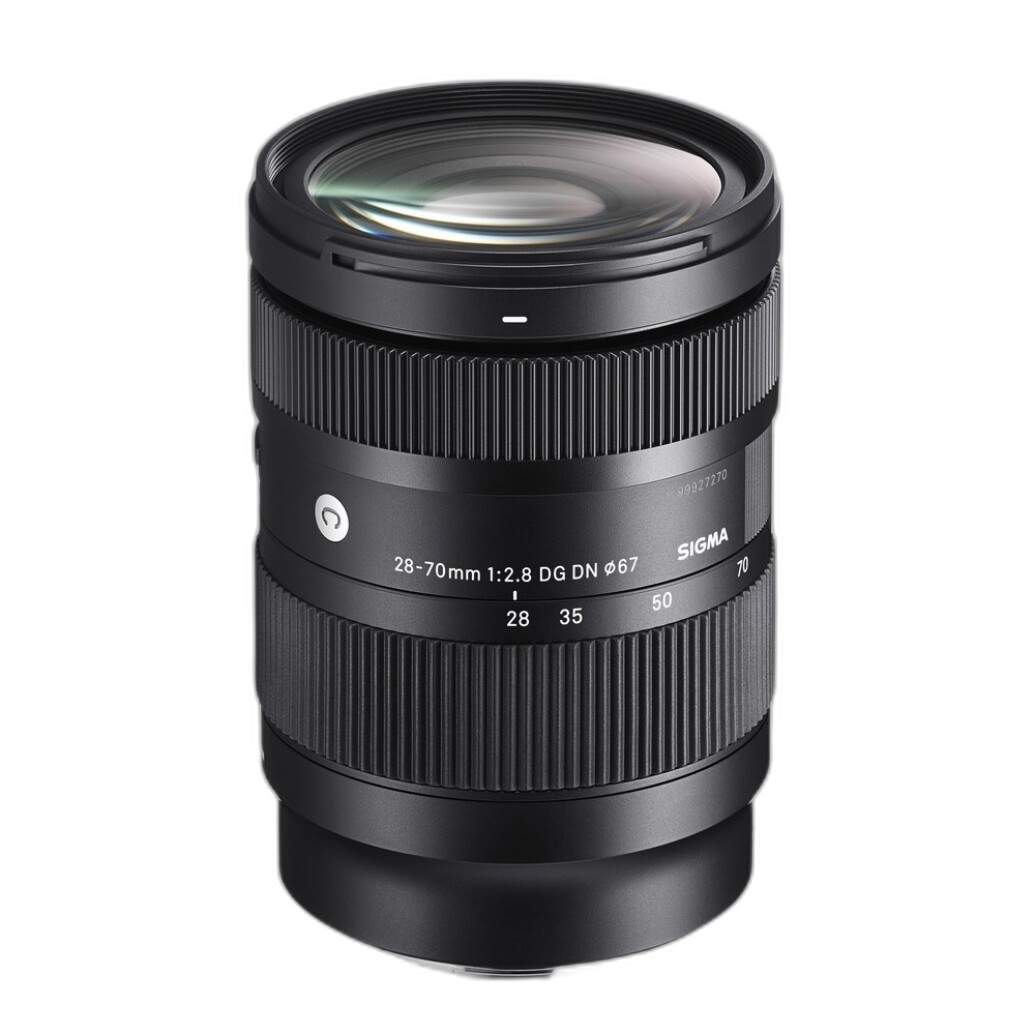
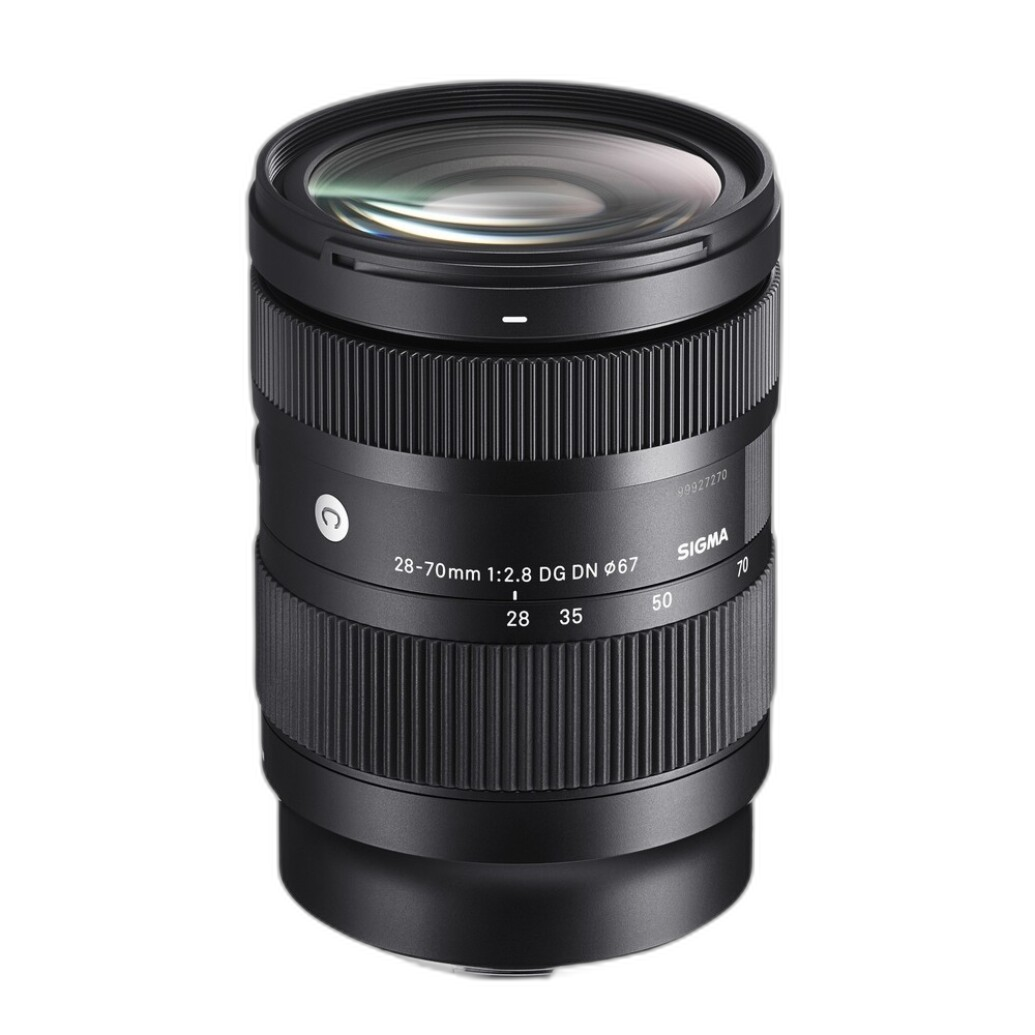
A standout option is the Sigma 28-70mm f/2.8 Contemporary DG DN, available for Sony E and L-Mount. It is especially appealing for travelers who want a fast aperture without the size and weight penalty of a larger pro zoom. That makes it a practical lens for all-day sightseeing, walking tours, and carry-on-friendly kits.
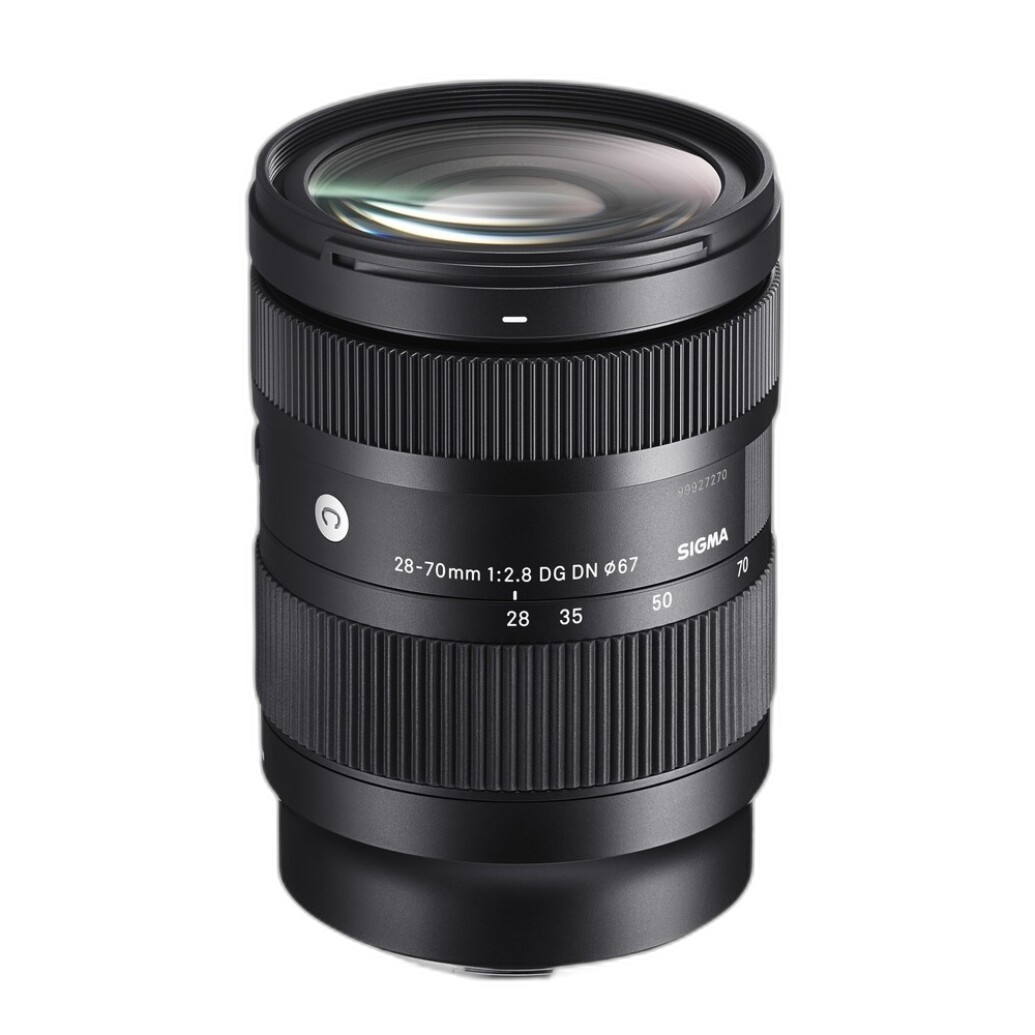
If you shoot Sony, the native-feeling handling and versatile range of this Sigma lens make it an easy recommendation for a one-lens travel setup. If you use L-Mount, the corresponding version offers the same travel-friendly concept.
Are zooms better than primes for travel?
For most travelers, zooms are more practical. When you are moving through airports, trains, busy streets, or changing weather, reducing lens changes can help you work faster and protect your sensor from dust. A good zoom lets you respond quickly to wide landscapes, portraits, architecture, and candid moments without carrying multiple lenses.
That said, primes still have real advantages. They are often smaller, encourage deliberate composition, and can offer a distinctive rendering that some photographers prefer. If your trips focus on one style of shooting, such as street photography or landscapes, a prime can be a smart minimalist choice. But if you want maximum flexibility in a single lens, a compact zoom usually wins.
Are primes really better for landscape and street photography?
Not automatically. For landscapes, image quality depends on more than whether a lens is a prime or zoom. Composition, light, weather, and technique matter just as much. A sharp compact prime can be excellent for hiking and scenic work, but a high-quality zoom often gives you more framing freedom when you cannot physically move to the perfect spot.
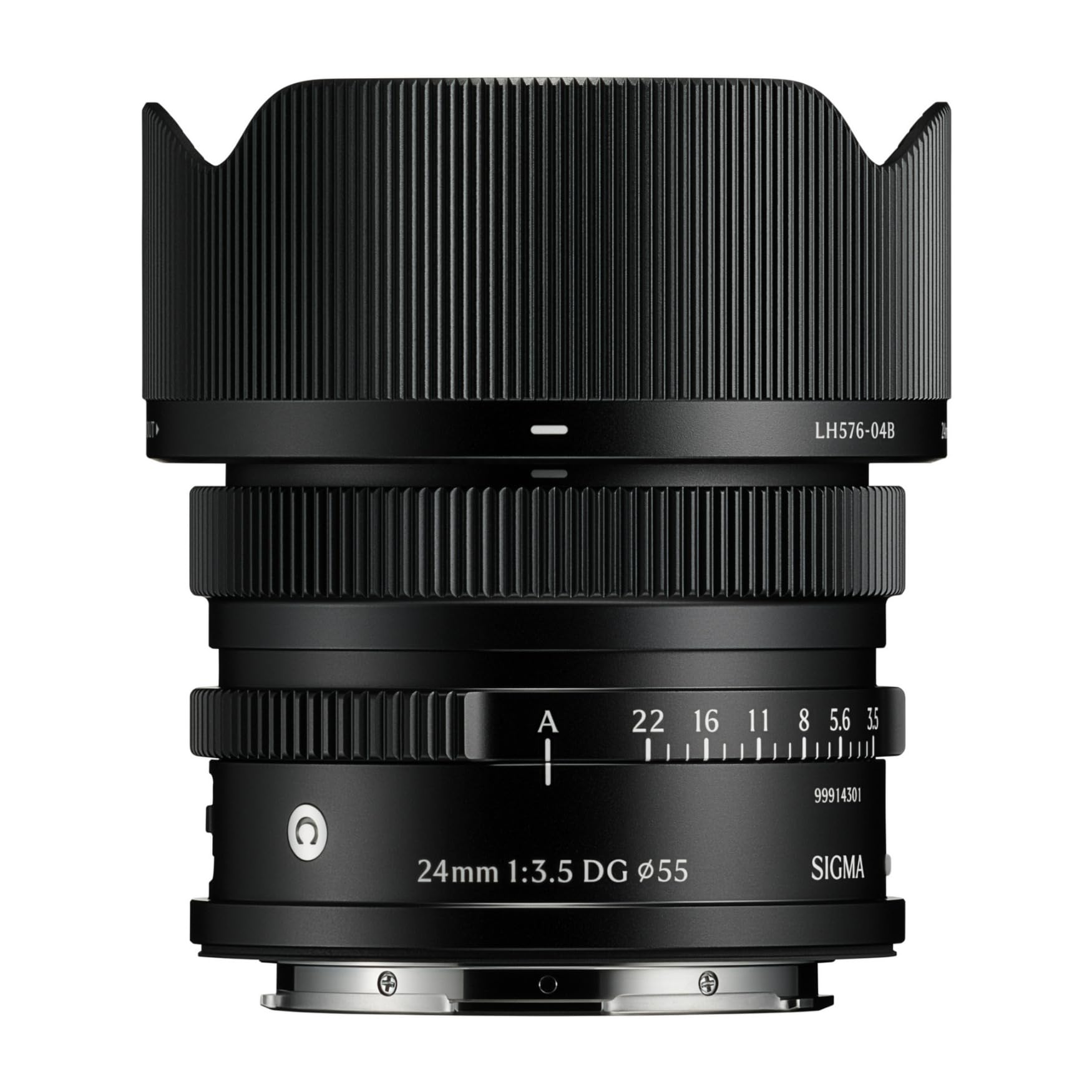
For street photography, primes remain popular because they are discreet and easy to work with. A lens like the Sigma 24mm F3.5 DG Contemporary is appealing for travel shooters who want a compact, wide-angle option for city scenes, architecture, and environmental storytelling.
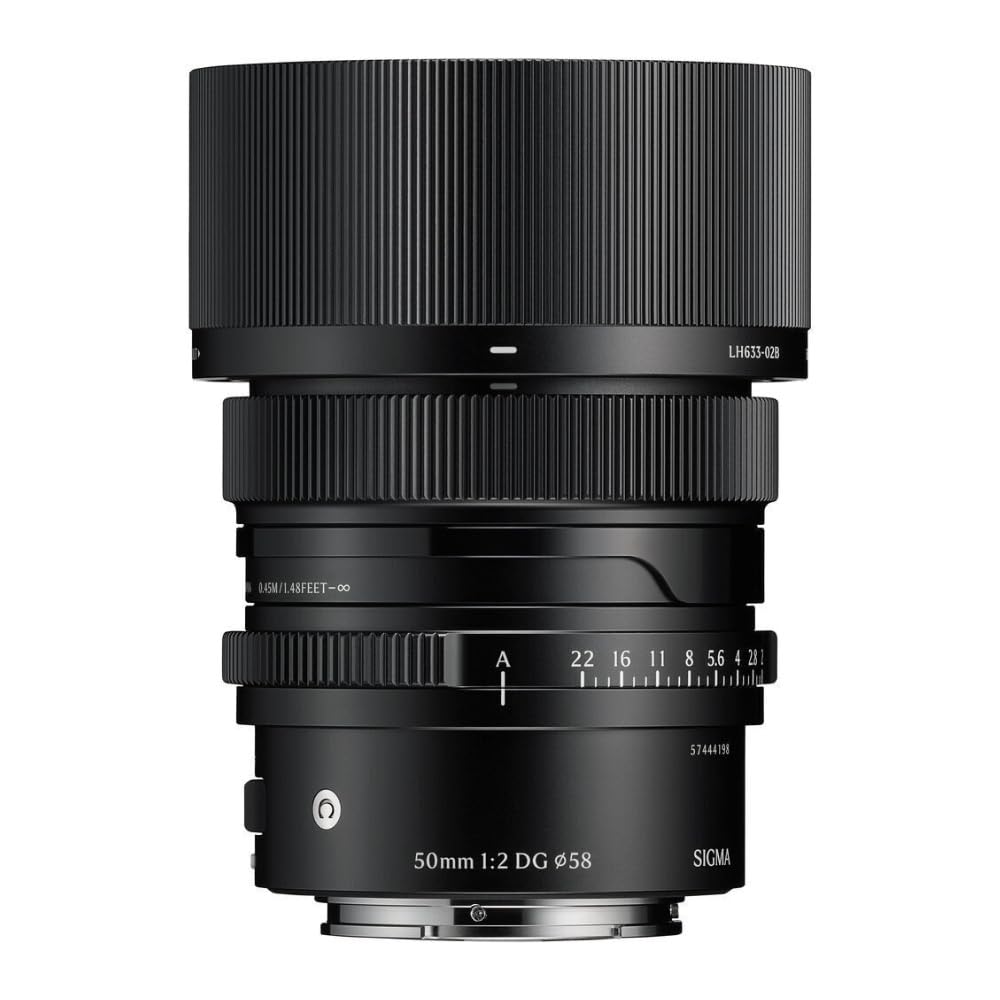
If you prefer a tighter, more classic everyday field of view, the Sigma 50mm F2 DG Contemporary is another strong choice. It works well for portraits, food, detail shots, and general walkaround photography when you want a compact prime with more subject separation than a wider lens.
In short, primes are not universally better. They are better when their focal length matches the way you like to see and shoot.
What focal length is most versatile for travel?
A standard zoom spanning roughly 24mm or 28mm up to around 70mm is one of the most versatile ranges for travel photography. At the wide end, you can capture landscapes, interiors, and street scenes. In the middle, you get natural-looking documentary frames. At the longer end, you can isolate architectural details, make portraits, or shoot tighter compositions from a comfortable distance.
If you like to travel light and avoid bringing multiple lenses, a 28-70mm f/2.8 is especially useful because it combines a broadly useful focal range with a bright aperture. If your style leans more toward minimalism, pairing a wide prime like 24mm with a normal or short telephoto prime like 50mm can also create a compact and capable two-lens kit.
How do third-party lenses like Sigma compare to native lenses for Sony or Canon users?
Third-party lenses have become a major part of the mirrorless market because they often deliver excellent optical performance, strong autofocus, and thoughtful design at a competitive price. Sigma, in particular, has built a reputation for producing lenses that appeal to photographers who want professional-looking results without necessarily paying top-tier native lens pricing.
For Sony users, Sigma travel-friendly lenses are especially compelling because the system offers a broad ecosystem of compact camera bodies and well-supported third-party optics. A lens like the Sigma 28-70mm f/2.8 Contemporary DG DN for Sony E is a great example of how a third-party option can offer an appealing balance of size, speed, and image quality.
For Canon users, the comparison often depends on mount compatibility and available options in the current system. The general principle still applies: native lenses may offer tighter system integration in some cases, but third-party lenses can be excellent values and should absolutely be considered when building a practical travel kit.
Should I buy one zoom or two compact primes for a trip?
If convenience is the top priority, one zoom is usually the better answer. It simplifies packing, reduces decision fatigue, and helps you react quickly when moments happen fast. This is why many travelers choose a standard zoom as their main lens for international trips, family vacations, and city breaks.
If you enjoy a more intentional approach and do not mind swapping lenses, two compact primes can be a great setup. For example, a 24mm prime can handle landscapes, architecture, and street scenes, while a 50mm prime takes care of portraits, details, and low-light work. This kind of pairing can stay relatively small while giving you access to two distinct looks.
There is no universal right answer. The better choice depends on whether you value speed and flexibility or compactness and creative discipline.
Is buying a used travel lens a smart idea?
Yes, especially for travel shooters trying to maximize value. A used lens can be a smart way to get higher-quality glass while staying within budget for the rest of your trip, accessories, or an additional prime. Travel lenses often see a lot of use, so choosing a well-maintained used option from a trusted retailer matters.
At Unique Photo, used gear can be an excellent route for photographers who want proven performance at a lower cost. If you are interested in the Sigma 28-70mm for Sony E, a used version in excellent condition can be particularly attractive for building a capable travel kit economically.
What else should I pack besides a lens for a better travel experience?
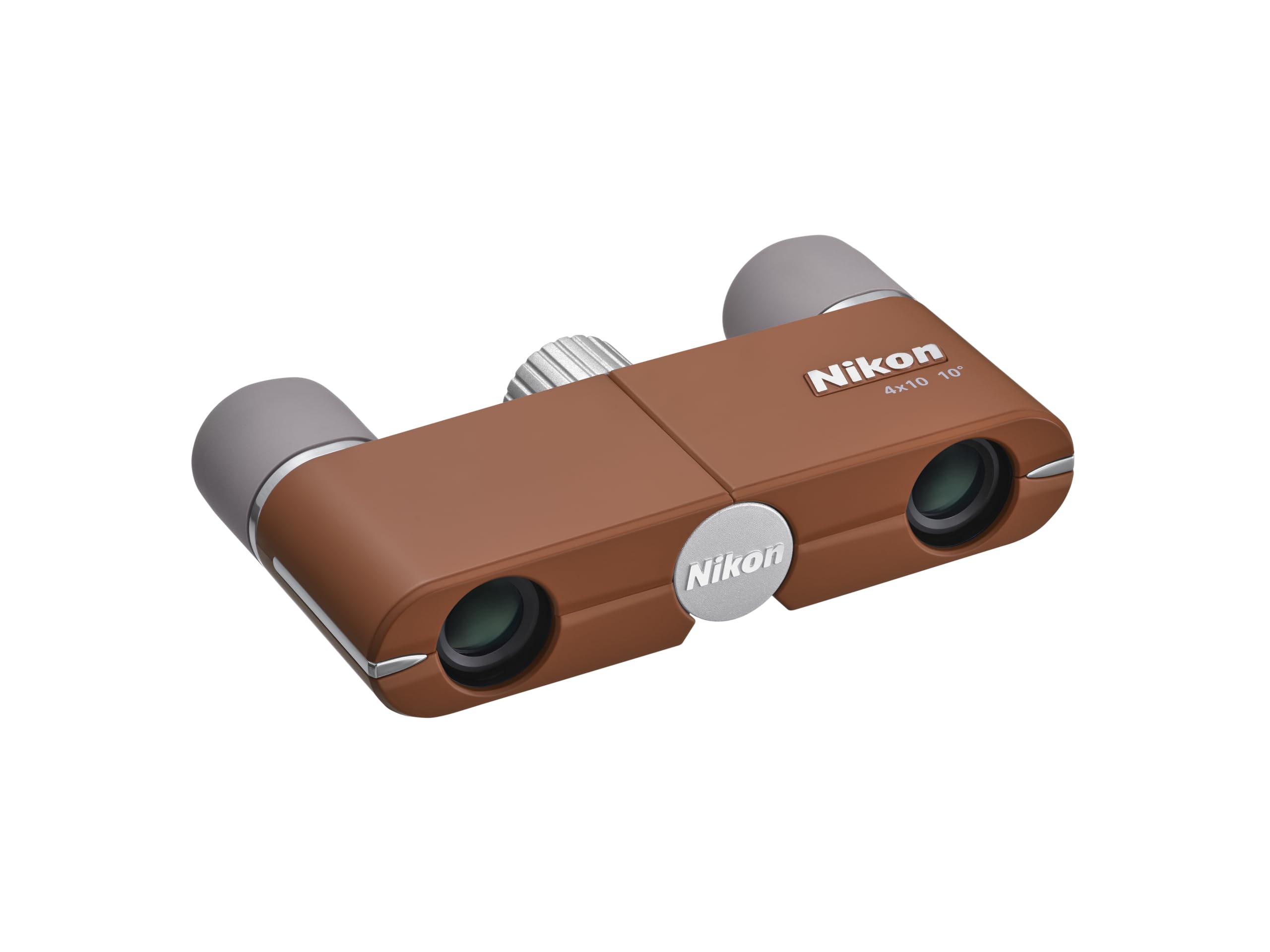
Beyond your camera and lens, think about items that improve your overall travel photography experience. A lightweight bag, extra batteries, memory cards, and cleaning supplies are easy essentials. If your trip includes sightseeing beyond photography, compact optics can also be useful. The Nikon 4X10D CF Pocket Binoculars are small enough to bring along for nature walks, city observation points, sporting events, or scenic travel days when you want a closer look without adding much bulk.
The goal is the same as it is with lenses: carry gear that adds real value without slowing you down.
How do I choose the best travel lens for my shooting style?
Start by reviewing the photos you actually make on trips. If most of your images are city scenes, landscapes, interiors, and spontaneous portraits, a compact standard zoom is likely your best fit. If your favorite images are more stylized, low-light, or composition-driven, a prime or two may suit you better.
Also consider your tolerance for weight, how often you like to change lenses, and whether you shoot more during the day or after dark. Travelers who want one dependable lens they can leave on the camera most of the time should strongly consider a compact fast zoom. Photographers who enjoy a lighter, more intentional kit may prefer a wide and a normal prime combination.
The best travel lens is not simply the sharpest one on paper. It is the one you are happy to carry, ready to use, and excited to shoot with every day of your trip.
If you are building a travel-friendly kit, Unique Photo offers compact zooms, primes, and used lens options to help you find the right balance of size, image quality, and value. Explore our lens selection and shop with confidence at Unique Photo to get ready for your next trip.