A 50mm lens has long been a favorite for portrait photography, and for good reason. It delivers a natural perspective, flattering facial proportions, and enough versatility to work indoors, outdoors, and on location. When you combine that field of view with available light, you can create portraits that feel polished, cinematic, and authentic without a complicated lighting setup. At Unique Photo, many photographers looking to improve their portraits start with this exact combination: natural light and a trusted 50mm lens.
Whether you are photographing family sessions, senior portraits, lifestyle images, headshots, or creative editorial work, learning how to use a 50mm lens in natural light can dramatically improve your results. Below are the best tips for shooting portraits with natural light using a 50mm lens, along with practical techniques you can apply right away.
Why a 50mm Lens Is Great for Natural Light Portraits
If you have ever searched for the best focal length for portraits, you have probably seen 50mm come up again and again. On a full-frame camera, a 50mm lens closely matches a natural perspective, which helps portraits feel realistic rather than distorted. It is wide enough to include environmental context, yet tight enough to isolate your subject.
That makes a 50mm lens ideal for:
- Half-body and three-quarter portraits
- Lifestyle portraits in homes or cafes
- Outdoor golden hour sessions
- Street-style portraits
- Natural light headshots with some background context
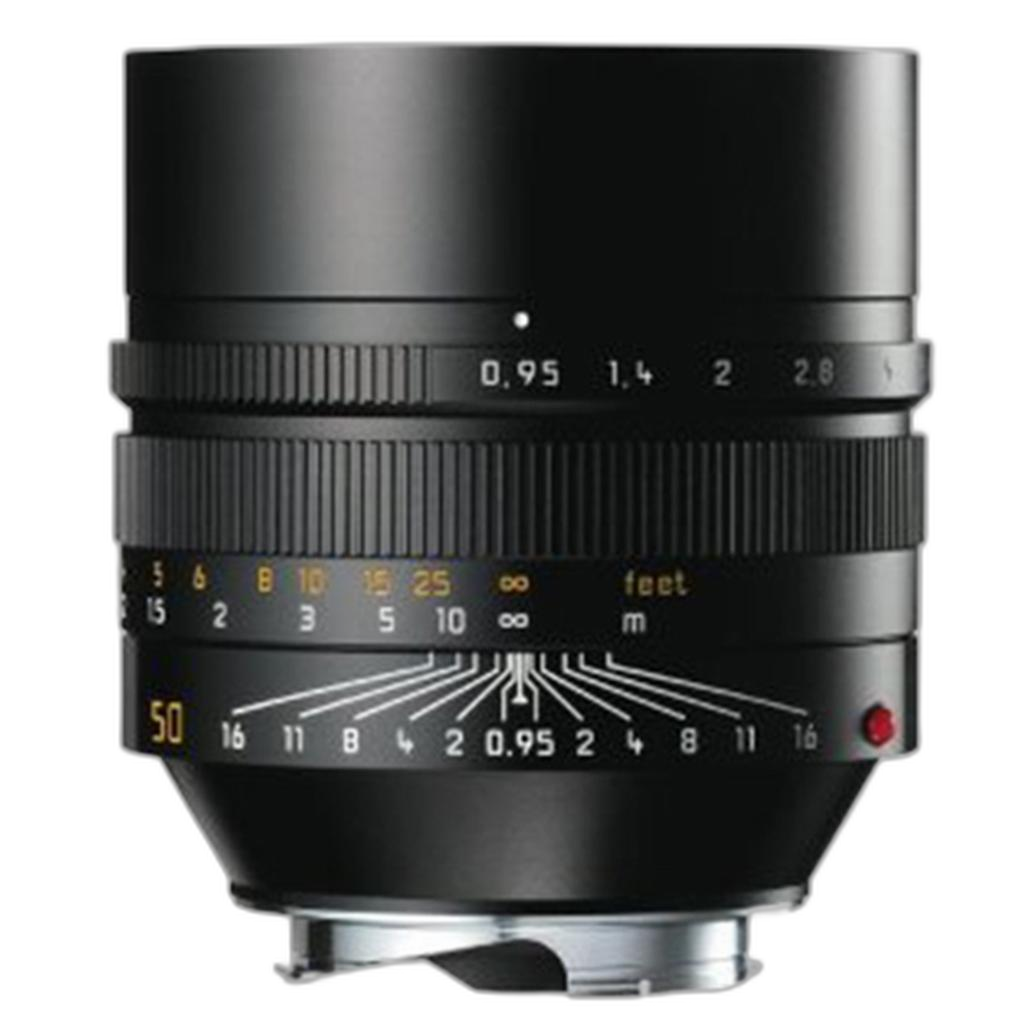
Fast 50mm lenses are especially useful because wider apertures let in more light. At Unique Photo, portrait shooters often gravitate toward premium 50mm options when they want stronger subject separation and better low-light performance. A lens like the Used Leica 50mm F/.95 ASPH (E60) - Excellent is a good example of a specialty portrait lens built for beautiful shallow depth of field and low-light shooting.
Find the Best Natural Light First
The biggest mistake many photographers make is focusing on gear settings before evaluating the quality of light. Natural light portrait photography is all about direction, softness, and consistency. Before posing your subject, look for light that flatters skin tones and creates gentle transitions between highlights and shadows.
Some of the best natural light sources for portraits include:
- Open shade: Great for soft, even illumination without harsh shadows
- Window light: Ideal for indoor portraits with sculpted dimension
- Golden hour light: Warm, directional light shortly after sunrise or before sunset
- Overcast daylight: Soft and diffused light that is forgiving on skin
With a 50mm lens, slight changes in your subject's position relative to the light can have a major impact. Turn your subject a few degrees toward the light for brighter eyes and smoother skin, or angle them away for more depth and mood.
Use Open Shade for Soft, Flattering Portraits
If you want a reliable setup for natural light portraits with a 50mm lens, start in open shade. This could be beside a building, under a covered walkway, near a garage opening, or under the edge of a tree line where the subject is shaded but still facing open sky.
Open shade helps reduce:
- Squinting in bright sun
- Harsh shadows under the eyes and nose
- Uneven highlights on the face
- Distracting contrast in skin tones
When using a 50mm lens in open shade, position your subject near the edge of the shaded area so they still receive bright, directional ambient light from the sky. If you place them too deep into shade, the light may become flat and lifeless.
Take Advantage of Window Light Indoors
Window light is one of the best natural light sources for portraits, especially if you are using a fast 50mm lens. It creates soft, directional illumination that can look studio-quality while staying simple and approachable.
For strong indoor portraits:
- Place your subject close to a large window
- Turn off mixed indoor lighting if possible
- Use sheer curtains to diffuse harsh sunlight
- Have your subject face the window for clean, bright portraits
- Rotate them 45 degrees for more shape and dimension
A 50mm lens works well in these spaces because it feels intimate without being too wide. You can frame from the waist up, include a bit of the room, and still maintain flattering proportions.
Choose the Right Time of Day for Outdoor Portraits
Timing matters in natural light photography. Midday sun can be difficult for portraits because it creates strong contrast, deep eye sockets, and blown highlights. While it is possible to make midday light work, most photographers get easier and more flattering results at other times of day.
The best times for natural light portraits are:
- Early morning: Soft light, cooler tones, fewer distractions
- Late afternoon: More manageable brightness and directional light
- Golden hour: Warm tones, long shadows, beautiful atmosphere
- Blue hour: Softer ambient light for moodier portraits
At Unique Photo, photographers planning location sessions often build their timeline around golden hour because a 50mm lens paired with warm backlight can create striking, professional-looking portraits with minimal gear.
Backlight Your Subject for a Soft, Glowing Look
One of the most popular natural light portrait techniques with a 50mm lens is backlighting. This means placing the sun behind your subject so the light wraps around their hair and shoulders. Done correctly, backlighting creates a dreamy glow while helping you avoid harsh facial shadows.
To use backlight effectively:
- Expose for your subject's face, not the sky
- Move until the sun is partially blocked by your subject or a nearby object
- Use lens hoods or adjust your angle to control flare
- Watch for overexposed highlights around the hairline
A fast 50mm lens can make this look especially appealing by softening the background and emphasizing the subject. If you enjoy a premium portrait rendering style, Unique Photo also carries distinctive lenses and used gear options that appeal to photographers seeking a more artistic natural light look.
Use Wide Apertures Carefully
One reason photographers love 50mm lenses for portraits is the ability to shoot at wide apertures such as f/1.8, f/1.4, or even wider on specialty lenses. This creates shallow depth of field and creamy background blur, but it also introduces focusing challenges.
Here is how to use wide apertures more effectively:
- Focus on the eye closest to the camera
- Use single-point autofocus for more precision
- Stop down slightly if both eyes need to be sharp
- Be mindful of subject movement at very shallow depth of field
With lenses in the 50mm category, even a small change from f/1.4 to f/2 can noticeably improve sharpness across the face while still preserving strong background separation.
Pay Attention to Backgrounds and Distance
A 50mm lens gives you enough context to show the environment, which can be a major advantage in storytelling portraits. The tradeoff is that backgrounds require more attention. Since you are not as compressed as with an 85mm or 135mm lens, clutter can become distracting if you do not manage it carefully.
To improve your backgrounds:
- Look for clean lines and simple colors
- Keep bright objects away from behind the subject's head
- Increase the distance between subject and background
- Change your angle slightly to eliminate distractions
- Use wide apertures to soften detail
The farther your subject is from the background, the more blur you can create. This is especially useful when shooting in urban locations, parks, or interiors with visual clutter.
Use Reflectors and Simple Light Control Tools
Even in natural light, small modifiers can make a big difference. A reflector is one of the most useful tools for 50mm portrait photography because it helps bounce light back into the face without losing the natural look.
A reflector can help you:
- Fill in shadows under the eyes
- Add catchlights to the eyes
- Warm or cool the reflected light depending on the surface used
- Balance contrast in backlit scenes
If you do not have a reflector, you can also use nearby light-colored walls, sidewalks, or pavement as natural bounce surfaces. Many photographers shopping at Unique Photo build a lightweight portrait kit around a 50mm lens, a reflector, and a diffuser because that combination stays portable while dramatically improving results.
Dial In Camera Settings for Sharp, Natural Portraits
The best camera settings for natural light portraits with a 50mm lens depend on the scene, but a few starting points can help. Prioritize a shutter speed that is fast enough to avoid blur, especially if your subject is moving.
Try these general settings as a starting point:
- Aperture: f/1.8 to f/2.8 for shallow depth of field, f/4 for more facial sharpness
- Shutter speed: 1/200 or faster for handheld portraits
- ISO: Keep as low as practical while maintaining proper exposure
- White balance: Shade, cloudy, daylight, or Kelvin adjustment depending on conditions
If you are shooting in aperture priority mode, keep an eye on shutter speed as light changes. If it drops too low, raise your ISO or switch to manual mode for more consistent control.
Focus on Eyes and Expression
Technical accuracy matters, but portrait success often comes down to expression. A 50mm lens places you close enough to communicate easily with your subject, which can help create more natural emotion and genuine interaction.
When shooting portraits with natural light:
- Keep your subject engaged in conversation
- Give small, clear posing adjustments
- Watch for catchlights in the eyes
- Take multiple frames during subtle expression changes
- Use bursts sparingly for movement and laughter
Sharp eyes and authentic expression will almost always matter more than an ultra-blurred background. The 50mm focal length is particularly effective here because it encourages a comfortable distance between photographer and subject.
Use a 50mm Lens for Environmental Portraits
One of the best reasons to use a 50mm lens for portraits is its flexibility for environmental compositions. Rather than isolating the face only, you can show a subject in a meaningful location like a studio, neighborhood street, bookstore, or outdoor setting.
This approach works well for:
- Branding portraits
- Creative entrepreneur sessions
- Musician and artist portraits
- Travel portraits
- Lifestyle and documentary-inspired sessions
Frame loosely enough to include context, but keep your subject as the clear visual anchor. Use light, pose, and background separation together so the environment supports the portrait instead of competing with it.
Avoid Common Natural Light Portrait Mistakes
If you are still refining your technique, watch out for a few common mistakes that can affect portrait quality:
- Shooting in direct overhead sunlight without diffusion or shade
- Using too wide an aperture for the distance and pose
- Ignoring bright, distracting backgrounds
- Letting shutter speed get too low
- Missing focus on the eyes
- Not adjusting white balance for changing light
The good news is that natural light portrait photography becomes easier with practice. A 50mm lens is one of the best tools for building those skills because it is versatile, intuitive, and useful in a wide range of portrait situations.
Can You Use Cinema and Specialty 50mm Options for Portrait Work?
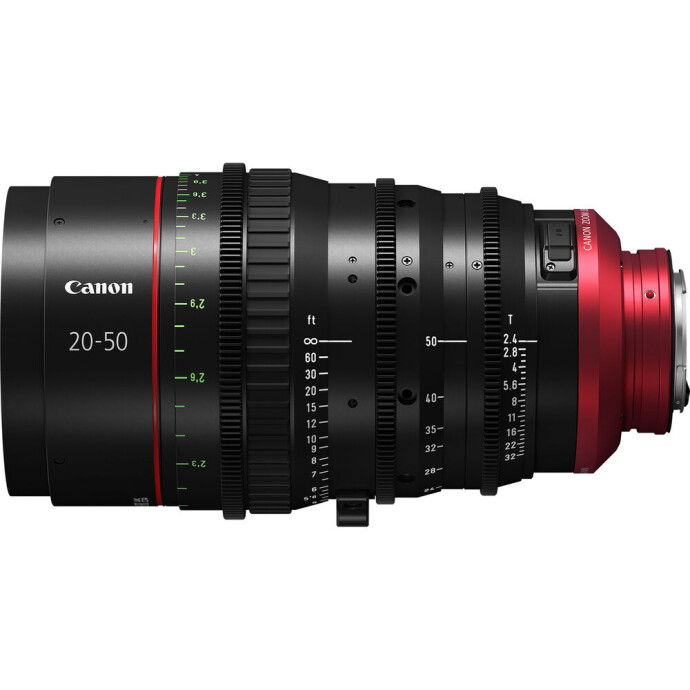
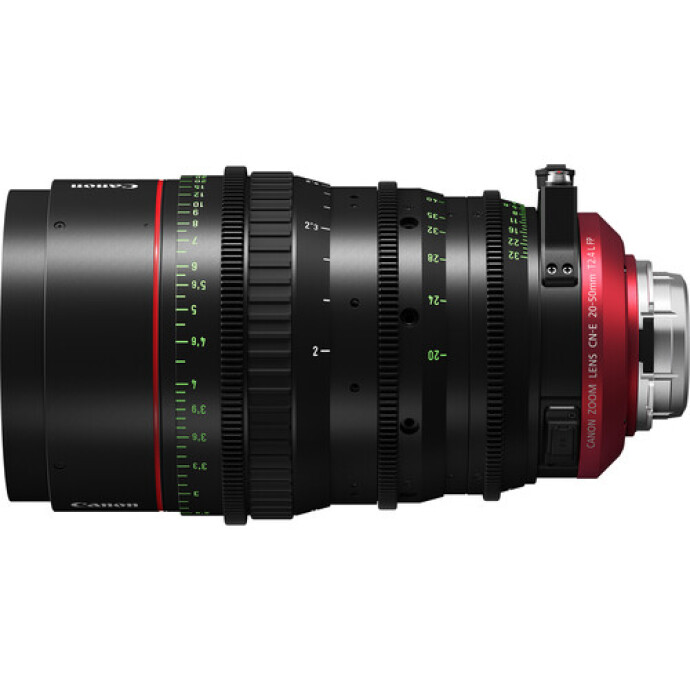
While still photographers often think first of traditional photo primes, portrait creators working in hybrid or video-heavy workflows may also explore cinema-oriented optics and premium specialty lenses. For example, the Canon CN-E 20-50mm T2.4 LF Cinema EOS Zoom Lens can appeal to creators producing cinematic portrait video content, behind-the-scenes features, or editorial motion work where natural light is part of the visual style.
Similarly, unique high-speed 50mm lenses can deliver a signature rendering that some portrait artists love for fine art, editorial, or luxury client work. Unique Photo is a strong resource for exploring both new and used lens options when you want to experiment with how different 50mm designs affect the look of your portraits.
How to Practice Natural Light Portraits With a 50mm Lens
The fastest way to improve is to practice one lighting scenario at a time. Instead of trying everything in one session, focus on a specific technique and evaluate your results.
Try this practice plan:
- Shoot one subject in open shade
- Photograph the same subject by a window
- Create a backlit portrait near sunset
- Compare results at f/1.8, f/2.8, and f/4
- Experiment with subject-to-background distance
- Review focus accuracy on the eyes
By repeating similar setups, you will quickly learn how light direction, aperture, and background distance affect the final image. This kind of hands-on practice is often more valuable than changing gear too quickly.
Final Thoughts on Shooting Portraits With Natural Light Using a 50mm Lens
If you are wondering how to take better portraits with natural light, a 50mm lens is one of the best places to start. It is flexible, flattering, and capable of producing everything from clean headshots to cinematic lifestyle images. The key is not just owning a 50mm lens, but learning how to read light, control backgrounds, choose the right aperture, and guide your subject naturally.
At Unique Photo, photographers can explore 50mm lens options, used specialty glass, and hybrid tools for both portrait photography and motion work. Whether you are building your first portrait setup or refining a more advanced creative style, mastering natural light with a 50mm lens is a skill that will continue to pay off.
For related content on Unique Photo, consider linking readers to internal resources such as portrait lenses, used lenses, reflectors and light modifiers, mirrorless cameras, and educational workshops or classes that help photographers improve portrait lighting techniques.