Turn Entries into Winners: Practical Strategies That Stand Out
Online photography contests are crowded, but a thoughtful approach can separate your work from the pack. Focus your energy where judges pay the most attention: concept, execution, and presentation. Use the tips below to refine each step—from planning to post—so your images earn clicks, shortlists, and wins.
Plan for the Win: Before You Enter
1) Study the rules and past winners
Read the brief twice. Confirm allowed edits, file sizes, color spaces, deadlines, and whether composites or AI are permitted. Then analyze prior winners to recognize recurring strengths (story, light, clean composition) and gaps you can fill with a fresh perspective.
2) Interpret the theme with a fresh angle
Brainstorm multiple approaches and push beyond literal interpretations. Build a simple story arc into a single frame—gesture, moment, or contrast that implies a narrative. Talks like EXPO: Stories from the Road with Matt Borowick can spark ideas on translating lived experiences into compelling stills.
3) Shoot with intention: previsualize light, color, and lines
Walk your scene, simplify backgrounds, and choose one dominant subject. For landscape and macro contests, field craft matters—timing, weather, and micro-composition. On-location practice, like Unique Photo’s Macro and Landscape Photography at Duke Farms with Michael Downey, helps you refine framing and foregrounds that judges notice.

Nail the Capture
4) Master your gear and technique
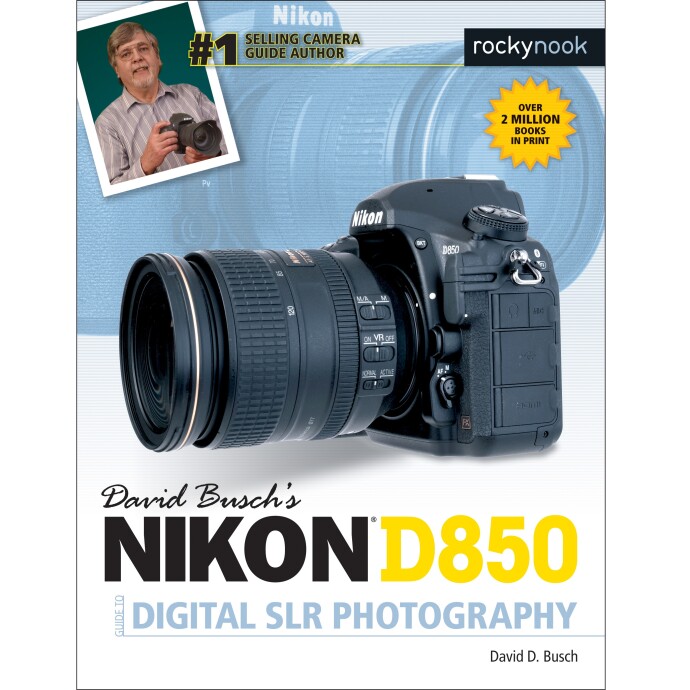
Judges spot exposure misses, missed focus, and motion blur instantly. Know your AF modes, bracketing, and custom buttons. If you shoot Nikon, a reference like Nikon D850 Guide to Digital SLR Photography by David Busch helps you squeeze pro performance from your body and lenses.
5) Prioritize sharpness and stability
Use a sturdy stance or tripod, keep shutter speeds above the focal length (1/200s for 200mm as a minimum), and enable IBIS/VR wisely. For portraits and wildlife, use AF-C and subject detection; for landscapes, focus at the hyperfocal distance and use a 2–5 second timer.
6) Leverage low light and long exposures strategically
Night images can turn heads when noise, color balance, and star detail are controlled. Learn stacking, tracking, and noise reduction to keep high ISO clean. Unique University’s UUOnline: Astrophotography 4-Part Series with Temu Nana dives into real-world workflows that translate directly into contest-ready nightscapes.

Polish in Post
7) Edit for impact, not excess
Judges favor images that feel natural yet intentional. Guide the eye with subtle contrast, dodge and burn, and color harmony. Avoid crunchy oversharpening or halos. If landscapes and nature are your genre, Editing and Enhancing Landscape and Nature Photography with Photoshop focuses on tasteful, judge-friendly finishing.

8) Get color and output right
Work in a calibrated environment, soft proof for sRGB if required, and export at the contest’s exact size and compression. Product and still-life shooters can borrow from commercial workflows—consistent lighting, clean backgrounds, and dust-free details—covered in Product Photography and Post Production Editing with Blake Taylor.

Present Like a Pro
9) Curate tightly and caption with purpose
Submit fewer, stronger images. Sequence variations that broaden your story rather than repeat the same angle. Use titles and captions to clarify intent and context without explaining the image away.
10) Mind the specs, names, and metadata
Follow file rules exactly. Name files cleanly (Lastname_Title_01.jpg), embed copyright and contact info in metadata, and avoid watermarks unless the contest requires them.
11) Engage the community and keep learning
Participate in discussion threads, share constructive feedback, and attend workshops to grow skills—and visibility. Even exploring analog can refresh your eye; Unique Photo’s Film Lovers Event: Intro to Film Photography (Philly) emphasizes deliberate shooting that improves digital work, too.
Extra Edge: Genre-Specific Tips
12) Landscapes and macro
Use leading lines, foreground anchors, and weather windows. For macro, control depth of field with focus stacking and a small aperture; for landscapes, blend exposures sparingly to maintain realism. On-site practice at places like Duke Farms refines your field instincts.
13) Astro and night
Plan with moon phases and light pollution maps. Expose within the 500/N rule for pin-point stars or use a tracker for longer subs. Consider taking Session 2 in the UUOnline: Astrophotography 4-Part Series with Temu Nana to deepen acquisition and processing techniques.

14) Product and still life
Control every element: reflections, gradients on metal, and dust. Use flags and bounce cards to sculpt light and aim for symmetry and precision. Translate that polish to contest submissions—technical excellence wins tie-breakers.
Final Frame
Winning isn’t luck—it’s aligning concept, craft, and presentation with the contest brief. Build a repeatable workflow, keep learning, and enter consistently. When you’re ready to level up, explore classes, events, and learning tools at Unique Photo to sharpen the skills judges reward.