Introduction: A Smarter Way to Build Contest-Winning Images
Standing out in photography contests rarely comes down to owning the most expensive camera or chasing the latest trend. In practice, the strongest entries combine three things: a clear visual voice, technical control, and thoughtful finishing. For photographers looking to sharpen those contest-ready skills, Unique Photo offers a strong mix of classes, workshops, and educational resources that can help elevate both image quality and creative intent.
Rather than treating this as a review of a single piece of gear, it makes more sense to review the broader educational strategy behind better contest submissions. Programs like Macro and Landscape Photography at Duke Farms with Michael Downey, Understanding Light Modifiers with John Ricard and Models, and Editing and Enhancing Landscape and Nature Photography with Photoshop are especially relevant because contests tend to reward not just sharpness and exposure, but originality, polish, and storytelling.
If your goal is to move from "good photo" to "memorable contest image," these are the strategies that matter most.
Key Features of a Strong Contest Strategy
1. Develop a Distinct Point of View
Judges look through a lot of images. One of the fastest ways to disappear in the pile is to submit technically competent work that feels generic. Classes centered on field shooting and subject interpretation can be especially valuable here. Macro and Landscape Photography at Duke Farms with Michael Downey is a good example of training that encourages photographers to slow down, observe carefully, and find compositions that go beyond postcard views.
Macro and landscape contests often reward photographers who reveal something familiar in an unfamiliar way. That may mean using foreground texture, unusual framing, layered depth, or intimate nature details instead of default wide scenic compositions.
Best takeaway: A contest image should feel intentional, not merely pretty.
2. Build Storytelling Into the Frame
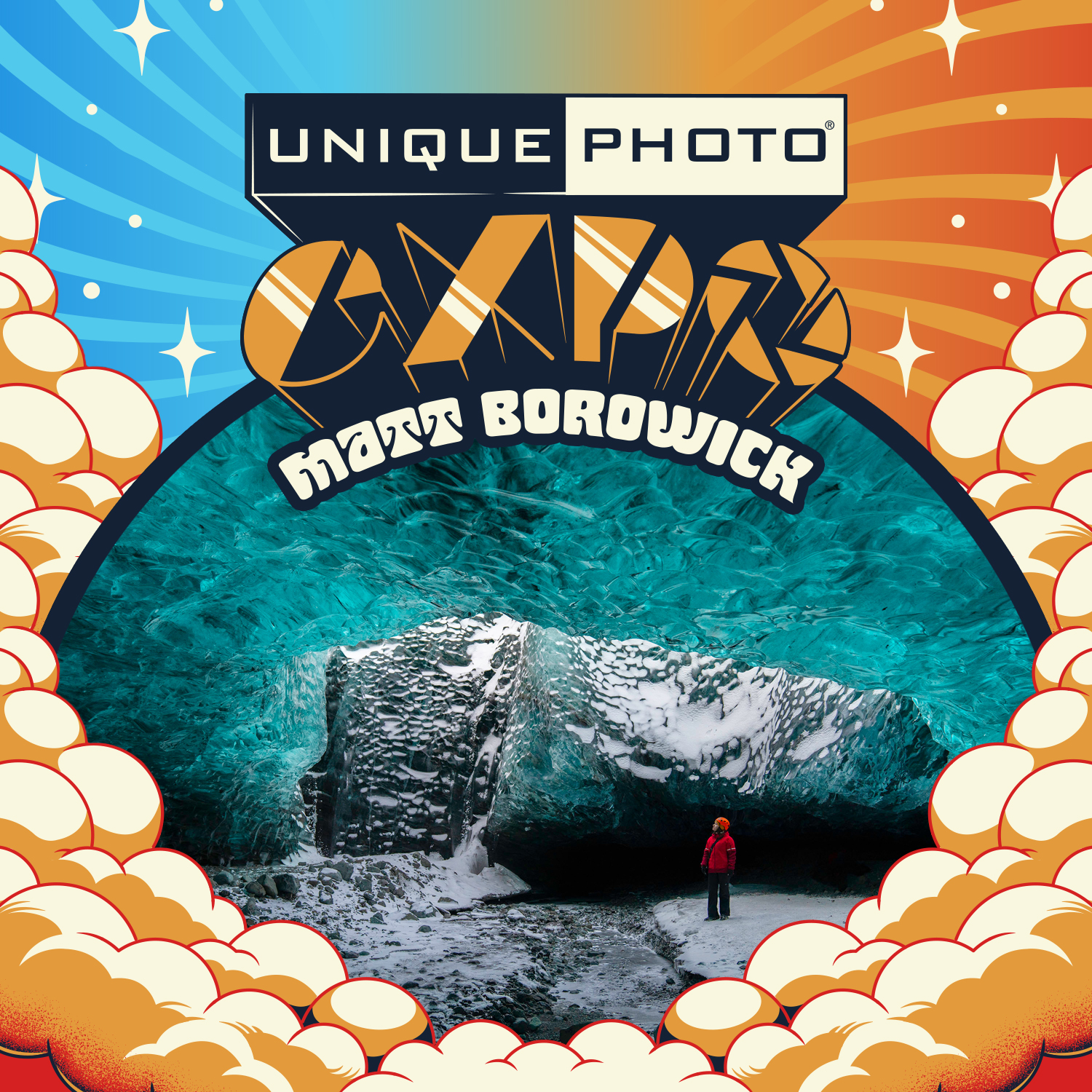
Even in non-documentary contests, storytelling matters. Images that imply a moment, tension, journey, or human connection tend to stay with judges longer than static studies with no emotional hook. EXPO: Stories from the Road - Photography Across Worlds w. Matthew Borowick stands out as the kind of educational experience that can help photographers think beyond aesthetics and toward narrative impact.
Whether you shoot travel, portraiture, wildlife, or conceptual work, ask what the photograph says beyond what it shows. Why this moment? Why this light? Why this framing? The more clearly your image answers those questions, the stronger its contest potential.

Best takeaway: Contest judges remember images with emotional or narrative weight.
3. Master Light Instead of Fixing Everything Later
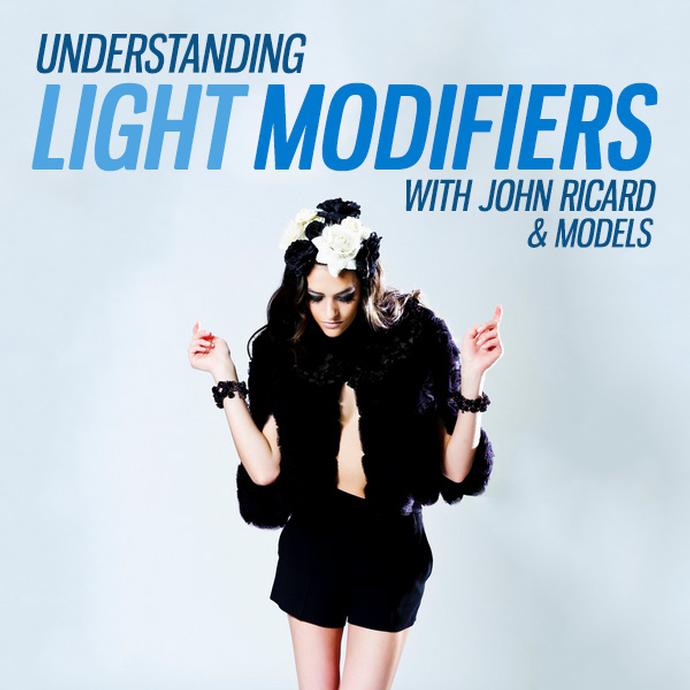
Lighting is one of the clearest separators between average entries and top-tier submissions. A photograph with deliberate light direction, shape, and mood immediately reads as more refined. Understanding Light Modifiers with John Ricard and Models is particularly relevant for photographers entering portrait, fashion, editorial, or fine art contests, where control of light often determines whether the image feels flat or dimensional.
Knowing when to use soft light, harder specular light, grids, reflectors, or larger modifiers can dramatically improve subject separation and visual drama. It also reduces the need for heavy correction in post, which can otherwise make contest images feel overworked.
Best takeaway: Light is not just technical; it is one of the strongest storytelling tools available.
4. Refine Your Editing Without Overprocessing
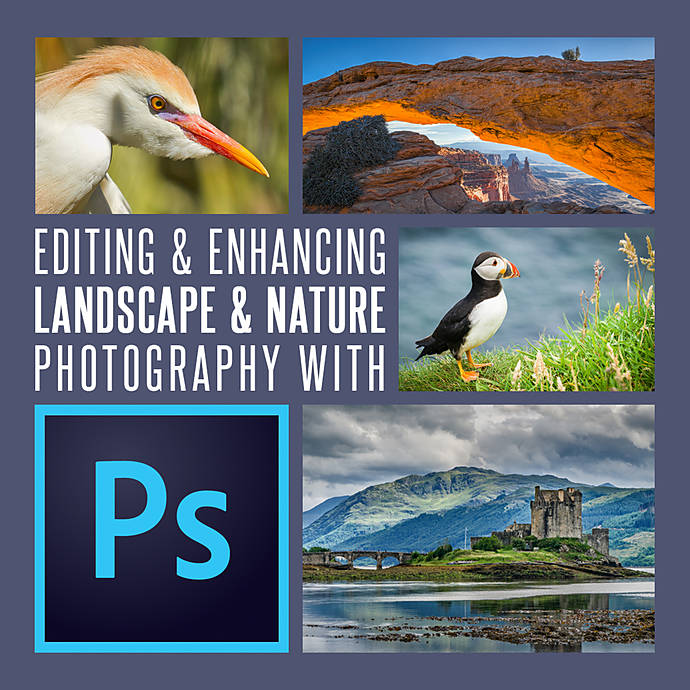
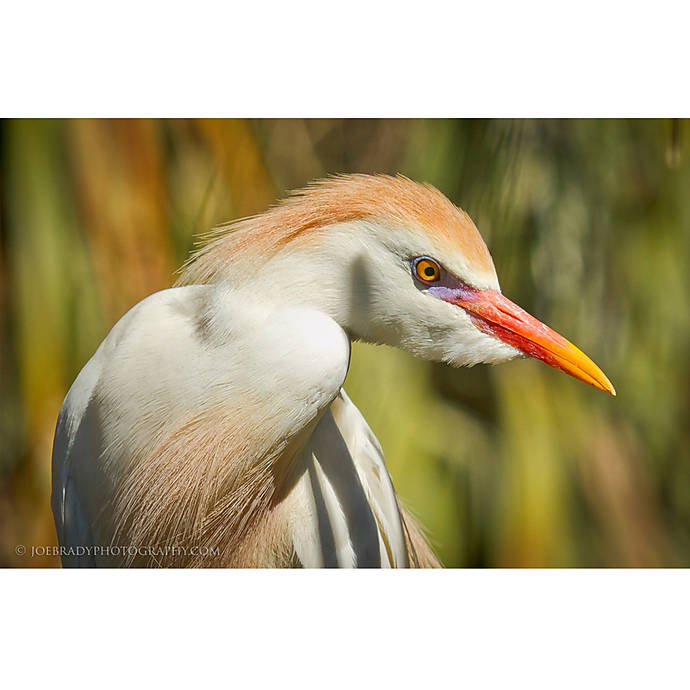
Many otherwise excellent contest entries get undermined in post-production. Oversaturated colors, crunchy contrast, heavy clarity, and artificial skies can make an image feel less credible and less sophisticated. Editing and Enhancing Landscape and Nature Photography with Photoshop is highly useful because it points photographers toward disciplined, category-appropriate editing rather than flashy manipulation for its own sake.
Good contest editing should support the image, not announce itself. That means better tonal shaping, clean color management, distraction removal, and local adjustments that guide the eye naturally. In landscape and nature categories especially, tasteful editing often performs better than obvious digital excess.
Best takeaway: Polish matters, but restraint matters more.
5. Know Your Camera Deeply Enough to React Fast
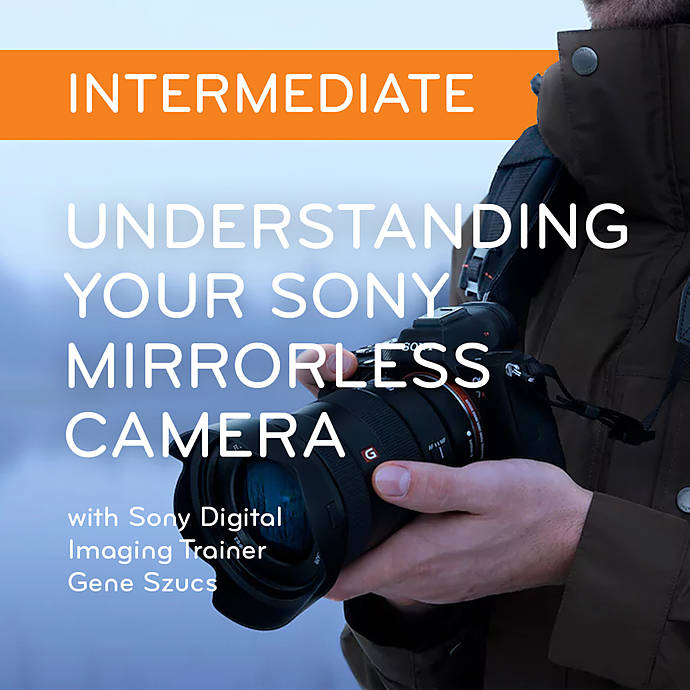
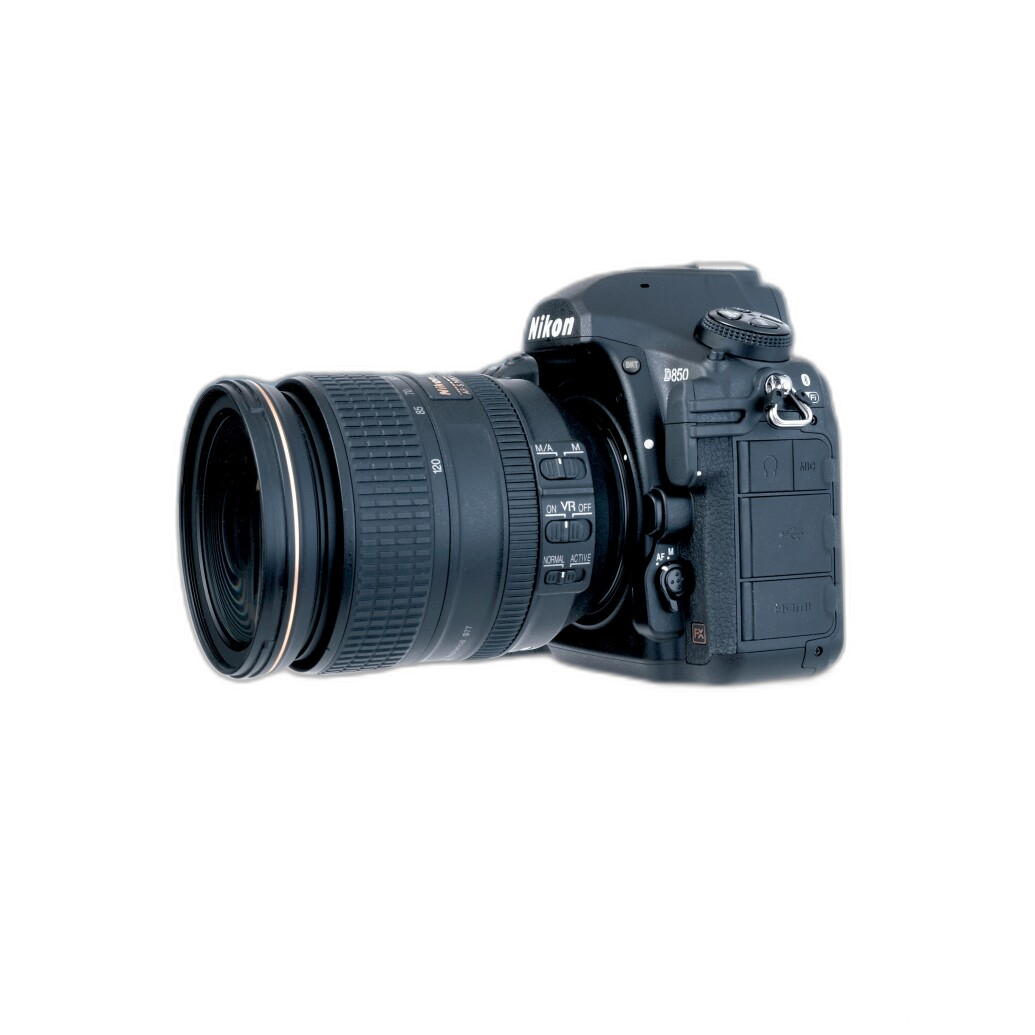
Contest-worthy moments are often fleeting. Whether you are photographing wildlife, action, environmental portraiture, or night skies, hesitation can cost you the frame. Camera-specific education, such as Understanding Your Sony Mirrorless Camera: Intermediate or the Nikon D850 Guide to Digital SLR Photography by David Busch, helps photographers move beyond auto-mode dependence and into confident control.
This matters in contests because technical failures are easy to spot. Missed focus, poor dynamic range management, incorrect shutter speed, or preventable noise can weaken even a compelling composition. A deep understanding of autofocus behavior, metering, custom controls, and file handling creates a stronger foundation for consistent results.
Best takeaway: Familiarity with your camera frees you to focus on timing and vision.
6. Explore Specialized Genres for Unique Entries
Another effective way to stand out is to enter categories where your work already has a niche strength. Astrophotography, macro, and polished product work can all separate you from more crowded mainstream submissions when executed well. UUOnline: Astrophotography 4-Part Series with Temu Nana and Product Photography and Post Production Editing with Blake Taylor are examples of specialized educational options that can help photographers build category-specific expertise.
Astrophotography can be especially powerful in contests because it combines technical precision with visual wonder. Product photography, meanwhile, can be a standout category for commercial, conceptual, or still life competitions when lighting and retouching are clean and intentional.


Best takeaway: Specialized mastery often beats broad but ordinary competency.
Pros and Cons of This Educational Approach
Pros
- Builds practical skills that directly improve contest submissions
- Encourages stronger originality, storytelling, and technical consistency
- Covers multiple contest-relevant areas including lighting, editing, landscape, macro, and niche genres
- Useful for both beginners trying to improve and experienced photographers refining their edge
- Available through Unique Photo, making it easy to find classes and learning resources in one place
Cons
- Education improves your odds, but contests still remain subjective
- Some photographers may need several classes or workshops rather than one solution
- Genre-specific training may be less useful if your contest interests change frequently
- Success still depends on practice, curation, and choosing the right image to submit
What Actually Makes an Entry Stand Out
If there is one unifying lesson across all of these resources, it is that contest success is rarely accidental. Strong entries are usually the result of deliberate seeing, strong execution, and disciplined editing. Photographers who consistently place well tend to do a few things better than everyone else:
- They submit fewer, better images
- They understand category expectations
- They avoid clichés unless they can reinvent them
- They edit with subtlety
- They build a recognizable visual voice over time
That is why educational products and workshops like these are worth reviewing favorably. They are not shortcuts, but they do address the exact weaknesses that often keep good photographers from becoming competitive ones.
Verdict and Recommendation
For photographers serious about standing out in contests, the best strategy is not to chase gimmicks but to strengthen the full image-making process: concept, capture, light, editing, and storytelling. Unique Photo’s educational offerings provide a strong framework for doing exactly that, with especially valuable options in landscape, macro, lighting, editing, camera mastery, and specialized genres.
If you are building toward stronger contest entries, Macro and Landscape Photography at Duke Farms with Michael Downey, Understanding Light Modifiers with John Ricard and Models, and Editing and Enhancing Landscape and Nature Photography with Photoshop are among the most directly useful places to start. For narrative and category differentiation, the Matthew Borowick EXPO session and the astrophotography series are also excellent complements.
Recommendation: Invest in education that improves how you see, shoot, and edit. Then curate ruthlessly. For photographers ready to take that next step, Unique Photo is the place to buy these classes and learning resources.