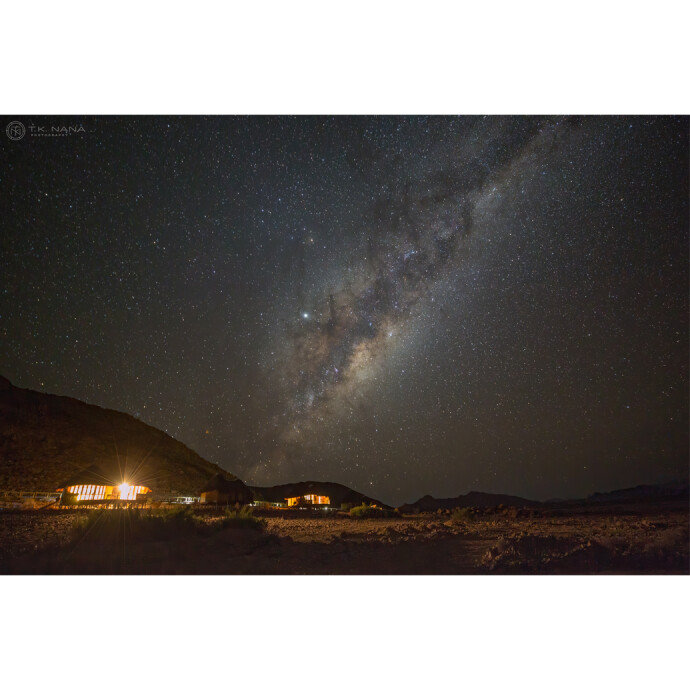
Winning or placing in a photography contest rarely comes down to luck alone. Strong contest results usually come from a repeatable process: choosing a compelling subject, executing clean technique, editing with restraint, and presenting a portfolio that feels intentional rather than random. For photographers looking to improve their odds, educational resources can be just as important as camera gear, especially when they sharpen the exact skills judges notice first.
In that sense, this review looks at a smart mix of Unique Photo classes, online sessions, and books that help build contest-ready work. Rather than treating contests as a mystery, these resources address the practical areas that matter most: visual storytelling, landscape and nature impact, post-processing discipline, genre specialization, and technical consistency. If your goal is to submit stronger images instead of simply submitting more images, these are the kinds of products worth considering from Unique Photo.
Why Education Improves Your Contest Odds
Photography contests tend to reward images that are immediately engaging but also technically polished on closer inspection. That means you need more than a good camera and a lucky day. You need taste, editing judgment, subject awareness, and a sense of how to make your images stand apart in a crowded field.
The strongest strategy is to improve in areas that judges repeatedly respond to:
- Original perspective and storytelling
- Control of light, color, and composition
- Clean, believable post-production
- Genre-specific excellence
- Consistency across a body of work
The products reviewed here support those exact goals.
Review of the Best Learning Resources for Contest Preparation
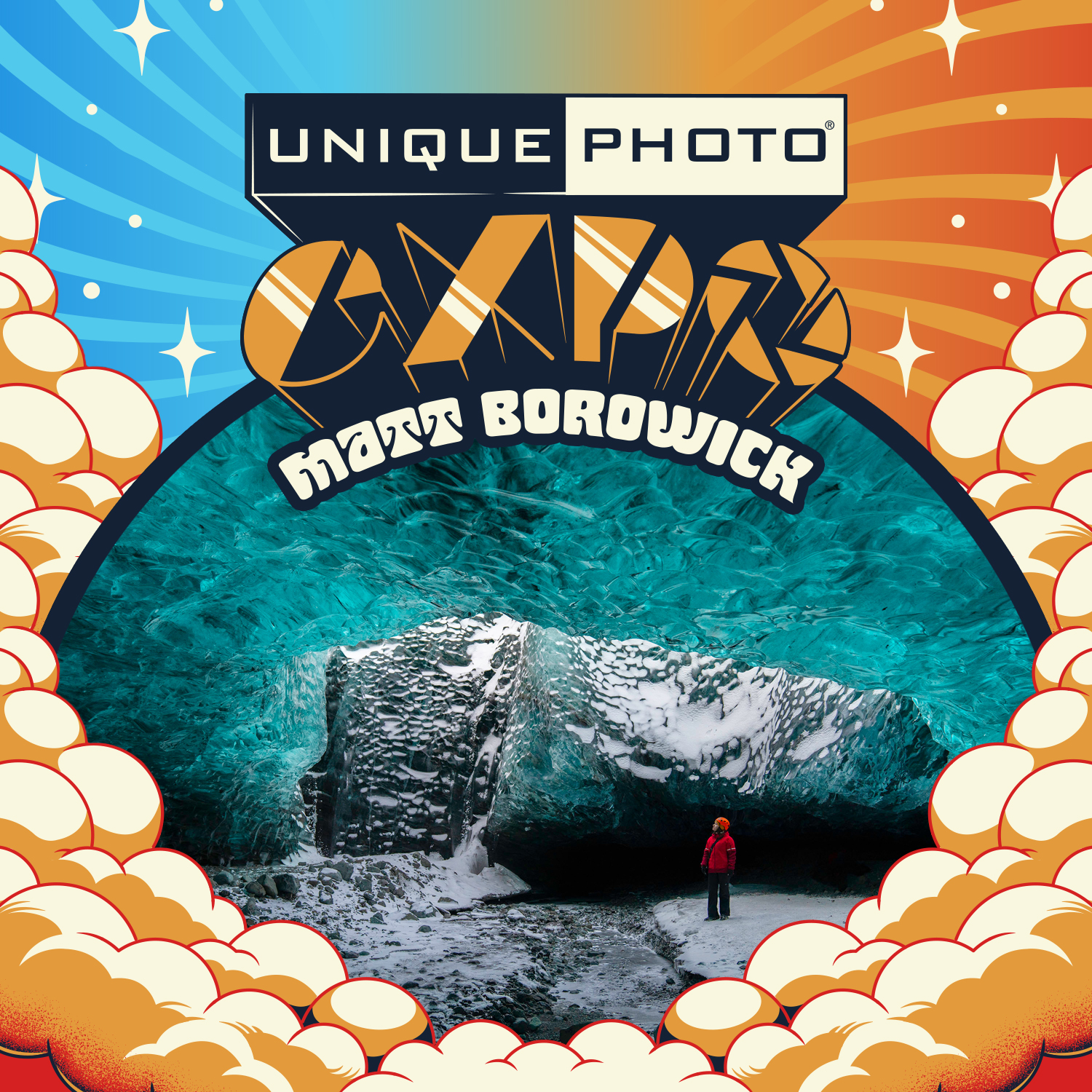
1. EXPO: Stories from the Road - Photography Across Worlds w. Matthew Borowick
If there is one skill that consistently separates forgettable contest entries from memorable ones, it is storytelling. EXPO: Stories from the Road - Photography Across Worlds w. Matthew Borowick stands out as one of the most relevant options for photographers who want to move beyond technically competent images and create photographs with narrative depth.
Contest judges often see thousands of sharp, well-exposed photos. What tends to linger is a frame that suggests place, emotion, or discovery. A presentation like this can help photographers think beyond isolated beauty shots and toward visual meaning, which is often the hidden advantage in editorial, travel, documentary, and even open-theme contests.
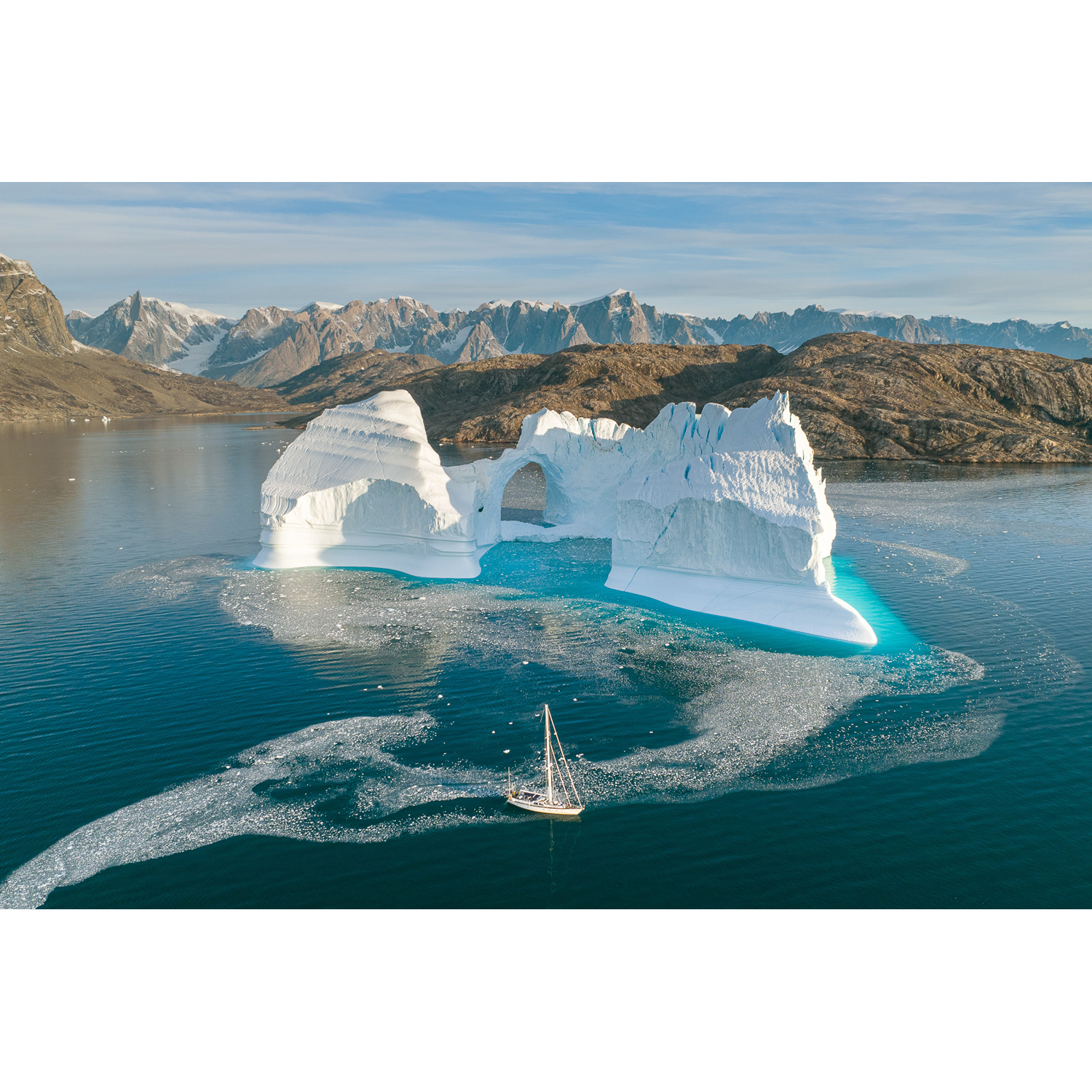
For photographers trying to improve their contest odds, this kind of event is valuable because it encourages stronger image selection and sequencing. It can help you ask better questions before entering: What makes this image different? What does it say? Why would a judge pause on it?
Best for: travel, documentary, editorial, and open-theme contest entrants who want stronger visual voice.
2. Macro and Landscape Photography at Duke Farms with Michael Downey
Landscape and nature contests are extremely competitive, which means strong field technique matters. Macro and Landscape Photography at Duke Farms with Michael Downey is especially useful because it combines two contest-friendly approaches: grand scenic composition and close-up detail work.
That versatility matters. Many photographers enter only the obvious wide landscape image, but contests often reward variety and fresh perspective. Macro work can reveal patterns, textures, and intimate natural moments that feel less predictable than the standard scenic overlook shot. Meanwhile, landscape training helps refine composition, timing, and natural light awareness.
This class is a good strategic choice for photographers who want to build a more diverse contest portfolio from a single outing or subject area. It supports one of the smartest contest strategies: submit images that show both technical control and range.
Best for: nature, landscape, macro, and fine art competition entries.
3. Editing and Enhancing Landscape and Nature Photography with Photoshop
Even great captures can underperform in competitions if the editing is flat, heavy-handed, or inconsistent. Editing and Enhancing Landscape and Nature Photography with Photoshop is one of the most directly useful resources in this group because post-production quality is often where contest results are won or lost.
Effective contest editing is not about overprocessing. It is about refinement: preserving believable color, guiding the eye, balancing contrast, recovering detail, and presenting the image at its strongest without distracting artifacts or exaggerated effects. Judges are quick to notice halos, oversaturation, muddy shadows, and unnatural sharpening.
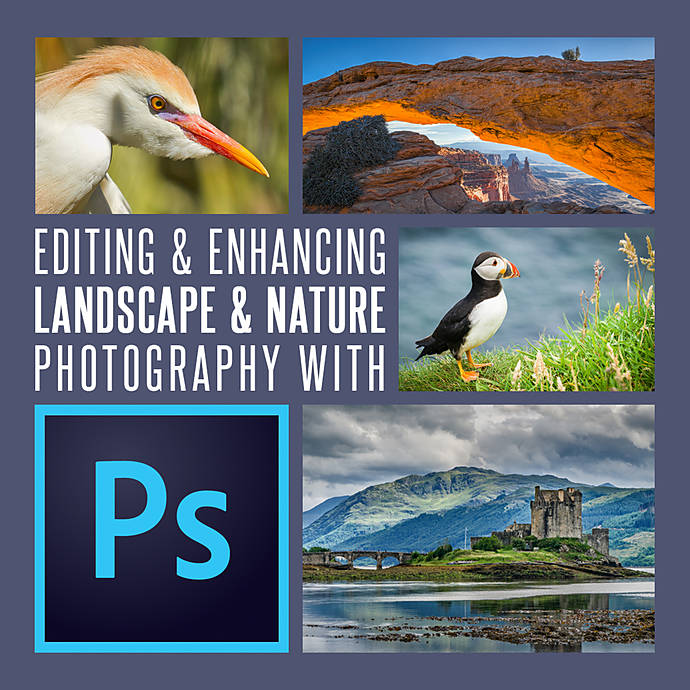
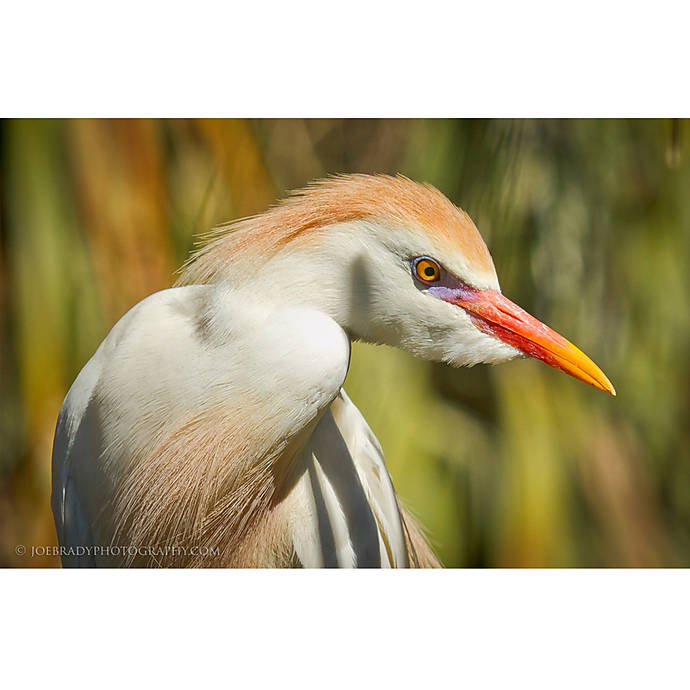
This class is especially valuable for entrants in landscape and wildlife contests, but the broader lesson applies everywhere: subtle, intentional editing usually performs better than dramatic processing that calls attention to itself.
Best for: photographers whose contest images need stronger finishing and cleaner post-production discipline.
4. Product Photography and Post Production Editing with Blake Taylor
At first glance, product photography might seem less relevant to contest work than travel or landscape education, but Product Photography and Post Production Editing with Blake Taylor offers a surprisingly strong competitive advantage: precision.
Contest judges regularly respond to polish, and product photography teaches photographers how to control lighting, edges, reflections, detail, background cleanliness, and tonal consistency. Those skills transfer well to still life, commercial, advertising, food, conceptual, and fine art contests. Even outside those categories, better control over visual distractions can strengthen any image.

Another benefit is learning how post-production can support a highly intentional final image. If your contest work tends to feel loose or visually cluttered, this type of instruction can sharpen your standards fast.
Best for: still life, commercial, conceptual, and photographers who want cleaner, more deliberate image craft.
5. UUOnline: Astrophotography 4-Part Series with Temu Nana
Specialization can improve contest odds because niche categories reward photographers who understand the technical and aesthetic demands of a subject deeply. UUOnline: Astrophotography 4-Part Series with Temu Nana is a strong example of that principle in action.
Astrophotography contests and night-sky categories demand exposure control, noise management, planning, and a strong grasp of environmental composition. A multi-part series is especially appealing because it suggests a more comprehensive approach rather than a quick overview. That matters in a field where small technical mistakes can immediately weaken an otherwise dramatic image.

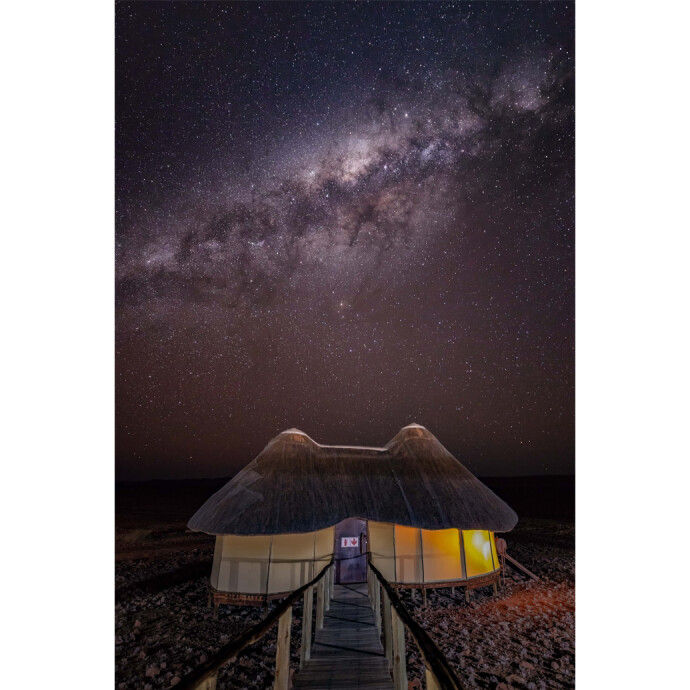
For contest-minded photographers, astrophotography is also strategically useful because standout night images can feel visually distinctive in open competitions. When executed well, they draw attention quickly.
Best for: astrophotography categories, night landscapes, and photographers looking to build a more distinctive contest niche.
6. Nikon D850 Guide to Digital SLR Photography by David Busch
While not a contest guide specifically, the Nikon D850 Guide to Digital SLR Photography by David Busch can still be an important support resource for photographers who use that camera body. Contest performance often depends on technical confidence: understanding autofocus behavior, dynamic range, file handling, shooting modes, and camera customization.
If you are entering competitions with a D850 but not using it to its full potential, a dedicated guide can help eliminate technical inconsistencies that affect your final submissions. Better exposure choices, cleaner files, and more efficient setup all increase your chances of producing stronger candidates for entry.
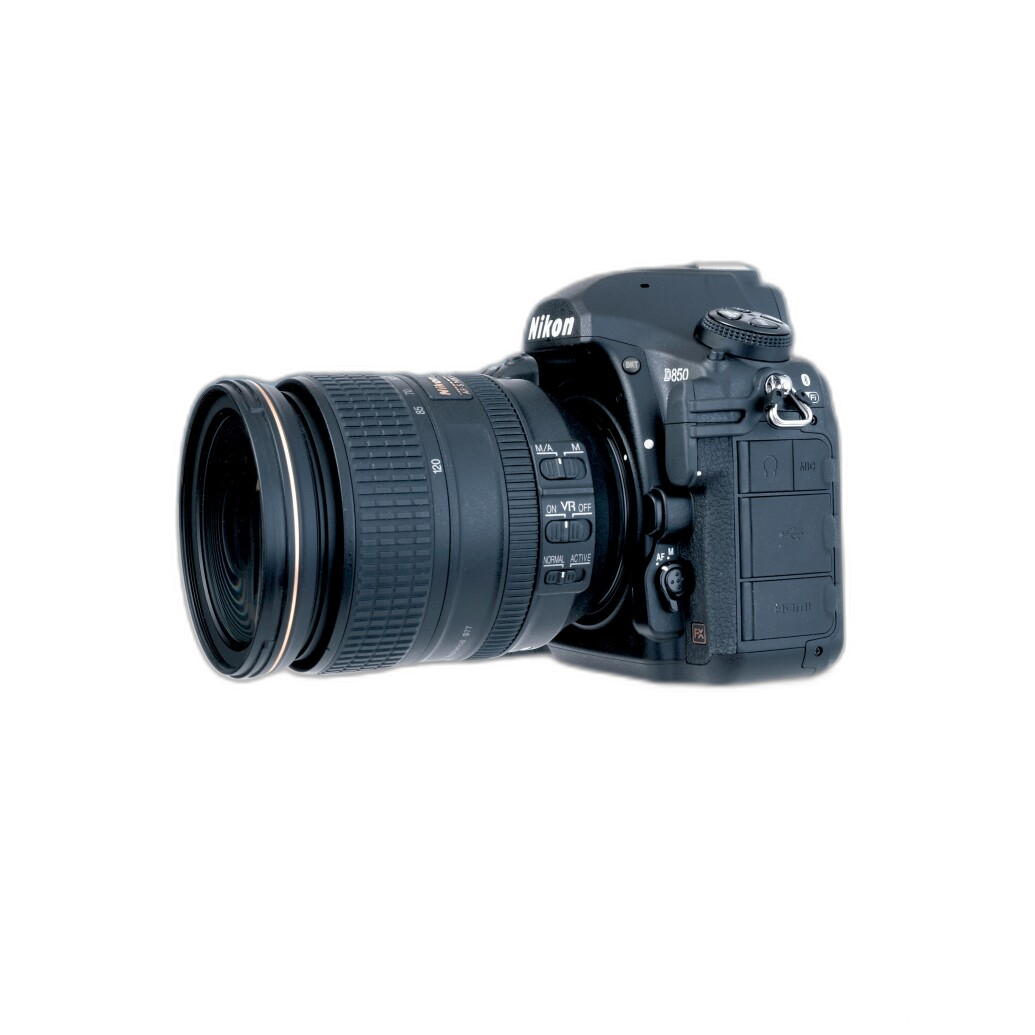
Best for: Nikon D850 users who want stronger technical command before competition shooting.
Best Strategies for Improving Your Odds in Photography Contests
Build a Stronger Editing Standard
One of the most practical ways to improve your odds is to edit more selectively. Most photographers hurt themselves by submitting images that are good rather than exceptional. Resources like the Photoshop landscape and nature editing class help sharpen judgment, not just technique. That matters because editing includes both image processing and image selection.
Develop a Recognizable Point of View
Story-driven education, such as the Matthew Borowick presentation, is valuable because contests often reward images with intent. A recognizable voice does not have to be loud or eccentric, but it should feel specific. Judges notice when a photographer sees more deeply than surface-level beauty.
Master One Genre While Keeping Some Range
The Duke Farms macro and landscape class and the astrophotography series show two smart paths: become excellent in a contest category, but also cultivate range that keeps your submissions fresh. A broad portfolio is useful, but expertise is what often produces finalists.
Prioritize Technical Cleanliness
Sharpness where it matters, controlled highlights, believable color, and clean post-production all influence first impressions. Even highly creative images can lose momentum if execution is sloppy. Product photography training is particularly useful here because it reinforces visual discipline.
Enter With Intent, Not Volume
Submitting many images does not automatically improve your odds if they are repetitive or inconsistent. Instead, prepare a shortlist of your strongest work and compare it critically. Ask whether each image has impact at thumbnail size and depth at full size.
Pros and Cons of Using Educational Resources to Improve Contest Results
Pros
- Helps refine both shooting and editing decisions
- Builds confidence in specialized contest categories
- Improves consistency across a portfolio
- Encourages stronger storytelling and originality
- Can reveal weaknesses that are holding back otherwise good images
Cons
- Instruction alone does not replace practice and image review
- Some classes may be more genre-specific than your contest needs
- Results depend on applying the lessons consistently
- Workshops and courses are an investment of time as well as money
Verdict
If your goal is to improve your odds in photography contests, the best strategy is not chasing trends or guessing what judges want. It is building stronger photographs through better vision, cleaner technique, and more disciplined editing. The products reviewed here support that process well, with especially strong value from EXPO: Stories from the Road - Photography Across Worlds w. Matthew Borowick for storytelling, Editing and Enhancing Landscape and Nature Photography with Photoshop for post-production refinement, and Macro and Landscape Photography at Duke Farms with Michael Downey for fieldcraft and subject variety.
Photographers who want to become more competitive should think of these not as isolated classes or guides, but as building blocks in a stronger contest workflow. For anyone ready to invest in better submissions, Unique Photo is an excellent place to buy these learning resources and explore additional education that can help turn near-misses into winning entries.