Portrait composition and posing are the twin pillars of compelling portrait photography. Whether you shoot environmental portraits, headshots, or stylized studio work, a few foundational choices about framing, perspective, and body language can transform your results. Here are proven, real‑world best practices from the Unique Photo team to help you pose subjects confidently and compose portraits with intent.
Portrait Composition Basics That Always Work
- Rule of thirds and variations: Place the eyes along an upper third for headshots; for full‑length portraits, align the face or torso along a vertical third. Break the rule intentionally once you’ve established a safe frame.
- Headroom and breathing room: Keep a touch of space above the head, and don’t crop too tight on the chin or the back of the head—allow the subject to “breathe” in the direction they’re facing.
- Leading lines: Use architecture, fences, or paths to guide attention toward the subject. Avoid lines intersecting faces or growing out of heads.
- Negative space: A clean side of the frame amplifies mood and copy space for editorial work. Compose so the subject faces into the open space for a natural feel.
- Balance and weight: Counter a bright face with a darker, broader area on the opposite side of the frame, or vice versa, to keep the image visually balanced.
Lens Choice and Camera Height for Flattering Perspective
Portraits typically flatter from medium telephoto perspectives—think 85–135mm on full-frame (or their APS‑C/MFT equivalents). Step back and zoom in to compress features gently and simplify backgrounds. Position the camera near eye level for neutral perspective; slightly above eye level can slim and open the eyes, while slightly below can add power for athletic or masculine‑leaning portraits. Avoid getting too close with wide lenses to prevent perspective distortion (larger nose, smaller ears).
Background Control and Subject Separation
- Distance is your friend: Keep the subject several feet from the background to reduce distractions and make bokeh smoother.
- Color strategy: Choose backdrops that complement skin tones and wardrobe. Harmonize or purposefully contrast—either way, decide intentionally.
- Depth cues: Layer foreground elements (branches, frames, doorways) to add depth without blocking the subject.
- Keep horizons clean: Tilt the camera only if it serves the story; a level horizon is often best in classic portraiture.
Posing Fundamentals: From Stiff to Effortless
- Posture and weight: Ask subjects to shift weight to the back foot for a natural S‑curve; think tall through the crown of the head, relaxed shoulders.
- Angles and asymmetry: Turn the body 30–45° off camera, then bring the face back to the lens. Avoid square‑to‑camera stances unless you want a bold, assertive look.
- Chin, neck, and jawline: “Chin out and slightly down” lengthens the neck and defines the jaw. Micro‑adjust in millimeters.
- Find the best side: Most people have a preferred side; test both quickly and commit.
How to Pose Hands Naturally
- Show the edge, not the back of the hand—it’s more elegant and slim.
- Relax fingers: Imagine holding a delicate object; avoid stiff, splayed fingers.
- Give hands a job: Lightly touch a lapel, pocket, hair, or necklace. Props (hat, book, bouquet) help.
- Separate arms from torso: A slight gap prevents arms from flattening.
Prompts That Unlock Real Expressions
- Use action verbs: “Walk toward me slowly,” “Look past my shoulder and exhale,” “Close your eyes and think of…now open.”
- Micro‑movements: Tiny head turns and posture resets create variety quickly.
- Breathing beats: Inhale on three, exhale on four, click on the soft expression that follows.
- Connection cues: Ask for a memory, a favorite place, or an inside joke if shooting couples.
Posing Across Body Types and Styles
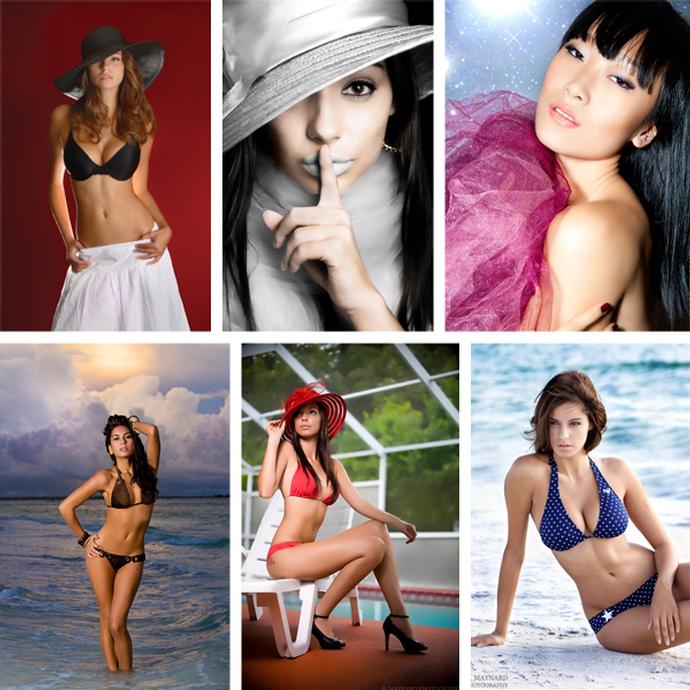
- Strength vs. elegance: Squared shoulders and weight forward convey power; curved lines and gentle head tilts communicate grace.
- Create triangles: Elbows and bent knees form dynamic, flattering shapes.
- Flowing fabrics: Use movement to shape the silhouette and add energy.
- Be collaborative: Ask for comfort checks; honor personal boundaries and adjust poses accordingly.
Headshots, 3/4, and Full‑Length Portraits
- Headshots: Prioritize eye line, catchlights, and clean background. Shoot slightly above eye level for an inviting look.
- Three‑quarter: Keep hands purposeful; avoid cropping at joints (wrists, knees, ankles).
- Full‑length: Watch feet direction, posture, and ground shadows. Maintain vertical perspective (don’t tilt the camera down excessively).
Couples and Group Portrait Composition
- Triangles and staggered heights: Avoid a straight line of heads; think layers.
- Connection points: Hands, shoulders, and subtle leans signal closeness.
- One hero light, one hero face: Make sure the key light and strongest pose land on the primary subject.
Natural Light Portraits: Direction, Quality, and Control
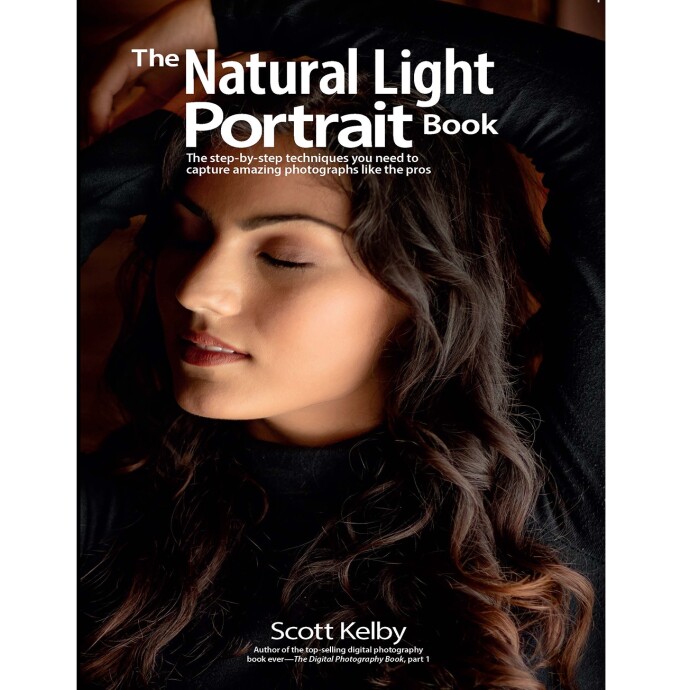
Use open shade and north light for even tones; backlight for glow and separation; side light for depth and dimension. A reflector or diffusion panel is your portable studio outdoors. For a deep dive into sunlight strategy, the book below is a timeless resource available at Unique Photo.
Lighting and Composition: Shape the Face, Frame the Story
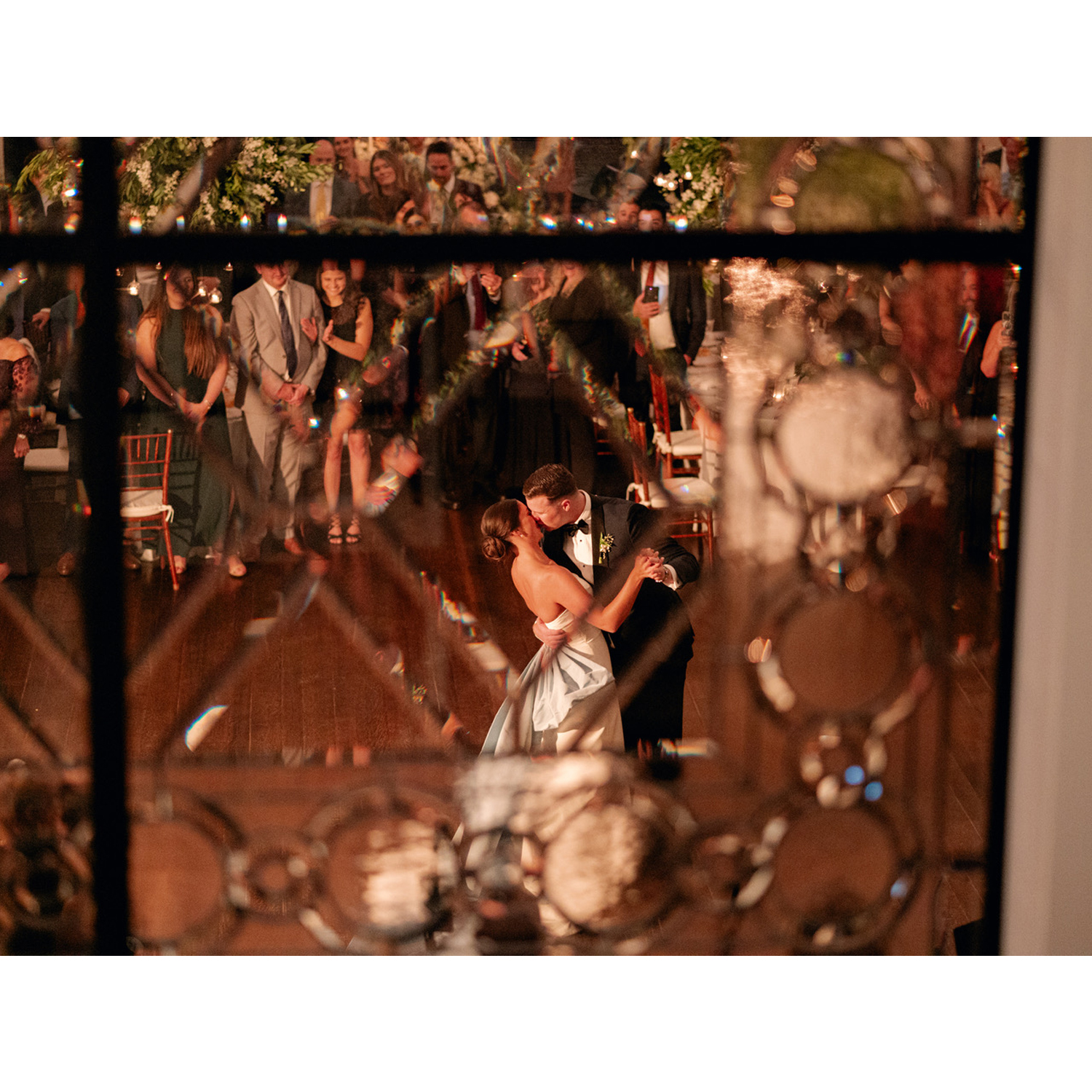
Lighting patterns complement composition. Short lighting slims faces, broad lighting opens them up; butterfly and clamshell emphasize symmetry and fashion; Rembrandt adds dramatic depth. Learn to pre‑visualize the light angle before you pose—then fine‑tune chin position, eye line, and shoulder direction to match.
Stylized Portraiture and Concept Building
For editorial and fashion‑forward portraits, elevate with concept boards, color harmony, and graphic shapes. Use negative space boldly, embrace symmetry when it supports the mood, and coordinate wardrobe with backdrop and gels for cohesive storytelling.

Train Your Eye: Composition Workshops and Live Shoots
Composition is a muscle—practice with guided critique accelerates growth. Unique Photo’s Unique University hosts hands‑on classes led by top educators so you can put these ideas to work on set.

Quick Checklist: Common Mistakes to Avoid
- Cropping at joints (wrists, ankles, knees). Crop mid‑forearm or mid‑calf instead.
- Hands larger than faces due to lens distance—avoid pushing hands toward the camera.
- Distracting background mergers—shift your position a step left/right.
- Flat light with no catchlights—raise or angle your key for life in the eyes.
- Too many competing angles—simplify the pose to two or three clear lines.
Camera Settings That Support Strong Composition
- Aperture: f/1.8–f/2.8 for creamy headshots; f/4–f/5.6 for couples and small groups; f/5.6–f/8 for larger groups.
- Shutter: Prioritize sharp eyes—raise shutter speed as subjects move (1/250–1/500s).
- Focus: Use single‑point AF on the lead eye, eye‑AF when available, and recompose as needed.
- White balance: Set intent (daylight, cloudy, gelled) to reinforce the mood you compose.
A Simple On‑Set Flow
- Establish a clean master composition (safe shot).
- Refine pose from the ground up: feet, hips, shoulders, chin, eyes, hands.
- Add a prompt to unlock expression; capture a quick burst of variations.
- Adjust background and negative space; shoot a wide, a mid, and a tight.
- Finish with a creative angle, prop, or lighting twist for a hero frame.
Conclusion: Keep Practicing With Purpose
Great portrait composition and posing come from intentional choices, consistent practice, and a clear point of view. Explore live workshops, books, and hands‑on experiences through Unique Photo to train your eye and build reliable posing flows that work with any subject.
Internal linking suggestions:
- Unique University classes for Portraits and Lighting
- Portrait Lenses (85mm, 105mm, 135mm)
- Lighting & Modifiers (softboxes, umbrellas, reflectors)
- Backdrops & Stands
- Reflectors & Diffusers
- Photography Books & Guides
- Studio Accessories & Tethering