Introduction: Using Sony Lens Compare Beta to Think More Critically About Portrait Glass
If you are shopping for the best portrait lens, Sony Lens Compare Beta is a useful way to move beyond spec-sheet shopping and start evaluating what actually matters for portrait work: focal length rendering, subject separation, framing flexibility, and how a lens fits your shooting style. While the compare tool can help visualize differences across Sony’s lineup, the real-world portrait question is simpler: do you want a flexible zoom that can handle headshots, environmental portraits, and event-style people photography, or are you looking for a more specialized aesthetic?
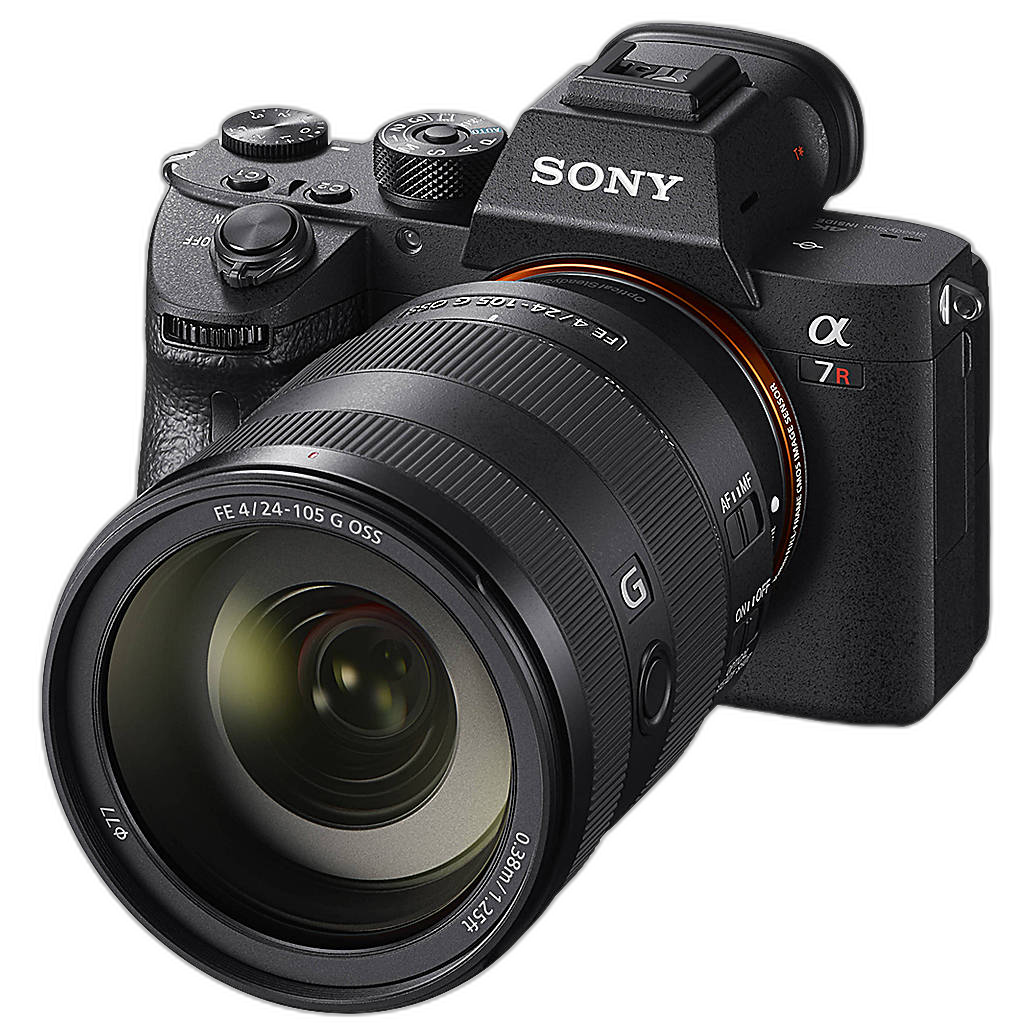
Among the products available here, the Sony FE 24-105mm f/4 G OSS Lens stands out as the most relevant and practical portrait choice. It is not the classic ultra-fast prime portrait lens enthusiasts usually dream about, but in day-to-day use it is an excellent portrait-capable zoom with a very usable focal range, strong image quality, dependable autofocus, and optical stabilization. For photographers using Sony full-frame mirrorless cameras, it is one of the smartest all-around options for portraits when versatility matters as much as pure background blur.
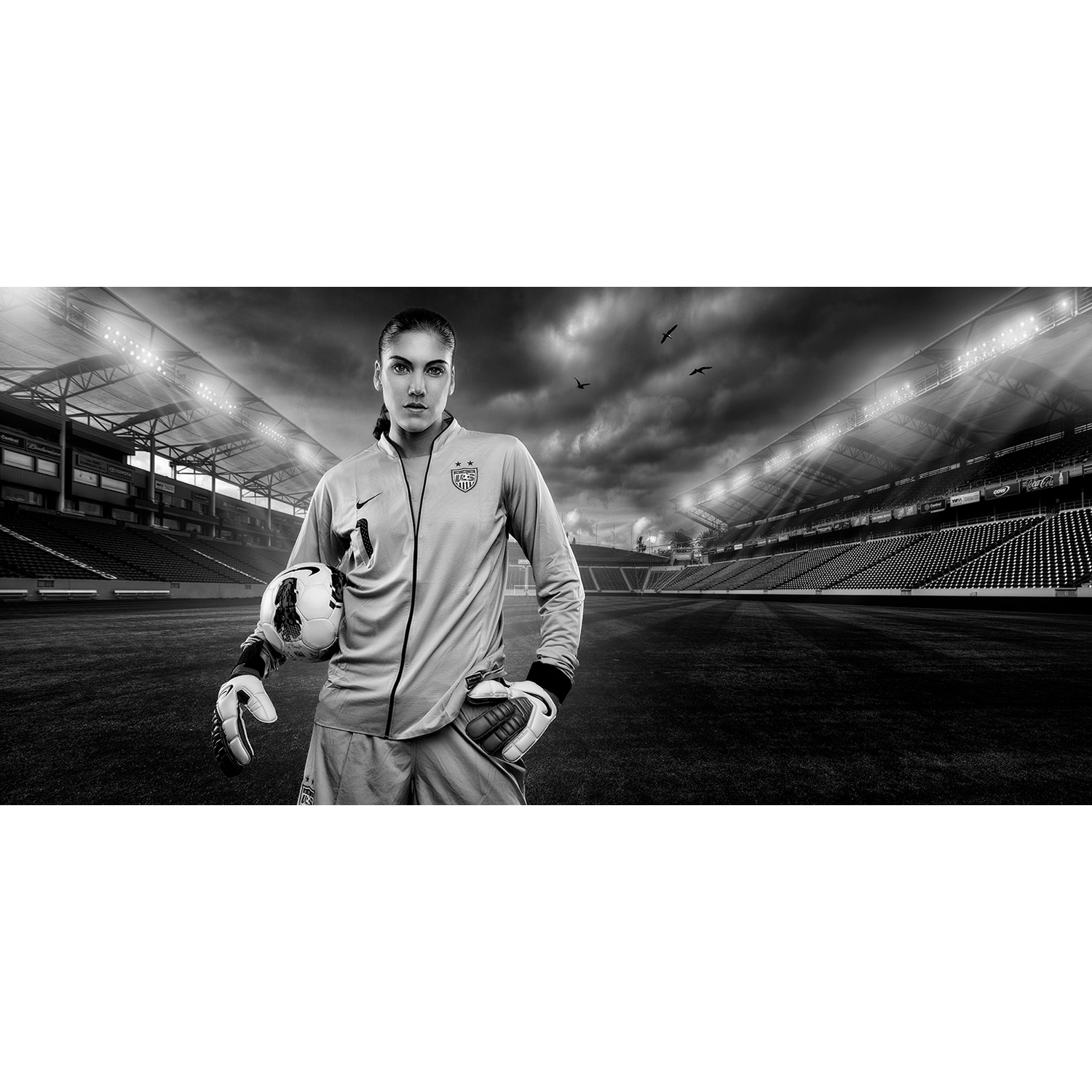
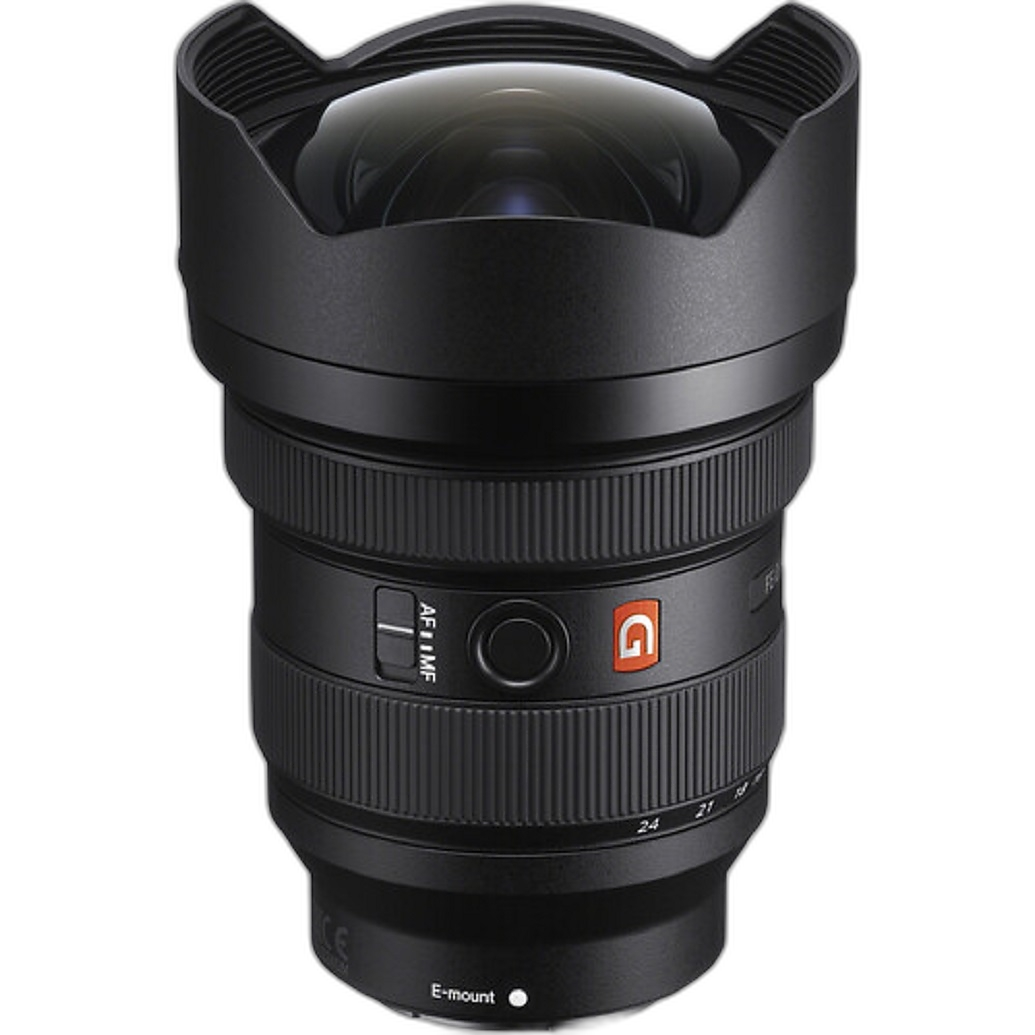
By contrast, the Sony FE 12-24mm f/2.8 GM Lens is a spectacular lens, but it is far more specialized for dramatic wide-angle work than traditional portraiture. It can be used creatively for environmental portraits, fashion, or editorial images with intentional perspective exaggeration, but it is not the lens most photographers should start with for flattering portrait results.
So if the question is “what do Sony Lens Compare Beta insights suggest for portrait shooters?” the answer from this product set is clear: the 24-105mm f/4 G OSS is the better portrait recommendation for most users.
Review Focus: Sony FE 24-105mm f/4 G OSS as a Portrait Lens
The Sony FE 24-105mm f/4 G OSS occupies an important place in Sony’s full-frame lens ecosystem. It is a premium standard zoom designed for photographers who need one lens to do a lot of work well. For portraits, that translates into a particularly useful range: 50mm for natural-looking half-body portraits, 85mm territory for flattering head-and-shoulders compositions, and 105mm for tighter framing with enhanced compression.
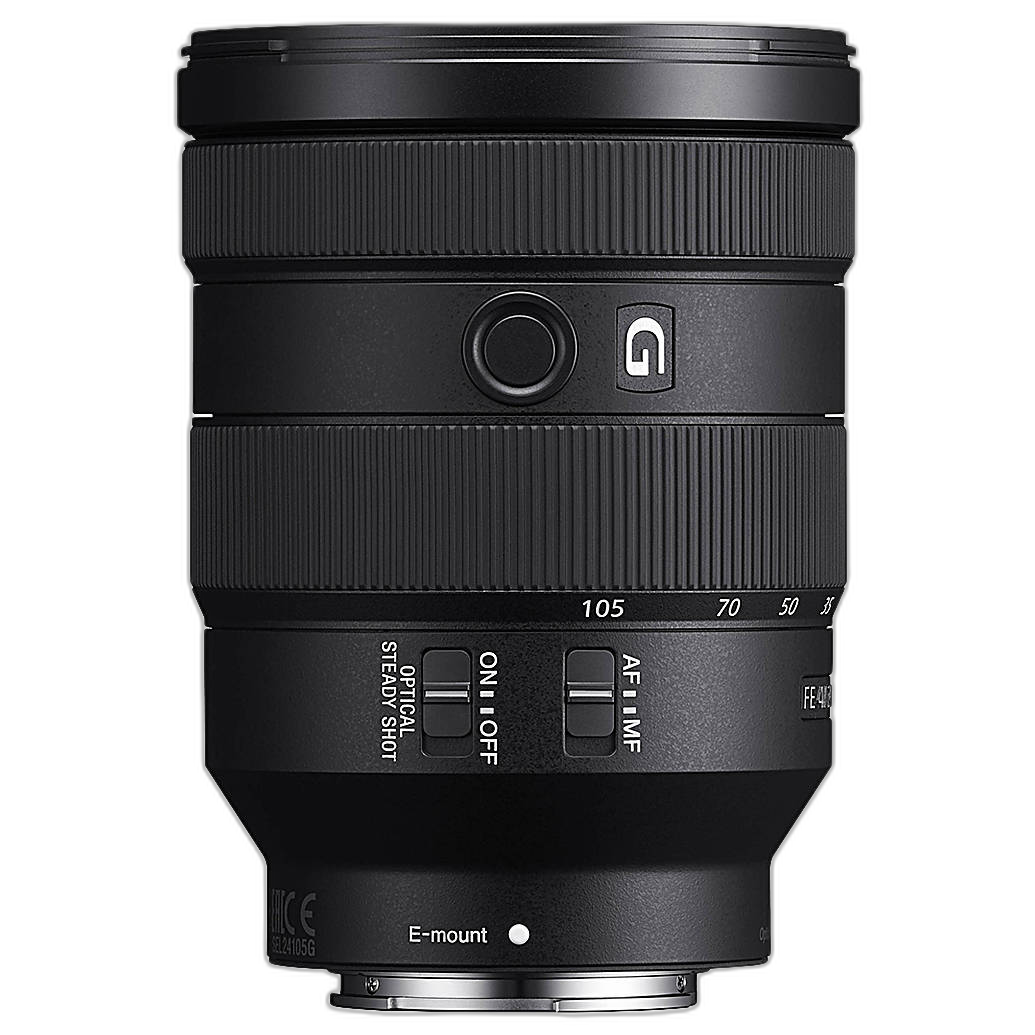
That flexibility is exactly why this lens holds up so well in portrait discussions. If Sony Lens Compare Beta helps you compare framing differences at various focal lengths, this lens effectively gives you several portrait-friendly looks in one package. Instead of committing to a single field of view, you can quickly adapt to a small studio, an outdoor location, or an event environment without swapping lenses.
Key Features
24-105mm Range Covers Multiple Portrait Styles
For portrait photographers, focal length is one of the biggest creative decisions. At 24mm, this lens is not where you will usually want to shoot traditional close-up portraits, but it can be useful for environmental scenes that place your subject in context. As you move through 50mm, 70mm, 85mm, and toward 105mm, the lens becomes increasingly strong for portrait work. Those longer focal lengths produce more flattering facial proportions and better background compression, especially for headshots.
This is the major strength of the 24-105mm design: one lens can cover casual family portraits, corporate work, senior sessions, lifestyle images, and even wedding candids. If you are learning your portrait preferences, a lens like this can teach you which focal lengths you naturally gravitate toward.
Constant f/4 Aperture Keeps Exposure Consistent
A constant f/4 maximum aperture is not as dramatic as f/1.4 or f/1.8 portrait primes, but it still offers meaningful control over depth of field, especially at the longer end of the zoom range. At 85mm to 105mm, you can still separate a subject well from the background, particularly when the background is distant and your composition is thoughtful.
The practical advantage is consistency. Exposure does not change as you zoom, which is valuable for both stills and video portraiture. For photographers shooting on location, that makes the lens more predictable and easier to work with.
Optical Stabilization Improves Handheld Shooting
Sony’s Optical SteadyShot adds real-world usefulness, especially for handheld portrait sessions in available light. Stabilization does not freeze subject movement the way a faster shutter speed does, but it helps you maintain sharpness at slower shutter speeds when your subject is relatively still. For indoor lifestyle portraits or documentary-style people photography, that can be a meaningful advantage.
Strong Everyday Autofocus Performance
Portrait work often depends on reliable autofocus, especially eye-detection performance on modern Sony bodies. While the exact autofocus experience also depends on the camera body, the FE 24-105mm f/4 G OSS has a reputation as a dependable working lens. For photographers capturing expressions, subtle movement, or fast-paced portrait sessions, that reliability matters as much as headline specifications.
Professional Build Without Being Overly Specialized
This lens feels like a serious tool, but it is not so niche that it only comes out for one type of assignment. That makes it attractive to portrait photographers who also shoot travel, events, documentary work, or general content creation. If your budget allows only one premium Sony lens, this is exactly the kind of product that earns its keep across many genres.
How It Compares to the Sony FE 12-24mm f/2.8 GM for Portrait Use
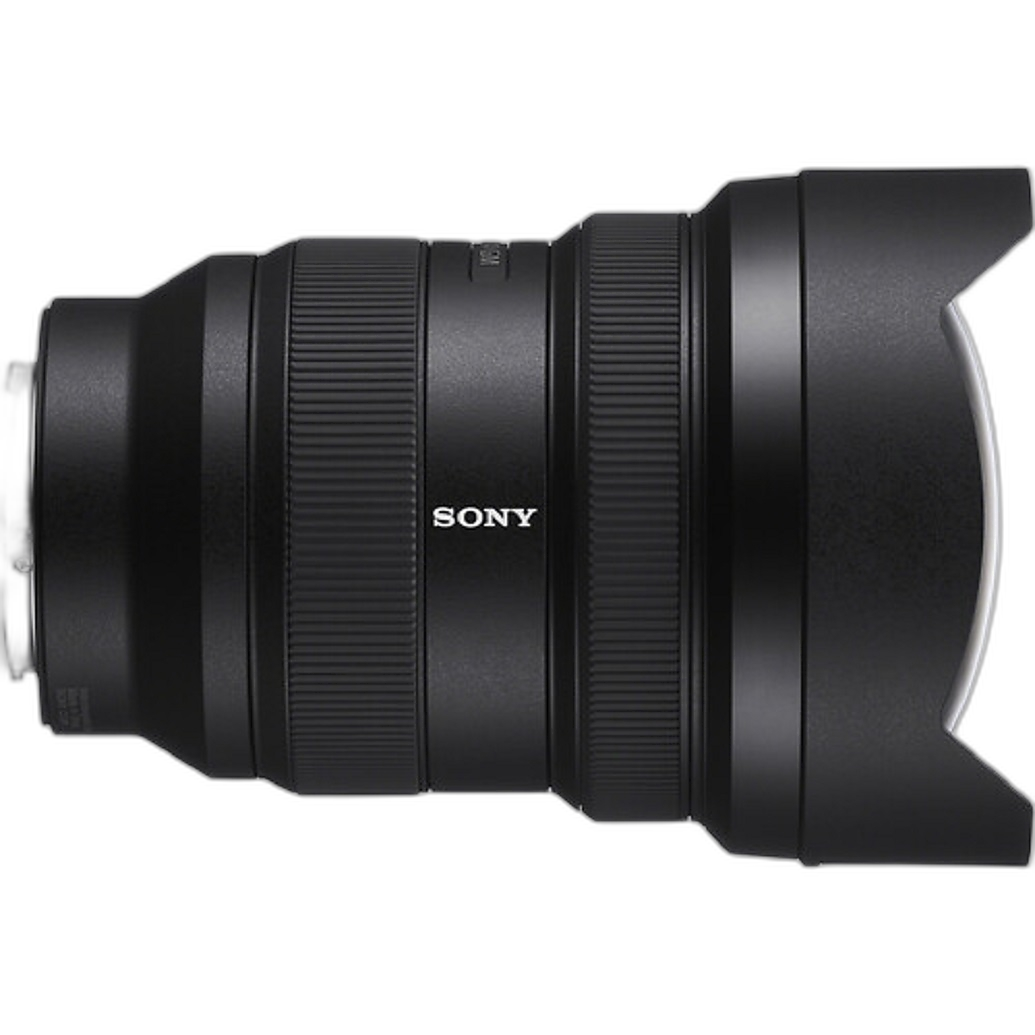
Sony Lens Compare Beta is particularly helpful when comparing perspective and framing behavior, and this is where the difference between these two Sony lenses becomes obvious. The FE 12-24mm f/2.8 GM is an elite ultra-wide zoom with premium optics and a bright aperture, but it serves a very different creative purpose.
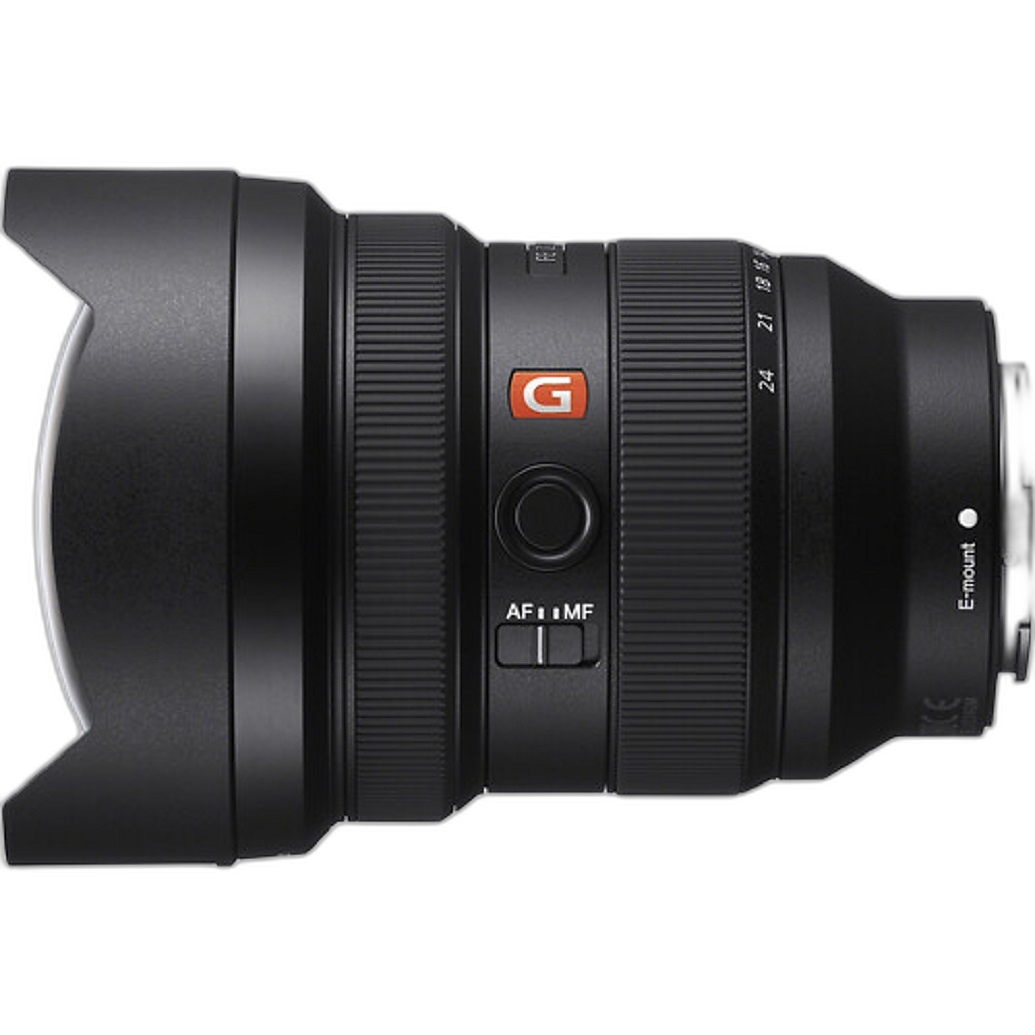
For portraits, the 12-24mm lens is best reserved for intentional effects: environmental portraits with dramatic foreground emphasis, architectural context, or stylized editorial work. At close distances, ultra-wide focal lengths can exaggerate facial features and distort proportions in ways that are usually unflattering for classic portraiture. That is not a flaw in the lens; it is simply the nature of the focal range.
Meanwhile, the 24-105mm offers a far broader and more flattering portrait envelope. If you want one Sony lens from this list that can realistically serve portrait shooters on a regular basis, the choice is the FE 24-105mm f/4 G OSS.
Real-World Portrait Experience
What makes the FE 24-105mm f/4 G OSS compelling is not that it is the absolute best lens for maximum blur or ultimate portrait specialization. Instead, it is that it performs well across the full portrait workflow. You can begin a session at 35mm or 50mm for environmental storytelling, move to 70mm for natural-looking three-quarter compositions, and finish at 105mm for tighter, more polished headshots. That kind of seamless transition is extremely useful when working with non-professional subjects who may lose patience during constant lens changes.
It is also a smart lens for photographers building a business. Clients often do not care whether you used a famous portrait prime; they care about whether the images look flattering, sharp, and professional. This lens can absolutely deliver that in capable hands.
Pros and Cons
Pros
- Excellent focal range for portraits, especially from 50mm to 105mm
- One-lens flexibility for portraits, events, and general photography
- Constant f/4 aperture simplifies exposure while zooming
- Optical stabilization helps with handheld shooting
- Strong image quality and dependable professional build
- Great option for photographers still discovering their preferred portrait focal length
Cons
- f/4 cannot match the background blur of fast portrait primes
- 24mm on the wide end is less suited to close-up flattering portraiture
- Larger and heavier than a small prime lens
- Portrait specialists may still prefer an 85mm or 135mm prime for maximum subject isolation
Who Should Buy It?
The Sony FE 24-105mm f/4 G OSS is best for Sony full-frame photographers who want a versatile portrait lens without locking themselves into one focal length. It is especially appealing for hybrid shooters, event photographers, family portrait photographers, and content creators who need one dependable zoom that can cover both people and general-purpose work.
If your portrait style is more editorial, environmental, or documentary, this lens makes even more sense. If your style centers on ultra-shallow depth of field and highly stylized bokeh, you may eventually want a fast prime in addition to it. But as a foundation lens, it is excellent.
Verdict
Based on the portrait-oriented question behind Sony Lens Compare Beta, the Sony FE 24-105mm f/4 G OSS Lens is the best portrait recommendation among the products listed here. It is not the most glamorous choice, but it is the most useful one. The focal range is ideal for exploring multiple portrait looks, the optics are strong, stabilization adds real convenience, and the lens fits naturally into both professional and enthusiast workflows.
The Sony FE 12-24mm f/2.8 GM remains a superb creative lens, but only for specialized wide-angle portrait applications. For most portrait photographers, the 24-105mm is simply the smarter and more practical buy.
If you are ready to add a portrait-capable Sony lens to your kit, Unique Photo is an excellent place to buy, whether you are comparing Sony lenses for your first serious setup or upgrading to a more versatile full-frame option.