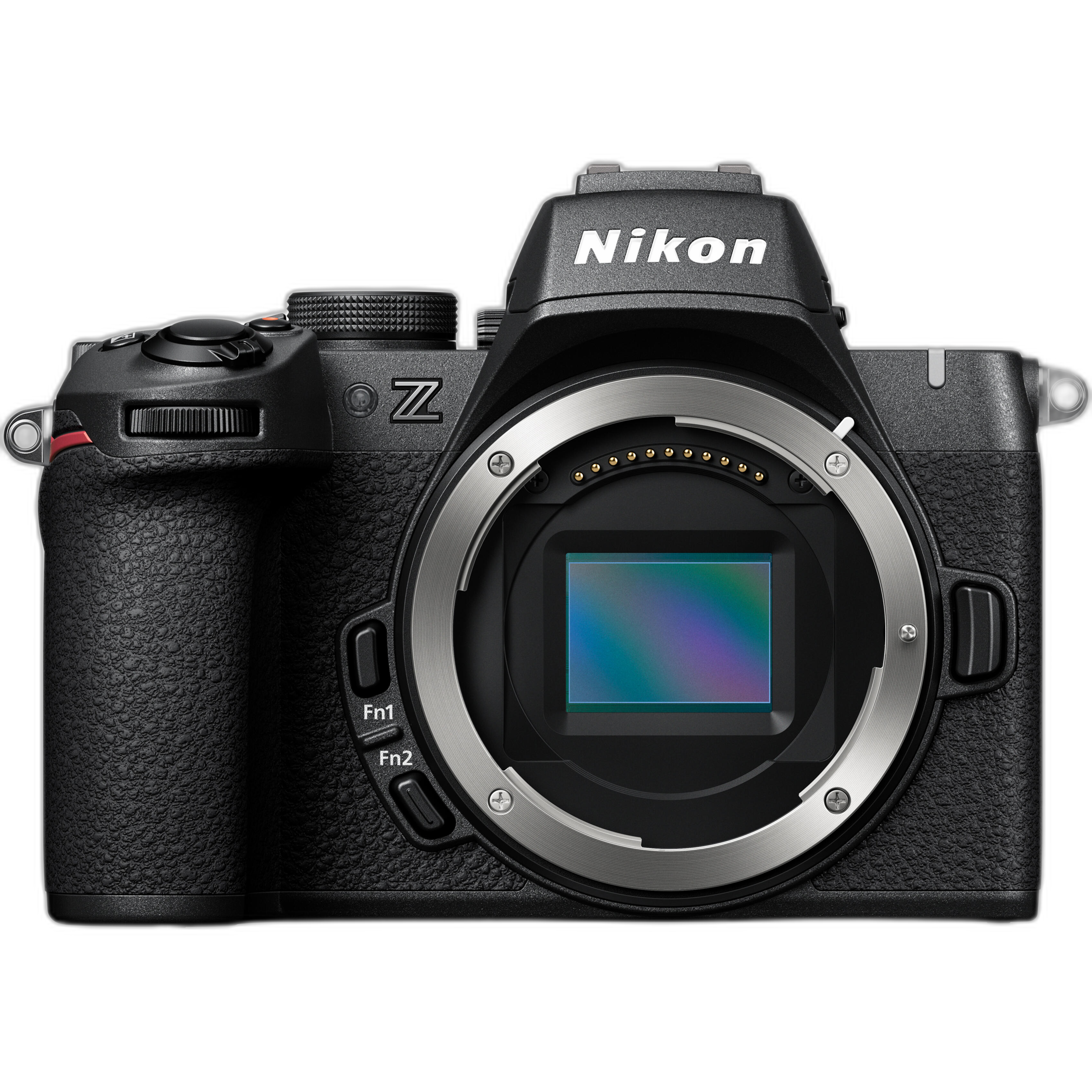
For new photographers stepping into Nikon’s mirrorless system around 2025, the beginner-friendly end of the Z mount lineup offered a particularly interesting choice. Rather than a single obvious entry point, Nikon presented three distinct paths: the modern DX-format Z50 II, the style-driven DX-format Z fc, and the affordable full-frame Z5. Each appealed to a different kind of beginner, and that made the decision less about finding the "best" camera in the abstract and more about matching the right body to the way a person actually wanted to shoot.
That is what makes this comparison useful as both a buying guide and a historical snapshot. In this period, Nikon’s Z system had matured enough that even its entry-level and enthusiast-accessible bodies benefited from a broader lens ecosystem and a clearer system identity than the company had in the earliest mirrorless years. For beginners, that meant the choice between DX and full-frame was no longer theoretical. It was practical, attainable, and increasingly shaped by budget, ergonomics, creative goals, and how much a photographer valued portability versus long-term expansion.
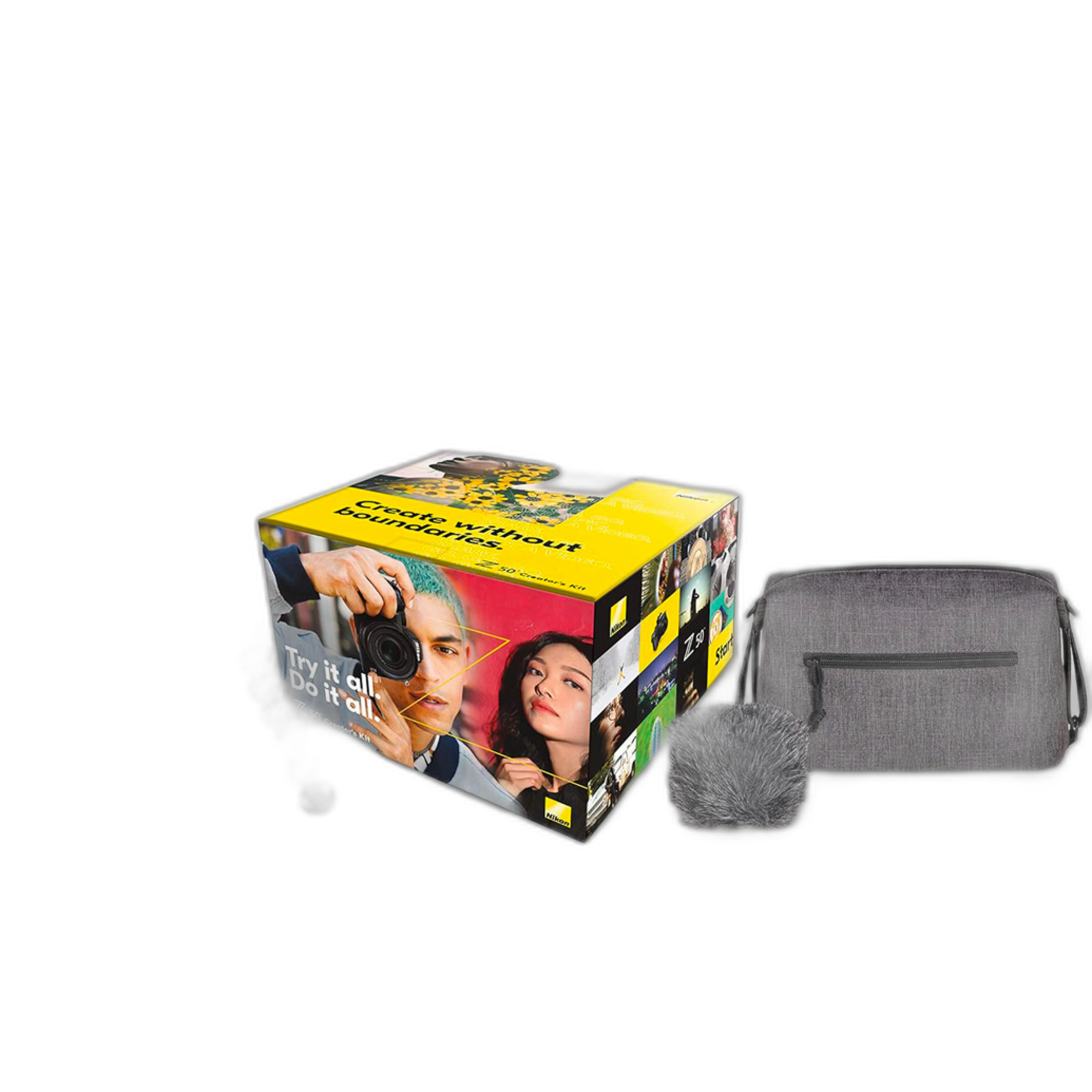
The Three Beginner Paths in Nikon Z Mount
At a high level, these cameras divided into two categories. The Z50 II and Z fc represented Nikon’s entry DX bodies, aimed at photographers who wanted smaller cameras, lower initial system cost, and an approachable way to enter the Z mount world. The Z5, meanwhile, stood as Nikon’s accessible full-frame option, bringing the larger-format sensor experience within reach of beginners willing to spend more up front.
Because this comparison covers entry DX and full-frame Z bodies, it naturally centers on the most important first-question for a new buyer: do you want a compact APS-C/DX camera that emphasizes portability and value, or a full-frame camera that prioritizes sensor size and system ambition?
Z50 II: The Most Straightforward Beginner Choice
If one model in this group can be described as the easiest recommendation for most new Nikon shooters, it is the Z50 II. Historically, cameras in this position tend to matter more than flashy flagship releases because they are the models that introduce a generation of users to a system. The Z50 II’s role was to make Nikon’s mirrorless experience feel current, friendly, and uncomplicated for first-time interchangeable-lens camera buyers.
For beginners, the Z50 II made sense because it likely represented the most conventional modern camera design of the three. It did not lean heavily on nostalgia, and it did not ask newcomers to commit immediately to full-frame expense. Instead, it sat in the middle: small enough to be unintimidating, advanced enough not to feel limiting too quickly, and flexible enough for travel, family photography, everyday video, and general learning.
The practical advantage of a DX-format body at this level is that it keeps both camera size and lens size manageable. For a beginner, that matters more than spec-sheet bragging rights. A camera that is easy to carry is more likely to be used. A camera that feels understandable is more likely to help someone build skills. In that sense, the Z50 II was the body for the buyer who wanted the clearest on-ramp into Nikon mirrorless without making the decision more romantic or more expensive than it needed to be.
Who the Z50 II Was Best For
- First-time mirrorless buyers who wanted the most balanced option
- Travelers and everyday photographers who valued portability
- Beginners who wanted modern handling over retro styling
- Users looking for a lower-cost entry into the Nikon Z lens ecosystem
Z fc: For Beginners Drawn to Style and Tactile Control
The Z fc occupied a different place in Nikon’s lineup and in the market’s imagination. Its appeal was not only technical but emotional. With its retro-inspired design language, it connected Nikon’s mirrorless present to the company’s film-era heritage, offering a camera that felt visually distinctive at a time when many entry-level digital bodies looked functionally similar.
That style was not superficial. For many beginners, especially those entering photography from smartphones or through an interest in vintage cameras, the Z fc made the process of learning feel more engaging. A camera that invites interaction can be a powerful teaching tool. It encourages a user to think about settings, to pay attention to the physical act of making a photograph, and to feel invested in the object itself.
At the same time, the Z fc was not the universal beginner answer. Retro-styled controls can be inspiring, but they can also be less straightforward for some users than the more conventional layout of a modern hybrid camera. Some first-time buyers would find that appealing; others would simply want speed and simplicity. That distinction is the key to understanding the Z fc’s place in this comparison. It was not necessarily the easiest beginner camera. It was the one most likely to delight a certain kind of beginner.
Historically, cameras like the Z fc often become important because they bring new users into a system who might not otherwise have considered it. The buyer choosing a Z fc was often choosing not just Nikon, but a way of experiencing photography that felt more intentional and personal.
Who the Z fc Was Best For
- Beginners who loved Nikon’s heritage-inspired design
- Photographers who enjoyed tactile, more deliberate shooting
- Style-conscious users moving up from smartphones
- Travel and lifestyle shooters who valued a camera with visual character
Z5: The Full-Frame Step-Up for Serious Beginners
The Z5 was the outlier in this trio because it offered something the other two did not: a full-frame sensor. That single distinction framed the entire buying decision. For a beginner, full-frame could mean access to a different image-quality conversation, a different lens roadmap, and a different sense of future growth within the Nikon system.
But the Z5’s significance was never just sensor size. Historically, affordable full-frame cameras have often served as bridges between entry-level enthusiasm and long-term commitment. The Z5 fit that role well. It was the camera for the beginner who already knew photography was going to be more than a casual hobby, or for the buyer who preferred to invest once and grow into a camera rather than replace it quickly.
That said, full-frame was not automatically the smartest beginner choice. A larger sensor body often means a larger investment overall, and the surrounding lens choices can push system cost higher than a DX kit. For some photographers, that is absolutely worthwhile. For others, especially those still learning what they enjoy photographing, it can be more camera than they need at the outset.
The Z5 therefore stood as the most ambitious beginner option in this group. It was less about the lowest barrier to entry and more about starting from a stronger long-term foundation.
Who the Z5 Was Best For
- Beginners committed to building a full-frame Nikon system
- Users prioritizing sensor size and long-term growth
- Photographers stepping up from older DSLRs or advanced compacts
- Buyers comfortable with a higher initial investment
DX vs Full-Frame: The Real Decision
In practical buying terms, the biggest divide here was not Z50 II versus Z fc. It was DX versus full-frame. The two DX cameras were about accessibility, portability, and lower system cost. The Z5 was about committing earlier to the larger-format side of the Nikon Z ecosystem.
For many beginners, DX remained the smarter place to start. It generally kept the overall kit lighter and more affordable, and it reduced the pressure of making every purchase feel like a major investment. If a new photographer was primarily interested in travel, family moments, street photography, or everyday creative growth, a DX body often made more sense than online discourse would suggest.
Full-frame, however, retained its draw. Beginners who had a clear plan, who wanted to invest in Nikon Z lenses for the long haul, or who simply preferred to start with the format they ultimately wanted, could reasonably choose the Z5 and skip the usual incremental upgrade path.
Which Nikon Beginner Camera Was Best?
Best for Most Beginners: Z50 II
The Z50 II was the best all-around recommendation for the broadest range of new Nikon users. It represented the most practical blend of accessibility, portability, and modern mirrorless design.
Best for Style and Shooting Experience: Z fc
The Z fc was the right choice for beginners who wanted photography to feel tactile, expressive, and visually distinctive from day one.
Best for Long-Term Full-Frame Growth: Z5
The Z5 was the strongest pick for beginners who were ready to invest more seriously and wanted their first Nikon Z camera to be a full-frame one.
Final Thoughts
Seen from the perspective of 2025, Nikon’s beginner mirrorless lineup was appealing precisely because it did not force every entry-level buyer into the same mold. The Z50 II offered the most universally sensible starting point. The Z fc proved that beginner cameras could still have personality and historical resonance. The Z5 gave ambitious newcomers a credible path into full-frame photography without requiring them to start at the top of the lineup.
For anyone researching Nikon’s Z mount as a first system, these three models captured the main philosophies available to new users in this era: practical DX, stylish DX, and accessible full-frame. The right answer depended less on prestige than on what kind of beginner you were.
To explore Nikon cameras, compare current options, or learn more about the Nikon Z system, visit Unique Photo, where photographers can shop gear and get expert guidance.