Low light wedding photography is where lenses really earn their place in your bag. From dimly lit churches and candlelit receptions to fast-moving dance floors and quiet evening portraits, the right lens can help you keep shutter speeds usable, ISO under control, and image quality looking polished. If you're building a 2024 wedding kit, these tips will help you choose lenses that make low light coverage easier and more flexible.
Why Lens Choice Matters More in Low Light
When the lights go down, lens speed, focal length, and versatility become critical. Fast primes can give you stronger subject separation and cleaner files, while constant-aperture zooms can help you adapt quickly when the schedule is moving fast. The best setup often combines both.
Tips for Choosing the Best Low Light Wedding Lenses
1. Prioritize wide apertures for ceremonies and portraits
A wide maximum aperture is one of the biggest advantages you can have in a dark venue. Lenses like the Sigma AF 56MM F/1.4 DC DN Contemporary for Canon RF are especially useful for intimate moments, tighter portraits, and detail-driven candid images where you want more light and a softer background. That f/1.4 aperture can be a real advantage during indoor ceremonies or reception toasts when flash is limited or not allowed.
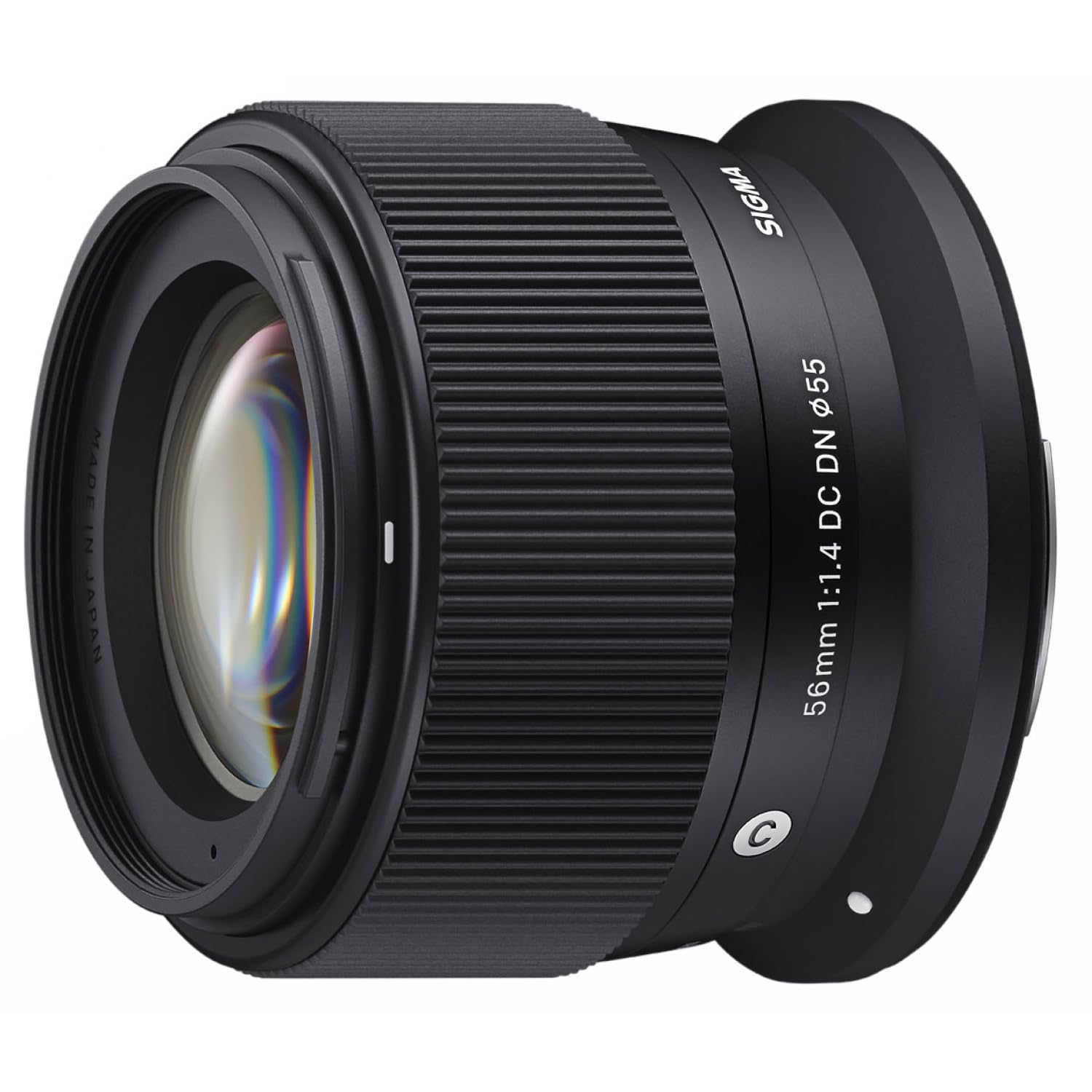
If you're shooting on a budget or assembling a second kit body setup, the Used Sigma AF 56MM F/1.4 DC DN Contemporary for Canon RF - Excellent offers a practical way to get the same low light-friendly focal length and aperture while keeping costs in check.
2. A fast standard zoom is often the workhorse lens of the day
For many wedding photographers, a 24-70mm or 28-70mm style lens is the backbone of coverage. The Sigma 28-70mm f/2.8 Contemporary DG DN Lens for Sony E and Sigma 28-70mm f/2.8 Contemporary DG DN Lens for L-Mount are great examples of why this range is so useful in low light wedding work. At f/2.8, you get a strong balance of brightness, versatility, and speed when moving between getting-ready photos, ceremonies, first dances, and guest candids.
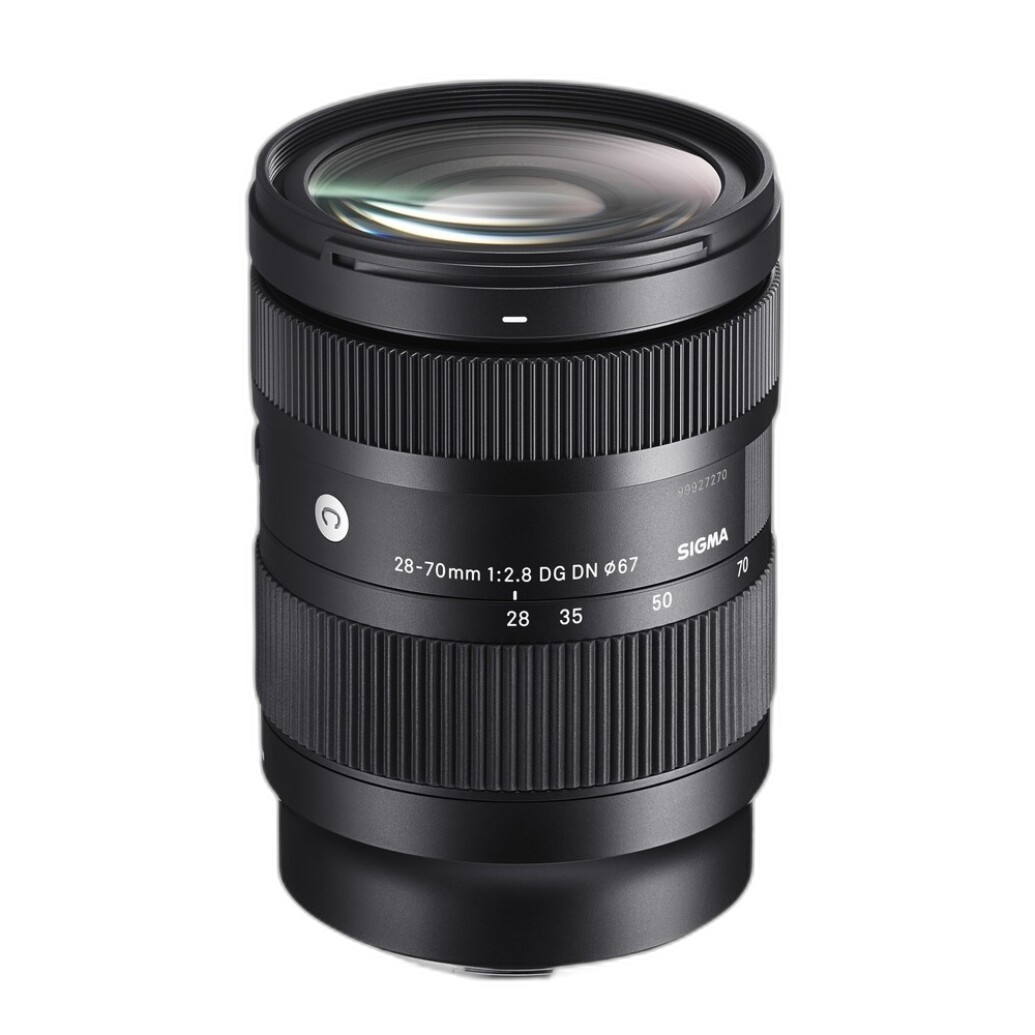
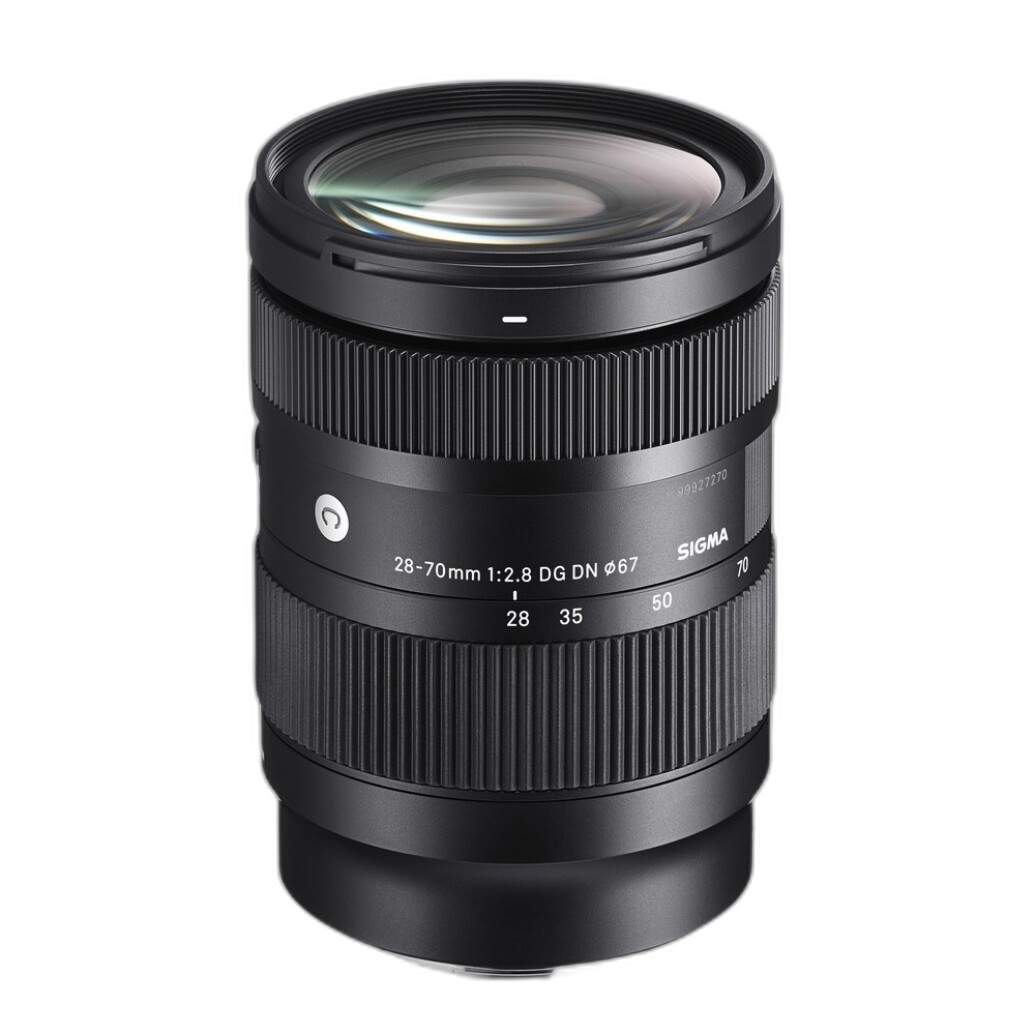
This kind of zoom is especially helpful when you don't have time to swap lenses during key moments. You can stay mobile, frame wide or tight, and still maintain a respectable aperture for difficult lighting conditions.
3. Use a wide lens when the venue atmosphere matters
Sometimes low light wedding photography is not just about the couple; it is about the room. A dramatic chapel ceiling, reception uplighting, or a crowded dance floor can all benefit from a wider field of view. The Sigma 20mm F2 DG Contemporary Lens gives you a bright f/2 aperture with a perspective that works well for environmental portraits, venue overviews, and creative reception images.
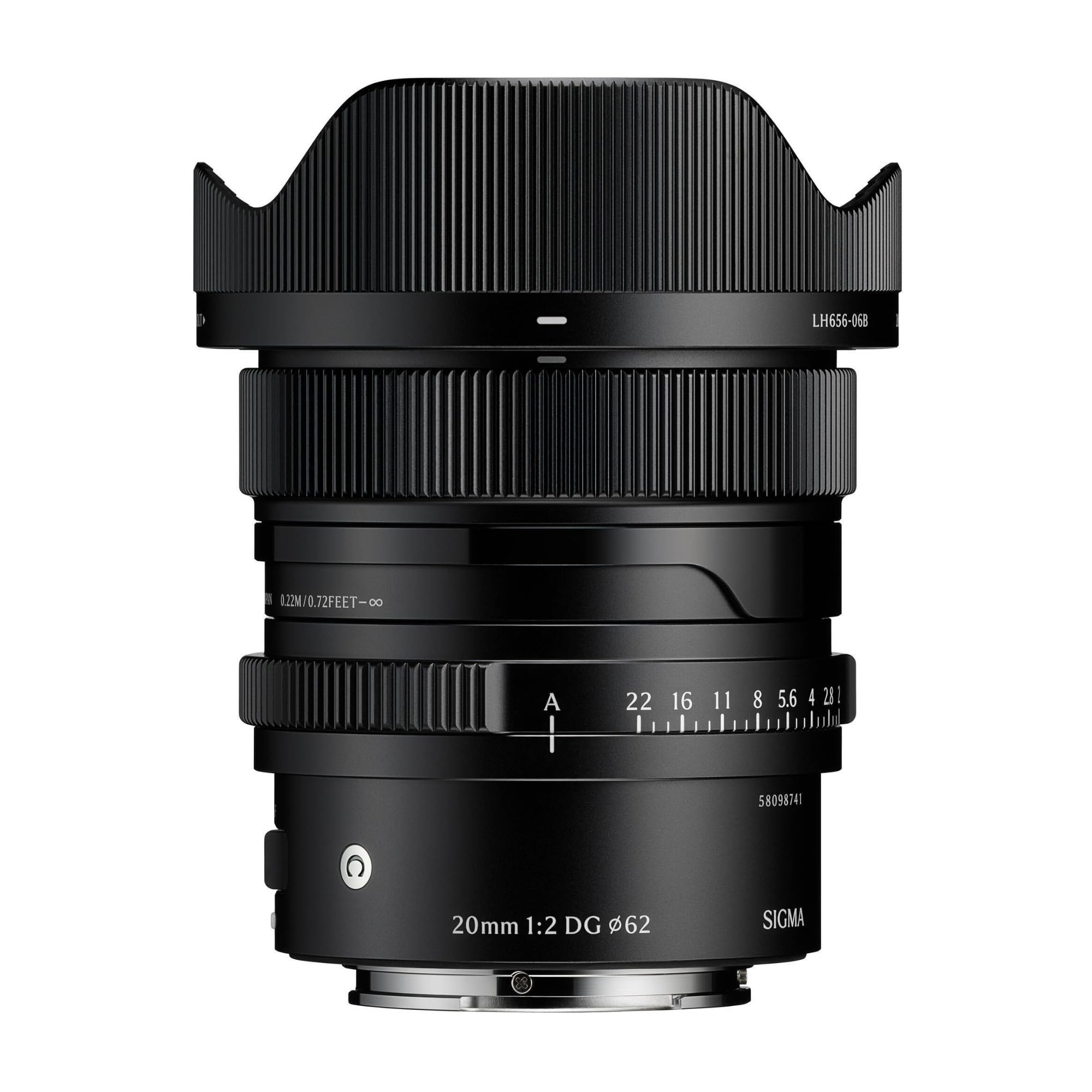
A wide lens can also help when you're forced to work in tight preparation rooms or smaller indoor ceremony spaces where backing up simply is not an option.
4. Don't overlook lighter zooms for earlier parts of the wedding day
While faster glass is ideal once the light drops, a compact zoom can still play a useful role during wedding coverage, especially outdoors or during brighter transitions in the timeline. The Panasonic LUMIX S 18-40mm F4.5-6.3 is a flexible option for establishing shots, venue interiors, and storytelling frames where you want a wider perspective without carrying a larger lens.
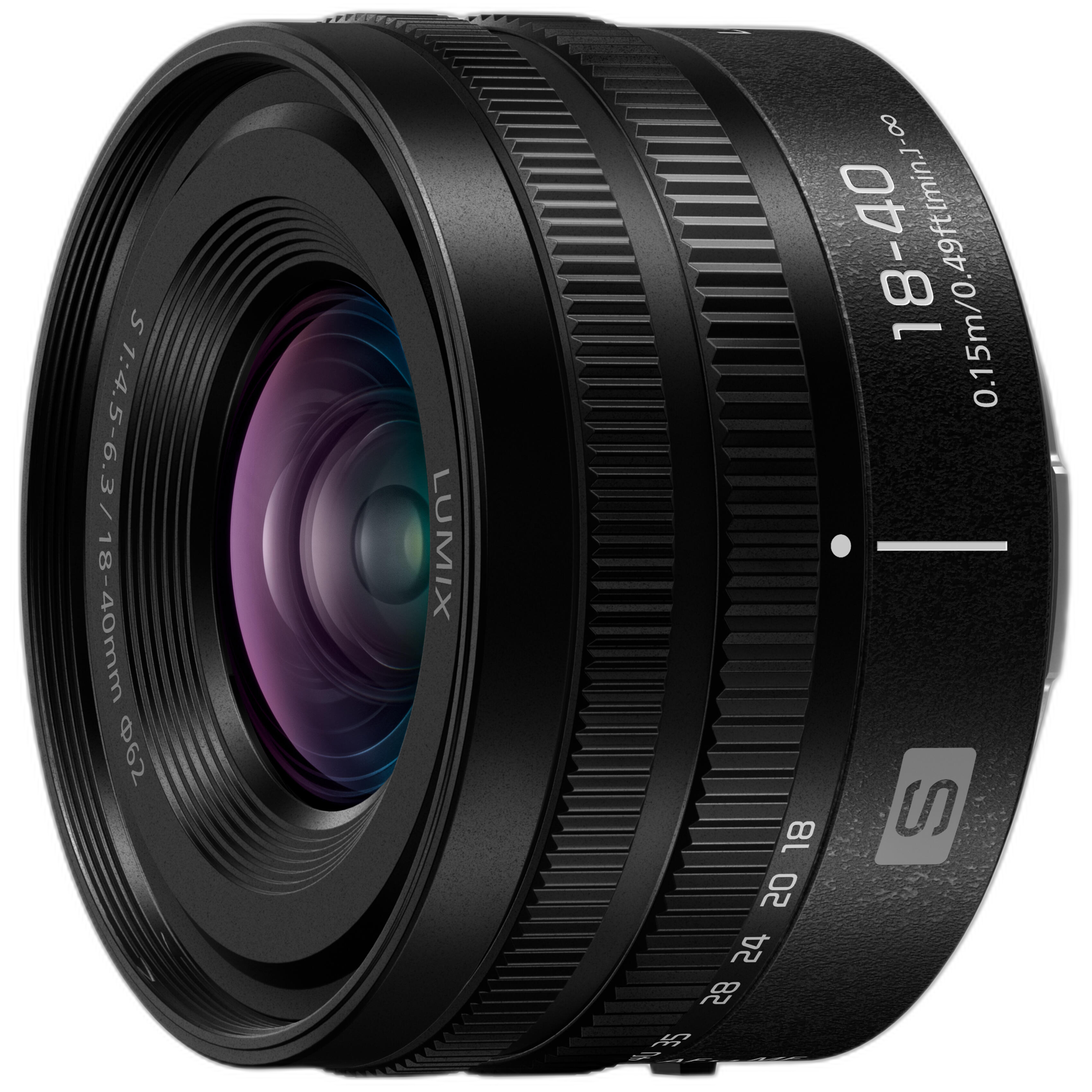
Although it is not the first choice for the darkest reception conditions, it can complement a low light kit by handling bright exteriors, architecture, and scene-setting images so your faster lens can stay ready for the key moments. The Used Panasonic LUMIX S 18-40mm F4.5-6.3 - Excellent can be a smart supporting option if you're expanding your coverage range affordably.
5. Match focal length to the moments you shoot most
Low light performance is not only about aperture. It is also about using focal lengths that suit your style. If you tend to shoot emotional close-ups, a lens like the Sigma 56mm f/1.4 makes a lot of sense. If your approach is more documentary and fast-moving, a 28-70mm f/2.8 may be the stronger all-around choice. If you love dramatic venue context, a 20mm f/2 can add a distinctive look to your gallery.
Instead of asking for one perfect lens, think in terms of coverage roles:
- Fast prime: portraits, speeches, emotional candids, low light ceremony moments
- Fast standard zoom: all-purpose wedding coverage with fewer lens changes
- Wide lens: room scenes, dance floor energy, architecture, environmental portraits
6. Consider used gear to build a stronger wedding kit
Wedding photography often demands backup options, and buying used can help you build a more resilient setup. An excellent-condition used lens like the Used Sigma AF 56MM F/1.4 DC DN Contemporary for Canon RF - Excellent or the Used Panasonic LUMIX S 18-40mm F4.5-6.3 - Excellent can give you more flexibility without stretching your budget as much as buying every lens new.

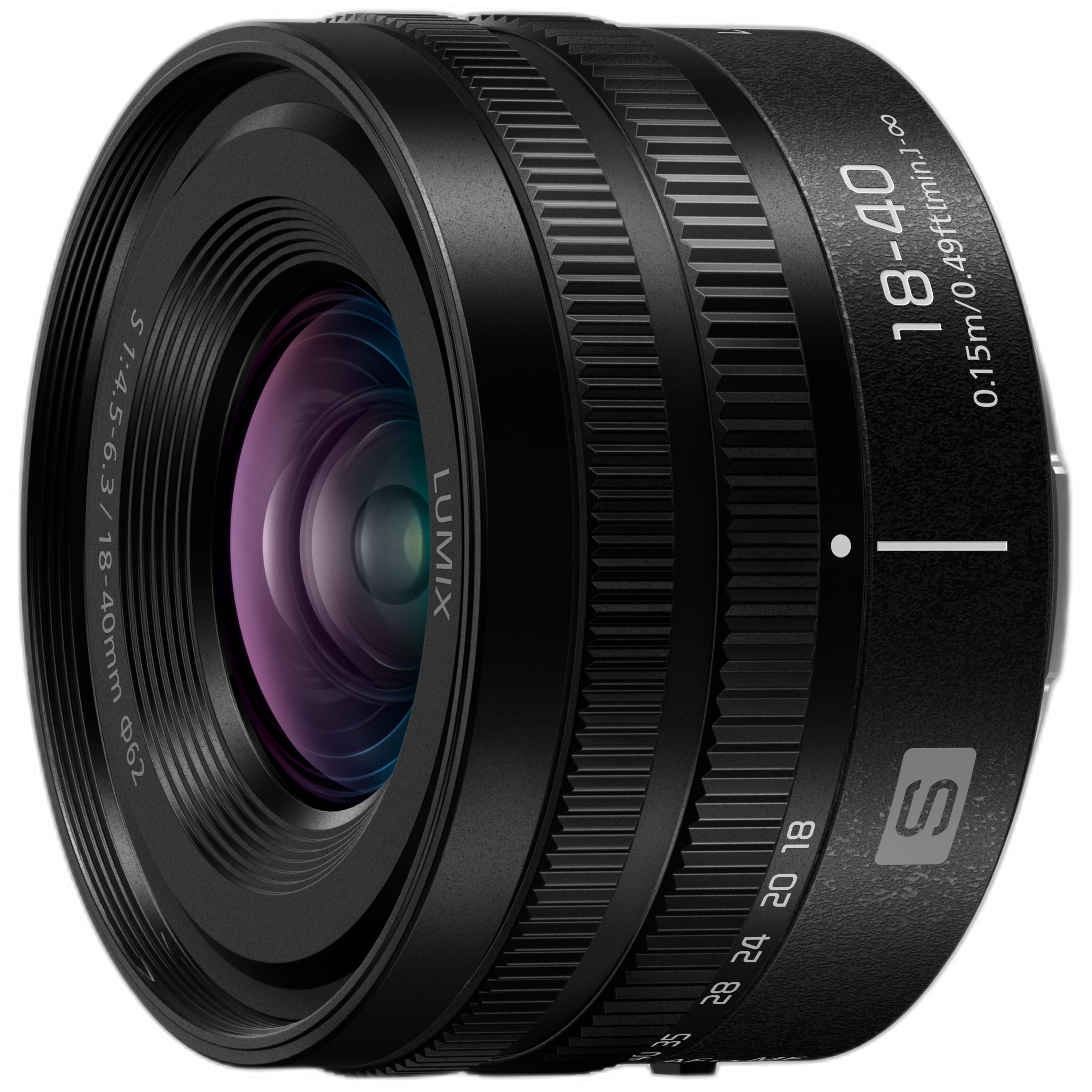
That can be especially helpful for newer wedding photographers who need both a primary lens and a backup for long event days.
7. Choose specialty lenses carefully for niche wedding details
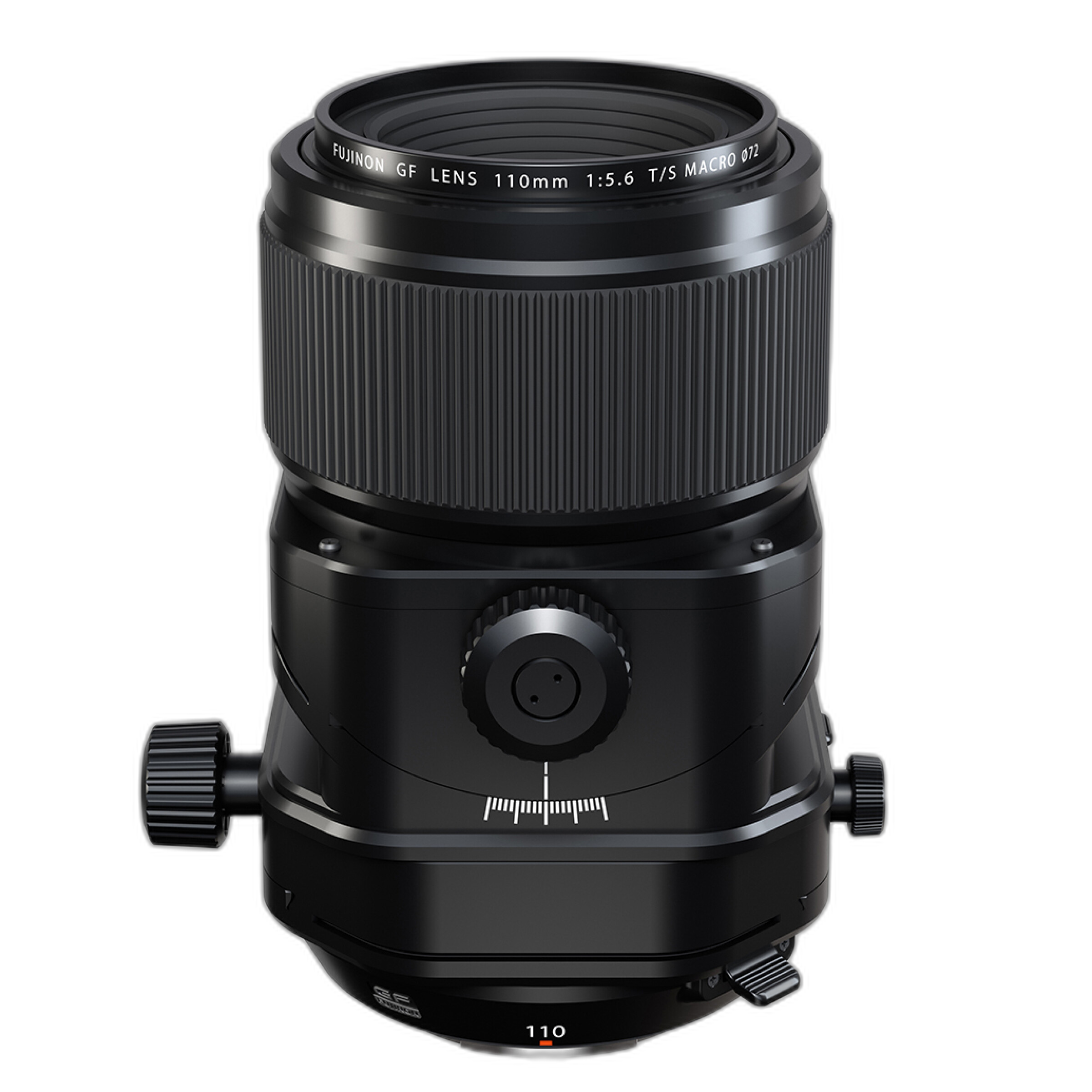
Specialty optics can produce beautiful results, but they are usually supporting players in low light wedding coverage. The Fujifilm FUJINON GF 110mm f/5.6 T/S Macro Lens is more specialized for controlled detail work, macro subjects, and perspective-sensitive compositions than for general low light wedding shooting. It can create unique ring shots, invitation details, or carefully styled portraits, but most photographers will still want a faster prime or f/2.8 zoom as their primary low light solution.
Best Lens Pairings for Low Light Wedding Coverage
If you're trying to build a practical two-lens setup, here are a few smart combinations based on the lenses above:
- Versatile hybrid kit: Sigma 28-70mm f/2.8 + Sigma 20mm F2
- Portrait-focused kit: Sigma AF 56MM F/1.4 + Sigma 28-70mm f/2.8
- Budget-conscious expansion: Used Sigma AF 56MM F/1.4 + Used Panasonic LUMIX S 18-40mm
These combinations give you a balance of speed, framing flexibility, and creative options across the full wedding day.
Final Thoughts
The best lenses for low light wedding photography in 2024 are the ones that let you work confidently when light is limited and moments are moving fast. In most cases, that means prioritizing fast apertures, practical focal lengths, and at least one lens that can handle changing scenes without slowing you down. Whether you're leaning toward a bright prime like the Sigma 56mm f/1.4, a dependable standard zoom like the Sigma 28-70mm f/2.8, or a wider creative option like the Sigma 20mm F2, building the right kit can make a big difference in both image quality and shooting comfort.
If you're ready to upgrade your wedding setup, Unique Photo is a great place to explore new and used lens options for the way you shoot.