In breaking news, moments unfold in seconds. The right lenses let you move fast, lock focus, and tell the story—whether you’re inches from a scrum or framing a scene-setter across the street. Here’s how to build a nimble, reliable kit for photojournalism and spot news.
Essential lenses for breaking news
1) Ultra‑wide zoom for context and tight spaces
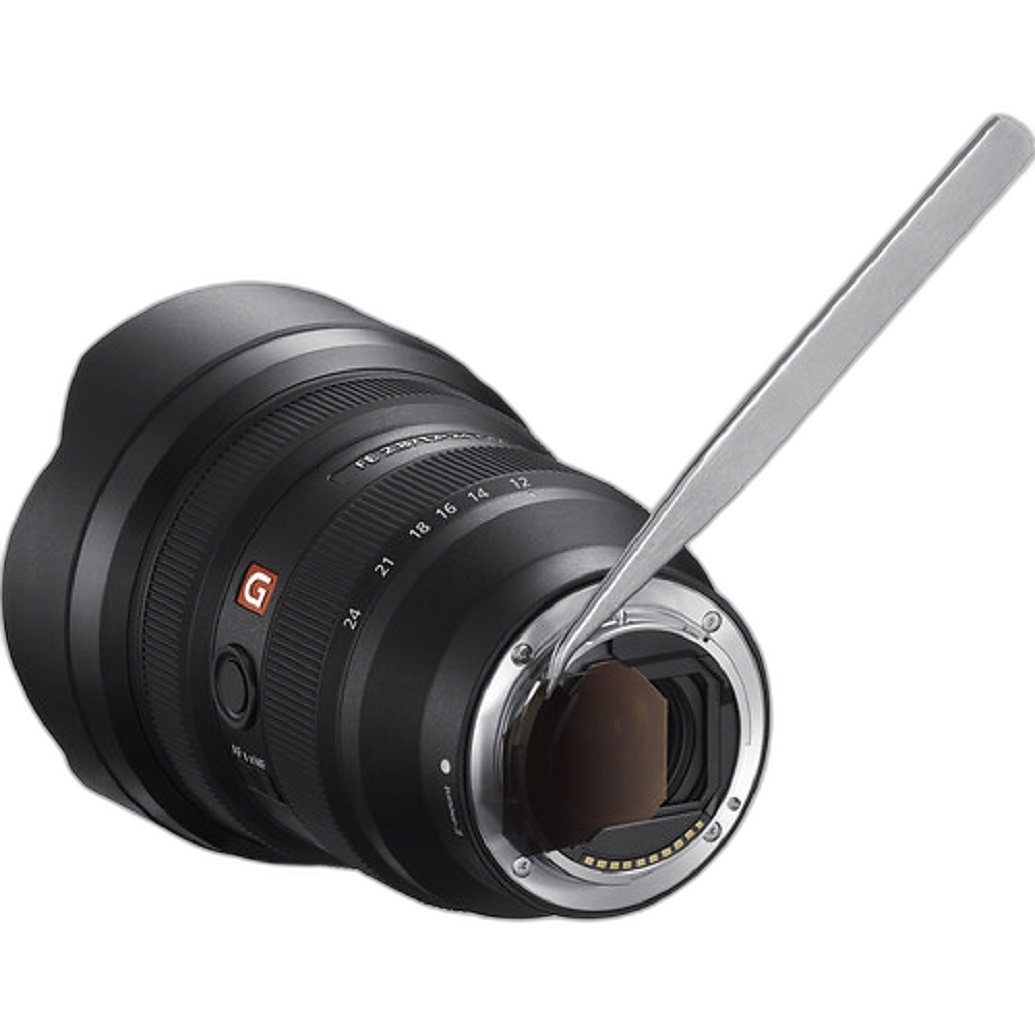
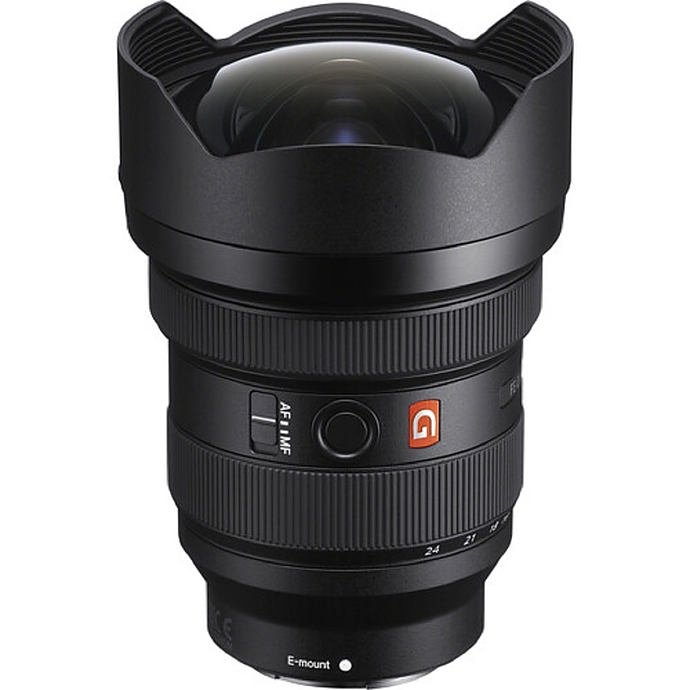
An ultra-wide with a bright aperture captures the whole scene when you’re hemmed in by crowds or working indoors. The Sony FE 12–24mm f/2.8 GM delivers fast AF, edge-to-edge sharpness, and a constant f/2.8 for low light—perfect for protests, press scrums, and interiors where every inch matters.
2) The do‑everything standard zoom
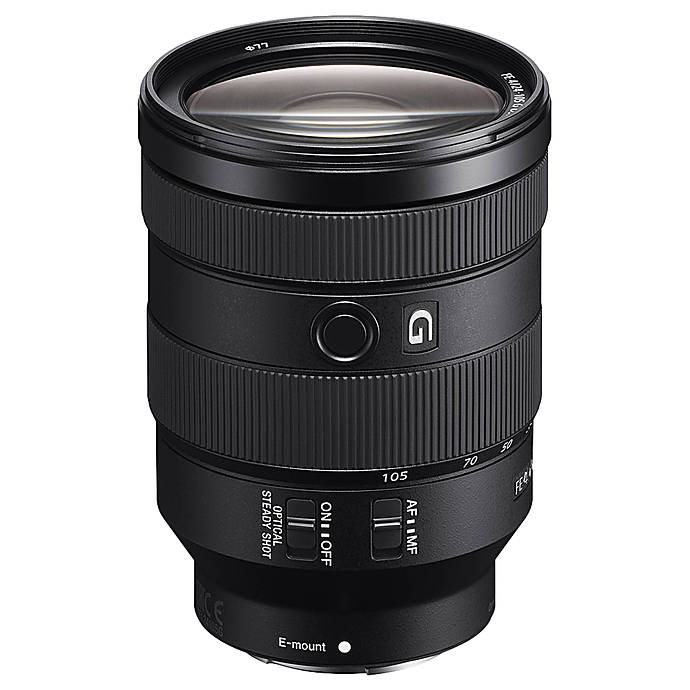
A 24–105mm is the workhorse of daily news. The Sony FE 24–105mm f/4 G OSS covers podiums, quick portraits, and street scenes without a lens swap. Its Optical SteadyShot helps keep images sharp at slower shutter speeds in dim city halls and courtrooms, while quick AF and a constant f/4 keep your exposure predictable on deadline.
3) A fast normal prime for low light and subject isolation
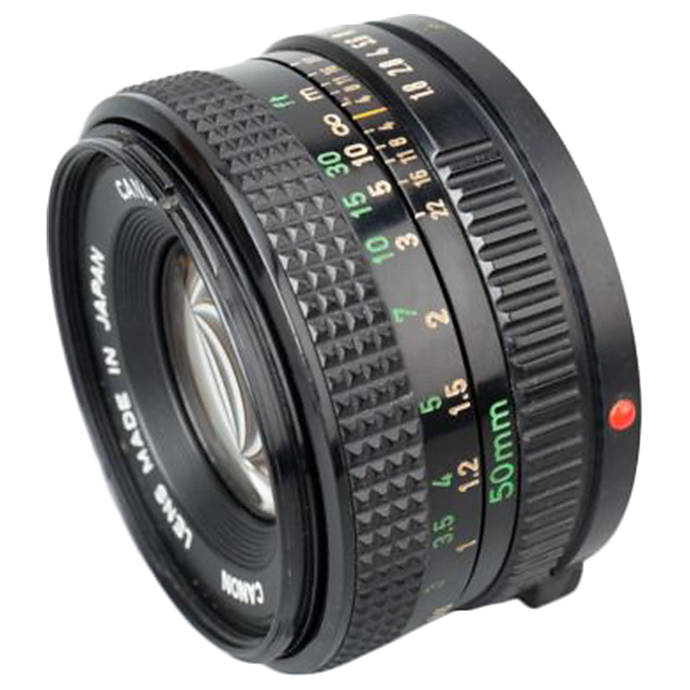
When backgrounds are messy or the light drops, a fast 50mm shines. If you’re experimenting with adapted or film workflows, the Used Canon FD 50mm f/1.8 is an affordable way to get that classic look. Note: it’s manual focus and requires an adapter for mirrorless bodies—best for quieter, deliberate moments or pre-focused zone work.
4) One‑lens range for compact systems
Micro Four Thirds shooters covering general assignment can lean on an all‑in‑one like the OM SYSTEM M.Zuiko Digital ED 12–200mm f/3.5–6.3. It spans an equivalent 24–400mm field of view in a small package, ideal when you need reach and speed of movement more than fast apertures.
Accessories and habits that keep you fast
5) Always run a lens hood
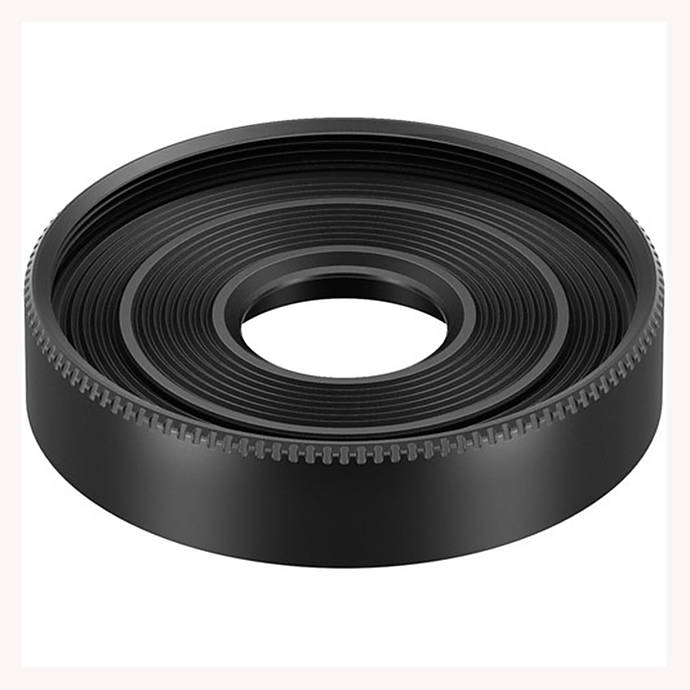
A hood improves contrast by blocking stray light and adds a layer of physical protection when you’re shoulder‑to‑shoulder in a crowd. If you’re building out a compact Canon EF‑M kit for specialty work, the Canon ES‑22 Lens Hood is a tidy example of how a simple accessory can reduce flare and keep fingerprints off the front element.
6) Manage highlights with square filters (for ultra‑wide work)
When you need graduated NDs or NDs on lenses with bulbous front elements, a dedicated holder is key. For instance, a 100mm filter holder designed for ultra‑wides (such as the NiSi option for Sony’s 14mm GM) lets you control skies and reflections without fighting vignetting—handy for daytime spot news and architecture‑heavy scenes.
7) Build a two‑body plan
Minimize lens swaps in chaotic environments. Keep an ultra‑wide like the 12–24mm f/2.8 GM on one body for scene‑setters and a standard zoom like the 24–105mm f/4 G OSS on the other for quick reach. You’ll cover 12–105mm instantly and stay focused on the moment, not your bag.
Keep your skills sharp
8) Practice precision to react faster
Time in the field matters, but structured practice builds muscle memory. Unique University offerings—like Macro and Landscape Photography at Duke Farms with Michael Downey—reinforce pre‑visualization, fast focus checks, and composition under changing light. Those habits translate directly to faster, cleaner news images.

Conclusion
For fast‑paced news, pair a bright ultra‑wide with a versatile standard zoom, keep a fast prime ready for low light, and streamline with smart accessories. Practice often, travel light, and let your lenses serve the story. When you’re ready to refine your kit, visit Unique Photo online or in store—our team is here to help you file stronger pictures, faster.