Gimbal Recommendations for DSLR/Hybrid Cameras in 2024
If you shoot with a DSLR or hybrid mirrorless camera in 2024, choosing the right gimbal comes down to more than just stabilization. Payload support, ergonomics, accessory compatibility, and whether you need a ready-to-run kit or a more advanced support system all matter. In this comparison, we’re focusing on four strong options from our available lineup: the DJI RS 5 Gimbal, DJI RS 4 Pro, DJI RS 4 Combo, and the Tilta Float Handheld Gimbal Support System for DJI RS2/3.
For most DSLR and hybrid creators, the DJI RS series will be the practical place to start. The Tilta Float occupies a different role: it’s less of a standalone gimbal and more of a professional support solution for operators who want to reduce fatigue and extend handheld operating time with compatible DJI rigs. That makes this a useful head-to-head for everyone from solo creators to advanced video crews.
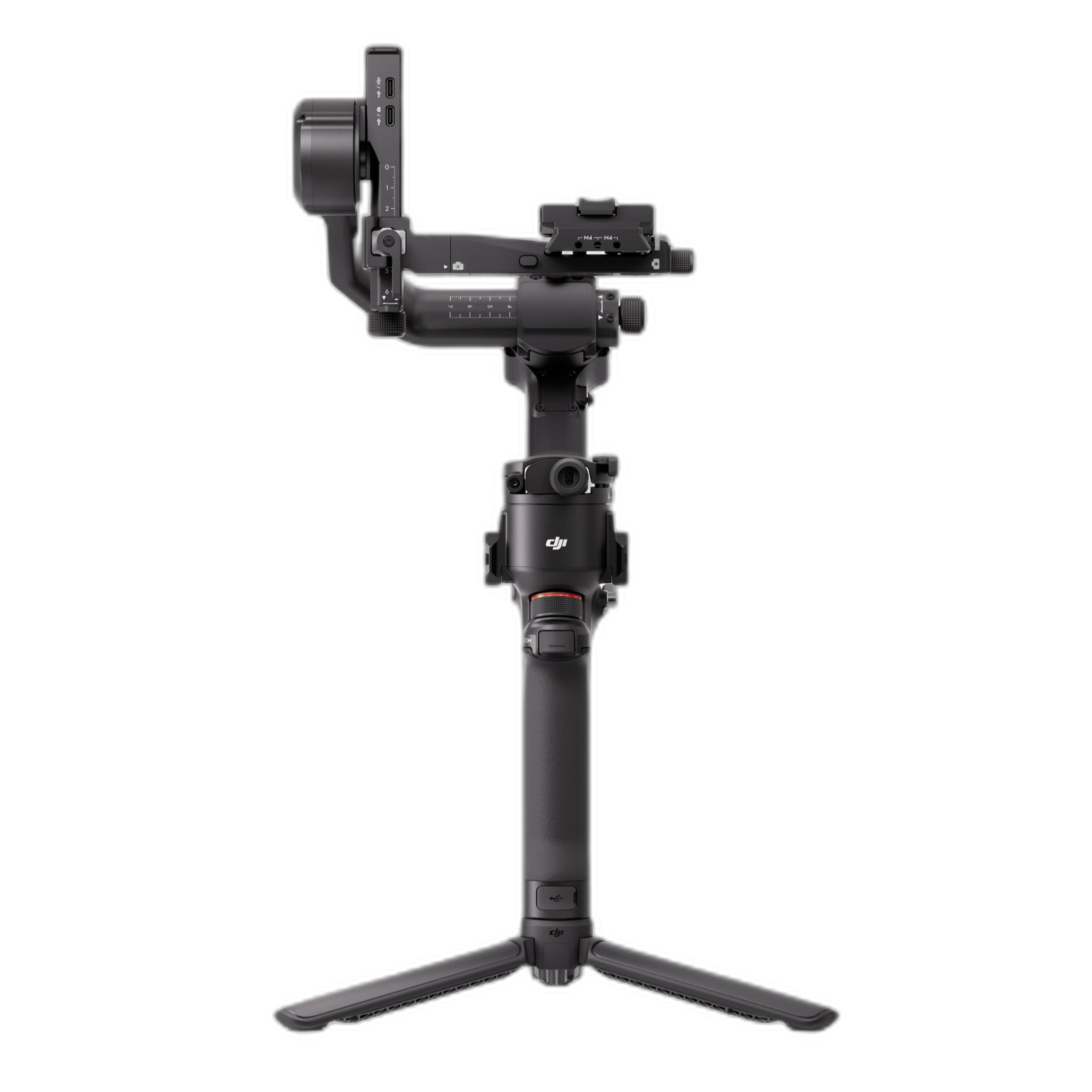
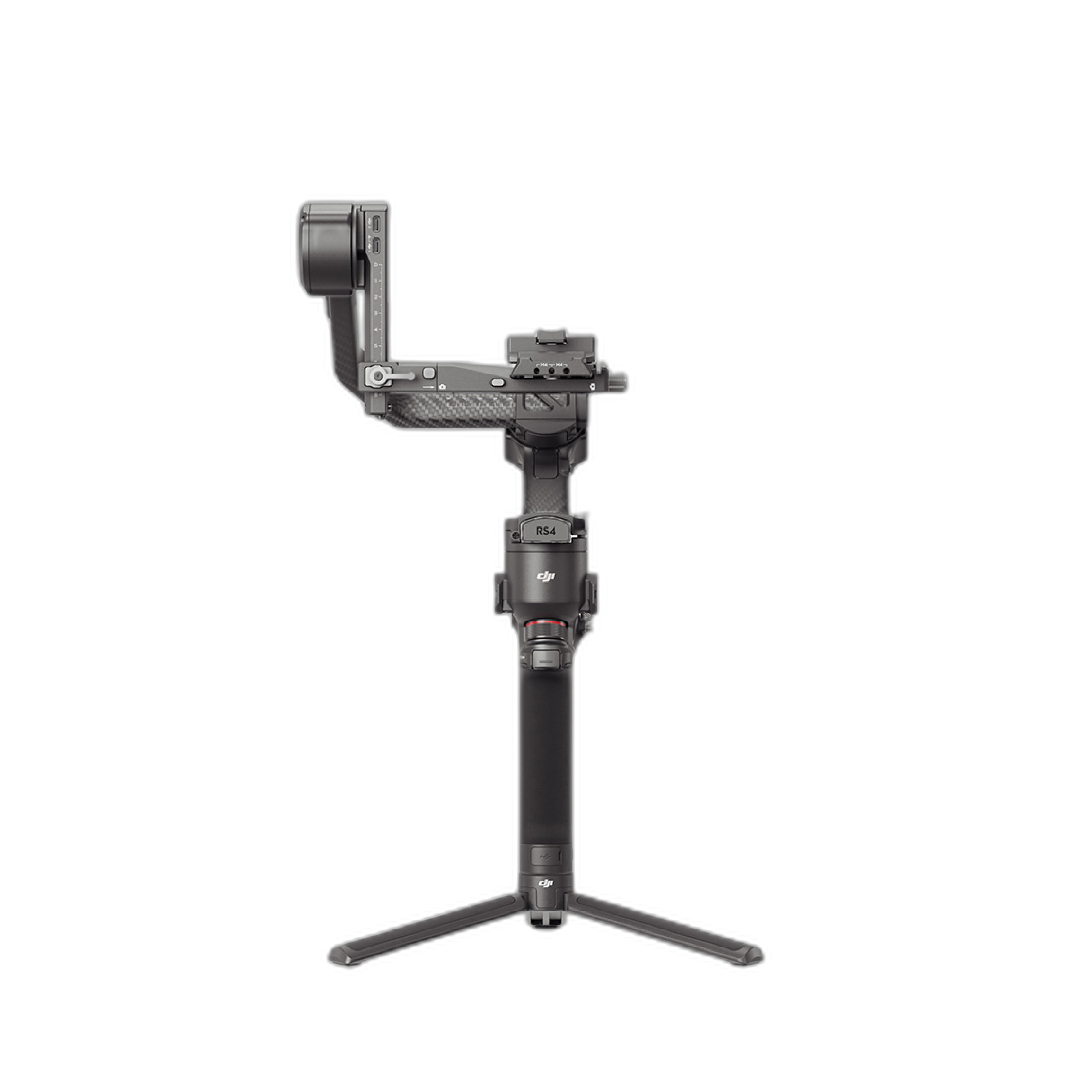
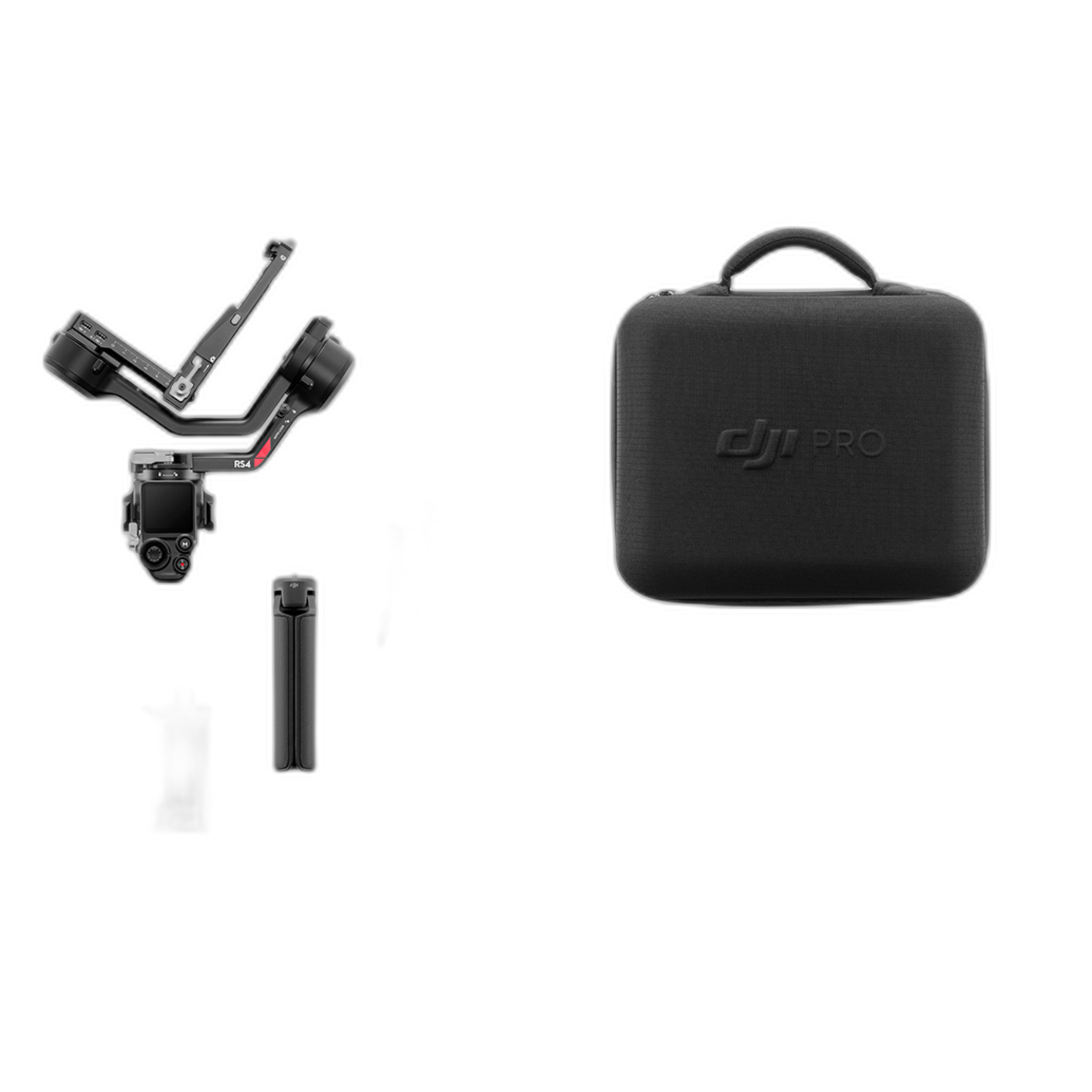
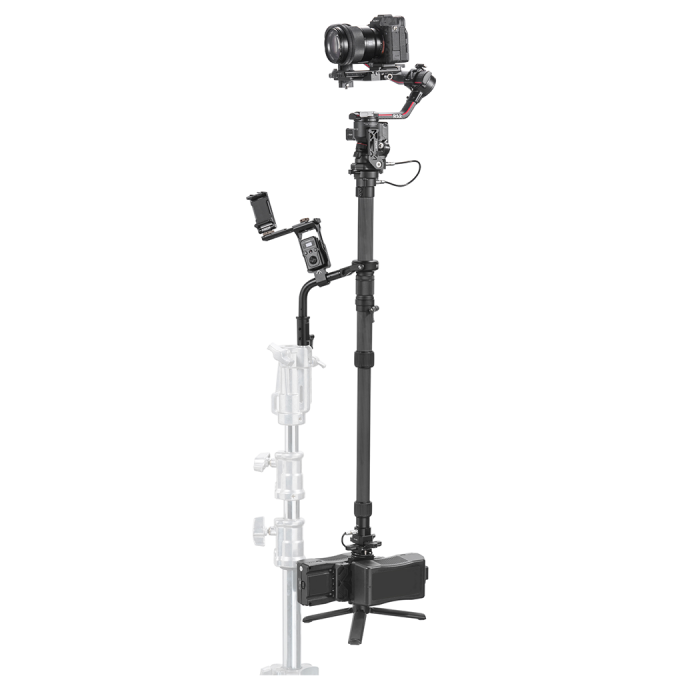
Side-by-Side Comparison
| Product | Type | Best For | Strengths | Considerations |
|---|---|---|---|---|
| DJI RS 5 Gimbal | Standalone gimbal | Current-gen DSLR/hybrid users wanting a modern all-around stabilizer | Newest option here, flexible for a wide range of camera builds, strong fit for solo shooters | May require additional accessories depending on your workflow |
| DJI RS 4 Pro | Standalone pro gimbal | Heavier hybrid rigs, pro video setups, advanced operators | Pro-oriented feature set, better suited to accessorized builds and demanding production use | Higher complexity and cost than entry-level setups |
| DJI RS 4 Combo | Gimbal kit/combo | Creators who want a more complete out-of-box package | Great value, easier starting point, combo accessories improve usability | Not as purpose-built for heavier pro builds as the Pro line |
| Tilta Float Handheld Gimbal Support System for DJI RS2/3 | Support system for compatible DJI gimbals | Long takes, operator comfort, more advanced handheld work | Reduces arm fatigue, improves endurance, useful for extended operating sessions | Not a standalone gimbal; designed around DJI RS2/3 compatibility |
Who These Gimbals Are For
DSLR and hybrid shooters cover a wide range of use cases: wedding filmmakers, event shooters, commercial creators, YouTubers, and indie narrative teams. That means there is no single best gimbal for everyone. If your setup is relatively compact and you want a current, streamlined solution, the DJI RS 5 makes a lot of sense. If your camera build includes heavier lenses, external monitors, wireless video, or follow focus systems, the DJI RS 4 Pro is the more natural upgrade path.
The DJI RS 4 Combo is especially attractive for buyers who want useful included accessories without piecing together a kit separately. Meanwhile, the Tilta Float is aimed at operators who already understand the physical demands of handheld gimbal work and want a body-supported system to keep moving longer and more smoothly.
Best Overall for Most DSLR/Hybrid Shooters: DJI RS 5
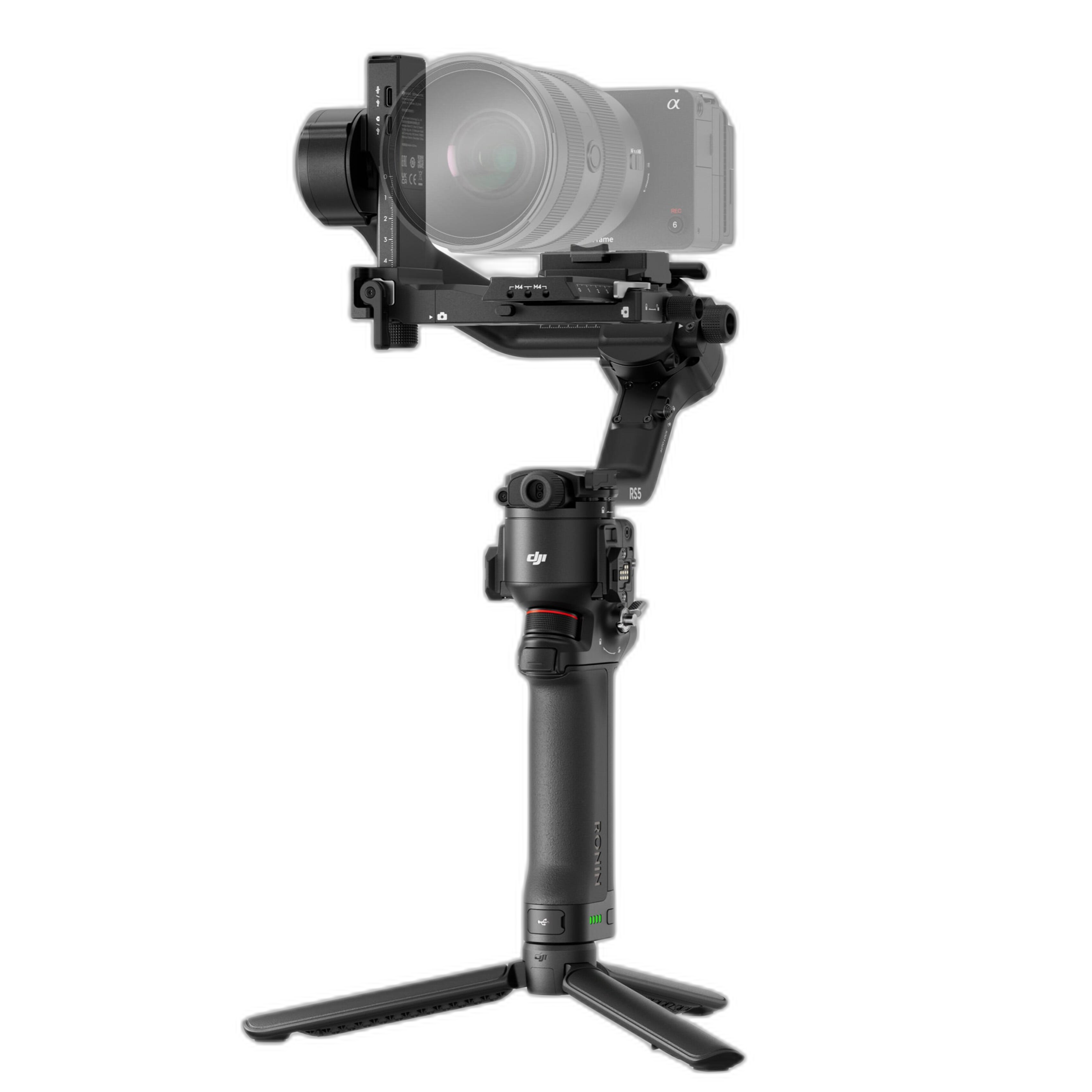
The DJI RS 5 Gimbal stands out as the most balanced recommendation for the broadest number of users. For hybrid camera creators, a gimbal needs to be portable enough for real-world shooting while still handling common setups confidently. The RS 5 looks positioned as that sweet-spot choice: modern, versatile, and suitable for solo operators who need stabilization without overcomplicating their rig.
If you regularly move between handheld video, travel shooting, event coverage, and social content production, a current-generation all-around gimbal is usually the smartest buy. That’s where the RS 5 has the edge in this roundup.
Best for Heavier Rigs and Professional Use: DJI RS 4 Pro
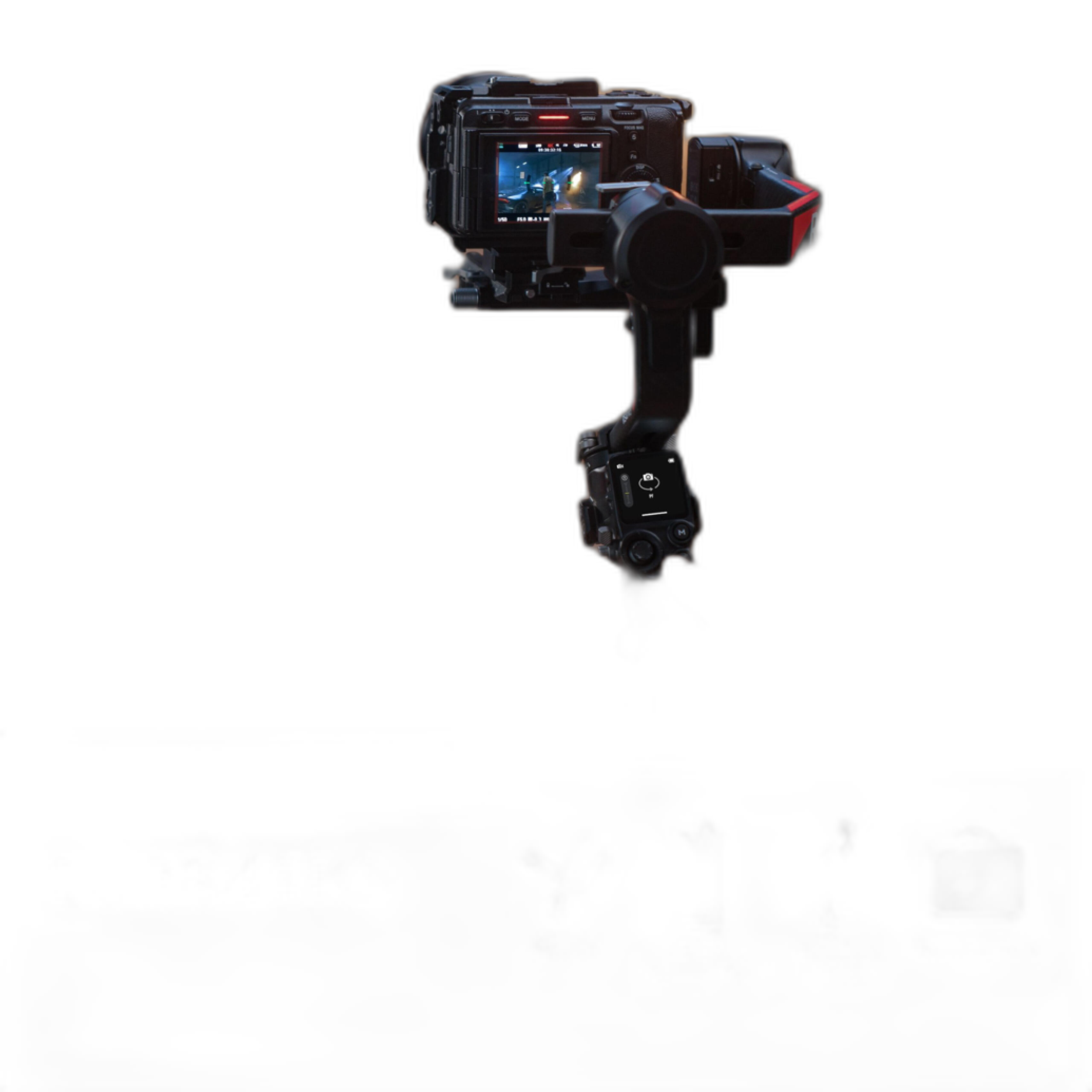
The DJI RS 4 Pro is the better fit for creators building out more ambitious camera packages. If your “hybrid camera” setup includes a fast zoom, matte box, focus motor, transmitter, cage, and monitor, you’ll appreciate moving into the Pro tier. This is the option in the group that feels most appropriate for commercial production, higher-end branded content, and owner-operators who routinely work with larger builds.
For many professionals, the appeal of a Pro gimbal isn’t just payload—it’s confidence. A more robust platform can simplify balancing and make the entire operating experience feel better with serious camera packages.
Best Value Kit Option: DJI RS 4 Combo
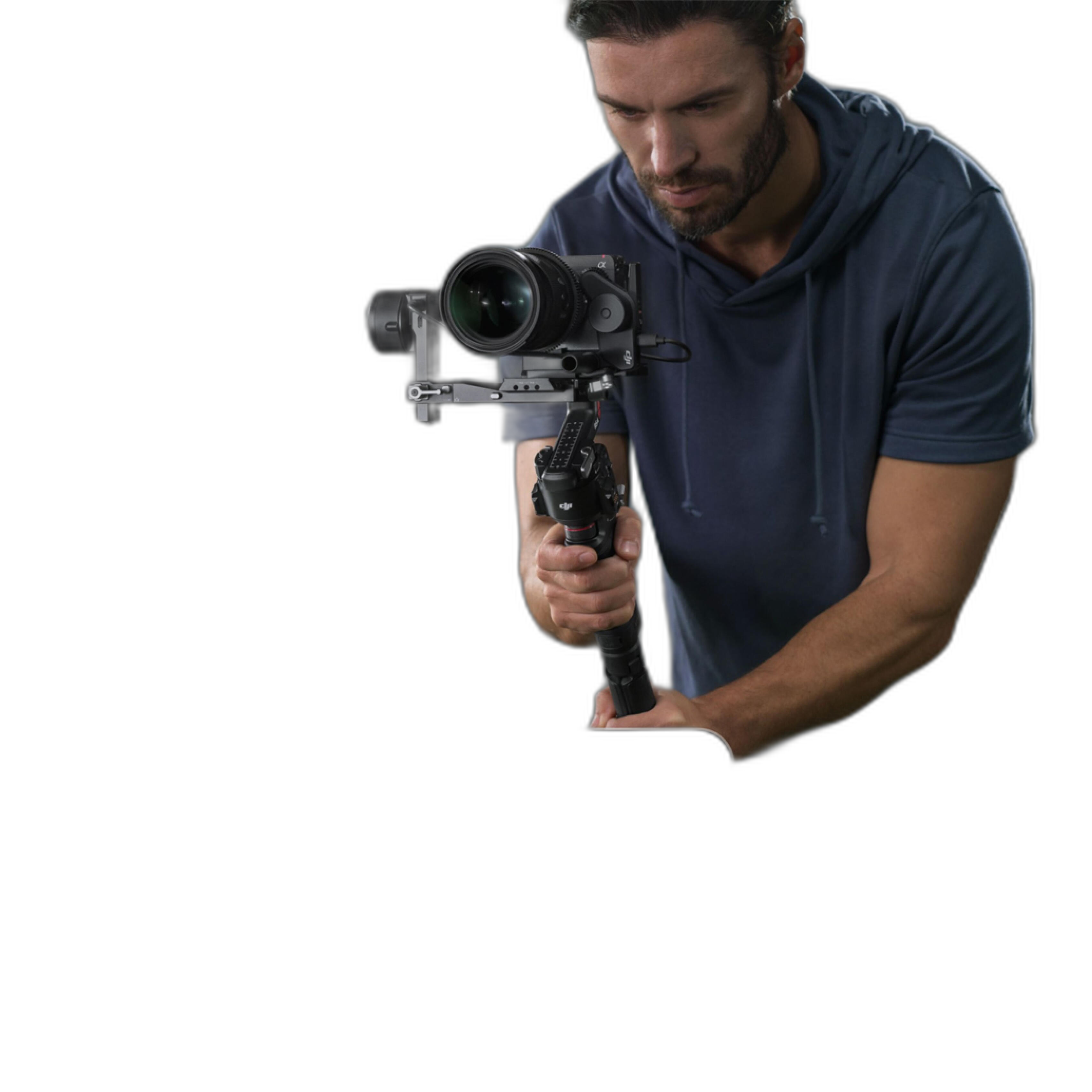
The DJI RS 4 Combo is easy to recommend for creators who want a practical package rather than a bare gimbal body. Combo kits are often the smartest buy for shooters who know they’ll need the common accessories anyway. Instead of upgrading piecemeal, you start with a more production-ready setup from day one.
This makes the RS 4 Combo especially appealing to wedding videographers, content teams, and independent filmmakers who want strong performance and convenience without stepping fully into the Pro category. If value and completeness matter more than having the highest-end chassis in the lineup, the Combo deserves serious consideration.
Best for Long Operating Days: Tilta Float Handheld Gimbal Support System
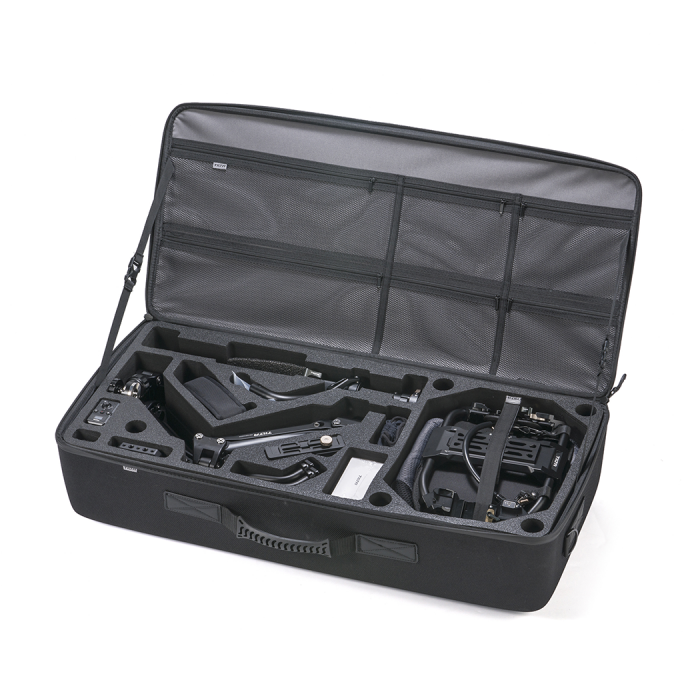
The Tilta Float Handheld Gimbal Support System for DJI RS2/3 is different from the other products here, but it deserves inclusion because it addresses one of the biggest pain points in gimbal operation: fatigue. Even lightweight hybrid rigs become physically demanding over long takes, repeated event coverage, or music video and commercial work with extended movement.
The Float is designed to redistribute weight and help operators sustain smoother motion over longer periods. For professionals already invested in a compatible DJI RS2/3 setup, this can be a meaningful workflow upgrade. It’s not the first purchase for most users, but for the right shooter it can be transformative.
Category-by-Category Analysis
Portability
For run-and-gun work, portability is critical. The DJI RS 5 and DJI RS 4 Combo are the most straightforward options for creators who travel, shoot on location, or switch setups frequently. The RS 4 Pro is still portable, but it is more likely to appeal to users who prioritize capability over minimalism. The Tilta Float, by design, adds bulk to improve operator endurance rather than maximize compactness.
Expandability
If your camera rig is simple today but may grow later, the DJI RS 4 Pro offers the clearest path for more advanced builds. The DJI RS 5 should still satisfy many users with moderate accessory needs, while the RS 4 Combo is ideal for buyers who want useful accessories included upfront. The Tilta Float extends operating comfort rather than directly expanding gimbal capability.
Ease of Use
For buyers entering stabilized shooting for the first time, the DJI RS 4 Combo is one of the most approachable choices because of its kit-oriented nature. The DJI RS 5 also looks highly appealing as a clean, modern option for general-purpose users. The RS 4 Pro is best appreciated by shooters who already understand balancing heavier rigs and using more advanced accessories.
Professional Production Value
When productions become more demanding, the DJI RS 4 Pro rises to the top. It is the most obviously production-focused option in this comparison for serious operators using heavier hybrid packages. The DJI RS 5 remains a strong all-rounder, especially for owner-operators and solo teams. The Tilta Float complements professional work by improving operator stamina, but only within the right compatible ecosystem.
Our Pick
Our Pick: DJI RS 5 Gimbal
For most DSLR and hybrid camera shooters in 2024, the DJI RS 5 Gimbal is the best overall recommendation. It offers the strongest balance of modern design, usability, and flexibility for real-world content creation. It makes the most sense for creators who need one gimbal that can cover events, commercial shoots, social content, travel, and general filmmaking without immediately pushing into a more specialized pro workflow.
If you know you’ll be flying heavier, more accessorized camera builds on a regular basis, step up to the DJI RS 4 Pro. If you want a more complete out-of-box package, choose the DJI RS 4 Combo. And if you already operate a compatible DJI system and need to reduce physical strain, the Tilta Float is the right specialty tool.
Conclusion
The best gimbal for a DSLR or hybrid camera in 2024 depends on how you shoot, how heavy your rig is, and whether you value portability, included accessories, or pro-level support. For most users, the DJI RS 5 is the most compelling all-around choice. The DJI RS 4 Pro is the better fit for larger builds, the DJI RS 4 Combo is a smart value play, and the Tilta Float is an excellent advanced support option for longer operating days.
If you’re ready to upgrade your stabilization kit, Unique Photo is a great place to compare these gimbals and find the right solution for your camera workflow.