Best Entry‑Level Mirrorless Cameras for Beginners (2024) — Your FAQ, Answered by Unique Photo
Starting your first mirrorless kit can be exciting—and a bit overwhelming. Here, our Unique Photo experts break down the features that matter, how popular beginner bodies stack up, and which accessories help you grow faster with your photography.
How do the Canon EOS R50 and Sony ZV‑E10 compare for someone just starting out?
Both are compact APS‑C mirrorless cameras that deliver excellent image quality and reliable autofocus. In simple terms, the R50 leans a little more toward still photography and includes an electronic viewfinder (EVF), while the ZV‑E10 emphasizes video and vlogging features and forgoes the EVF in favor of a selfie‑friendly articulating screen. If you anticipate shooting lots of outdoor stills in bright sun, an EVF can be very helpful; if you’re primarily creating videos or content at arm’s length, the ZV‑E10’s creator‑centric tools are appealing.
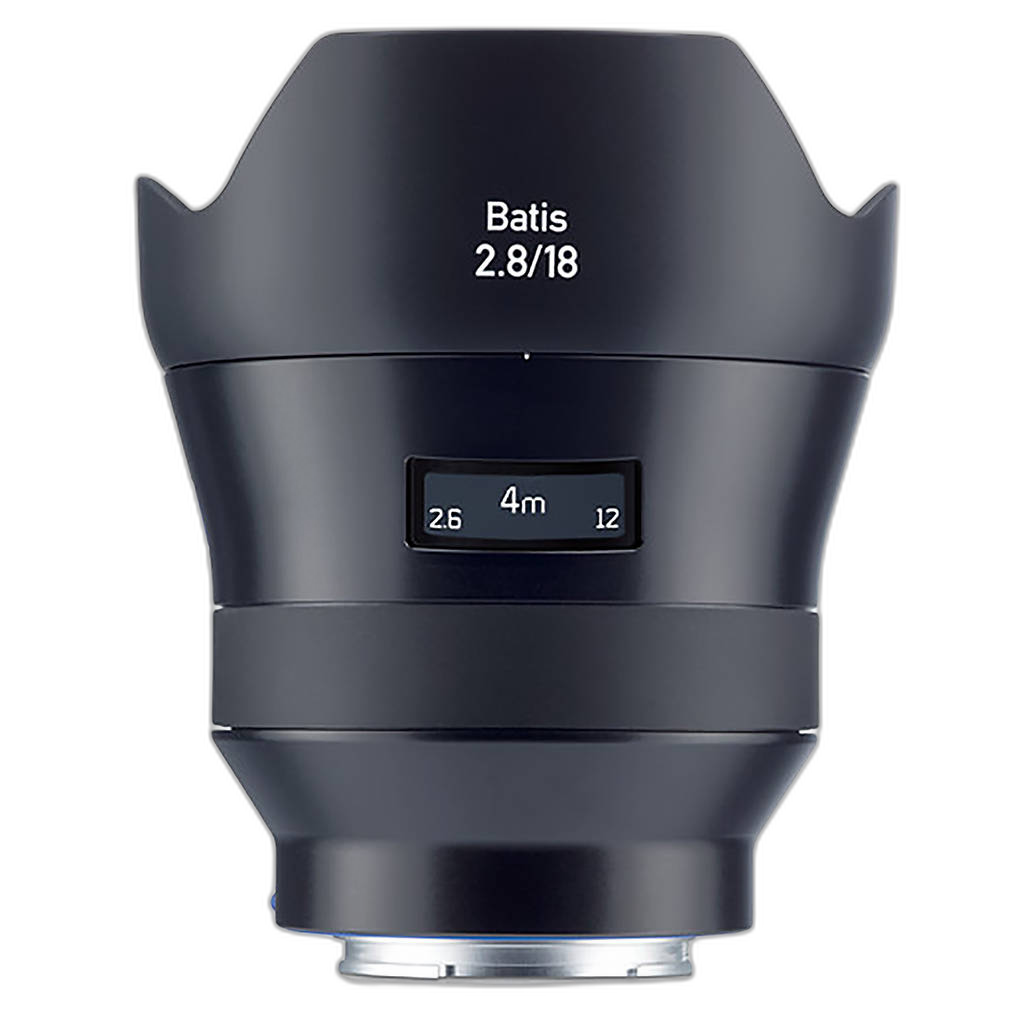
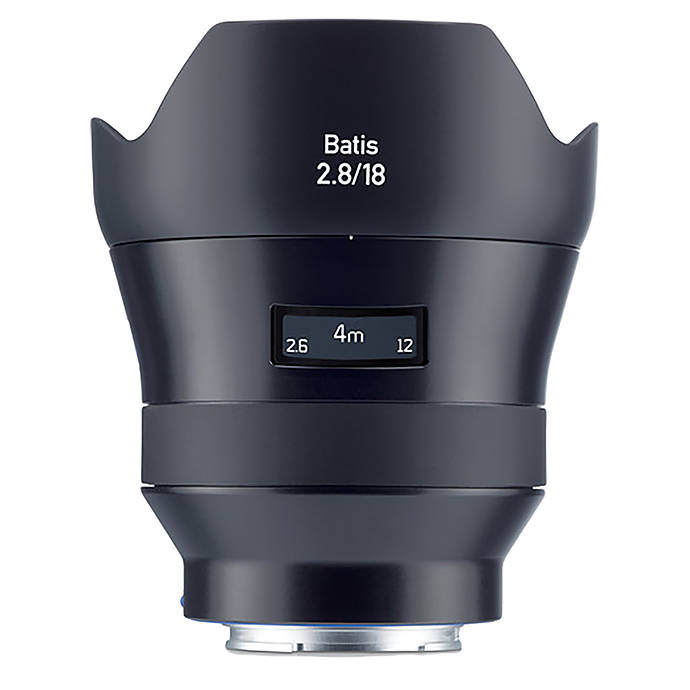
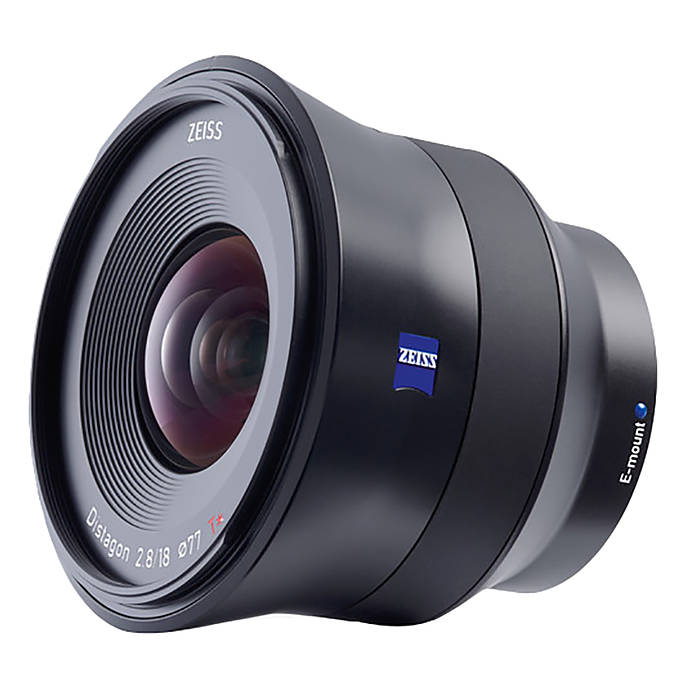
Lens ecosystems also differ: Sony’s E‑mount has a broad selection from both first‑ and third‑party makers, while Canon’s RF‑S lineup is steadily growing. If you’re leaning Sony and want room to grow into premium glass, a full‑frame E‑mount lens like the Zeiss Batis 18mm f/2.8 is a durable investment for landscapes and travel today—and for future body upgrades tomorrow.
Is IBIS (in‑body image stabilization) necessary for casual photography?
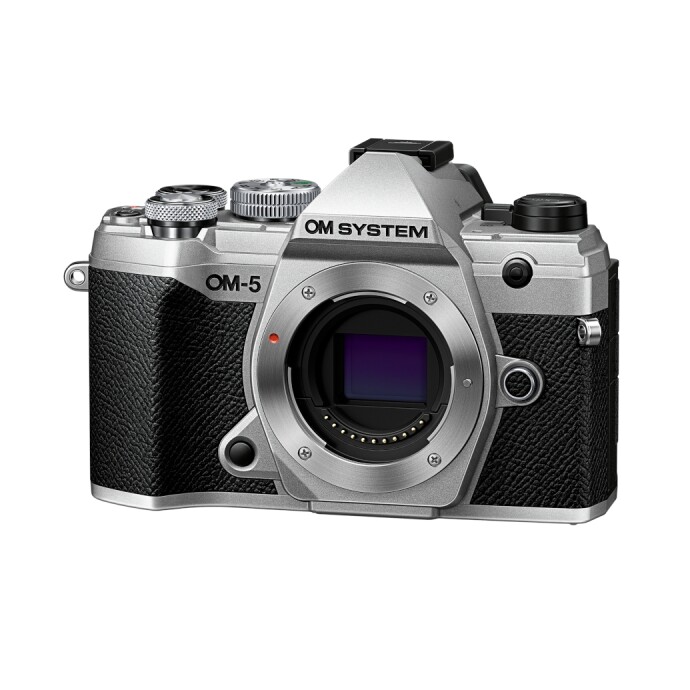
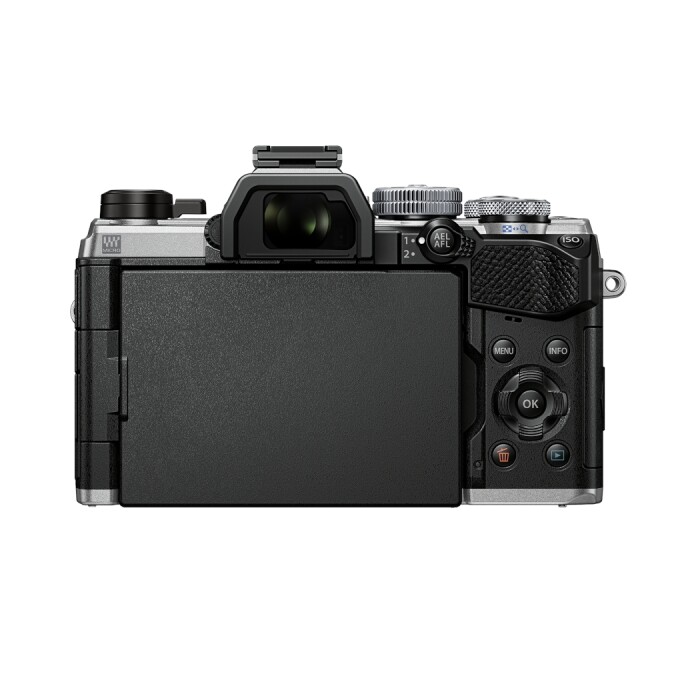
Not strictly—but it’s nice to have. Many beginner bodies rely on optically stabilized lenses and electronic stabilization for video, which is fine for good light and moderate focal lengths. IBIS really helps when you shoot handheld in low light, use unstabilized primes, or want extra‑smooth video. If stabilization is high on your wish list, a compact body with 5‑axis IBIS like the OM SYSTEM OM‑5 adds several stops of shake reduction in a weather‑sealed package that’s easy to travel with.
Are there affordable models with good autofocus for portraits?
Yes. Today’s entry‑level and mid‑range mirrorless cameras offer excellent face/eye detection that makes portraits easier than ever. If you’re shopping value, consider clean used gear to stretch your budget. For example, a used Nikon Zf with the compact 40mm f/2 SE lens combines subject‑detection autofocus with the classic look many portrait shooters love—the 40mm prime offers a natural perspective with pleasantly soft backgrounds.

If you favor Sony, there are many affordable E‑mount portrait primes available; pair them with a body that offers reliable eye AF and you’re set. And once you’re ready to go wide for environmental portraits or travel, the Zeiss Batis 18mm f/2.8 is a sharp, weather‑sealed option that works on both APS‑C and full‑frame E‑mount bodies.
Should I prioritize lens selection or camera body when starting out?
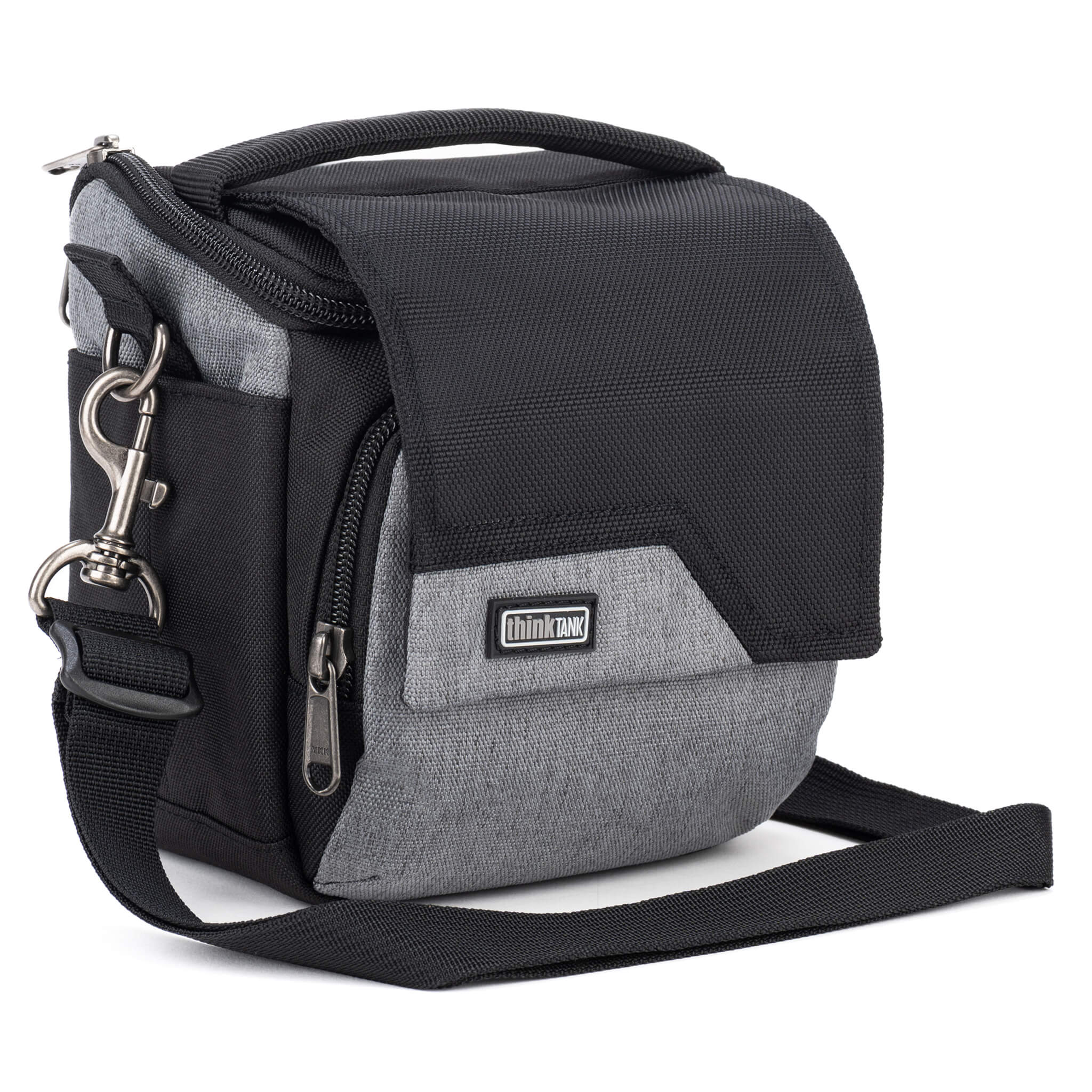
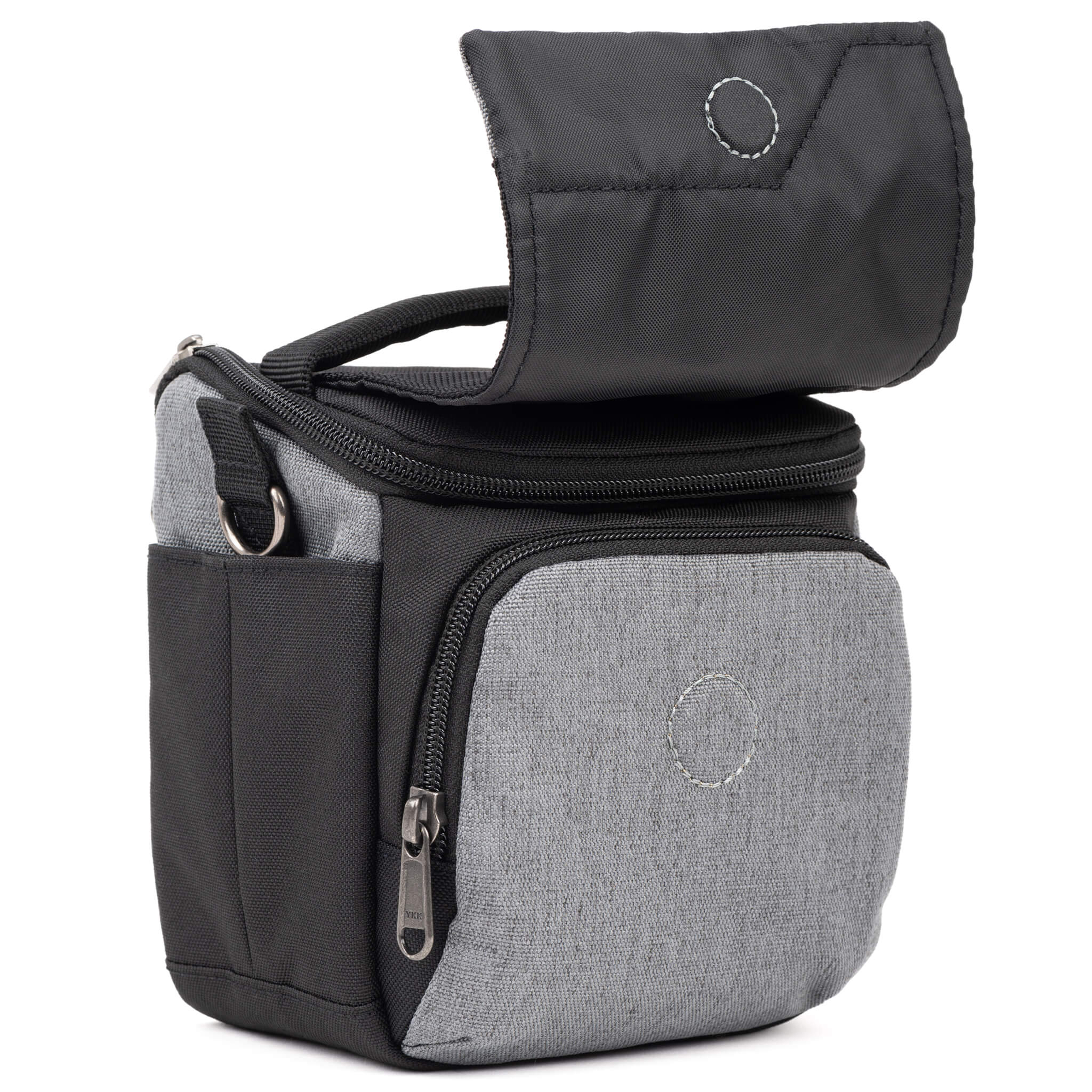
Prioritize lenses. Bodies evolve quickly; quality lenses hold value and last through multiple upgrades. Choose a mount with the optics you’ll want over the next few years—small primes for portraits and street, a fast standard zoom for travel, or an ultra‑wide for landscapes. For Sony shooters, the Zeiss Batis 18mm f/2.8 is a great long‑term addition if you love expansive scenes. As your kit grows, a compact bag like the Think Tank Mirrorless Mover 10 keeps essentials protected without weighing you down.
APS‑C vs Full‑Frame vs Micro Four Thirds: Which sensor size makes sense for a beginner?
There’s no wrong choice—just different strengths. APS‑C offers a great balance of size, cost, and performance for general shooting. Full‑frame excels in low light and shallow depth‑of‑field, but bodies and lenses are larger. Micro Four Thirds keeps kits extremely compact while delivering excellent stabilization and deep lens selection.
If you want a tough, compact system with class‑leading stabilization, consider the OM SYSTEM OM‑5. If you’d like to start full‑frame in an ultra‑portable body, a used Panasonic LUMIX S9 is an intriguing option for hybrid creators who don’t need an EVF but want modern photo/video features in a pocketable design.

Do I need an electronic viewfinder (EVF), or is the rear screen enough?
Both work—choose based on how you shoot. An EVF is helpful in bright sunlight and for learning exposure since you see changes in real time at eye level. If you focus on self‑recording, the rear screen and a fully articulating design are more important. Try both styles in person to see which feels natural, especially if you often shoot outdoors.
What’s a smart first lens for portraits and everyday photos?
A fast prime around 35–50mm (full‑frame equivalent) is ideal for sharp images and soft backgrounds without breaking the bank. On Nikon Z, the 40mm f/2 (as bundled with the Zf kit above) is small, bright, and versatile. For Sony E‑mount, there are many compact primes that pair well with beginner bodies. Once you broaden your style into travel and landscapes, add an ultra‑wide like the Zeiss Batis 18mm for dramatic perspectives.

What accessories and education will help me learn faster?
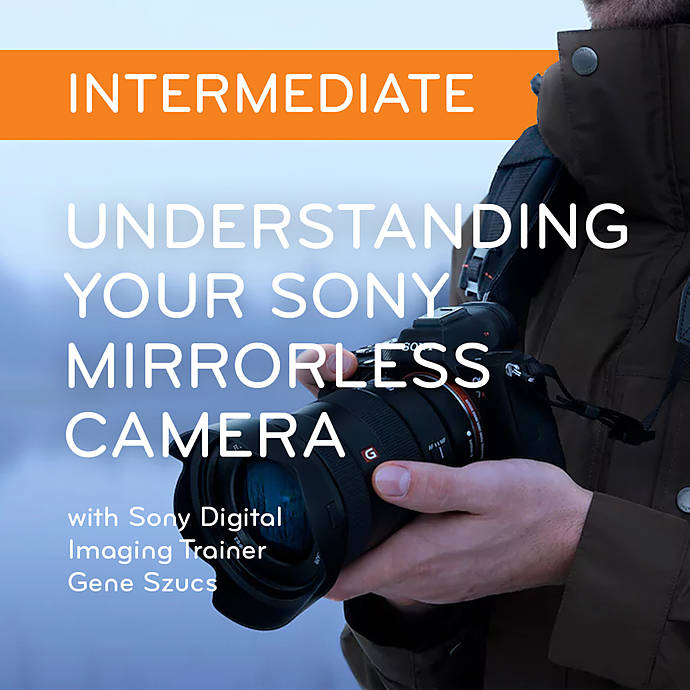
Keep it simple at first: a protective bag, a spare battery, and a comfortable strap. The Think Tank Mirrorless Mover 10 is a compact shoulder bag that fits a camera and an extra lens without bulk. If you’re starting with an older Sony body from the used market, a form‑fitting case adds grip and protection. And to shorten the learning curve, consider a hands‑on class—our “Understanding Your Sony Mirrorless Camera: Intermediate” session helps you master menus, autofocus modes, and real‑world setup.

Ready to get hands‑on? Visit Unique Photo in Fairfield, NJ or shop online to compare beginner mirrorless bodies, explore lens options, and find the right accessories and classes for your goals. Our team is happy to help you build a kit you’ll love to use.