Best Cameras for Hybrid Photo and Video Shooters
Hybrid creators need gear that can handle strong stills performance and dependable video features without slowing down a real-world workflow. Whether you shoot events, travel, portraits, commercial content, or social video, choosing the right camera setup means balancing autofocus, stabilization, lens options, power, and long-term reliability.
At Unique Photo, we help photographers and filmmakers build systems that work across both disciplines. This FAQ covers the most important considerations when choosing a camera for hybrid shooting, along with a few useful accessories and lens options that can strengthen a versatile kit.
What makes a camera a good choice for hybrid photo and video shooting?
A strong hybrid camera should deliver excellent image quality for stills while also offering practical video tools. Look for reliable subject-detection autofocus, strong low-light performance, effective in-body image stabilization, oversampled 4K or higher-resolution recording, good battery life, and a comfortable shooting interface. Equally important are usability features such as dual card slots, articulated screens, headphone and microphone ports, and dependable heat management for longer clips.
For many creators, the best hybrid camera is not necessarily the most expensive body. It is the one that fits the type of work you do most often. Wedding and event shooters may prioritize autofocus consistency and low-light reliability, while commercial creators may place more value on internal codecs, monitoring tools, and lens flexibility.
Should I prioritize photo specs or video specs first?
The answer depends on what you deliver most often to clients. If still photography is your main source of income, prioritize autofocus performance, burst shooting, dynamic range, and a comfortable stills workflow. If video is growing faster in your business, look more closely at recording formats, frame rates, stabilization, and monitoring options.
For many hybrid users, the sweet spot is a camera that is slightly stronger in their primary discipline but still highly capable in the other. That approach usually creates a more efficient kit than trying to chase every top-end spec. It also gives you more room in the budget for lenses, support accessories, backup power, and warranty protection.
How important is lens selection for a hybrid camera system?
Lens selection is one of the biggest factors in choosing a system. A camera body may change every few years, but lenses often stay in your kit much longer. Hybrid shooters usually benefit from a combination of fast primes and practical zooms, especially if they move between photo assignments and handheld video work.
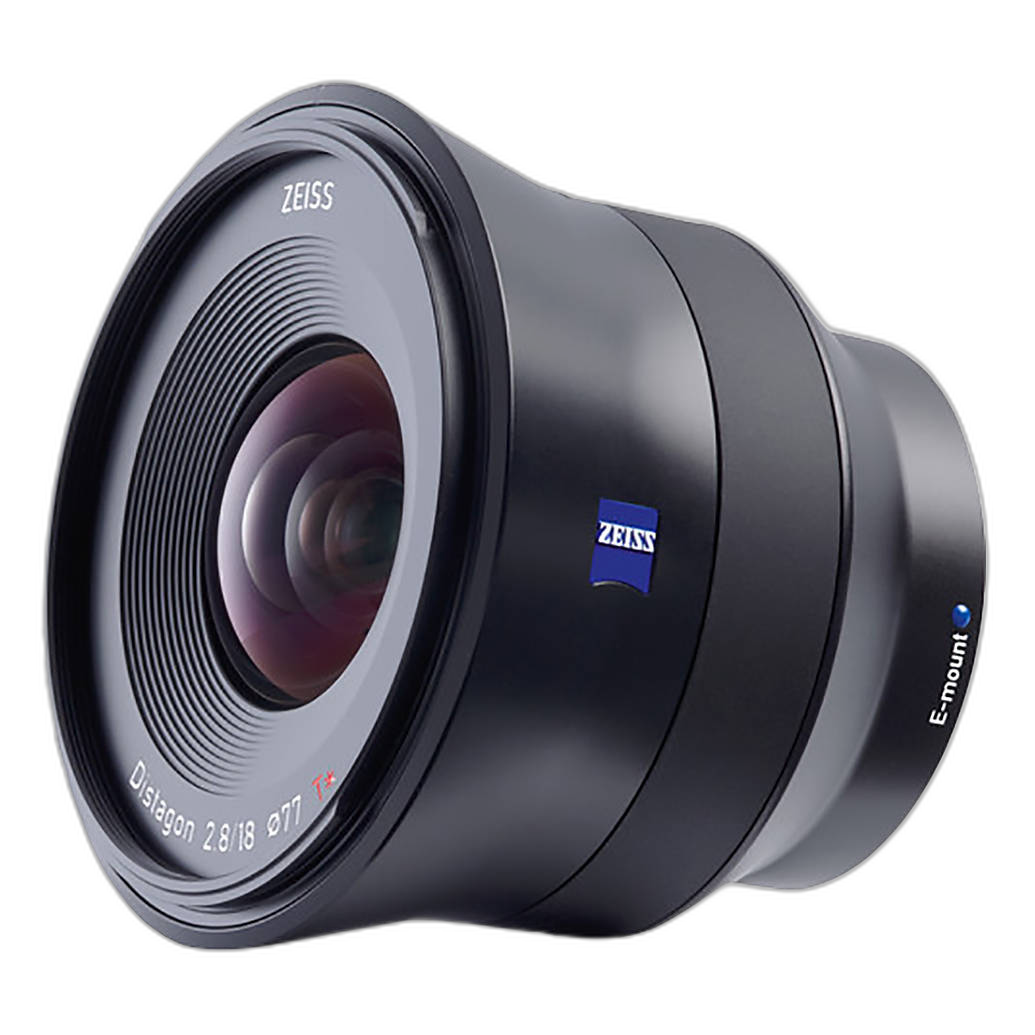
If you are building around Sony full-frame E-mount, an ultra-wide prime can be especially useful for establishing shots, interiors, travel content, architecture, and dramatic environmental portraits. The Zeiss Batis 18mm f/2.8 AF lens is a great example of a lens that can serve both photographers and video creators looking for sharp rendering and a wide perspective in a compact form factor.

Wide lenses like this can help when shooting on gimbals, in tight indoor spaces, or when you want immersive storytelling footage without stepping far back. For hybrid creators who need one system to do a lot, investing in versatile glass is often more impactful than chasing a minor body upgrade.
Do hybrid shooters really need accessories, or is the camera body enough?
A camera body is only the starting point. Hybrid workflows often become more efficient with a few carefully chosen accessories. Power solutions, lens protection, monitoring aids, and webcam tools can make a meaningful difference in day-to-day use.
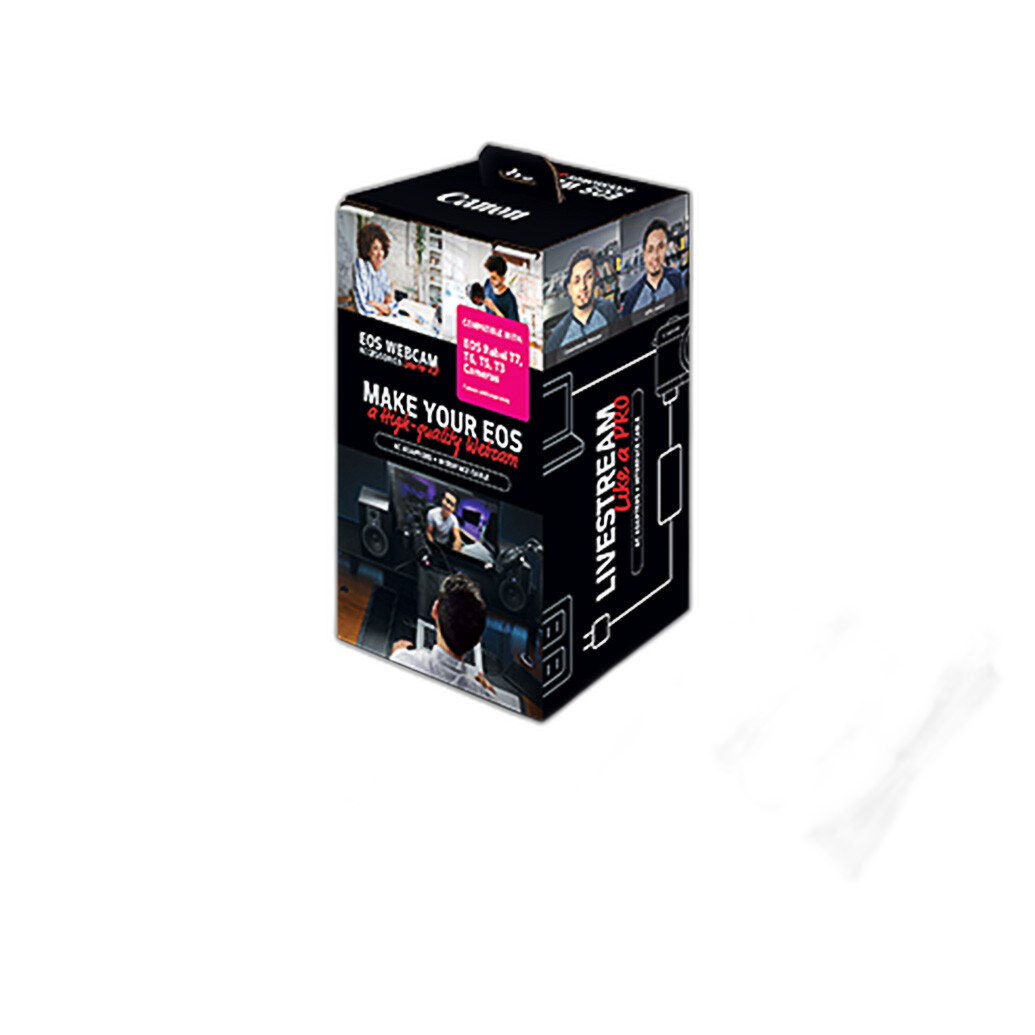
For Canon DSLR users who also stream, teach, or work remotely, the Canon EOS Webcam Accessories Starter Kit can help extend the value of an existing camera setup beyond traditional shooting. That kind of accessory is especially helpful for creators who want one camera system to cover content creation, live sessions, and client communication.
Sony E-mount users who rotate lenses frequently may also appreciate small practical accessories that protect their gear between shoots, such as a durable body cap. Even minor kit additions can help keep a hybrid setup organized and production-ready.
What role does battery and power management play in hybrid work?
Power management matters more for hybrid shooters than many people expect. Stills can often be captured in short bursts, but video recording, live view usage, and continuous autofocus place much heavier demands on batteries. If you shoot events, interviews, long takes, or flash-heavy sessions, planning power is essential.
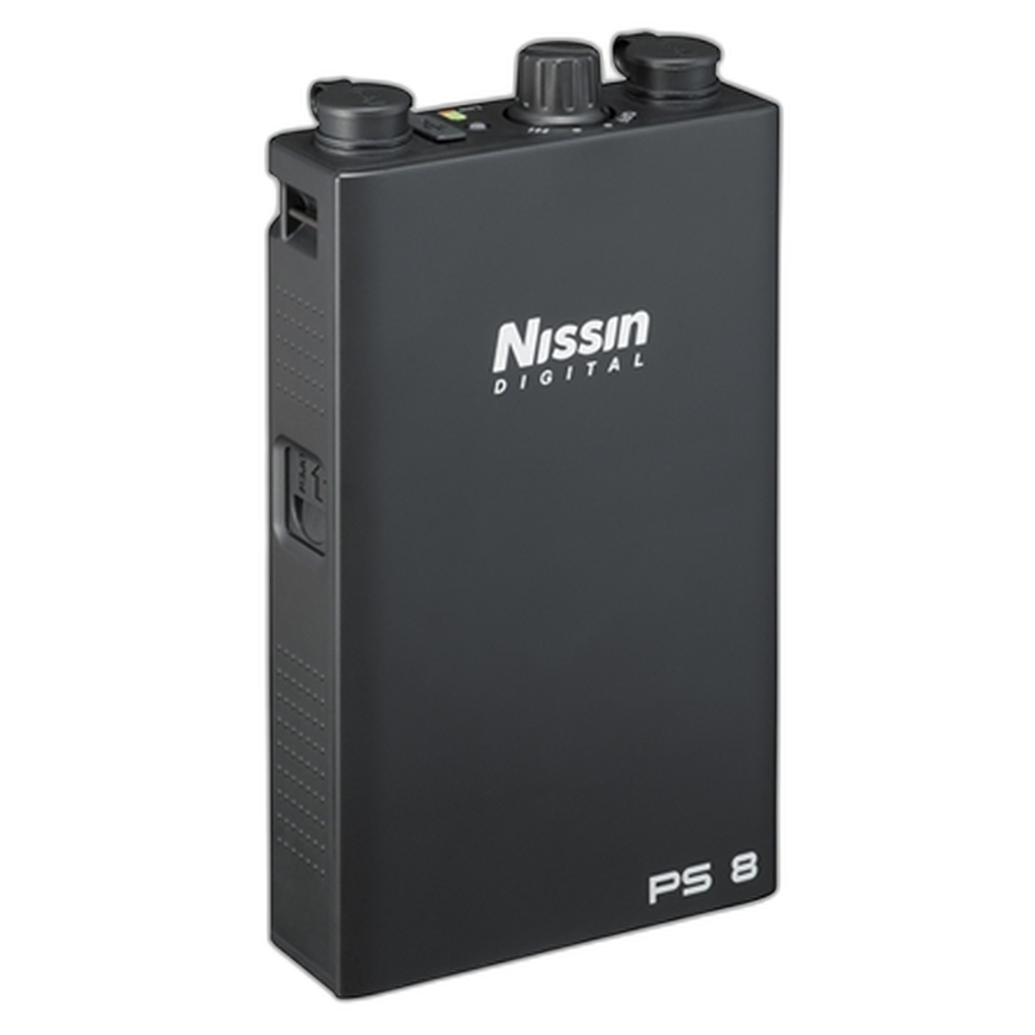
For photographers using compatible Canon setups, the Nissin PS 8 Power Pack is a good example of a power accessory that can support demanding flash workflows. While it is not a camera battery replacement, it shows how external power solutions can reduce downtime and improve pace during fast assignments.
In general, hybrid creators should budget for spare batteries, external charging solutions, and any accessory-specific power they may need. Reliable power is one of the simplest ways to make a hybrid kit more professional.
Is warranty coverage worth it for hybrid creators?
Yes, especially if your camera is part of your business. Hybrid shooters often put more wear on their gear because they use the same system for photography, video, streaming, and travel. That heavier usage can make extended coverage a smart investment.
For creators using Canon cinema-oriented equipment, protection plans such as Canon CarePAK PRO can add peace of mind and help safeguard a major purchase. If your gear supports paid work, educational content, or frequent production use, service coverage can be easier to justify than the cost of unexpected downtime.

This is particularly important for hybrid creators who cannot afford to lose both still and video capability at the same time. A support plan helps protect not just equipment, but also your schedule and client commitments.
Do I need an external viewfinder or monitoring accessory for hybrid shooting?
Not every hybrid shooter needs one, but viewing accessories can improve accuracy and comfort in certain situations. Bright outdoor conditions, low-angle shooting, and extended video sessions can make LCD viewing more difficult. In those cases, a dedicated finder or viewing aid can reduce strain and improve framing consistency.
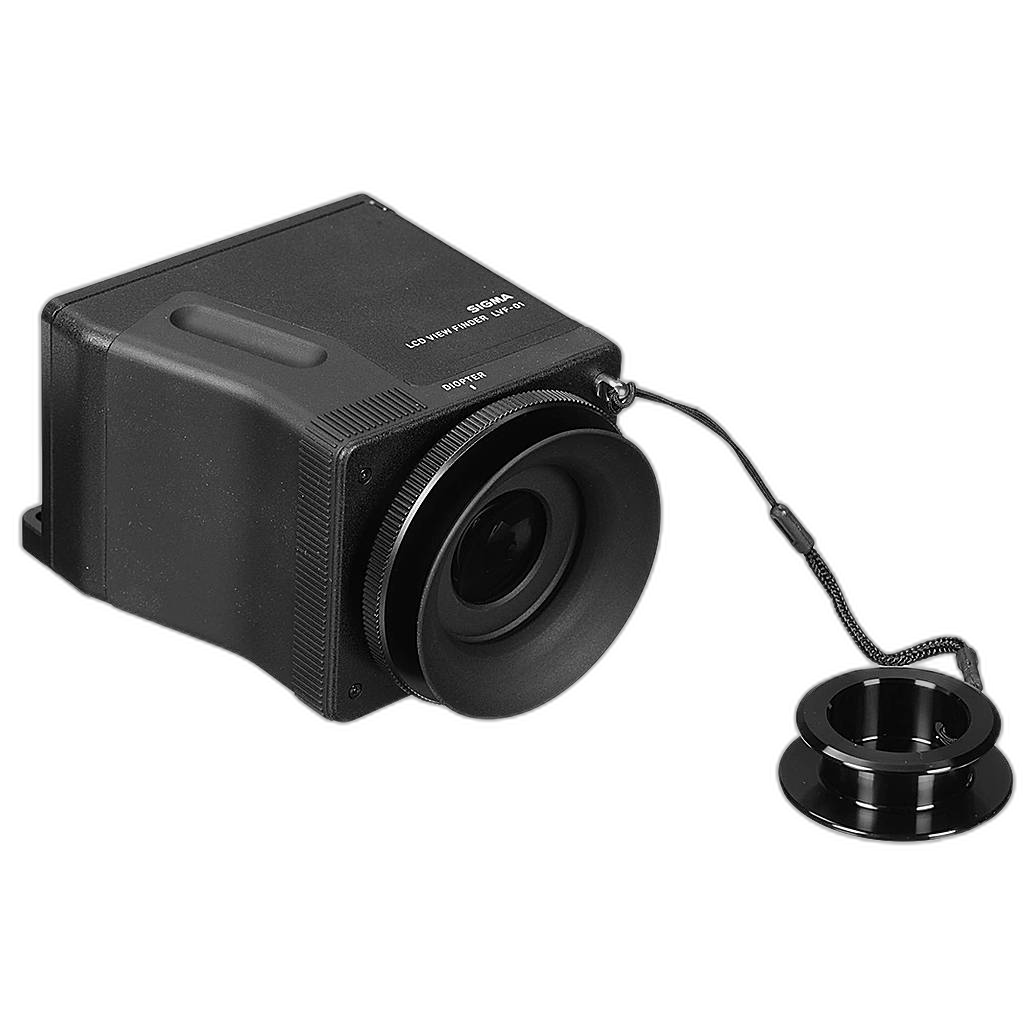
The Sigma LVF-01 LCD Viewfinder is a specialized example of how viewing tools can help improve outdoor composition and screen visibility. While system compatibility always matters, the broader lesson is that monitoring comfort should not be overlooked when building a hybrid kit.
Creators shooting long-form video, documentary work, or location content should evaluate whether their setup needs a brighter screen solution, an EVF-based workflow, or a more robust monitoring setup over time.
What kind of camera setup is best for travel and run-and-gun hybrid creators?
Travel and run-and-gun creators usually benefit from compact systems with fast autofocus, in-body stabilization, and lightweight lenses. A small but capable kit makes it easier to move quickly, stay discreet, and switch between stills and clips without interrupting the story.
In these situations, an ultra-wide lens can be especially valuable because it covers landscapes, city scenes, handheld walk-throughs, and dynamic establishing shots. A lens like the Zeiss Batis 18mm f/2.8 AF can fit neatly into a streamlined full-frame Sony kit for creators who want quality without carrying an oversized load.
The best travel hybrid setup is usually one you will actually carry all day. Weight, balance, battery planning, and lens flexibility should all influence your choices as much as headline specs.
How should beginners choose their first hybrid camera system?
Beginners should start by defining what they want to shoot in the next 12 to 24 months. If you expect to photograph people, record social content, and possibly stream or teach online, choose a system with easy autofocus, straightforward menus, and room to expand with lenses and accessories. Avoid overspending on niche features you are unlikely to use right away.
It is also wise to think in terms of a full kit rather than body-only pricing. A well-rounded starter setup may include a camera body, one or two lenses, spare power, support accessories, and protective coverage. For some users, webcam accessories or lens upgrades may have more immediate impact than moving to a higher-tier body.
At Unique Photo, we often recommend that new hybrid creators put equal attention into workflow, not just resolution. The camera that helps you shoot consistently, edit efficiently, and grow confidently is usually the right first choice.
Choosing a hybrid camera is really about building a system that supports both creativity and reliability. If you are comparing bodies, lenses, power options, or protection plans, Unique Photo can help you find the right combination for your style of shooting and your budget.