Low-light street photography is all about balancing motion, noise, and atmosphere. If you shoot after sunset, under neon signs, in subway stations, or along dim city blocks, the right camera settings matter more than almost anything else. This guide is for photographers who want sharper handheld images, cleaner files, and a more consistent approach when the light gets difficult. We’ll cover the core settings to use, then highlight a few useful accessories that can shape contrast and mood for urban night scenes.
Start With the Right Exposure Priorities
In low-light street photography, your settings need to protect against blur first, then control noise, then preserve highlights. A practical starting point is:
- Shutter speed: 1/125 sec for walking subjects, 1/250 sec if people are moving quickly
- Aperture: as wide as your lens allows, ideally f/1.4 to f/2.8
- ISO: Auto ISO with a maximum you’re comfortable editing, often ISO 3200 to 6400
If your subject is mostly static, you can lower shutter speed to 1/60 sec or even 1/30 sec with good technique. But for classic candid street photography, motion blur usually becomes the biggest problem before noise does.
Best Camera Settings for Low-Light Street Photography
These settings work well as a reliable baseline:
- Mode: Manual exposure with Auto ISO, or Aperture Priority with minimum shutter speed enabled
- Aperture: Wide open for maximum light gathering
- Minimum shutter speed: 1/125 sec to 1/250 sec
- ISO range: 800 to 6400 depending on your camera
- Metering: Evaluative/Matrix metering for general use
- Focus: Continuous AF for moving subjects, or zone focus if you want speed
- Drive mode: Low or high continuous for fleeting gestures
- File type: RAW for better noise reduction and highlight recovery
- White balance: Auto WB, unless you want to preserve a specific tungsten or neon mood
A helpful real-world setup is f/1.4, 1/250 sec, Auto ISO max 6400. That gives you a fast enough shutter for action while letting the camera adapt to changing pools of light on the street.
How to Handle Noise Without Losing the Look
Many photographers over-prioritize low ISO in the dark. For street work, a noisy sharp frame is usually better than a clean blurry one. Modern cameras handle ISO much better than they used to, and RAW processing can recover a lot. Expose carefully, avoid underexposure when possible, and keep highlights like signs and headlights from blowing out too badly.
If you want a more cinematic rendering, low contrast filters can also help tame harsh digital contrast in mixed night lighting. They won’t replace good exposure, but they can make highlights bloom more gently and reduce the brittle look of hard light sources.
Recommended Gear for Low-Light Street Photography
While settings are the foundation, a few carefully chosen accessories can influence the final look of your low-light street images. Below are several products worth considering.
Viltrox AF 13mm f/1.4 XF for Fuji X
If you shoot Fujifilm X-series and want a fast lens for low-light street scenes, the Viltrox AF 13mm f/1.4 XF is the most directly relevant option here. The bright f/1.4 aperture helps keep shutter speeds up and ISO under control, while the wide field of view is ideal for immersive urban compositions, tight sidewalks, storefronts, and environmental portraits at night.
Best for: Fuji X street photographers who want more light, more scene context, and stronger handheld performance after dark.
Why it stands out: Fast aperture, wide perspective, and strong value for available-light shooting.
Tiffen 72mm Low Light Ultra Contrast 5
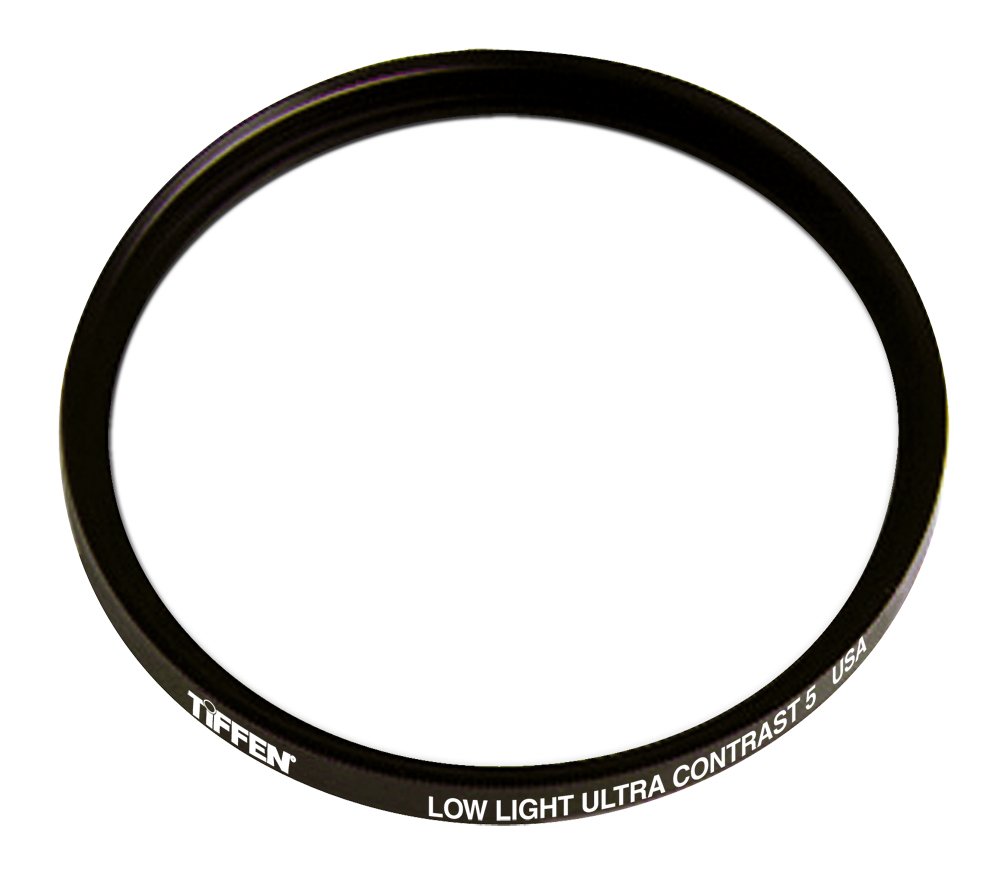
The Tiffen Low Light Ultra Contrast 5 is designed to lower contrast and open shadow detail while maintaining a moody look. In street photography, that can be especially useful when scenes contain bright signage, dark sidewalks, and deep shadows that can look too harsh straight out of camera. It’s less about exposure and more about tonal character.
Best for: Photographers chasing a softer, more cinematic night look with gentler highlight-to-shadow transitions.
Why it stands out: Tailored toward low-light conditions and useful for controlling harsh nighttime contrast.
Tiffen 82mm Low Contrast 1
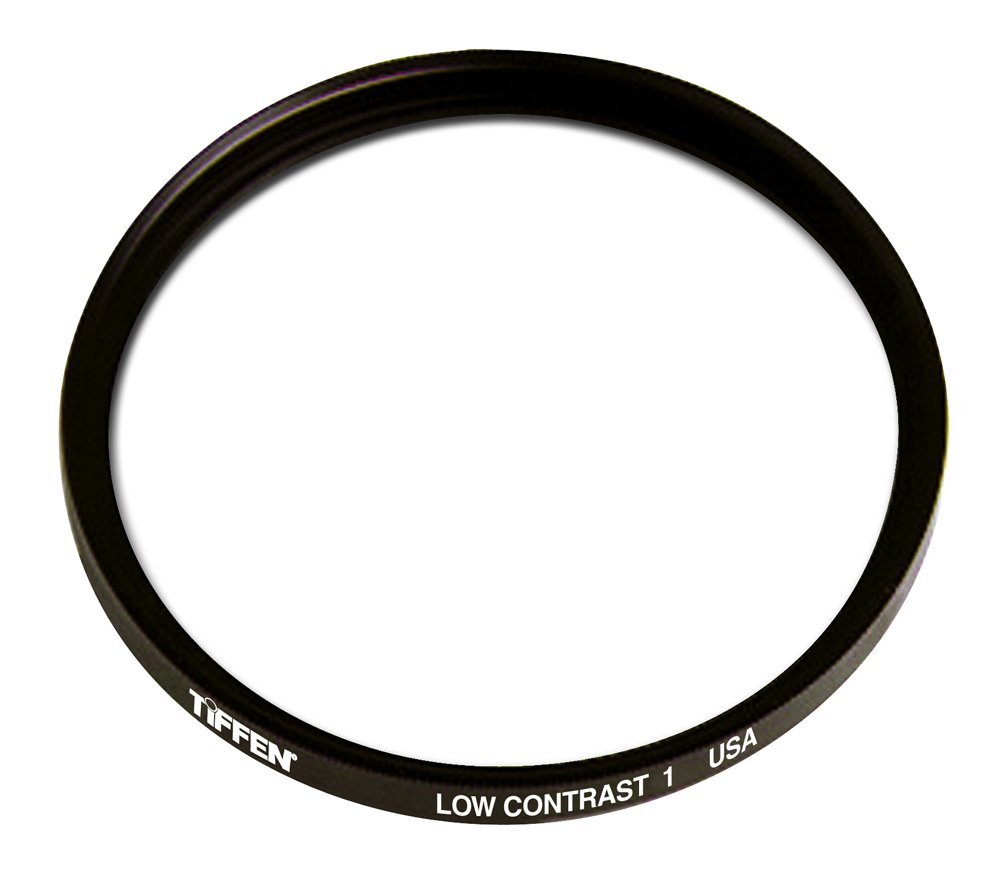
The Low Contrast 1 is the most subtle option in this group, making it a smart place to start if you want a slight reduction in contrast without dramatically changing the scene. For street photographers, subtlety matters; you often want the glow of practical lights and signage to remain believable.
Best for: Shooters who want just a touch of shadow lift and a more organic digital file.
Why it stands out: Mild effect that’s easier to use in a wide range of city lighting.
Tiffen 82mm Low Contrast 2
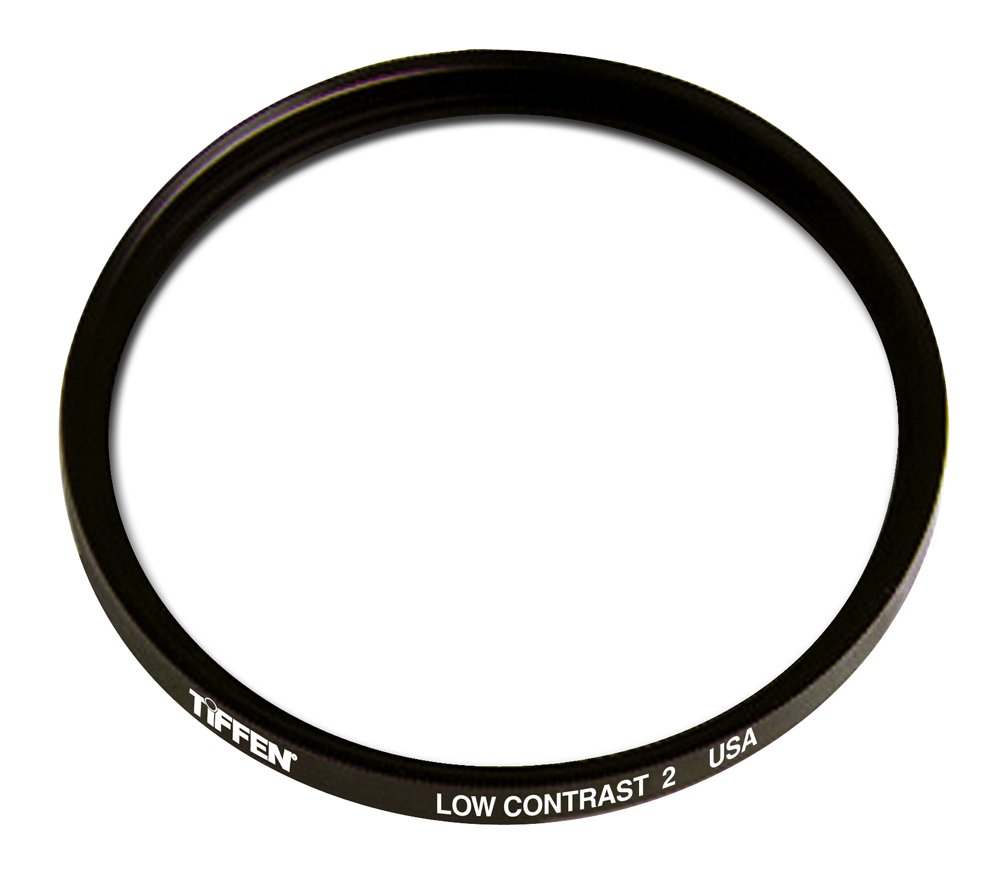
The Low Contrast 2 adds a bit more visible contrast reduction while still staying practical for everyday use. If your low-light street work regularly includes hard overhead lighting, reflective pavement, or strong dynamic range between illuminated windows and shadowed subjects, this strength can be a nice middle ground.
Best for: Photographers wanting a noticeable but manageable softening of harsh urban contrast.
Tiffen 82mm Low Contrast 3
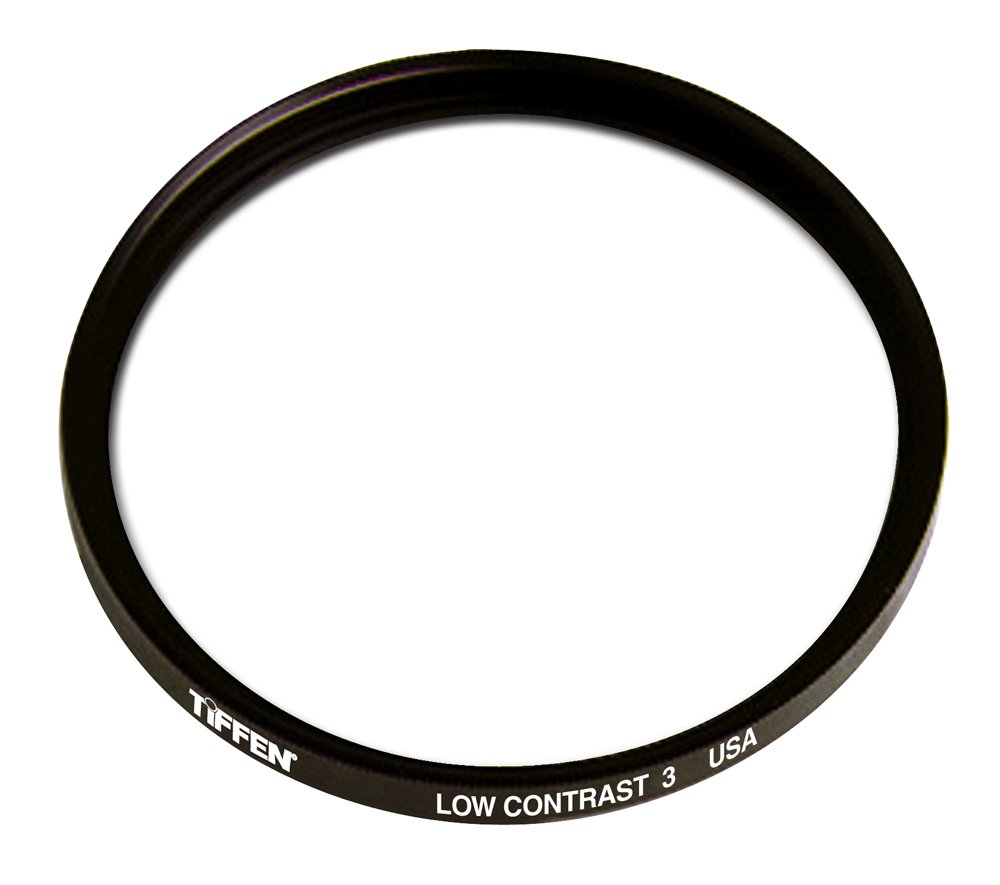
The Low Contrast 3 takes the effect further and can produce a more stylized rendering. This works well if your goal is atmosphere over absolute crispness, especially in rainy streets, neon-lit intersections, or cinematic documentary work.
Best for: More expressive night street photography with stronger mood and softened tonal separation.
Tiffen 82mm Low Contrast 4
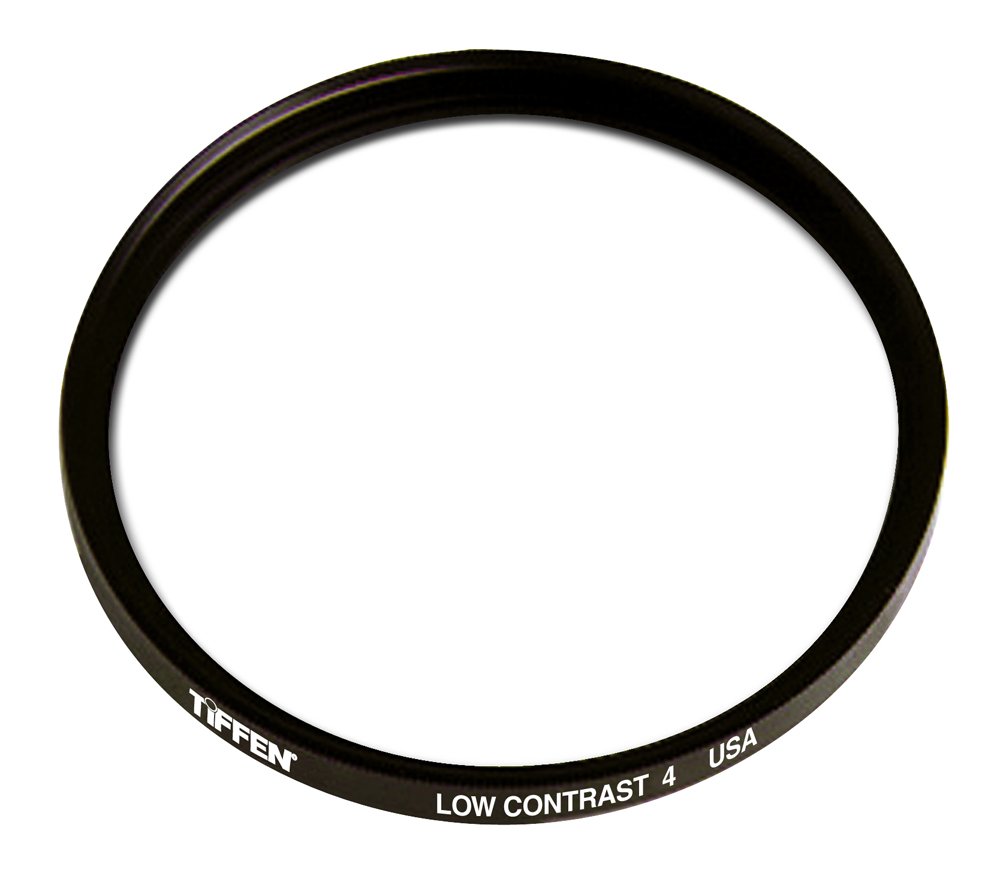
The Low Contrast 4 offers an even stronger effect for photographers who really want to reshape the tonal feel of their low-light images. It’s a niche creative choice, but one that can be effective in highly contrasty scenes where you want to preserve shadow information and reduce the digital edge of hard highlights.
Best for: Stylized low-light work with a pronounced low-contrast signature.
Comparison Table
| Product | Type | Best Use | Strength |
|---|---|---|---|
| Viltrox AF 13mm f/1.4 XF | Fast wide-angle lens | Improving shutter speed and lowering ISO in low light | Best practical upgrade for exposure flexibility |
| Tiffen 72mm Low Light Ultra Contrast 5 | Creative filter | Reducing harsh contrast in dark scenes | Strong low-light tonal control |
| Tiffen 82mm Low Contrast 1 | Creative filter | Subtle shadow lift and gentler rendering | Light effect |
| Tiffen 82mm Low Contrast 2 | Creative filter | Balanced low-contrast look for urban night scenes | Mild-to-medium effect |
| Tiffen 82mm Low Contrast 3 | Creative filter | More cinematic, stylized street imagery | Medium effect |
| Tiffen 82mm Low Contrast 4 | Creative filter | Pronounced tonal softening | Strong effect |
Quick Setting Recipes
Here are a few ready-to-use combinations for common night street situations:
- General handheld city walk: f/1.4 to f/2, 1/125 sec, Auto ISO max 6400
- Fast-moving pedestrians: f/1.4 to f/2, 1/250 sec, Auto ISO max 6400 or 12800
- Static scene with strong signage: f/2 to f/2.8, 1/60 sec, ISO 1600 to 3200
- Zone focus approach: f/4, 1/250 sec, Auto ISO max 12800 if your camera handles it well
If you’re unsure where to begin, set your camera to manual mode, open the aperture fully, lock shutter speed at 1/125 sec, and let Auto ISO handle the rest. That single adjustment path is often the easiest way to stay responsive on the street.
Final Thoughts
The best camera settings for street photography in low light usually come down to a simple priority: keep shutter speed high enough to stop motion, use the widest practical aperture, and accept the ISO needed to get the shot. If you want the biggest practical improvement, a fast lens like the Viltrox AF 13mm f/1.4 XF is the strongest choice in this lineup. If your goal is more mood and smoother tonal rendering, one of the Tiffen Low Contrast or Low Light Ultra Contrast filters can help shape the look of city lights after dark.
For photographers ready to refine their low-light street setup, Unique Photo is a great place to explore lenses, filters, and expert advice tailored to the way you shoot.