Introduction: The Best "Gear Upgrade" for Contest Entries Is Usually Better Settings
When photographers talk about improving their odds in a contest, the conversation often drifts toward new cameras, sharper lenses, or more expensive accessories. In practice, however, contest success is often decided by technical execution: exposure discipline, file quality, color accuracy, sharp focus, and choosing settings that support the subject rather than fight it. In that sense, the best camera settings for contest submissions deserve a review-style look, because they function like a high-value performance upgrade for nearly any kit.
Whether you shoot landscapes, portraits, street, wildlife, or conceptual work, judges tend to notice the same things very quickly: clipped highlights, muddy shadows, distracting noise, poor white balance, missed focus, and over-processed files. Dialing in the right settings at capture gives your images a cleaner starting point and a more professional finish before you ever export the final submission.
This guide reviews the most important settings choices for contest-ready photography, along with practical supporting gear available at Unique Photo. Think of it as a field-tested approach to maximizing image quality, consistency, and presentation under real shooting conditions.
Exposure Settings: The Foundation of a Strong Submission
Shoot RAW Whenever the Contest Allows It
If your workflow supports it, RAW should be your default capture format for contest work. RAW files preserve more highlight and shadow information, offer better white balance correction, and hold up more gracefully during careful post-processing. Even if the contest ultimately requires JPEG delivery, starting with RAW gives you the best path to a polished final file.
For most serious entries, JPEG-only capture is a compromise. It may work for fast turnaround situations, but contests reward refinement, and RAW provides more room to refine without degrading image quality.
Use the Lowest Practical ISO
One of the most consistent technical advantages in contest images is clean tonality. Lower ISO settings generally provide better dynamic range, more color fidelity, and less visible noise. A good baseline is:
- ISO 64-100: ideal for landscapes, architecture, studio, and tripod-based work
- ISO 200-400: often acceptable when you need a modest shutter speed increase
- ISO 800+: use only when motion control matters more than maximum file purity
The key is not to chase low ISO blindly. Judges will forgive a little noise more readily than they will forgive subject blur or missed timing. Still, when image quality is the priority, keeping ISO as low as conditions allow is usually the right move.
Protect Highlights
Blown highlights are one of the hardest problems to fix and one of the easiest for judges to notice in bright skies, wedding dresses, reflective surfaces, and skin. Use your histogram rather than relying only on the rear LCD. In high-contrast scenes, expose carefully so important highlights remain intact, then recover shadows in post if needed.
A slight underexposure is often safer than an aggressive exposure that clips critical detail.
Aperture Choice: Sharpness vs. Subject Separation
Know Your Genre-Specific Sweet Spot
The best aperture for contest work depends on what the image is trying to say. There is no universal magic number, but there are smart starting points:
- Portraits: around f/1.8 to f/4 depending on subject distance and desired depth
- Landscapes: often f/8 to f/11 for broad sharpness without excessive diffraction
- Street/documentary: commonly f/4 to f/8 for responsiveness and workable depth of field
- Architecture/interiors: often f/5.6 to f/11 for edge-to-edge clarity
The goal is intentionality. Contest judges respond well when depth of field clearly supports the subject. If only one eyelash is sharp in a portrait where both eyes should be crisp, that looks careless. If a landscape is soft from diffraction at an unnecessarily tiny aperture, that also works against you.
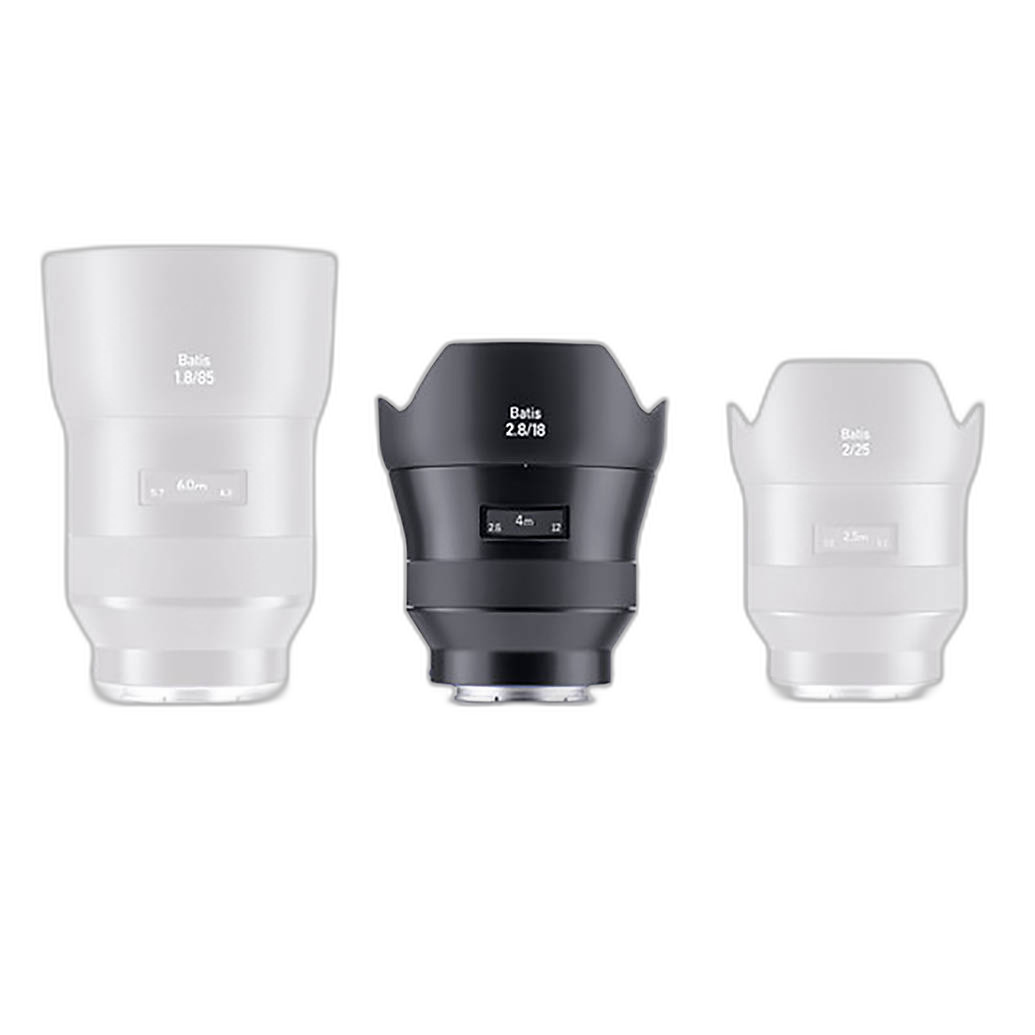
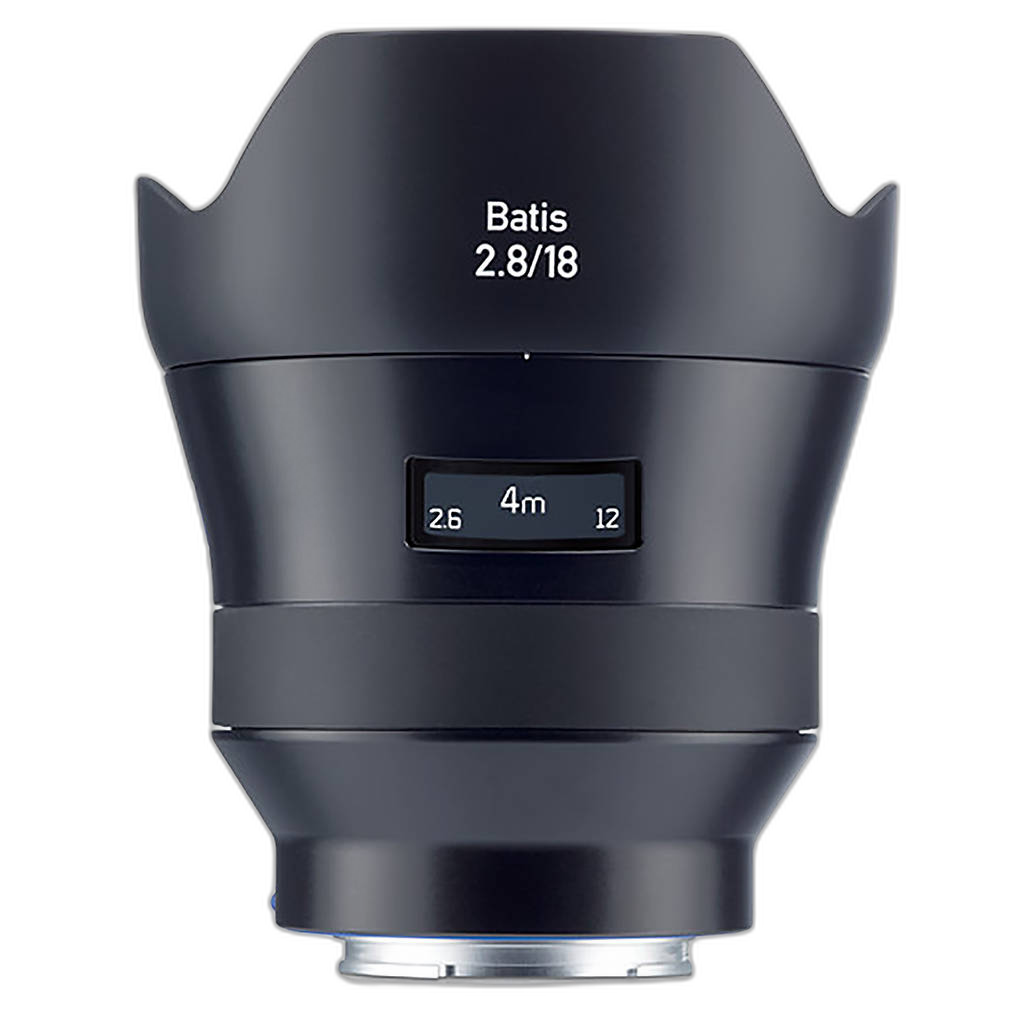
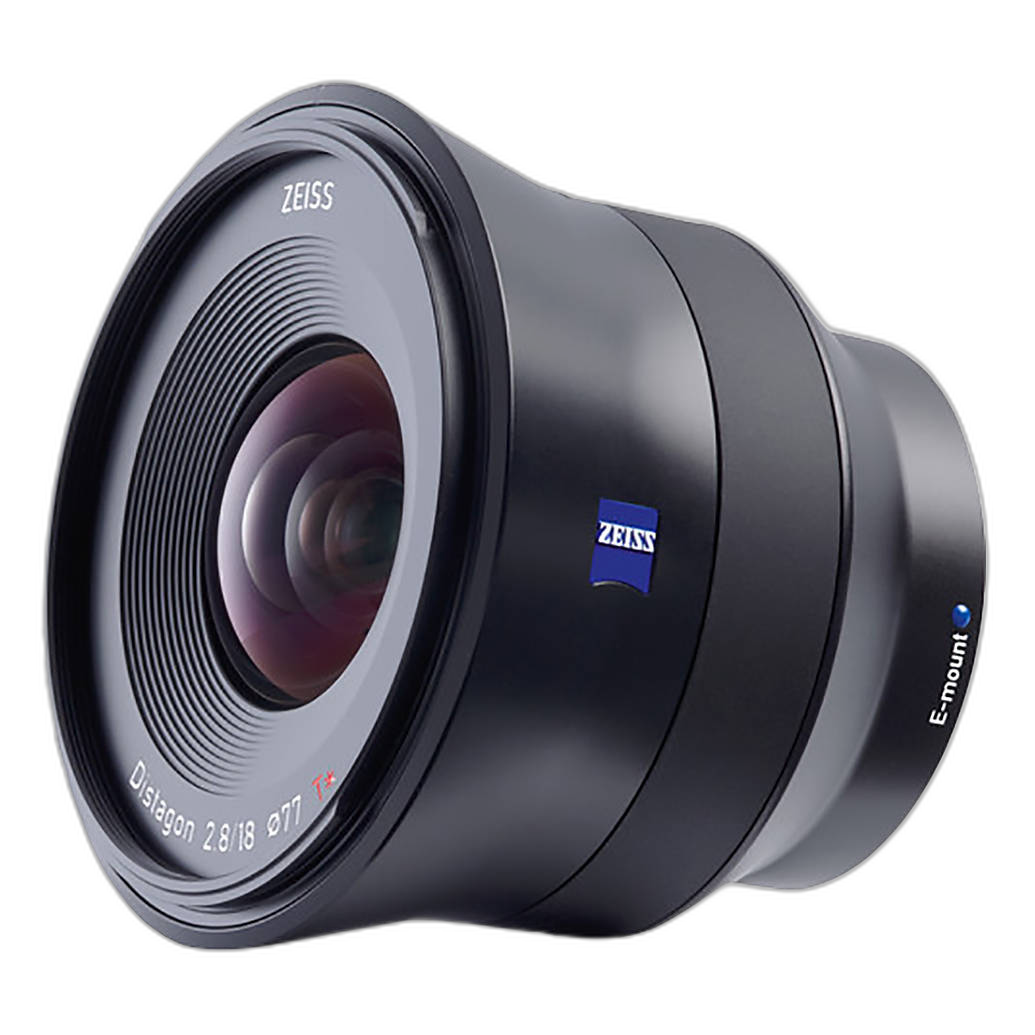
A lens like the Zeiss Batis 18mm f/2.8 is especially relevant for contest-oriented landscape, travel, and architecture work because it combines wide-angle coverage with strong optical performance and autofocus reliability.
Shutter Speed: Sharpness Wins More Often Than Motion Blur
Default to Safe Shutter Speeds for Handheld Work
Unless motion blur is central to your concept, sharpness is a competitive advantage. Many contest submissions fail not because of poor composition, but because they are just slightly soft. For handheld shooting, use a shutter speed that safely freezes both subject movement and camera shake.
Reliable starting points include:
- 1/125 sec: minimum for still subjects with careful technique
- 1/250 sec: safer for portraits and general handheld photography
- 1/500 sec or faster: good for children, street action, events, and moderate movement
- 1/1000 sec or faster: sports, wildlife, and fast gesture
If you are using a high-resolution camera, being conservative with shutter speed becomes even more important because fine softness shows up more clearly under close inspection.
Use Motion Blur Deliberately, Not Accidentally
Creative blur can absolutely win contests when it is purposeful. The difference is control. If you are submitting long-exposure cityscapes, panning shots, or abstract movement studies, make sure the effect looks intentional throughout the frame.
Focus Settings: Probably the Most Underestimated Contest Variable
Single-Point AF for Precision
For many contest subjects, especially portraits, still life, architecture, and controlled documentary work, single-point autofocus or a small AF area gives you better placement than broad automatic area modes. Letting the camera guess can produce acceptable images, but contest photography benefits from precision.
Continuous AF for Movement
If the subject is in motion, continuous autofocus is usually the safer choice. Pair it with burst shooting when expression, gesture, or exact body position matter. The point is not to spray and pray, but to improve your odds of getting a frame that is both emotionally strong and technically perfect.
Confirm Critical Focus Before You Leave the Scene
Magnify images on the rear screen and check key focus areas. Contest-worthy moments are often impossible to recreate, and a quick check in the field can save an otherwise excellent entry.
White Balance and Color: Keep It Credible
Auto White Balance Is Fine, but Not Infallible
Modern Auto WB is often very good, but mixed lighting still causes trouble. If color accuracy matters to the image, set a deliberate white balance or at least monitor consistency between frames. Contest judges often react negatively to images with odd skin tones, green shadows, or overly warm highlights unless the color cast is clearly part of the artistic intent.
Picture Style Matters Less in RAW, but Preview Still Counts
If you shoot RAW, in-camera color profiles matter less for the final file, but they still affect the preview and histogram behavior on many cameras. Use a neutral or standard profile if you want a more honest preview while shooting.
Noise Reduction, Sharpening, and In-Camera Processing
Keep In-Camera Processing Conservative
Contest submissions often suffer from over-sharpening, harsh clarity, aggressive noise reduction, and oversaturated color. These issues can make an image look impressive at thumbnail size but weak on close review. If your camera allows it, keep JPEG processing restrained. If you are shooting RAW, handle sharpening and noise reduction carefully in post, tuned to the subject and output size.
Resize and Export Thoughtfully
Always follow contest rules exactly for dimensions, file size, color space, and naming conventions. Technical noncompliance can disqualify strong work. When exporting, apply output sharpening appropriate to screen or print delivery, not a one-size-fits-all preset.
The Practical Side of Contest Shooting
Power Reliability Matters
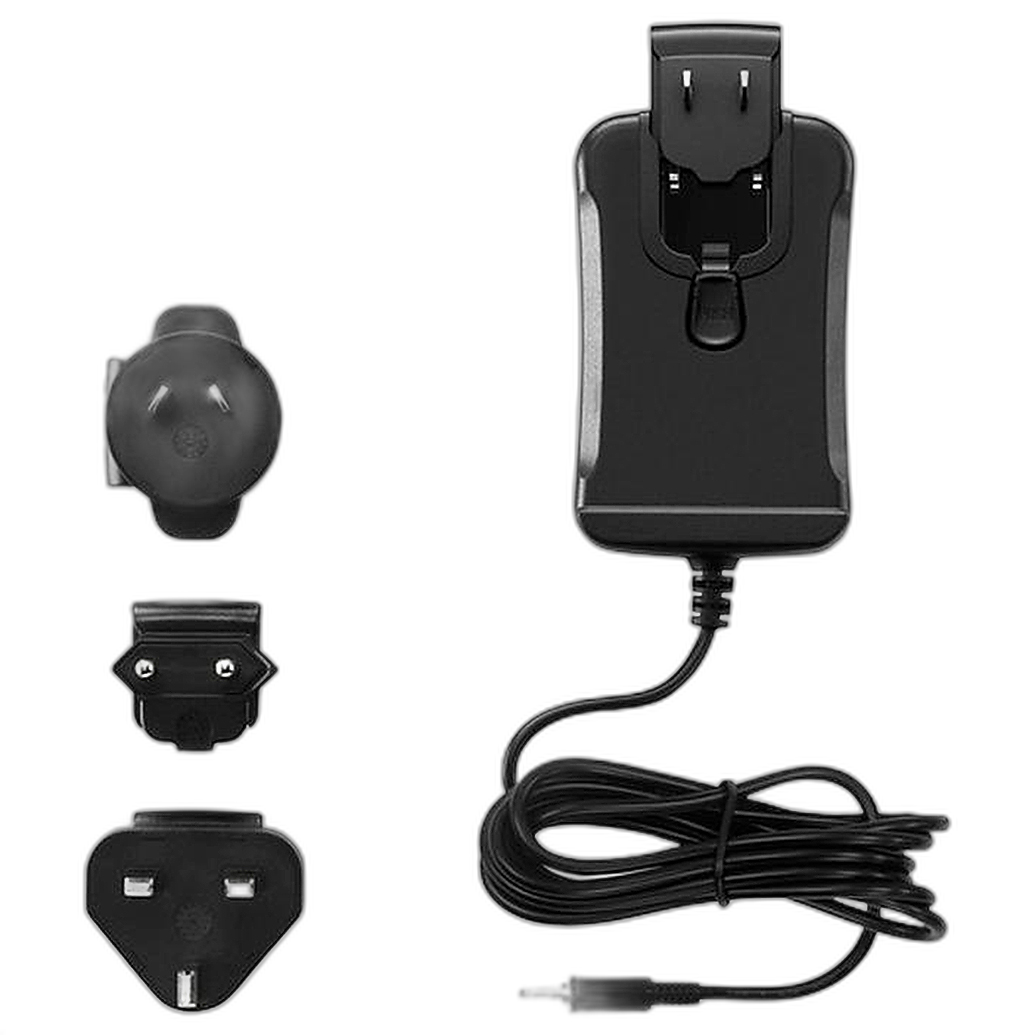
A dead battery during the best light of the day can ruin a submission before it exists. For photographers working extended sessions, travel shoots, or video-based contest entries, dependable power support is part of the real workflow. The Blackmagic Design Power Supply for Pocket Cinema Camera is a niche but important example of support gear that keeps capture stable for creators using compatible Blackmagic systems.
Carry Systems Affect Readiness
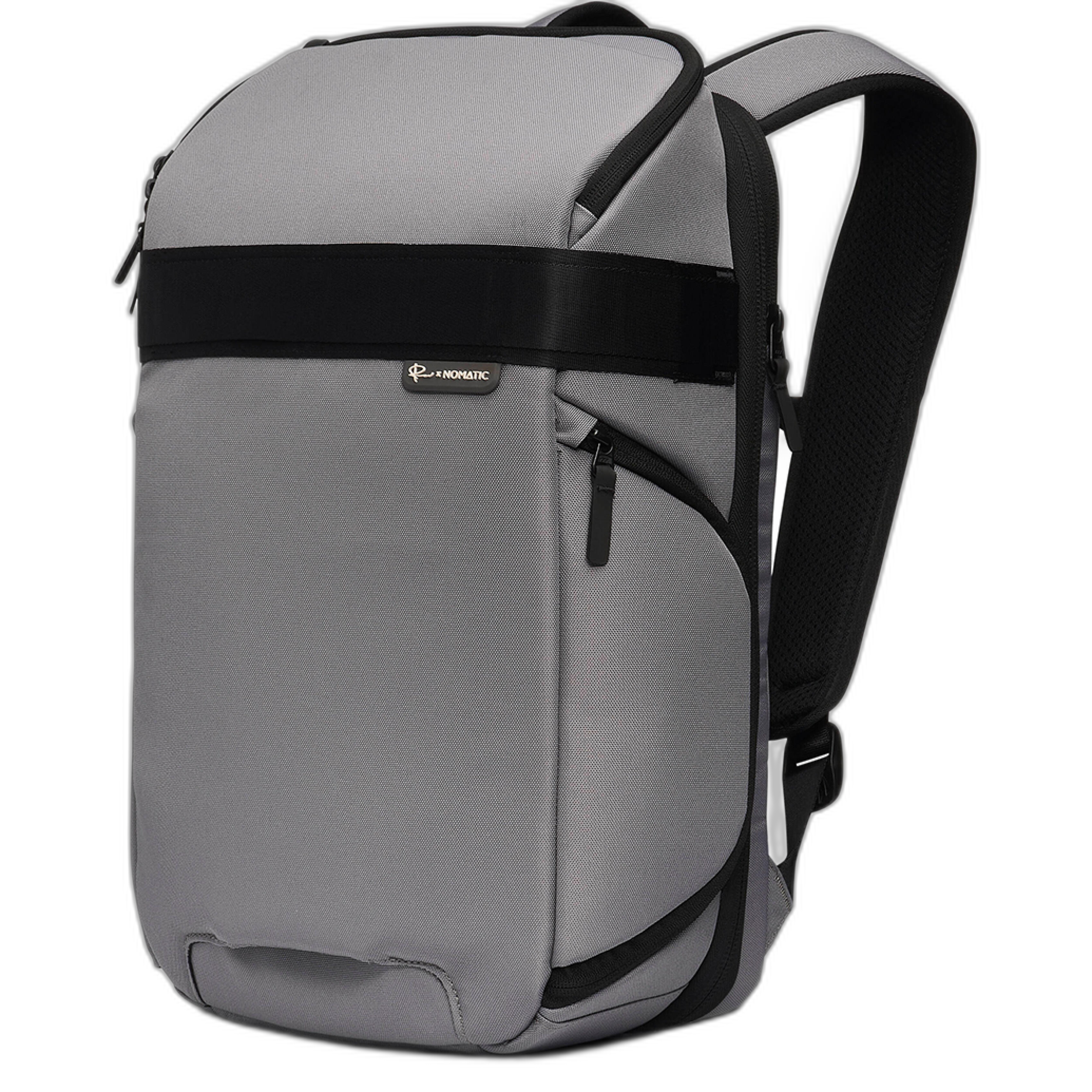
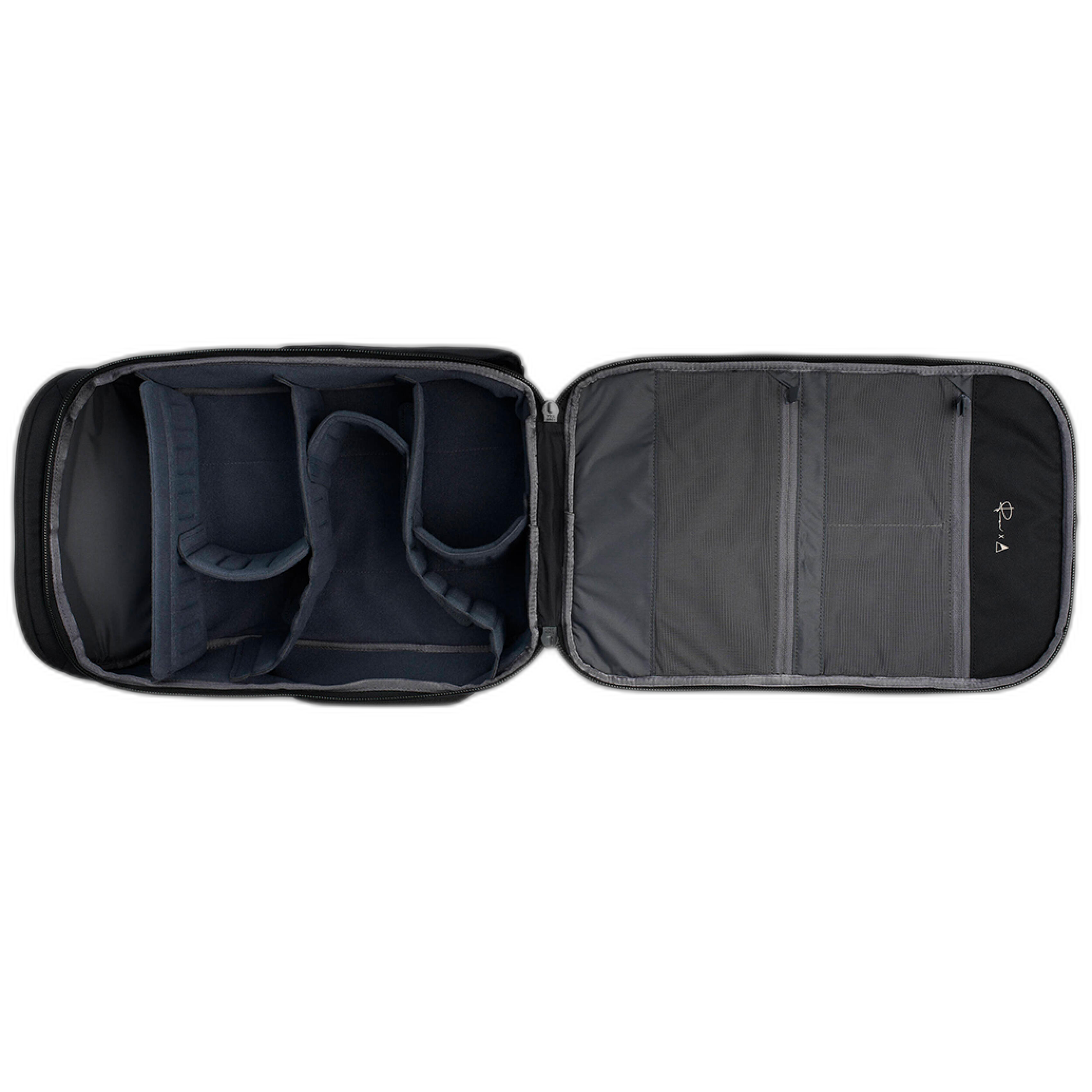
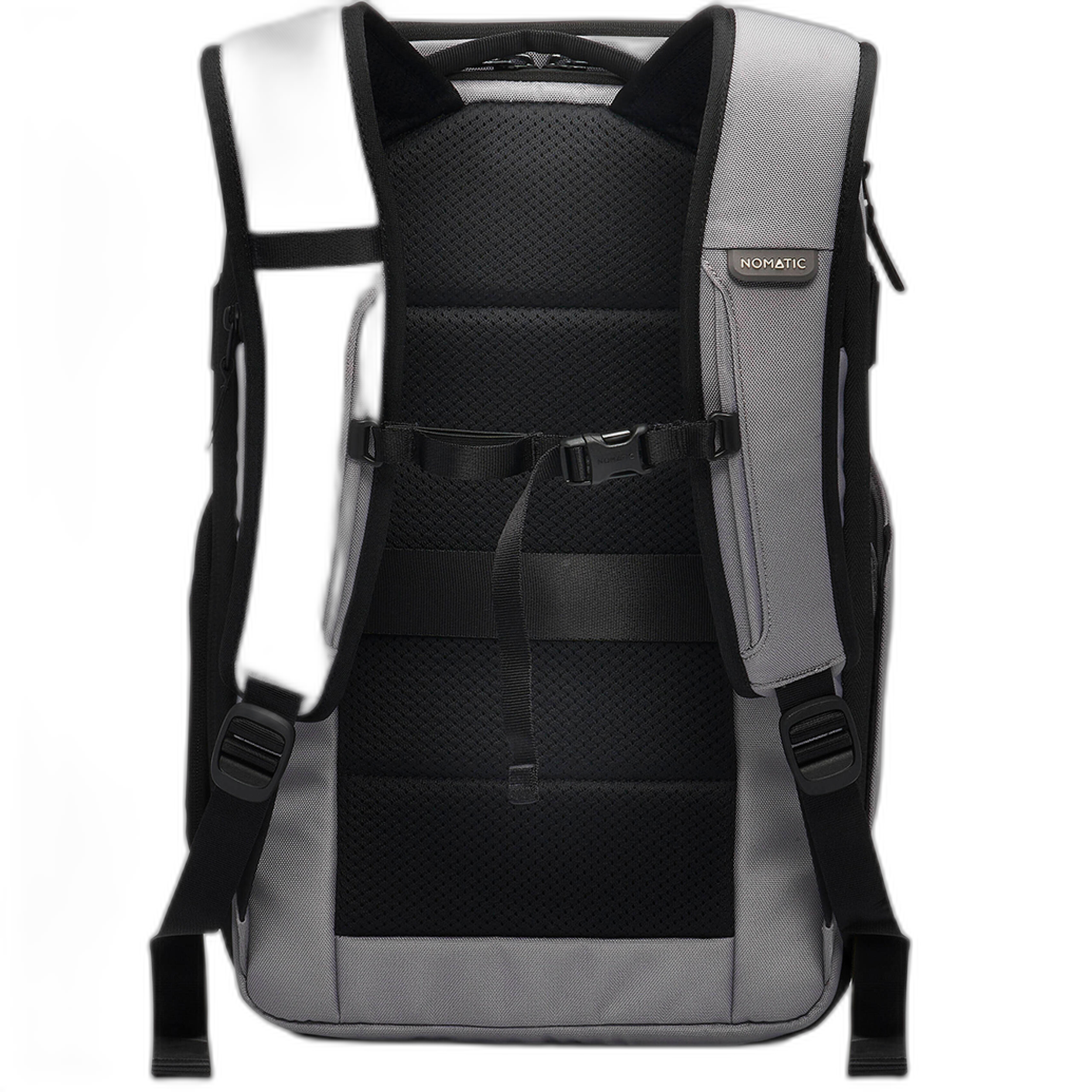
Camera settings only help if your gear is accessible when the moment happens. A well-organized bag can make the difference between calmly adjusting aperture and ISO or fumbling through a rushed missed opportunity. The Nomatic Luma Camera Pack 18L stands out as a practical contest-shoot companion for day trips, urban photo walks, and travel assignments where flexibility matters.
Recommended Baseline Settings for Contest Submissions
If you want a reliable starting point for general-purpose contest shooting, this setup is hard to argue with:
- File format: RAW
- Exposure mode: Aperture Priority or Manual
- ISO: base ISO whenever possible
- Aperture: chosen for subject intent, often f/4 to f/11
- Shutter speed: fast enough to guarantee sharpness
- AF mode: Single-point AF for still subjects, Continuous AF for movement
- Metering: Evaluative/Matrix as a default, with histogram review
- White balance: Auto WB or custom, depending on lighting consistency
- Drive mode: Single shot for controlled work, low/high burst when timing is critical
For landscape and architecture entries, lean toward low ISO, careful tripod technique when possible, and apertures near the lens sweet spot. For portrait and documentary entries, prioritize accurate focus, clean skin tones, and enough shutter speed to preserve expression and gesture.
Pros and Cons of This Contest-First Settings Approach
Pros
- Maximizes image quality and editing flexibility
- Reduces technical mistakes that judges quickly notice
- Builds consistency across a full submission set
- Encourages intentional choices in depth of field, motion, and color
- Works across genres and camera brands
Cons
- RAW workflow requires more post-processing time
- Lower ISO preferences may require slower shooting or more support gear
- Manual refinement takes more discipline than relying on full auto
- Conservative processing may look less punchy before final editing
Verdict: Strong Settings Beat Fancy Spec Sheets
If this topic is treated like a product under review, the verdict is simple: the best camera settings for contest submissions deliver one of the highest returns on effort available to photographers. They cost nothing to implement, improve nearly every image category, and often matter more than incremental gear upgrades.
Contest judges may respond first to story, emotion, and composition, but technical control helps those strengths land with authority. Shoot RAW, keep ISO as low as practical, protect highlights, choose aperture with intent, prioritize critical focus, and export carefully to spec. Pair that discipline with dependable tools and smart carry options, and your submission quality will rise noticeably.
For photographers looking to refine both technique and supporting gear, Unique Photo is an excellent place to buy essentials like the Zeiss Batis 18mm f/2.8, the Nomatic Luma Camera Pack 18L, and workflow-support accessories for serious image makers.
Bottom line: for contest work, the best settings are the ones that preserve detail, maintain credibility, and let your creative idea come through without technical distractions.