
Travel photographers constantly weigh three priorities when choosing gear: image quality, portability, and durability. The ideal travel camera is not always the biggest, most expensive, or most rugged body on the market. Instead, it is the one that helps you move comfortably, react quickly, and come home with reliable files from a wide range of environments. At Unique Photo, many traveling creators ask the same practical question: which camera features matter most when you are shooting on the go?
The answer depends on your destination, shooting style, and tolerance for weight. Whether you are photographing city streets, mountain landscapes, food, architecture, or documentary-style portraits, certain features consistently offer the best balance for travel photography. Below, we break down the camera features travel photographers discuss most often and explain how to prioritize them.
What image quality features matter most in a travel camera?
When people search for the best camera for travel photography, they often start with megapixels. Resolution matters, but it is only one piece of the image-quality equation. For most travel shooters, the most useful image-quality features are sensor size, dynamic range, low-light performance, and lens quality.
Sensor size plays a major role in overall image quality. Full-frame cameras generally offer excellent dynamic range and stronger low-light performance, making them appealing for night scenes, interiors, and sunrise or sunset photography. However, APS-C and Micro Four Thirds cameras can still produce outstanding travel images while reducing both size and weight. That tradeoff is why many experienced travelers prefer smaller systems that are easier to carry all day.
Dynamic range is especially important for travel because lighting conditions change constantly. Bright skies, shaded streets, reflective water, and dim indoor markets all challenge a camera sensor. A body with strong dynamic range gives you more flexibility when recovering highlights and shadows during editing.
Low-light capability also matters when traveling. Many memorable scenes happen after dark: neon-lit streets, festivals, restaurants, monuments, and evening portraits. Good high-ISO performance can reduce the need for a tripod and help you keep shooting in available light.
Finally, lens quality often matters more than extreme resolution. A smaller camera with a sharp, versatile lens may be a better real-world travel companion than a higher-resolution setup that is too heavy to bring everywhere. At Unique Photo, travelers often discover that the best image quality comes from the gear they will actually carry consistently.
How important is portability for travel photographers?
Portability is one of the most important travel camera features, because a camera left in the hotel room captures nothing. The ideal travel kit should feel manageable during full days of walking, public transportation, airport transitions, and changing weather.
When evaluating portability, consider more than just body weight. Look at the total size of the system, including lenses, batteries, chargers, straps, and your bag. Compact camera bodies paired with lightweight zooms or small primes are often the sweet spot for travel. A travel-friendly camera should fit easily in a daypack or shoulder bag and remain comfortable enough for long shooting sessions.
Ergonomics also affect portability. A very small camera may look perfect on paper, but if the grip is uncomfortable or the controls are cramped, it can slow you down in the field. The best portable camera is one that feels secure in hand and encourages quick shooting.
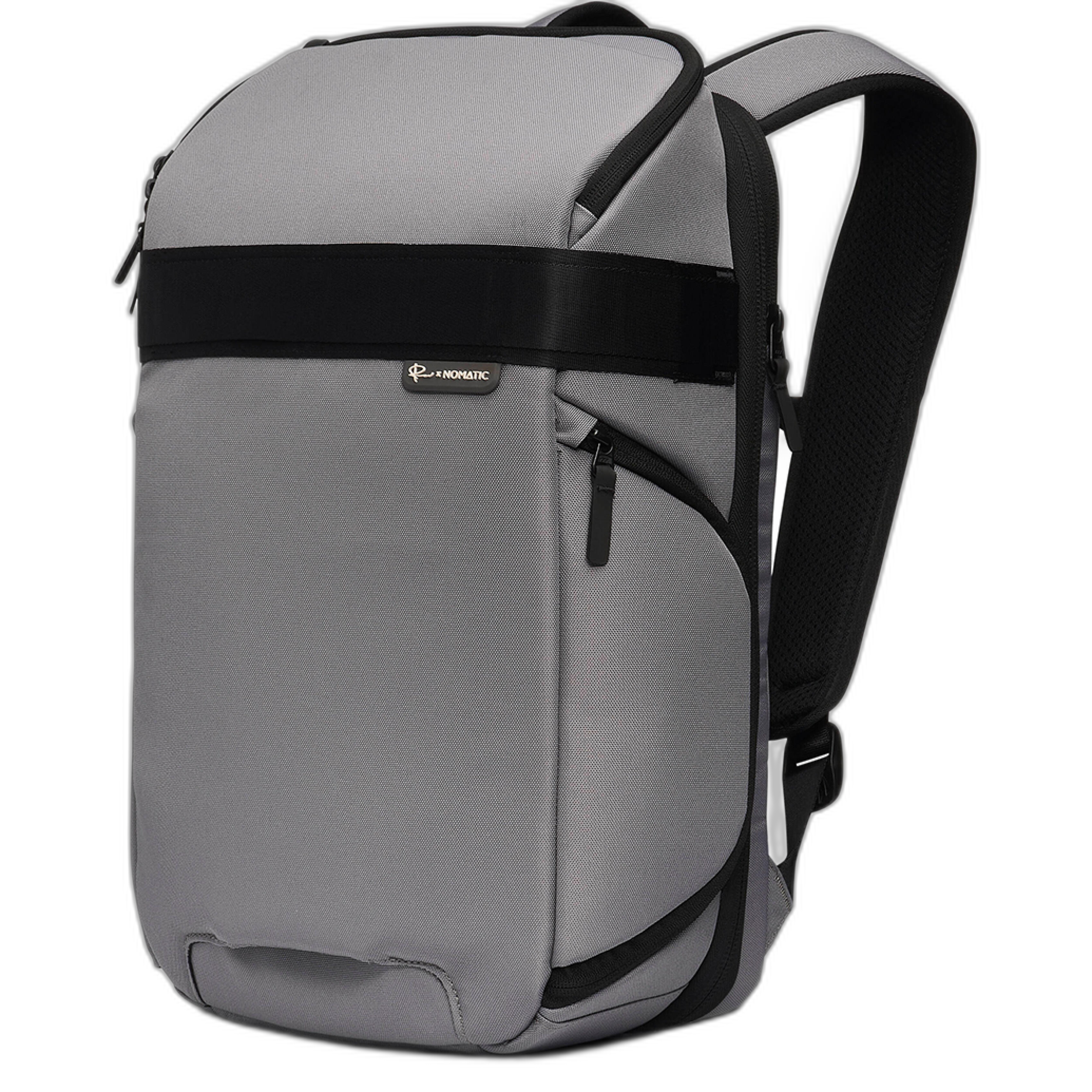
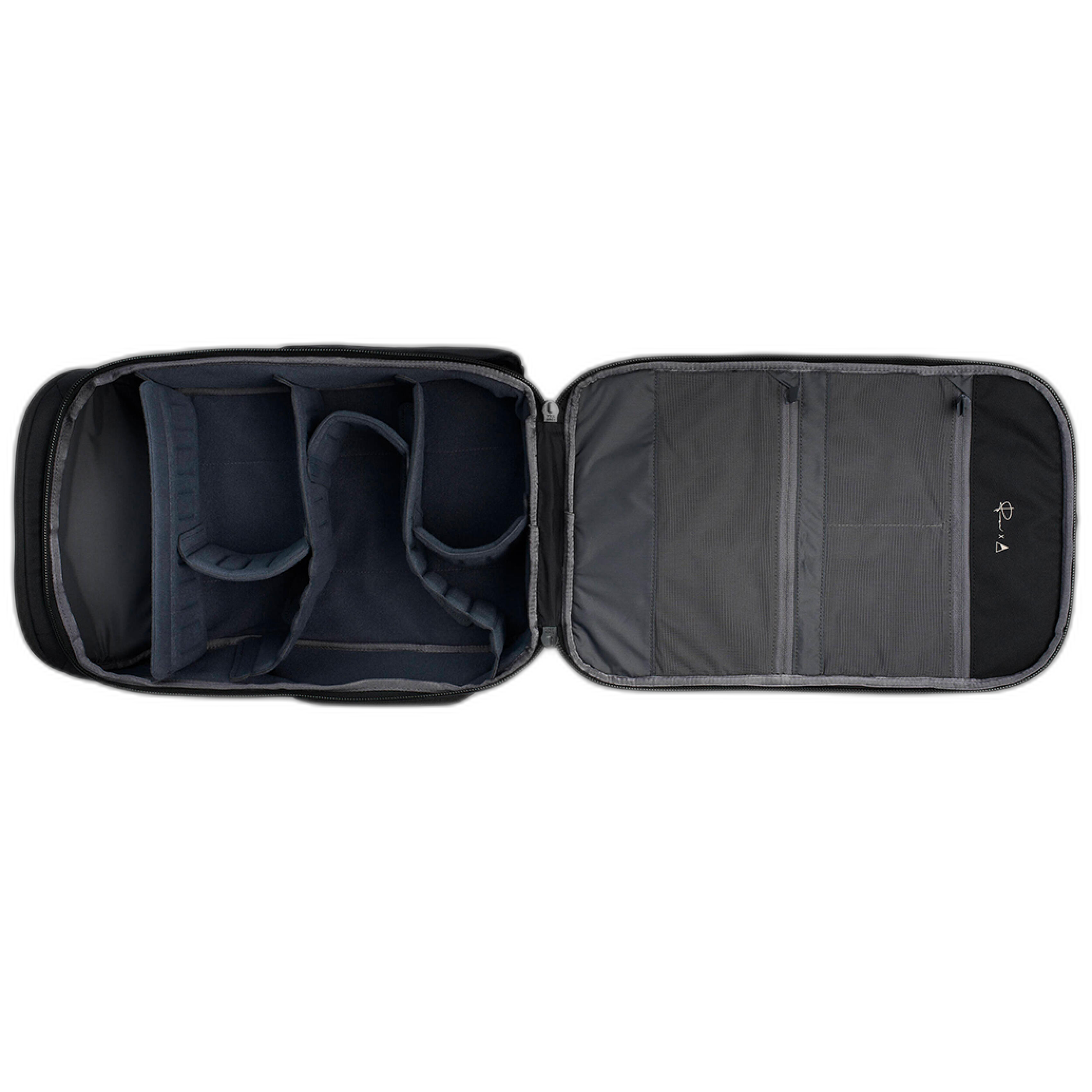
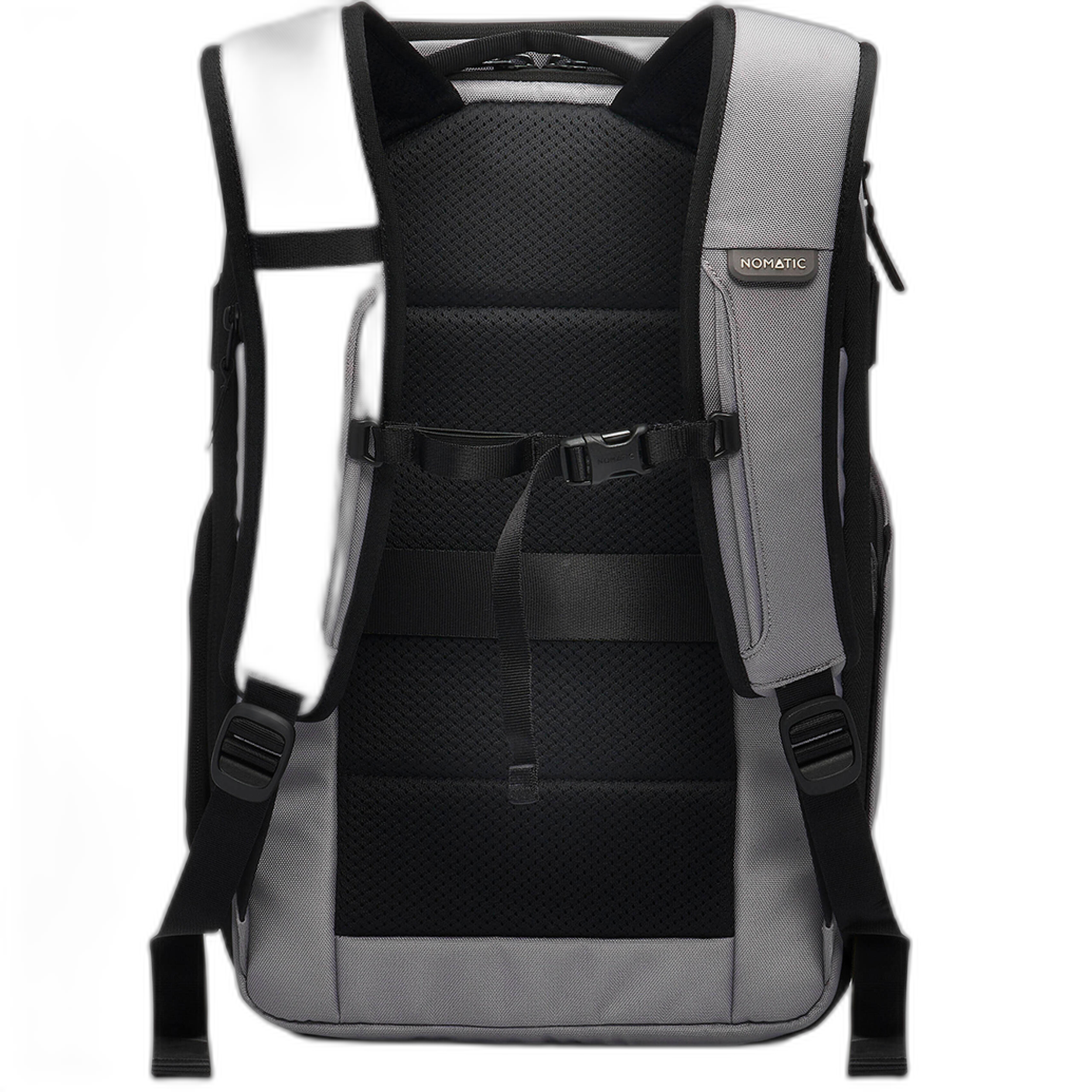
Accessories play a major role here too. A thoughtful bag can make a larger kit feel manageable, while a poor bag can make even a compact system frustrating. The Nomatic Luma Camera Pack 18L - Stone is a good example of a travel-oriented carry solution that helps photographers stay organized without going oversized. For many travelers shopping at Unique Photo, choosing the right bag is almost as important as choosing the camera itself.
Which durability features are best for on-the-go shooting?
Travel photography exposes gear to a wide range of hazards: dust, rain, humidity, heat, cold, bumps, and frequent packing. That is why durability features in a travel camera deserve serious attention.
The most desirable feature is weather sealing. Cameras and lenses with weather resistance offer extra confidence in uncertain conditions, from misty coastlines to light rain in urban environments. Weather sealing does not mean waterproof, but it can make a meaningful difference for travel photographers who cannot always wait for ideal conditions.
Build quality is another key factor. Magnesium alloy or well-constructed polycarbonate bodies often hold up better to frequent use than entry-level designs. Buttons, dials, card doors, and battery compartments should feel solid, especially if you plan to move quickly between locations.
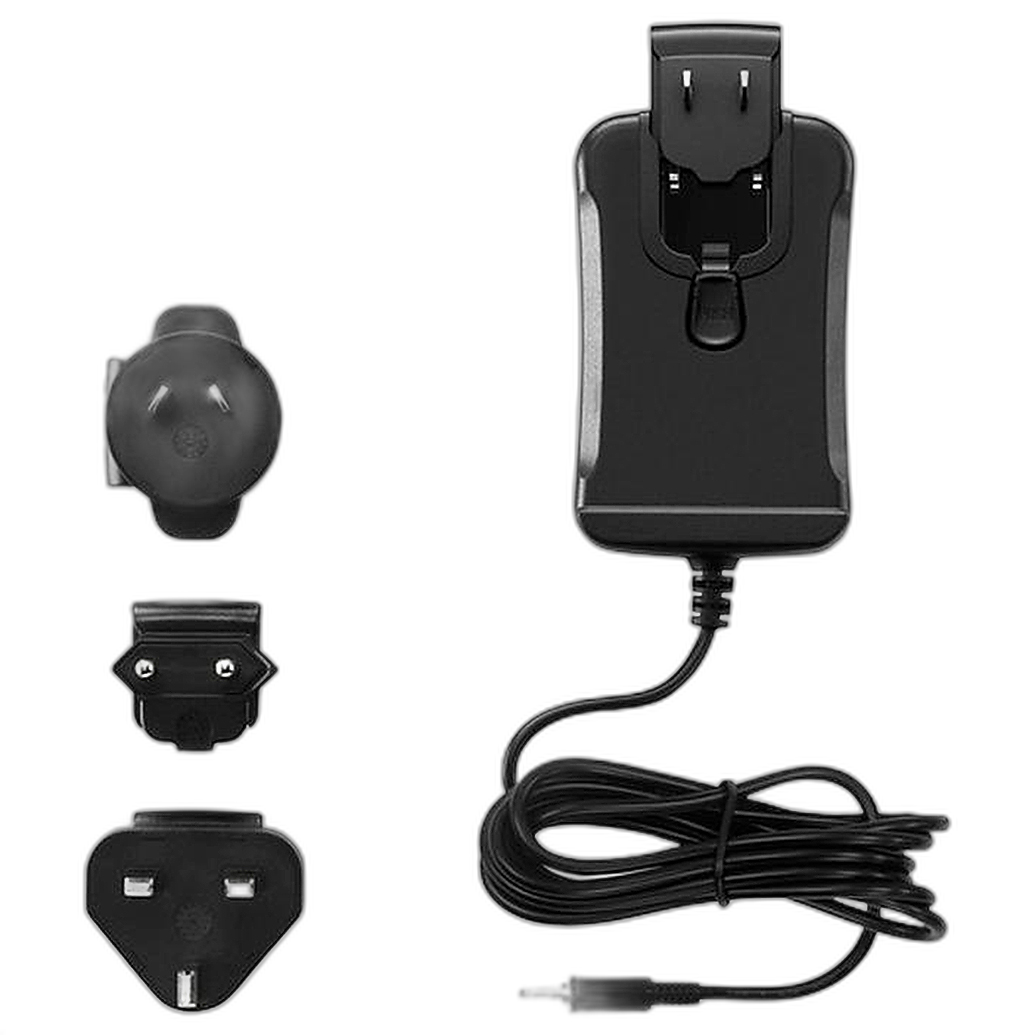
Battery reliability and power options also affect durability in a practical sense. A camera that performs well in mixed temperatures and supports convenient charging methods is much easier to travel with. Power accessories can help keep compact systems ready for longer days. For creators using compatible cinema-oriented tools, options like the Blackmagic Design Power Supply for Pocket Cinema Camera show how supplemental power can support dependable operation on extended shoots.
Travelers investing in higher-end systems may also think beyond physical build and consider long-term protection. Service plans and support options, such as the RED Extended Warranty - KOMODO-X, reflect a broader approach to gear durability and ownership confidence. Unique Photo customers often value that peace of mind when planning demanding travel assignments.
Is weather sealing necessary for travel photography?
Not every travel photographer needs full weather sealing, but many benefit from it. If your trips involve hiking, outdoor adventure, changing climates, or unpredictable street shooting, weather resistance becomes more valuable. If you mostly shoot indoors, in fair weather, or on casual vacations, you may prefer to save weight and budget for better lenses instead.
A good rule is to match durability to your destinations. For tropical environments, dusty roads, waterfalls, snowy city breaks, or coastal travel, weather sealing is a major advantage. For lighter urban travel, careful packing and a protective bag may be enough.
That is why travel photographers often seek a balance rather than maximum ruggedness. A heavily built pro body may survive almost anything, but if it feels burdensome, you may miss moments because you chose not to carry it. Unique Photo often recommends evaluating the real conditions you shoot in rather than simply buying the toughest camera available.
Do travel photographers need in-body image stabilization?
In-body image stabilization, or IBIS, is one of the most useful travel camera features for modern photographers. It helps reduce blur from camera shake, especially in low light, when using slower shutter speeds, or when shooting handheld video.
For travel, IBIS delivers several practical benefits. It can help you photograph interiors, museums, evening street scenes, and handheld landscapes without always increasing ISO dramatically. It also improves flexibility when you want to pack fewer support tools and avoid carrying a tripod everywhere.
For hybrid creators who capture both stills and video, stabilization becomes even more important. Smooth handheld footage, walking shots, and quick documentary clips are easier to achieve when the camera body contributes stabilization. While lens-based stabilization can also be effective, many travelers appreciate the versatility of a body with IBIS across multiple lenses.
If your style leans toward daylight photography with fast shutter speeds, IBIS may not be essential. But for many on-the-go shooters, it is one of the smartest features to prioritize.
How much autofocus performance matters for travel cameras?
Fast and accurate autofocus is critical for travel because so many moments are fleeting. Street scenes, public transit, wildlife sightings, market interactions, and candid portraits all happen quickly. Reliable autofocus helps you react without losing the shot.
Travel photographers often look for eye detection, face detection, subject tracking, and dependable continuous autofocus. These features are especially useful when photographing people in motion or when composing quickly in crowded spaces.
The value of autofocus increases when you are working with compact gear. A small travel setup is often chosen for speed and spontaneity, so a camera that locks focus confidently helps you make the most of that portability. At Unique Photo, autofocus performance is one of the most commonly discussed features among travelers comparing mirrorless systems.
What lens flexibility gives the best balance for travel photography?
The best travel camera is only part of the equation. The right lens setup often determines whether your kit feels practical on the road. Travel photographers generally choose one of three approaches: a versatile zoom, a compact prime-based kit, or a two-lens combination that balances convenience and creative flexibility.
A standard zoom is often the easiest all-around travel choice. It can cover street scenes, portraits, architecture, and landscapes without frequent lens changes. This reduces dust exposure and simplifies your workflow.
A compact prime lens can be ideal if you prioritize portability, low-light performance, and discreet shooting. Many travel photographers love a small 28mm, 35mm, or 50mm equivalent for documentary-style work.
A two-lens setup can provide the best compromise for longer trips: one standard zoom for flexibility and one fast prime for low light or subject separation. The key is resisting the urge to overpack. A lighter kit usually means more energy, faster access, and better shooting consistency.
What storage, battery life, and connectivity features help while traveling?
Travel photographers should not overlook the support features that make daily shooting easier. These may not headline spec sheets, but they matter enormously on the road.
Battery life is one of the top concerns. Long sightseeing days, transit delays, and all-day excursions make strong battery performance highly valuable. USB charging or USB-C power delivery can be especially helpful when you want to top off from a power bank instead of carrying multiple chargers.
Dual card slots may be important for longer or higher-stakes trips. Redundant recording adds peace of mind when you cannot easily reshoot important moments.
Wireless connectivity helps with quick sharing, backups, and travel workflow. The ability to transfer images to a phone can be useful for social posting, communication with clients, or basic backup during long trips.
Menu design and custom buttons also matter more than many people expect. When you are working quickly in unfamiliar places, intuitive controls save time and reduce missed opportunities.
What travel camera accessories improve comfort and protection?
Camera features matter, but the overall shooting experience is shaped by accessories too. A better strap, bag, and power setup can make a noticeable difference in comfort during long travel days.
The PGYTECH Camera Strap Slim - Vintage-Olive Green is the kind of accessory many travelers appreciate because it helps reduce strain and keeps a camera ready without adding bulk. A slim, comfortable strap encourages you to keep the camera accessible instead of packed away.
Likewise, a purpose-built travel bag can protect gear while making it easier to move through airports, streets, and hiking paths. The Nomatic Luma Camera Pack 18L - Stone stands out as a practical example for photographers who want an organized, streamlined travel carry option. At Unique Photo, many customers find that upgrading their carry system improves their travel photography as much as upgrading the camera body itself.
Should you prioritize a smaller camera or a tougher camera for travel?
This is one of the most common travel photography debates. In many cases, the best answer is to choose the smallest camera that still feels dependable for your shooting conditions. If a compact body offers the image quality you need, reliable autofocus, useful stabilization, and decent weather resistance, it may be the better travel tool than a heavier professional body.
However, if your travel involves challenging environments, commercial work, or extended outdoor shooting, durability may deserve greater priority. A more robust body can be worth the extra weight when failure is not an option.
For most enthusiasts and many professionals, the sweet spot is a mid-sized mirrorless system with a versatile lens, strong battery strategy, and a comfortable bag. That combination usually delivers the best balance of image quality, portability, and durability.
How travel photographers can choose the right feature balance
To choose the right travel camera, start by asking a few practical questions:
- Will you shoot mostly landscapes, street scenes, portraits, or video?
- How much walking or transit will you do each day?
- Will you travel in rain, dust, snow, or humid climates?
- Do you need professional redundancy like dual card slots?
- Are you willing to carry multiple lenses, or do you want one-lens simplicity?
Your answers will quickly reveal which camera features matter most. Some travelers should emphasize low-light image quality. Others should prioritize compact size, weather resistance, stabilization, or battery life. There is no single best travel camera for everyone, but there is a best feature balance for your style of travel.
At Unique Photo, that is often how experienced photographers approach gear decisions: not by chasing the biggest spec sheet, but by building a system that works reliably and comfortably in the real world.
Conclusion: the best travel camera features are the ones you will actually use
The best travel photography setup balances image quality, portability, and durability in a way that supports how you actually shoot. For many travelers, the winning formula includes a capable sensor, strong autofocus, stabilization, reasonable weather resistance, efficient power options, and a lightweight carry setup. The goal is not maximum specs in every category. The goal is confidence, consistency, and comfort while exploring.
Unique Photo is a great place to compare travel-ready gear, from camera bags and straps to power accessories and protection plans that support demanding shooting schedules. If you are planning your next trip, consider exploring internal content such as a mirrorless camera buying guide, a travel camera bag comparison, a lens selection guide for vacation photography, or tips for protecting camera gear in harsh weather. Those resources can help you refine the ideal setup before you hit the road.