Best Budget Portrait Lenses: Primes vs Zooms and Vintage Options
Choosing a portrait lens on a budget can feel overwhelming, but a few smart choices will elevate your images fast. As New Jersey’s trusted camera retailer, Unique Photo helps you balance price, quality, and usability—whether you prefer modern autofocus lenses or character-rich vintage glass.
Which focal lengths deliver flattering portraits when you’re watching your budget?
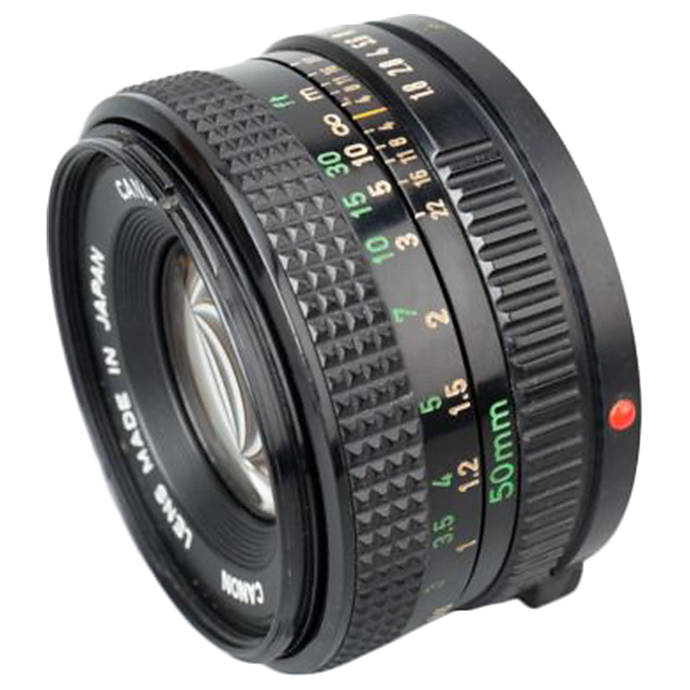
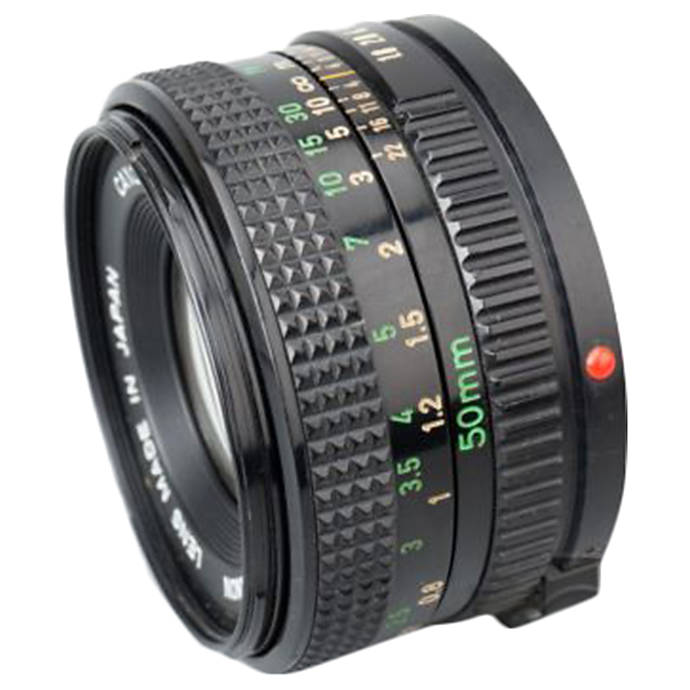
On full-frame, 50mm to 105mm tends to flatter facial features and provides comfortable working distance. APS-C shooters can look at 35mm and 50mm; Micro Four Thirds users might consider 25mm and 45mm equivalents. A classic, budget-friendly approach is a 50mm prime—it’s versatile for head-and-shoulders, half-body, and environmental portraits, and often costs less than longer telephoto primes. If you’re exploring vintage glass to save money, a used nifty-fifty is a fantastic starting point. For example, our used department frequently carries affordable options like the Canon FD 50mm f/1.8, which adapts well to many mirrorless bodies with the right adapter.
Are primes always better than zooms for portraits?
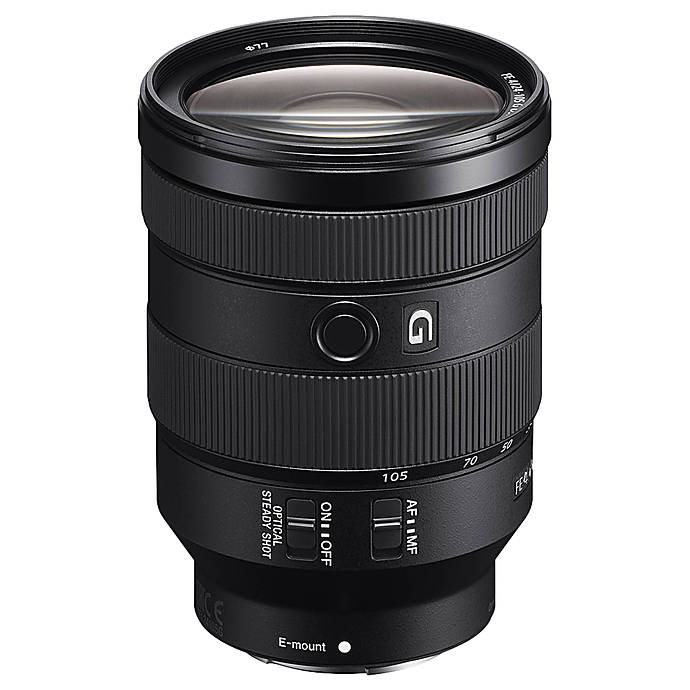
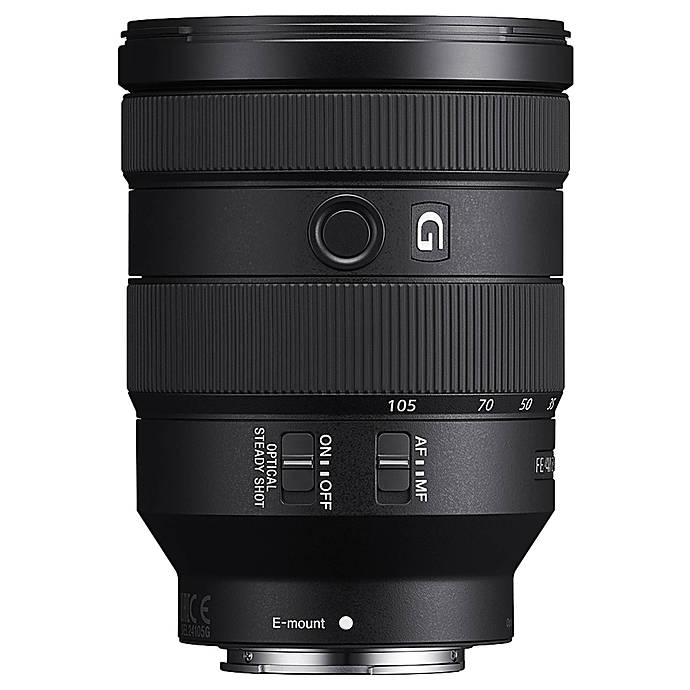
Primes typically offer wider apertures (f/1.8, f/1.4), making background blur easier and giving you more low-light flexibility. They’re also compact and encourage mindful composition. Zooms, however, win on convenience: you can quickly reframe without moving, which is invaluable for events or dynamic sessions. If you need a single lens that handles portraits plus everyday shooting, a versatile mid-range zoom like the Sony FE 24–105mm f/4 G OSS provides excellent sharpness, reliable autofocus, and covers the classic portrait range at the telephoto end.
How do third-party lenses compare to native brand lenses?
Third-party lenses from major manufacturers can deliver outstanding performance and value. You might see advantages in price and features, while native-brand lenses often lead in autofocus consistency, long-term firmware support, and overall integration. Our advice: define your priorities—aperture, stabilization, weight, price—then test focus speed, tracking, and image quality with your camera body. Unique Photo’s team is happy to guide you, and our rental and used departments can help you try before you buy or save with pre-owned gear.
Is f/4 fast enough to get creamy background blur?
Yes—with technique. Use longer focal lengths, increase subject-to-background distance, and position your subject away from busy textures. On a lens like the Sony FE 24–105mm f/4 G OSS, moving to 85–105mm and giving the background space can create pleasing separation, even at f/4. If you shoot outdoors, look for uniform backdrops (trees, walls) and keep your subject a few feet away from them to maximize blur.
Can wide-angle lenses work for environmental portraits?
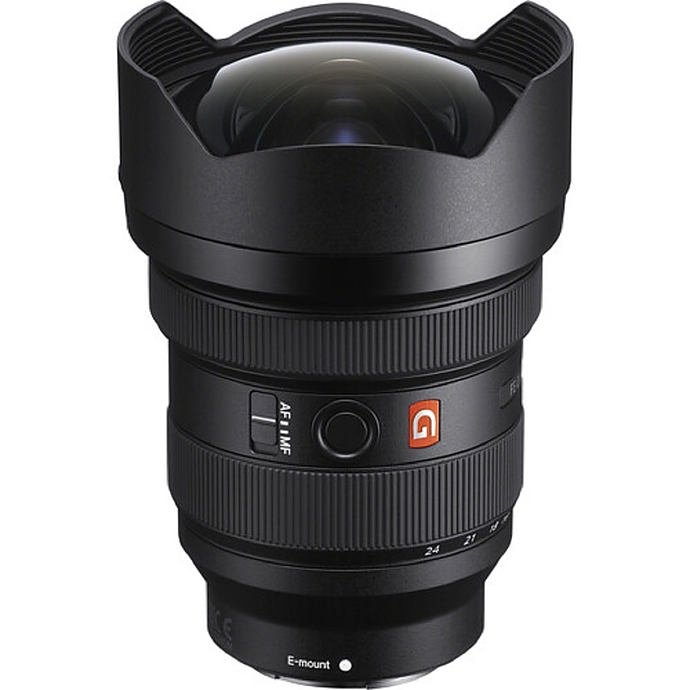
They can—used thoughtfully. Wide angles emphasize perspective and can distort features if you’re too close, so give your subject space and keep them near the center of the frame. Ultra-wides are great when the environment is part of the story, like dramatic architecture or expansive interiors. For creative environmental portraits on Sony full-frame, the Sony FE 12–24mm f/2.8 GM offers top-tier sharpness and a bright aperture, letting you blend ambient light with flash or shoot in dim interiors.
Are vintage/manual lenses worth it for portraits?
Absolutely, especially if you’re budget-conscious and enjoy a slower, deliberate workflow. Vintage primes provide distinctive rendering and can be remarkably affordable. Expect manual focus and manual aperture control; mirrorless bodies with focus peaking make this practical for portraits. Before buying, confirm mount compatibility and consider the cost of a quality adapter. A used favorite we often recommend to beginners is the Canon FD 50mm f/1.8—compact, fast, and a classic look that’s easy on the wallet.
What else should I invest in to make budget portraits look professional?
Lighting and technique matter as much as the lens. A simple off-camera flash, reflector, or softbox can dramatically improve skin tones and separation from the background. If you want a fast-track to results, consider hands-on education. Our Unique University class “Portrait Lighting Made Easy with Joel Grimes” walks you through practical setups you can recreate affordably at home or on location.
What’s the smartest budget path: one prime or a do-it-all zoom?
If portraits are your main focus and you love background blur, start with a 50mm or 85mm prime. If you need flexibility for travel, family, and occasional portraits, a high-quality mid-range zoom like the Sony FE 24–105mm f/4 G OSS can be the better value over time. Many photographers eventually add a fast prime to complement a zoom—giving you both versatility and subject-isolating power.
Ready to build your portrait kit? Visit Unique Photo online or in-store to compare lenses side by side, explore our used inventory for budget-friendly finds, and level up your lighting with our classes. Our experts are here to help you choose confidently and shoot beautifully.