Best All-Around Travel Camera in 2024: Expert FAQ and Gear Tips
Travel photography is all about striking the right balance between portability, reliability, and image quality. As you plan your next trip, here are the key questions we hear most at Unique Photo—and our expert guidance to help you choose the right camera and accessories for the journey.
Which travel cameras balance size, features, and image quality best in 2024?
For most travelers, compact mirrorless systems offer the best balance of portability and performance. APS-C bodies are light and fast, while modern full-frame options provide exceptional low-light results and dynamic range with only a modest size increase. If you prioritize pockets over pouches, premium compact cameras with larger sensors are excellent for on-the-go shooting in cities and museums. Not sure what suits your itinerary? Visit Unique Photo to compare weight, IBIS availability, autofocus capabilities, and lens ecosystems side by side before you buy.
How important is weather sealing for travel photography?
It’s very important if you’ll face unpredictable conditions—think misty coastlines, desert dust, or tropical rain. Weather-sealed camera bodies and lenses help prevent moisture and debris from reaching sensitive components. Pair your gear with a protective, travel-focused pack to keep everything organized and shielded from the elements. We recommend a compact daypack with thoughtful organization for quick access and a snug fit on crowded streets or trails.
Is a compact camera worth it versus carrying an interchangeable-lens system?
It depends on your priorities. A compact camera wins for simplicity and stealth—great for street photography, restaurants, and museums where discretion matters. Interchangeable-lens systems give you creative flexibility: swap to an ultra-wide for architecture, a fast prime for low light, or a telephoto for wildlife. If you prefer an ultralight kit, a small mirrorless body and a single versatile zoom (e.g., travel zoom covering wide to short tele) can be the best of both worlds. Add a comfortable, low-profile strap to make any setup more travel-friendly; a slim strap helps keep your camera secure without adding bulk.
Should I prioritize battery life or image quality when choosing a travel camera?
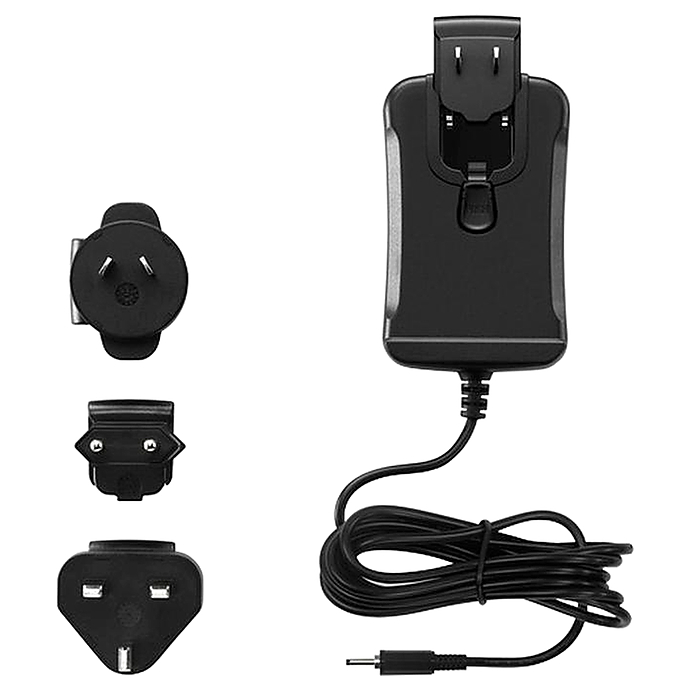
Prioritize image quality if photography is a primary goal and you’re willing to carry spares; prioritize battery life if you travel light and shoot casually throughout the day. Today’s mirrorless cameras are efficient, but video, high frame rates, and constant EVF use drain batteries faster. Carry extra batteries and a compact charger, and consider external power solutions if you shoot video extensively. For filmmakers traveling with a Pocket Cinema Camera, a reliable AC power supply is useful in hotels or studio spaces along the way.
What lenses are most useful for travel?
A single all-in-one zoom is the easiest option for convenience. Otherwise, a two-lens combo covers most scenarios: an ultra-wide or wide zoom for landscapes and interiors, and a fast normal prime (e.g., 35mm or 50mm equivalent) for low light and portraits. If wildlife or distant subjects are on your itinerary, add a compact telephoto. When you’re packing light, choose lenses with built-in stabilization or pair them with bodies offering IBIS to keep your shutter speeds up without raising ISO too high.
How much does stabilization (IBIS or OIS) matter for travel?
Stabilization is extremely helpful, especially in dim locations where tripods aren’t practical. IBIS helps all lenses, including primes, while OIS in lenses can be more effective at longer focal lengths. For city walks, indoor scenes, or handheld twilight shots, stabilization lets you keep ISO lower and maintain sharpness. If video is part of your travel plan, stabilization also smooths handheld footage—pair it with good shoulder support and a comfortable strap to reduce fatigue.
What carrying solution keeps a travel kit light and secure?
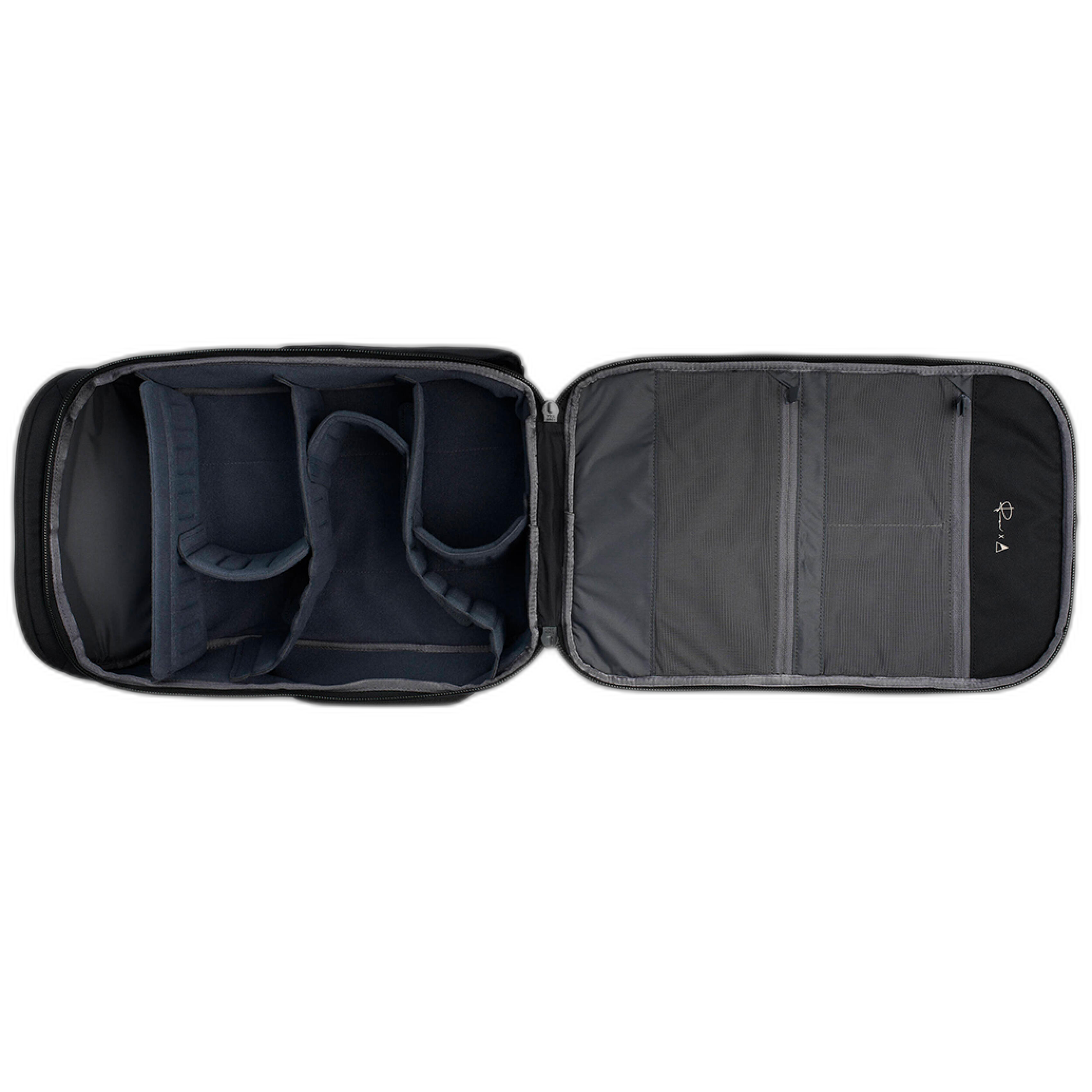
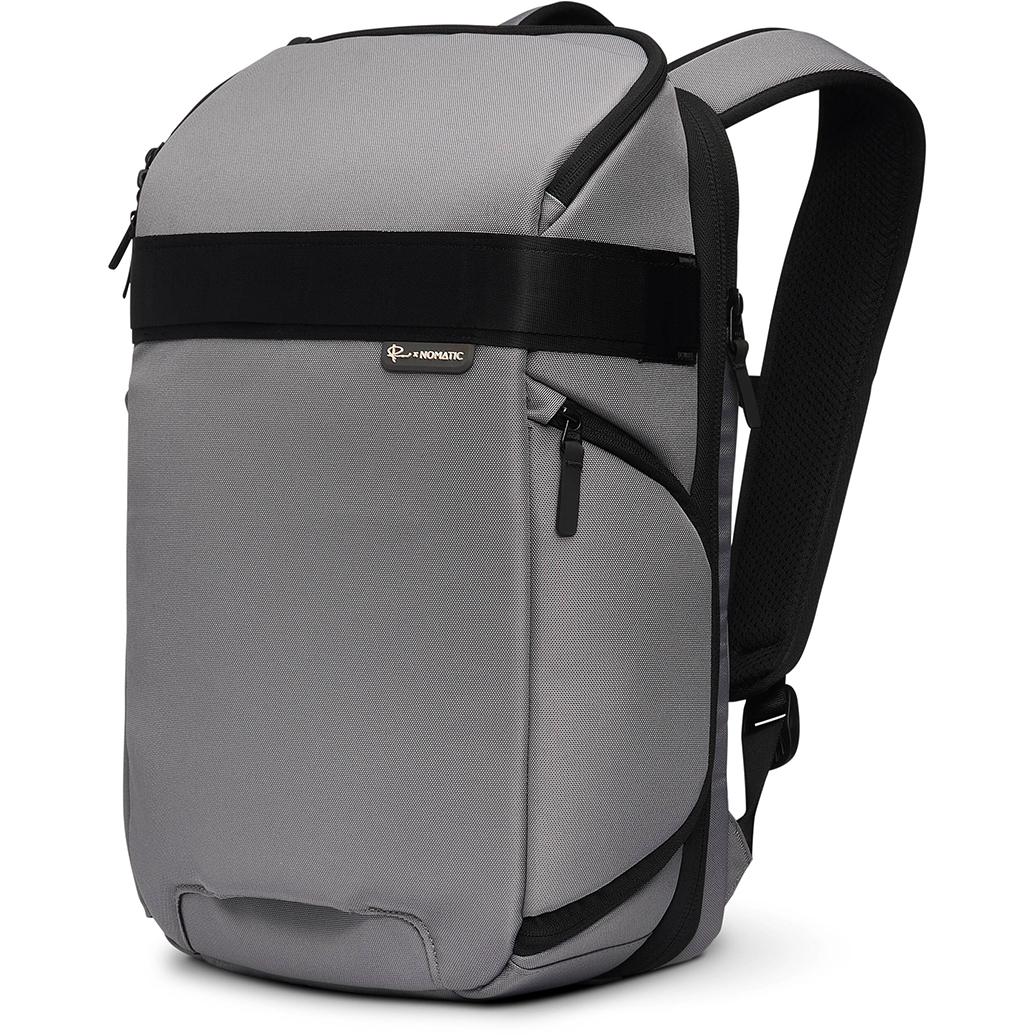
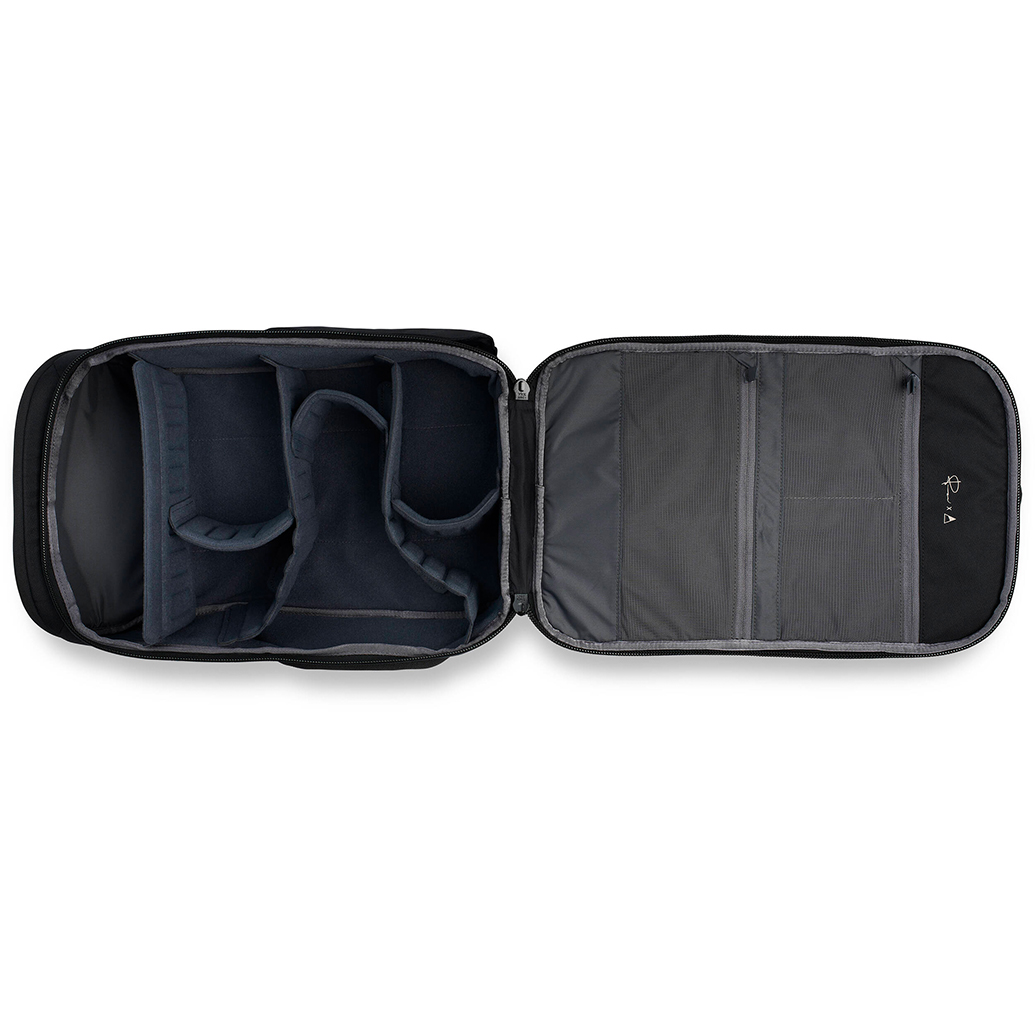
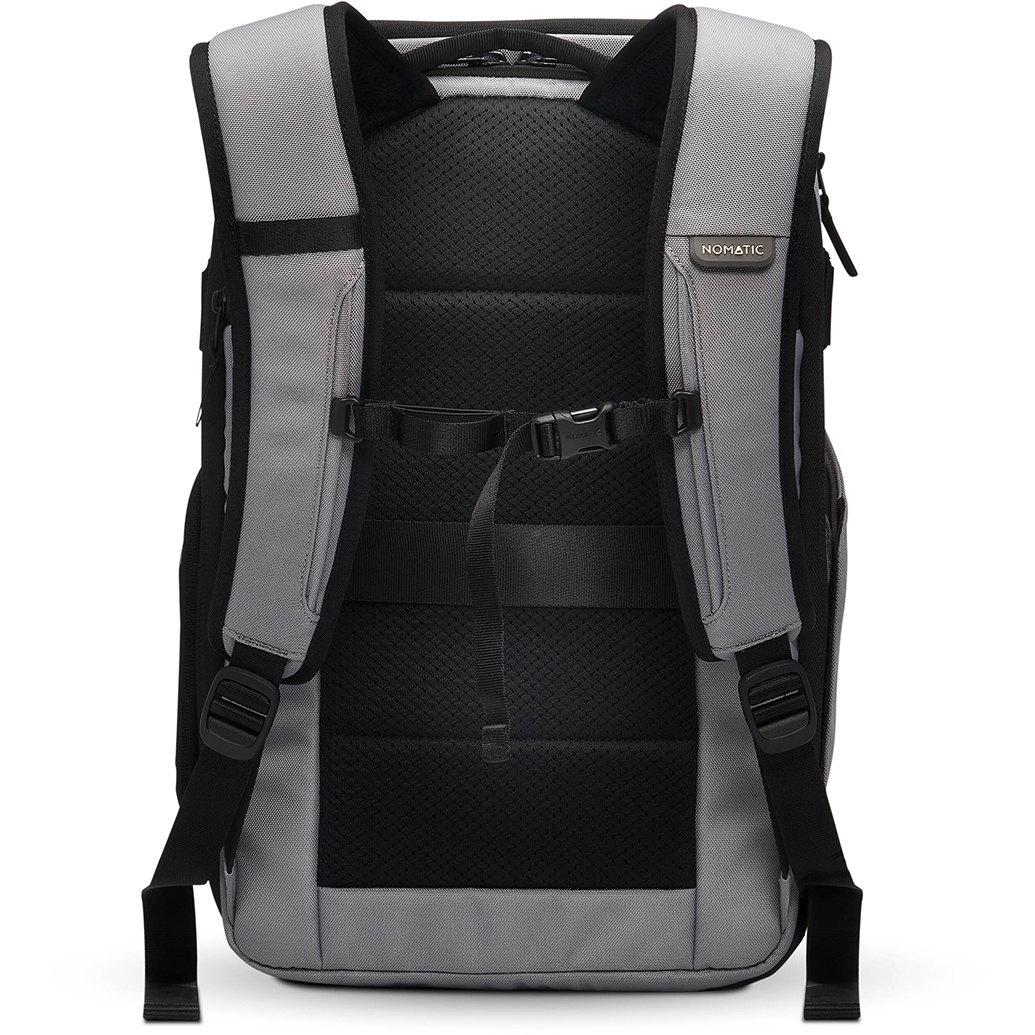
A compact pack with smart organization helps you move fast while keeping gear safe. Look for quick-access top compartments, internal dividers that fit your camera and a couple of lenses, and side pockets for water or a small tripod. The Nomatic Luma Camera Pack 18L is sized perfectly for day trips—streamlined enough for flights and trains, with room for your essentials and a tablet or small laptop.
Complement your pack with a comfortable slim strap for long days on foot. The PGYTECH Camera Strap Slim - Vintage-Olive Green offers a low-profile design that’s easy to adjust and blends in with everyday wear.
Are warranties worth it for travel cameras?
Yes—warranties provide peace of mind when your camera is exposed to varied conditions and frequent handling. If you’re buying a new camera, consider brand-backed coverage like the Nikon Care 2-Year Camera Warranty. Cinematographers traveling with RED systems should explore coverage aligned to their camera purchase window for worry-free production on the road.

What if I want a unique travel experience with film?
Film cameras add charm and a slower, intentional pace to travel photography. Instant cameras like the Polaroid SX-70 are great for sharing tangible memories on the spot, while vintage classics offer a distinctive look and feel. Just remember to plan for film availability, light meter needs, and careful packing. If you’re traveling primarily for documentary or street photography, film can be a rewarding addition to your digital setup.
Ready to build your perfect travel kit? Visit Unique Photo online or in-store to compare camera options, try on bags and straps, and choose the accessories and warranties that match your itinerary. Our experts will help you maximize portability, durability, and image quality—so you come home with the shots you planned and a few unforgettable surprises.