Affordable Video Camera Options for Newcomers
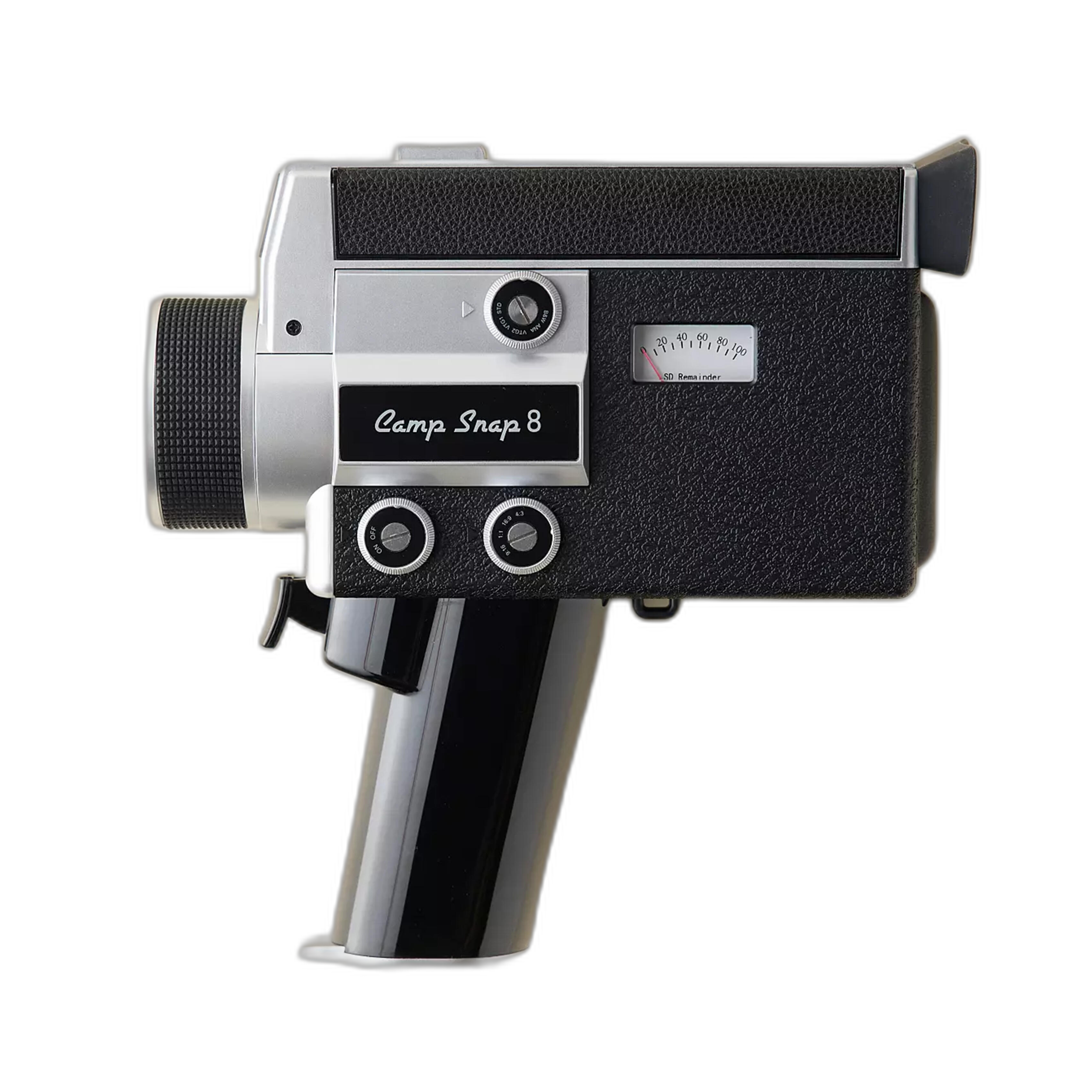
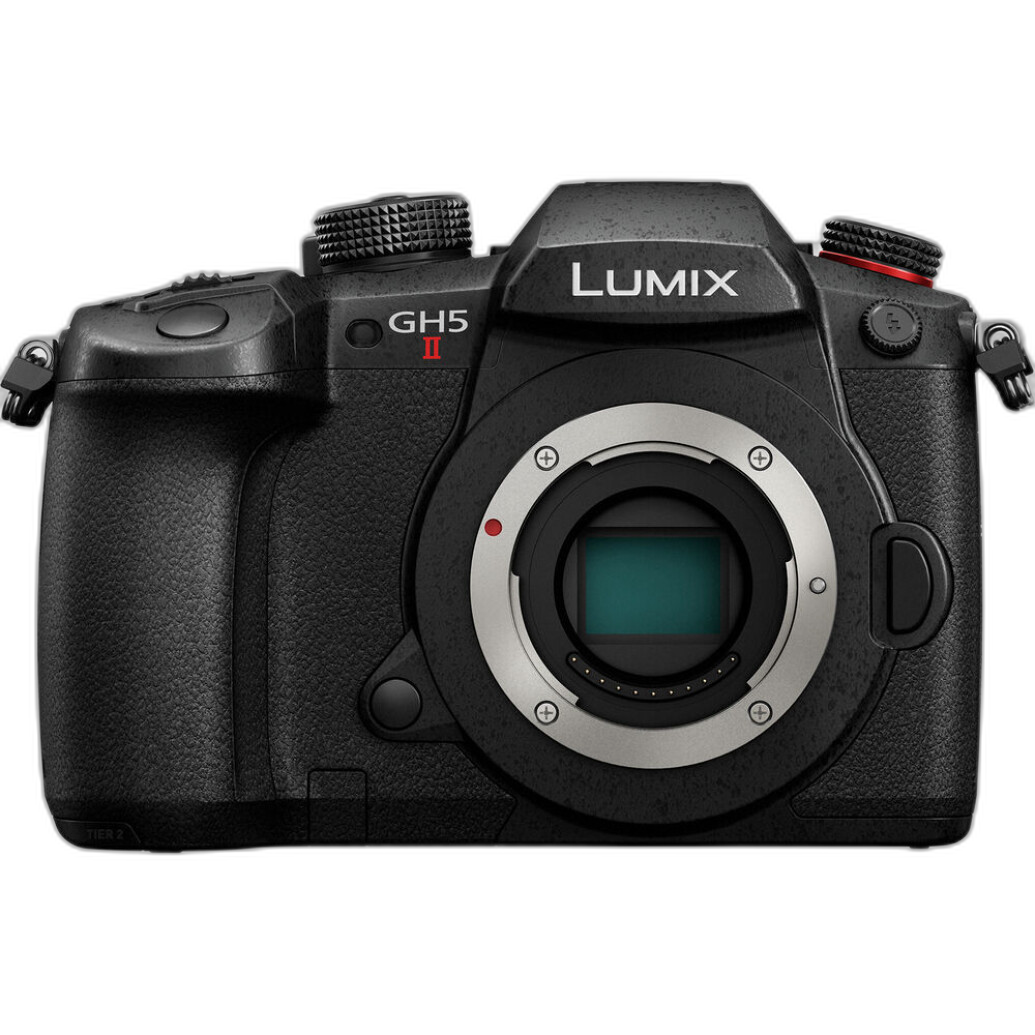
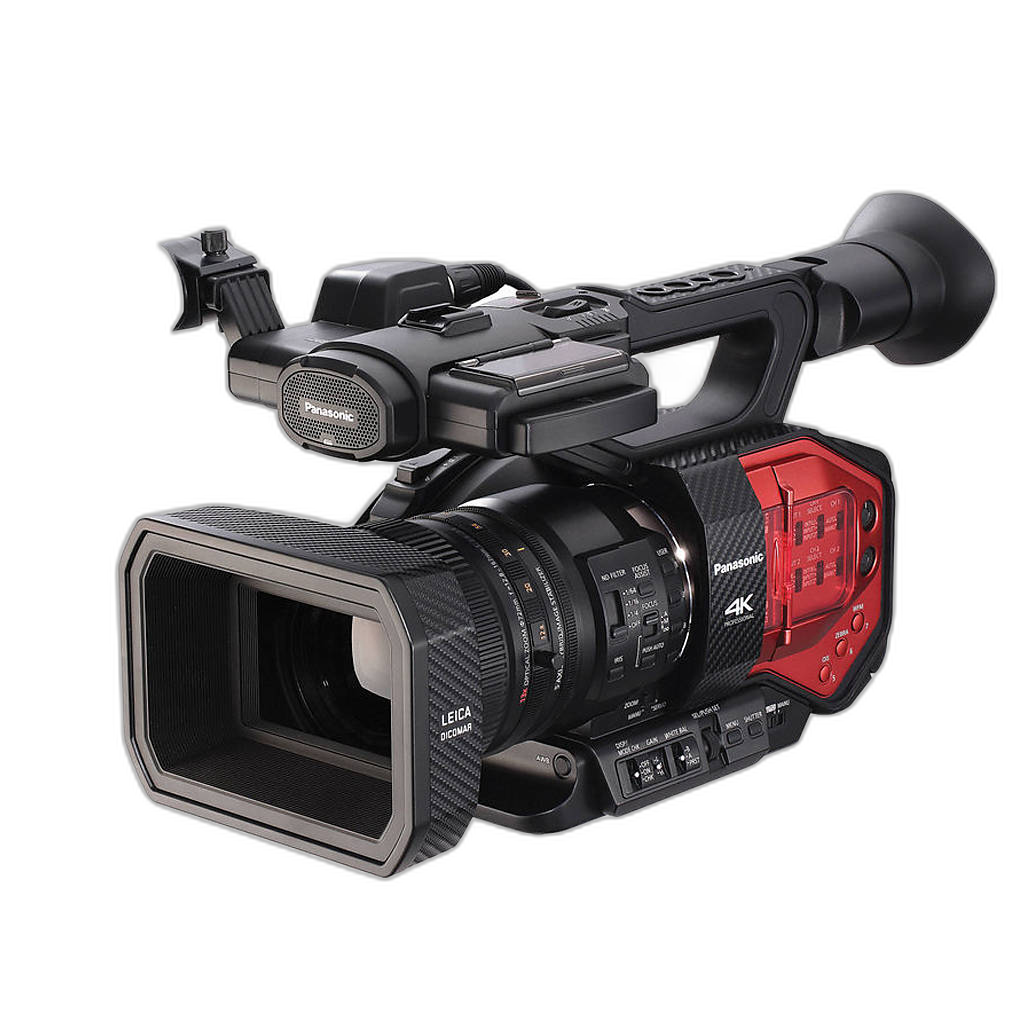
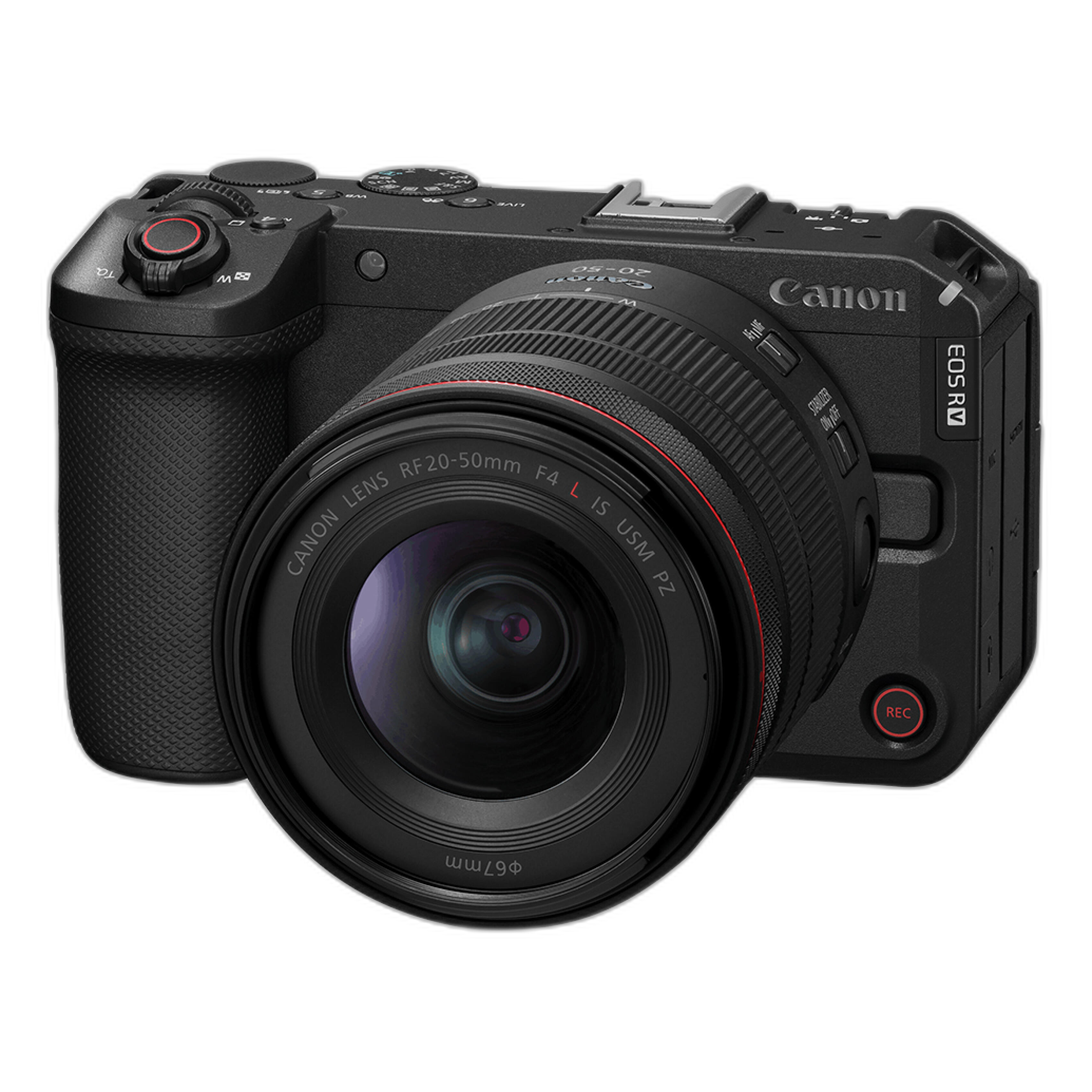
If you are shopping for your first serious video camera, the choices can feel surprisingly broad. Some newcomers want the lowest-cost way to start recording right away, while others are trying to decide whether it makes more sense to buy older pro video technology, a newer mirrorless hybrid camera, or stretch toward a full-frame setup. In this comparison, we are looking at four very different approaches to beginner-friendly video: the Camp Snap CS-8 Digital Video Camera, the Panasonic LUMIX GH5M2, the Panasonic AG-DVX200, and the Canon R6 V.
This is a useful comparison because it highlights the real tradeoffs newcomers face: budget vs performance, all-in-one convenience vs lens flexibility, older but video-centric design vs newer hybrid features, and Micro Four Thirds vs larger sensor formats. If you are trying to figure out what actually makes sense for learning video without overspending, this head-to-head should help.
Side-by-Side Comparison
| Model | Camera Type | Sensor Format | Lens Approach | Best For | Main Advantage | Main Drawback |
|---|---|---|---|---|---|---|
| Camp Snap CS-8 | Digital video camera | Not specified / compact-style | Built-in lens style | Absolute beginners on a tight budget | Simple, approachable, affordable entry point | Limited growth potential and image flexibility |
| Panasonic LUMIX GH5M2 | Mirrorless camera | Micro Four Thirds | Interchangeable lenses | Beginners who want to learn proper video technique | Strong video-focused hybrid platform with lens flexibility | Requires extra investment in lenses and accessories |
| Panasonic AG-DVX200 | Handheld camcorder | 4/3-type sensor | Integrated zoom lens | Users who want an all-in-one video tool | Camcorder ergonomics and built-in zoom convenience | Older design compared to newer hybrids |
| Canon R6 V | Mirrorless camera | Full-frame | Interchangeable lenses / kit option with power zoom | Beginners ready to invest in newer full-frame video | Modern feature set and larger sensor look | Higher cost than entry-level options |
What Makes These Cameras So Different?
At a glance, these four products can all be used for video, but they are aimed at very different users. The Camp Snap CS-8 is the low-pressure starting point. The GH5M2 is a classic recommendation for creators who want to learn interchangeable-lens filmmaking on a more affordable sensor format. The DVX200 represents older-school professional camcorder thinking, where reliability, zoom range, and ease of operation matter more than chasing the newest body design. The Canon R6 V pushes toward a newer, more premium hybrid experience with a full-frame sensor and a more cinematic path forward.
Price-to-Performance for Beginners
For pure affordability, the Camp Snap CS-8 is the easiest entry. It is the kind of option that makes sense if you want to start shooting immediately and do not want to learn lenses, rigs, codecs, or system compatibility on day one. The tradeoff is obvious: once you begin wanting better low-light performance, more control over depth of field, or a more polished image, you will likely outgrow it quickly.
The Panasonic GH5M2 is often where “affordable” becomes “serious.” It is not the cheapest way to start, but it is one of the more sensible ways to invest in a camera that can teach you real video skills while still remaining relatively accessible compared to full-frame systems. You do need lenses, batteries, media, and possibly audio accessories, but the platform offers more room to grow.
The Panasonic DVX200 can be interesting for budget-conscious buyers if they are open to older pro gear. Because it combines a larger sensor than many traditional camcorders with an integrated zoom lens and camcorder-style handling, it can still offer real value. Newcomers who prioritize convenience may find it easier to use than a mirrorless body with a pile of accessories.
The Canon R6 V is the least “budget beginner” choice here, but it appeals to buyers who would rather buy newer tech once instead of upgrading multiple times. If you know you want a more advanced system and the full-frame look matters to you, it may be worth the higher starting cost.
Older Video Tech vs Newer Hybrid Cameras
This is one of the biggest decision points for newcomers. The Panasonic AG-DVX200 represents an older but still highly practical philosophy: give the user a dedicated video body, physical controls, a built-in zoom, and a workflow centered on recording video efficiently. For events, interviews, documentary-style shooting, and run-and-gun learning, that approach can still be excellent.
By contrast, the GH5M2 and Canon R6 V reflect newer hybrid camera design. These bodies are more flexible in some ways and can deliver a more modern user experience, especially if you want to mix stills and video, swap lenses, or build a more customized kit. The downside is that hybrids often require more add-ons before they feel as comfortable as a camcorder for long-form production.
For newcomers, older tech is not automatically a bad thing. In fact, older professional video gear can be easier to learn on because it was designed with videographers in mind from the start. Newer cameras often offer better processing, newer autofocus behavior, and more system flexibility, but they may demand more knowledge and more accessories.
Sensor Format: Compact, Micro Four Thirds, 4/3, and Full Frame
Sensor format plays a major role in both image style and system cost. The Camp Snap CS-8 is the most basic option here and is best thought of as a convenience-first camera rather than a sensor-driven creative tool. It can get you recording, but it is not really the model to choose if you are specifically shopping for sensor aesthetics.
The Panasonic GH5M2 uses a Micro Four Thirds sensor. For newcomers, this format has real advantages: lenses can be smaller, the system can be more affordable overall, and you still get interchangeable-lens creative control. Micro Four Thirds is especially attractive for learners who want a balance of quality, portability, and manageable cost.
The Panasonic DVX200 uses a 4/3-type sensor in a camcorder form factor. That makes it an interesting middle ground. You get a larger-sensor look than many traditional small-sensor camcorders, but with the speed and convenience of a built-in zoom lens. It is a strong option for users who want to avoid building a lens collection right away.
The Canon R6 V steps up to full frame. For many shoppers, this is the aspirational format because of its low-light potential and shallower depth of field. But beginners should also remember that full frame usually means bigger investment in lenses and support gear. If budget is a major concern, Micro Four Thirds may actually be the smarter format to start with.
Ease of Use and Learning Curve
The simplest camera here is the Camp Snap CS-8. If the goal is to remove intimidation, it wins. There is value in a camera that lets a newcomer focus on framing, timing, and storytelling first.
The DVX200 is arguably the easiest “serious” video camera for many beginners because the camcorder layout is inherently video-first. You get the convenience of an integrated zoom and a body shape intended for recording, not just photography. If you want to shoot interviews, school projects, local events, or documentary footage without obsessing over which lens to buy first, the DVX200 makes a lot of sense.
The GH5M2 has a steeper learning curve than a simple camcorder, but it rewards that effort. It is a better fit for beginners who know they want to learn exposure, lenses, stabilization choices, and how different focal lengths affect visual storytelling.
The Canon R6 V can be easy to appreciate but expensive to fully exploit. It is well suited to newcomers who are already committed to growing into a more advanced setup.
Lens Flexibility vs All-in-One Convenience
If you do not want to think about lenses yet, the Camp Snap CS-8 and Panasonic DVX200 are the friendlier choices. They lower the barrier to entry and keep your kit simple.
If you want a system that can evolve with you, the GH5M2 and Canon R6 V are much stronger long-term investments. The GH5M2 is especially compelling because Micro Four Thirds lenses can be a practical and cost-conscious way to build a video kit. The Canon system gives you the benefits of full frame and a more premium path, but at a higher entry cost.
Our Pick
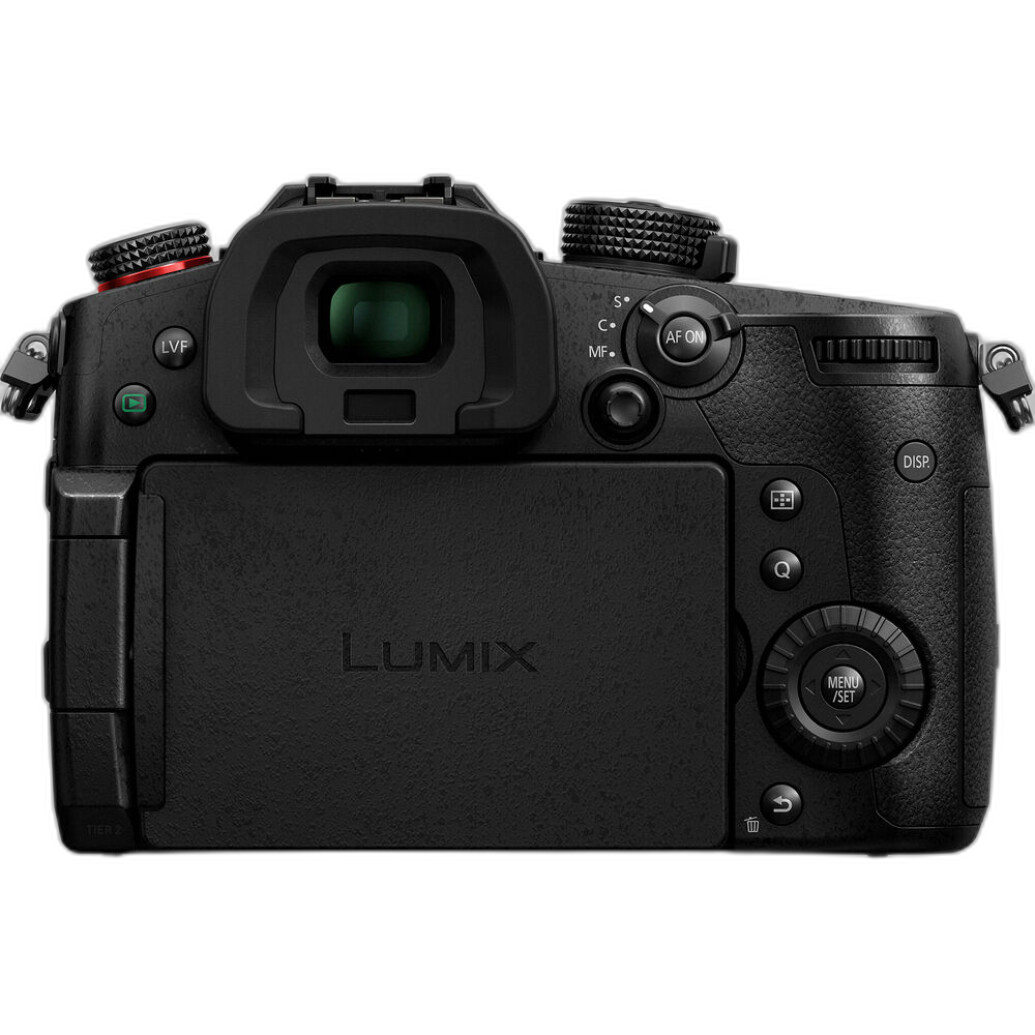
Our Pick for Most Newcomers: Panasonic LUMIX GH5M2
For most beginners looking for an affordable but genuinely capable video camera, the Panasonic LUMIX GH5M2 is the best balance of price, learning potential, image quality, and system flexibility. It avoids the limitations of ultra-basic entry cameras, costs less to build around than most full-frame options, and gives newcomers room to grow with lenses, audio, and accessories over time. If you want the simplest possible route, the Camp Snap CS-8 is easier. If you want camcorder convenience, the DVX200 is still compelling. But as the best overall value for learning serious video without going too far upmarket, the GH5M2 stands out.
Final Thoughts
The best beginner video camera depends on what kind of newcomer you are. If you want the absolute lowest-pressure starting point, choose the Camp Snap CS-8. If you want a balanced and affordable interchangeable-lens video platform, the Panasonic GH5M2 is the strongest overall choice. If you prefer the practicality of older dedicated video technology, the Panasonic AG-DVX200 still deserves serious attention. And if you are ready to invest in newer full-frame performance, the Canon R6 V offers the most premium path of the group.
No matter which direction you choose, shopping with Unique Photo makes it easier to compare modern hybrids, classic camcorder options, and beginner-friendly video gear in one place.