Best 35mm Color Film Stocks for Beginners in 2024
If you're just getting into 35mm film photography, choosing the right color film stock can make the learning process much easier. Beginners usually want film that is affordable, forgiving with exposure, easy to scan or print, and widely available. In this comparison, we look at the most beginner-friendly types of 35mm color film in 2024 and break down where each one shines, from everyday negative film to more saturated options and slide film.
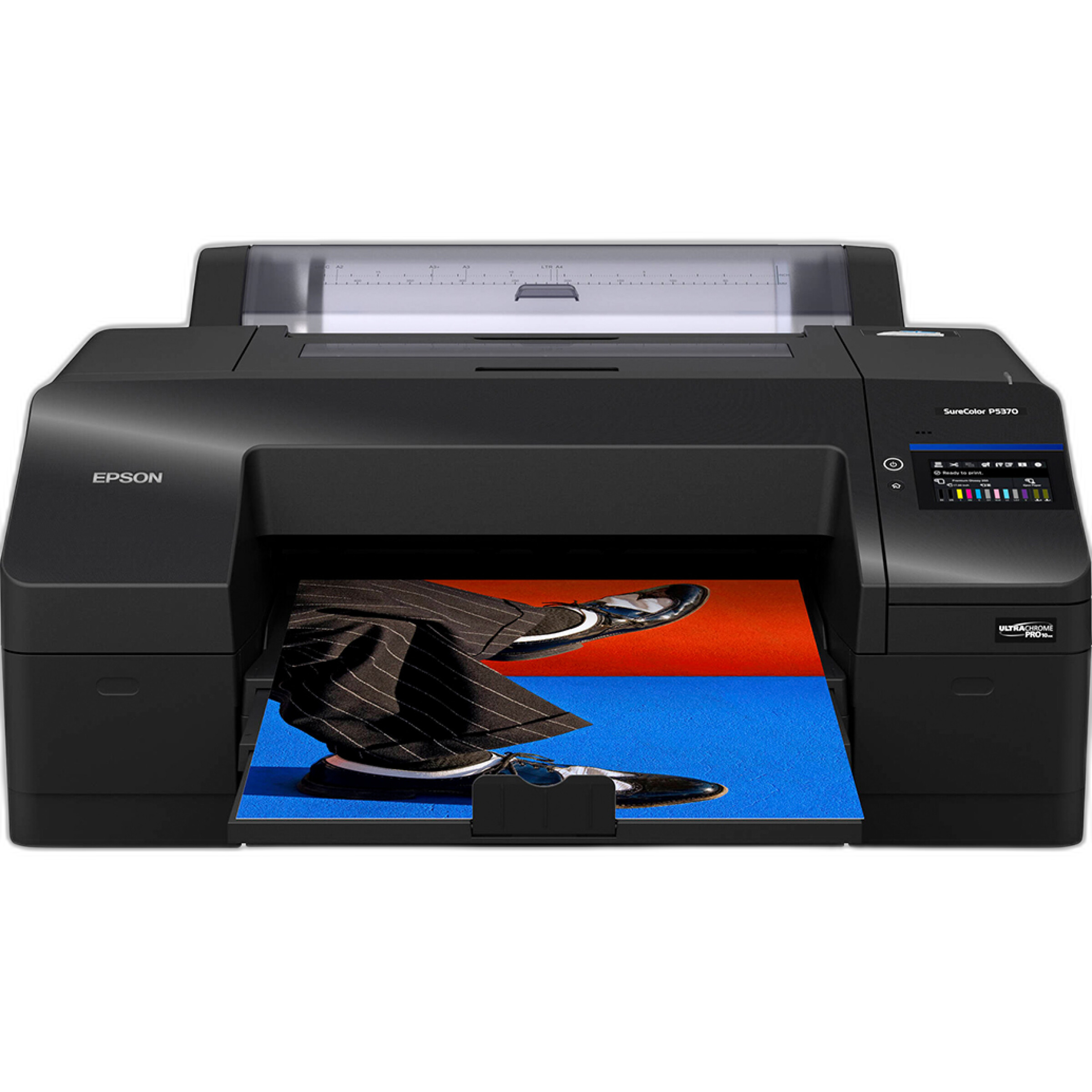
While film itself is the focus, getting started also means having the right gear and output workflow. A simple compact camera can make learning easier, and once your rolls are developed, printing matters too.
Side-by-Side Film Stock Comparison
| Film Stock | Type | ISO | Color Profile | Exposure Latitude | Beginner Friendliness | Best Use |
|---|---|---|---|---|---|---|
| Kodak Gold 200 | Color Negative | 200 | Warm, classic, nostalgic | Very forgiving | Excellent | Daylight, travel, casual shooting |
| Kodak Ultramax 400 | Color Negative | 400 | Warm, punchy, versatile | Very forgiving | Excellent | General use, mixed light, indoors with flash |
| Fujifilm 400 | Color Negative | 400 | Balanced, slightly cooler greens/blues | Forgiving | Very good | Outdoor scenes, everyday photography |
| Kodak ColorPlus 200 | Color Negative | 200 | Soft, budget-friendly, warm | Forgiving | Excellent | Practice rolls, bright conditions |
| Cinestill 400D | Color Negative | 400 | Cinematic, halation, stylized | Moderately forgiving | Good | Creative street, night, neon |
| Kodak Ektar 100 | Color Negative | 100 | Highly saturated, fine grain | Moderate | Good | Landscapes, travel, bright daylight |
| Fujifilm Velvia 50 | Slide Film | 50 | Very saturated, vivid | Low | Not ideal | Advanced landscape work |
How We Compare Beginner Film Stocks
For beginners, the most important factors are exposure latitude, consistency, cost, and whether the film looks good in a wide range of situations. Color negative film usually wins here because it tolerates overexposure well and is easier to work with than slide film. Lower-cost stocks are especially helpful when you are still learning metering, loading, and scanning.
Best Overall Ease of Use
Kodak Gold 200 and Kodak Ultramax 400 are the easiest recommendations for most first-time film shooters. Gold 200 gives you that classic warm color palette with attractive skin tones and a familiar “film look.” Ultramax 400 is even more flexible because the extra speed helps in changing light and makes handheld shooting easier.
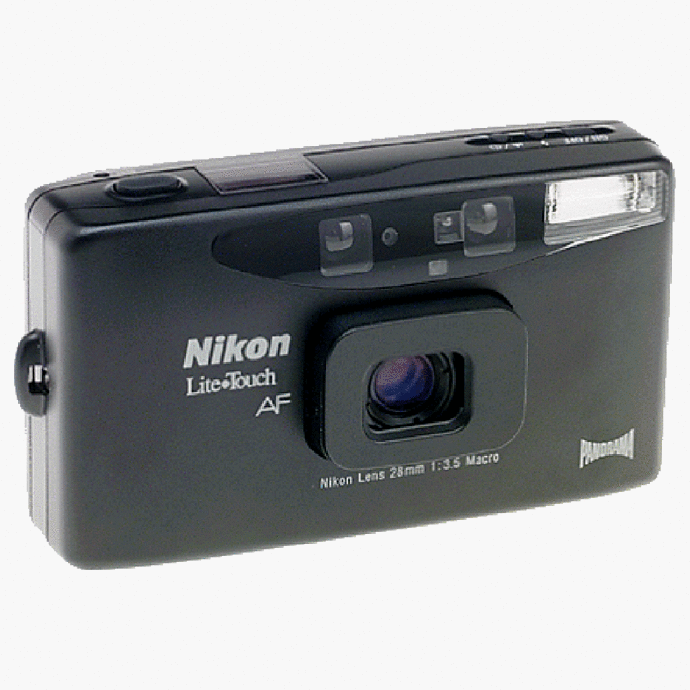
If you are using a compact automatic camera like the Nikon Light Touch 35mm point-and-shoot, ISO 400 film is especially beginner-friendly because it gives you more room to shoot indoors, in shade, or on overcast days without as much risk of blur.
Best Budget Choice
Kodak ColorPlus 200 is one of the best low-cost entry points into color film. It does not have the same polish or consistency as premium emulsions, but that is also why it works well for learning. It rewards good daylight exposure, keeps costs down, and encourages experimentation.
For a new film shooter trying to build confidence, a budget stock like ColorPlus can be ideal for practice rolls before moving into more expensive options.
Best for Versatility
Kodak Ultramax 400 stands out when you want one roll to do almost everything. It handles a broad range of lighting situations, offers punchy color, and generally scans well. If a beginner asks for just one film to start with, Ultramax 400 is often the safest answer.
Fujifilm 400 is another strong everyday option, with a color signature that many shooters describe as a bit cleaner or cooler than Kodak’s consumer films. Availability can vary, but when you find it, it is a very approachable stock for general photography.
Best for Fine Grain and Rich Color
Kodak Ektar 100 is often recommended for landscapes, architecture, and travel because of its fine grain and saturated color. That said, it is not always the easiest beginner stock. ISO 100 gives you less flexibility in dimmer conditions, and the look can feel more vivid and less forgiving than Gold or Ultramax.
Still, if you primarily shoot outdoors in bright daylight and want a cleaner, more polished look, Ektar 100 can be a satisfying step up.
Best for Creative Looks
Cinestill 400D is attractive to beginners because of its cinematic reputation and stylized rendering, especially around practical lights and neon. However, it is more of a specialty film than a foundational learning stock. It can look fantastic, but if your goal is consistency and easy exposure, traditional consumer negative film is usually a better place to begin.
Should Beginners Start with Slide Film?
Usually, no. Fujifilm Velvia 50 is beautiful, but it has very little exposure latitude compared with color negative film. That means mistakes show up fast, and beginners are more likely to get disappointing results if their metering is off. Slide film is better treated as an advanced next step once you are comfortable with the basics.
Printing and Output Matter Too
Once you've shot and scanned your film, printing is one of the best ways to appreciate color stocks and compare their character. Warm consumer films, cooler neutral films, and saturated landscape stocks all reveal themselves differently in print.
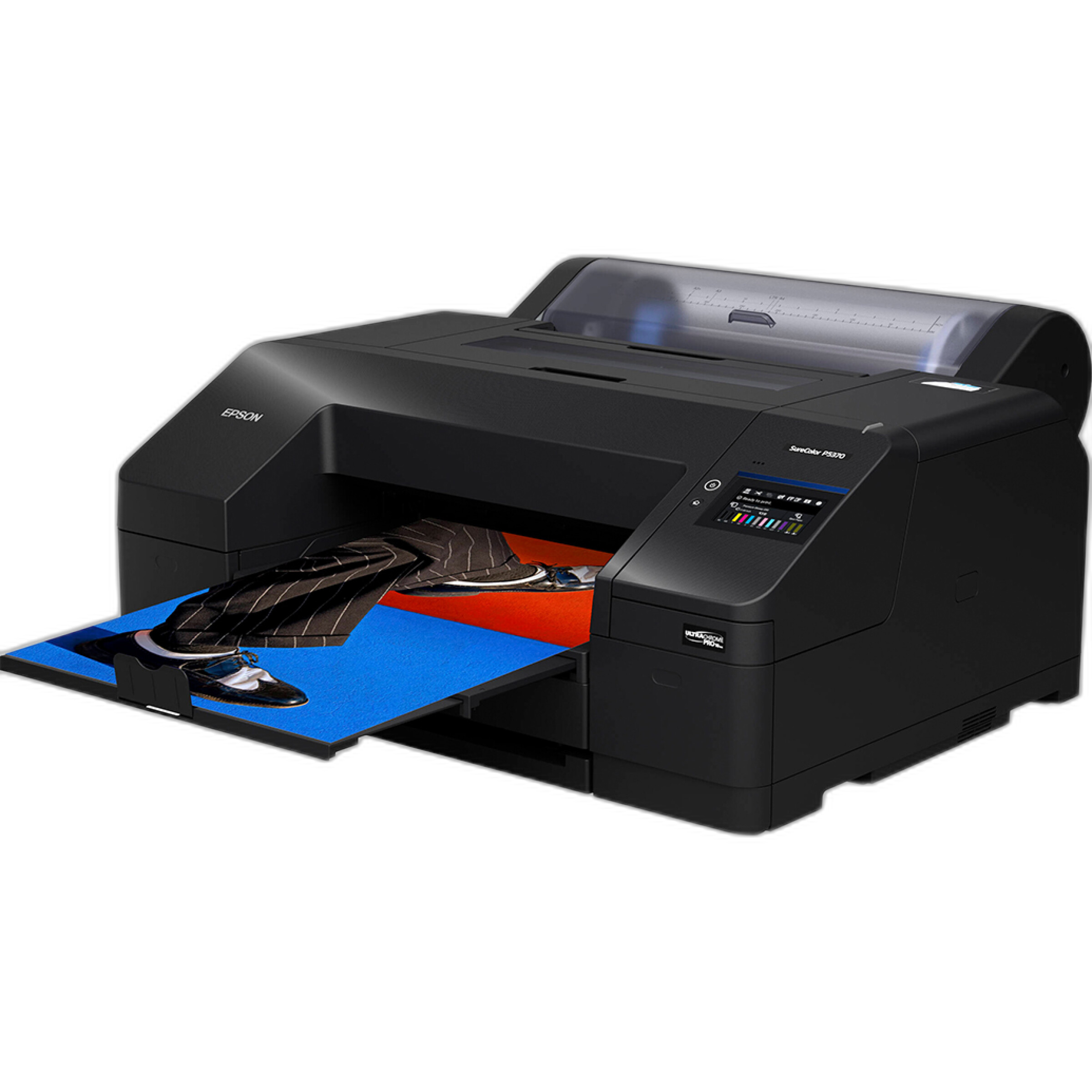
A printer such as the Epson SureColor P5370 is a strong choice for photographers who want to evaluate color, tonal nuance, and grain in a more tangible way. For those producing glossy output, dedicated paper options also play a role in how film images present.
Our Pick
Our Pick: Kodak Ultramax 400
For most beginners in 2024, Kodak Ultramax 400 is the best 35mm color film stock to start with. It balances affordability, availability, forgiving exposure latitude, and flexibility across many lighting conditions. If you want something slightly more daylight-focused and nostalgic, Kodak Gold 200 is a very close second. If budget is your top concern, Kodak ColorPlus 200 remains a smart starter option.
Conclusion
The best beginner 35mm color film stocks are the ones that help you learn without punishing every mistake. Kodak Ultramax 400, Kodak Gold 200, and Kodak ColorPlus 200 remain the strongest starting points because they are approachable, forgiving, and enjoyable to shoot. As your skills grow, films like Ektar 100 or Cinestill 400D can help you explore more specialized looks. If you're building out your film workflow, from camera to prints, Unique Photo is a great place to shop for used film cameras, accessories, and photographic output tools.