Beginner Portrait Lenses: 50mm vs 85mm, Primes vs Zooms Explained
Starting portrait photography and not sure which lens to buy first? You’re not alone. Here’s our expert FAQ to help you choose the right focal length, understand aperture, and decide between primes and zooms—so you can create flattering portraits with confidence.
Should I start with a 50mm or an 85mm prime?
Both are excellent for portraits, but they shine in different scenarios. A 50mm on full-frame offers a natural perspective for half- and full-length portraits, and it’s easier to use in tighter indoor spaces. An 85mm gives you that classic headshot look with more background compression and subject isolation—ideal outdoors or anywhere you have a bit more working distance. On APS-C cameras, a 50mm behaves like ~75–80mm (great for tighter portraits), while a 35mm behaves more like a 50mm. On Micro Four Thirds, look for a 25mm (50mm equivalent) or 42.5/45mm (85–90mm equivalent) to achieve similar framing.
How does sensor size affect my choice?
Sensor size changes how a focal length frames your subject. If you shoot APS-C or Micro Four Thirds, consider the crop factor so your chosen focal length matches your shooting style and space. Also remember that for the same framing and f-number, smaller sensors typically yield deeper depth of field than full-frame. If you love ultra-creamy backgrounds, you may want a slightly faster aperture on smaller sensors to achieve a similar look.
Are third-party lenses like Sigma and Tamron good for portraits?
Yes—modern third-party primes and f/2.8 zooms from brands like Sigma and Tamron can deliver outstanding sharpness, beautiful bokeh, and reliable autofocus across major mounts. When choosing, look for lenses with fast, quiet AF motors, robust build quality, and compatibility with your camera’s latest AF features. If your camera offers in-body stabilization, pairing it with a non-stabilized prime is often a non-issue. Unique Photo’s team can help you compare first- and third-party options side-by-side so you get the best value for your system.
How much does aperture matter for portrait work?
Aperture shapes the look of your portraits. Wider apertures (f/1.2–f/1.8) create more background blur, separate your subject, and help in low light. Stopping down slightly (f/2–f/2.8) often improves sharpness and keeps both eyes in focus for headshots. Remember: lighting and posing matter just as much as aperture. To elevate your results quickly, consider hands-on lighting instruction such as our Portrait Lighting Made Easy with Joel Grimes—learning to light faces beautifully makes any lens look better. 
Should a beginner choose a zoom or a prime?
Primes (like 50mm or 85mm) are lightweight, often sharper, and offer very wide apertures for that cinematic blur. They also encourage strong composition habits since you move your feet more. Standard zooms (e.g., 24–70mm f/2.8) are incredibly versatile for portraits, events, and travel; telephoto zooms (e.g., 70–200mm) deliver flattering compression for headshots and backgrounds. Many beginners start with a 24–70mm to discover their favorite focal lengths, then add a fast prime where they shoot most. Want guided practice posing and composing with any lens? Join our Stunning Portraits Workshop with David Maynard and ExpoImaging. 
What lens features actually matter for portraits?
Prioritize autofocus performance (accuracy with eye/face detection), rendering (bokeh smoothness and highlight shape), and minimum focus distance (for tighter beauty shots). Weather sealing and stabilization are helpful, especially outdoors or with slower shutter speeds. Also consider weight and balance—heavy glass can be fatiguing during longer sessions.
How do working distance and background compression affect the look?
Longer focal lengths (85mm–135mm on full-frame) let you step back, which flattens facial features slightly and compresses the background—often flattering for headshots. Shorter focal lengths (35–50mm) place you closer, providing context and environmental storytelling. Choose based on your shooting space and style: tight spaces favor 35–50mm; spacious locations unlock the elegance of 85–135mm.
What’s a smart beginner portrait kit on a budget?
Three reliable paths: 1) a 50mm prime to start, adding an 85mm when you want tighter headshots; 2) a 24–70mm f/2.8 as your do‑everything lens, plus a fast 50mm for low light and extra blur; 3) for APS‑C, begin with a 35mm prime or a fast standard zoom (e.g., 17–50mm/18–50mm f/2.8), then add a 50mm or 85mm equivalent for portraits. If you’re a Canon shooter and want help mapping the lineup to your needs, our Canon Lenses: Finding the Right Lens for You session is a great starting point. 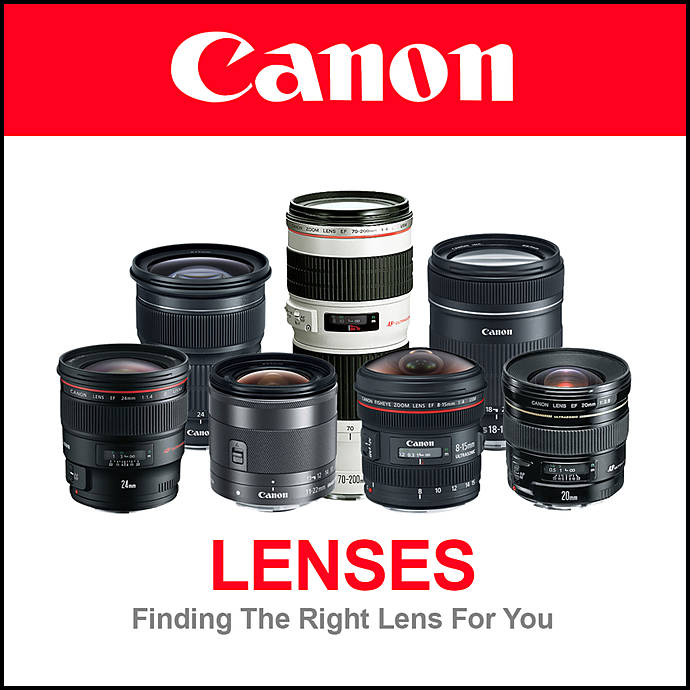
Any learning resources to accelerate my portrait results?
Absolutely. Technique multiplies your lens investment. For lighting, posing, and practical setups, our Portrait Lighting Made Easy with Joel Grimes and Stunning Portraits Workshop deliver hands-on guidance so you can craft flattering light and expressions consistently. Nikon users looking to master camera-driven AF and exposure settings that impact portrait success will appreciate the Nikon D850 Guide to Digital SLR Photography by David Busch. 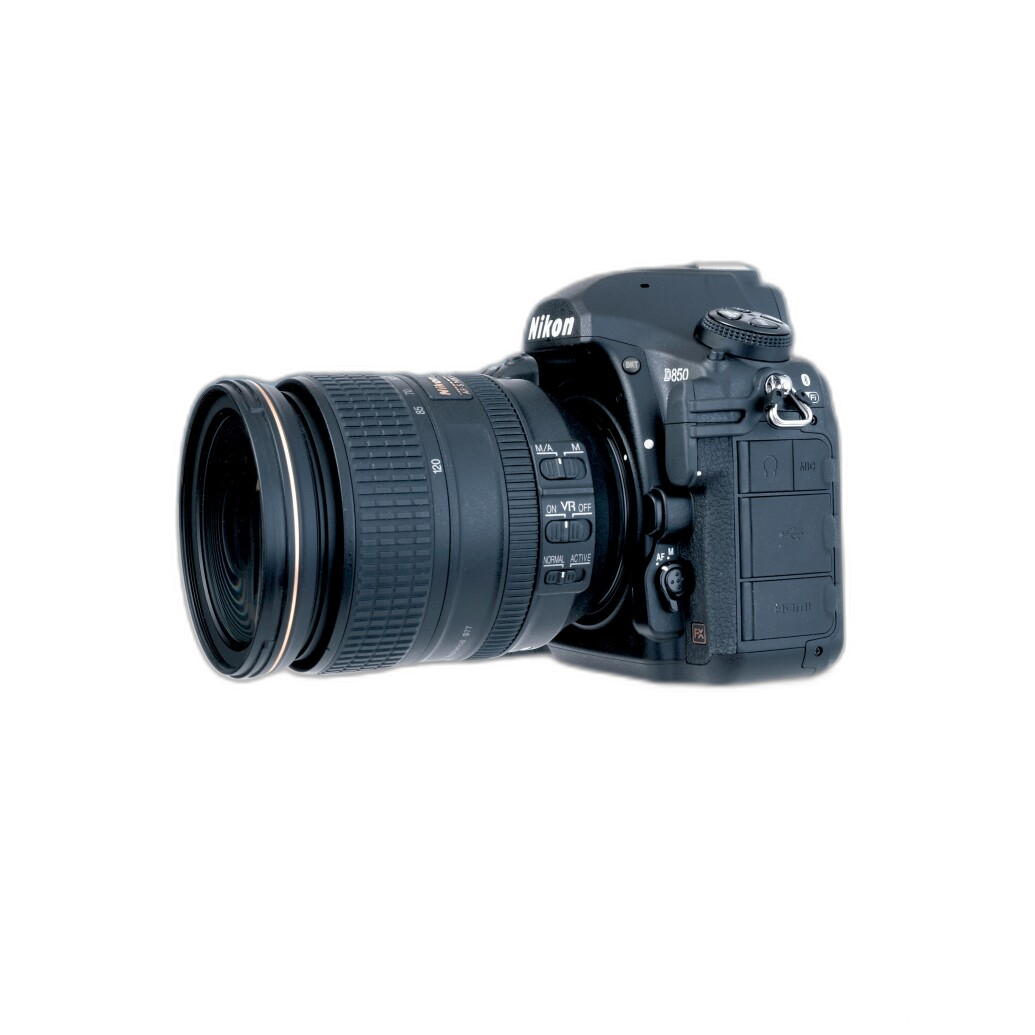
Ready to build your portrait kit? Visit Unique Photo online or in our New Jersey superstore to compare lenses in person, test how they feel on your camera, and tap our experts for personalized recommendations. We’re here to help you make portraits you’ll be proud to share.