Beginner Photography Contests FAQ: Free, Legit, and Worth Entering
Photography contests can be a great way for new photographers to build confidence, practice editing, and get their work in front of a wider audience. The key is choosing competitions that are reputable, beginner-friendly, and genuinely useful for your growth rather than ones that simply collect entry fees or rights to your images.
At Unique Photo, we encourage photographers to treat contests as one part of a bigger learning journey. With the right preparation, education, and a careful eye for legitimacy, contests can help amateurs and beginners sharpen both their creative and professional skills.
Are there reputable photography contests with free entry fees?
Yes. Many legitimate contests offer free entry, especially local community competitions, nonprofit-sponsored calls for entries, student-focused challenges, camera club competitions, magazine reader assignments, and themed online showcases. Free entry does not automatically mean a contest is low quality, and paid entry does not automatically mean it is prestigious. What matters most is who is running it, how transparent the rules are, and whether the contest offers fair terms.
Beginner photographers often do well starting with local or regional opportunities because the pool can be more approachable and the themes may be easier to shoot intentionally. If you are still building your portfolio, free contests let you practice submitting work, writing captions, and meeting deadlines without financial pressure.
Before entering, review the organizer's history, judging criteria, past winners, and rights language. A credible contest will clearly explain deadlines, prizes, image specifications, and how submitted files may be used.
Which contests are best for amateurs and beginners?
The best contests for beginners are usually those with clear themes, simple submission requirements, and realistic categories such as landscape, nature, street, travel, portrait, or student work. Competitions that separate amateur and professional divisions are especially helpful because your images are judged alongside photographers at a similar stage.
Beginners also benefit from contests connected to learning communities. Workshops, photo schools, clubs, and educational organizations often create a more supportive environment than broad open-call contests with massive global entry pools. If your goal is improvement rather than just winning, seek opportunities that reward storytelling, technical growth, and thoughtful composition.
To strengthen your images before entering, consider building your skills through hands-on education. For example, field-based classes like Unique Photo's Macro and Landscape Photography at Duke Farms with Michael Downey can help you create more polished nature and landscape submissions.

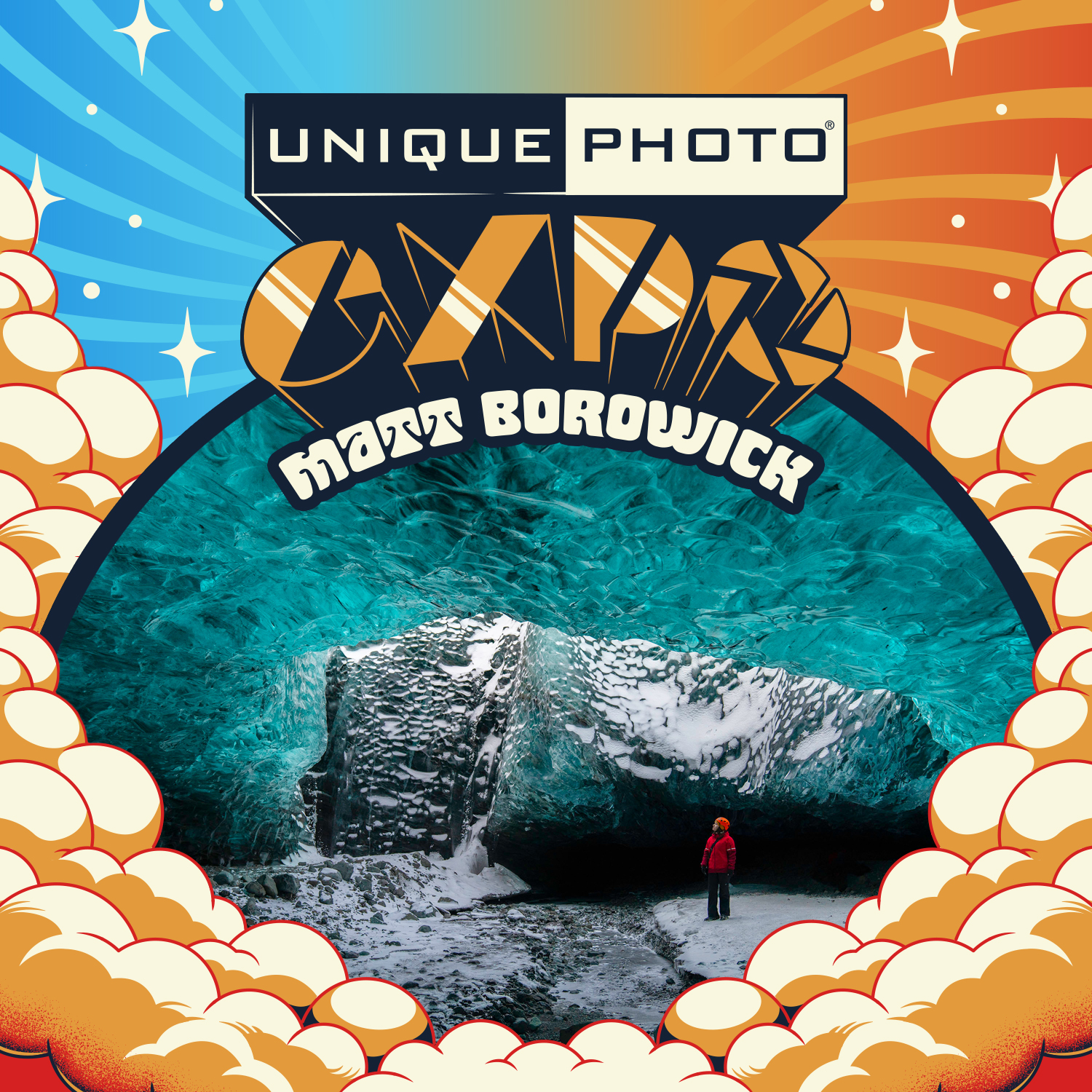
If you are interested in visual storytelling, presentations like EXPO: Stories from the Road - Photography Across Worlds w. Matthew Borowick can also help you think more deeply about how your images communicate a point of view, which is often what makes contest entries stand out.
Do photography contests ever provide helpful feedback or critique?
Some do, but not all. Many large contests announce winners without offering individual comments because of the volume of submissions. However, beginner-friendly competitions, club contests, educational contests, and portfolio review events are more likely to include judge commentary, scoring rubrics, or post-event critiques.
If feedback is important to you, look for contests that specifically mention juror notes, live judging sessions, webinars with judges, or image review add-ons. Even when formal critique is limited, you can still learn by studying the winning images and comparing them to your own work. Pay attention to how successful entries use light, timing, framing, editing restraint, and emotional impact.
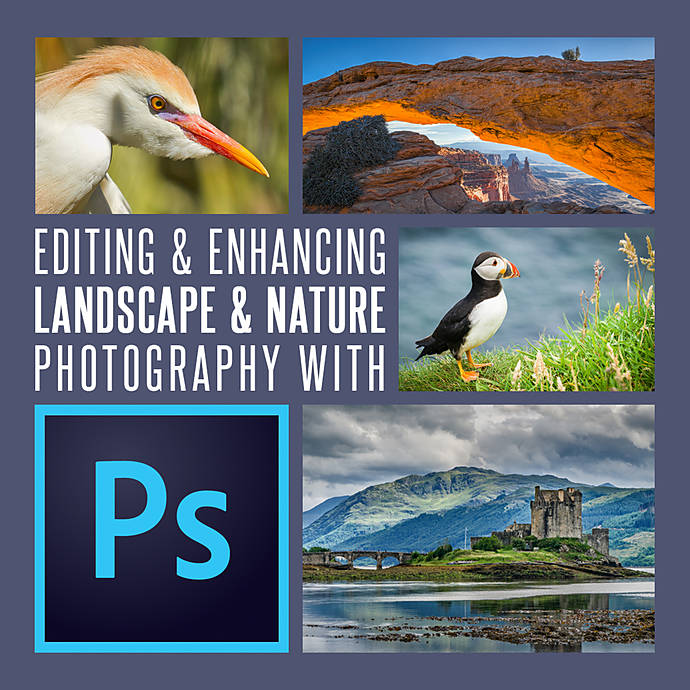
Editing also plays a major role in contest readiness. A strong image can fall short if color, contrast, or sharpening is not refined. Unique Photo's Editing and Enhancing Landscape and Nature Photography with Photoshop is a smart option for photographers who want to improve presentation before submitting contest work.
How can I tell whether a photography contest is legitimate?
Start by reading the rules closely. A legitimate contest will identify the organizer, provide a clear timeline, explain judging criteria, list prizes honestly, and include terms covering copyright and permitted usage. You should also be able to verify the organization online and see evidence of previous contests or real winners.
Look for transparency in these areas:
Organizer identity: The company, publication, nonprofit, or institution should be easy to verify.
Entry terms: Rules should be specific and written in plain language.
Rights usage: The contest should not demand excessive ownership of your images.
Judging process: Jurors or evaluation methods should be explained.
Prize structure: Awards should be realistic and clearly stated.
It is also a good sign if a contest has an educational mission, respected judges, or a community presence beyond simply collecting entries. Reputable organizations usually care about maintaining trust and credibility over time.
What are the red flags of scam or exploitative contests?
Be cautious if a contest seems designed more to harvest fees or image rights than to celebrate photography. Common warning signs include vague rules, hidden fees, exaggerated prize claims, poor communication, and legal language that gives the organizer broad rights to use or resell your work without compensation.
Some major red flags include:
All entrants are “winners” for an extra payment: This often points to a pay-to-promote model rather than a true competition.
Rights grab clauses: Avoid contests that claim full ownership or unrestricted perpetual commercial use of every submitted image.
No visible judging standards: If there is no explanation of how images are evaluated, proceed carefully.
Pressure tactics: Urgent countdowns, constant upsells, or unclear pricing are not good signs.
No credible history: If you cannot find past winners, jurors, or a real organization behind the contest, be skeptical.
A fair contest may request limited promotional rights to show winning entries and market the competition itself. That is very different from taking ownership of all submissions. Always understand what you are agreeing to before uploading your files.
How should beginners prepare photos for contest submission?
Preparation matters just as much as choosing the right contest. First, submit images that fit the theme clearly. Judges tend to respond better to photographs that feel intentional and complete rather than technically decent images that only loosely match the category.
Second, pay attention to file specifications. Resize correctly, export in the requested format, and double-check color space, resolution, and naming conventions. Third, edit with restraint. Overprocessed images can lose credibility quickly, especially in nature, documentary, and travel categories.
Training in your chosen genre can make a major difference. If you plan to enter night sky or astronomy-themed contests, Unique Photo's UUOnline: Astrophotography 4-Part Series with Temu Nana is a valuable way to improve capture technique and consistency.

If your interest is commercial or tabletop work, Product Photography and Post Production Editing with Blake Taylor can help you develop cleaner lighting and stronger polish for contests centered on products, still life, or advertising-style imagery.
Do I need a statement or caption when entering a contest?
Often, yes. Even when optional, a concise and thoughtful caption can strengthen your submission. For documentary, travel, portrait, and environmental categories, a short explanation can provide context that helps judges understand your intent. Keep it clear, specific, and relevant. Avoid overstating the image or adding unnecessary drama.
Think of your caption as support, not rescue. The photo should still work on its own. If a competition asks for an artist statement, explain what drew you to the subject, how you approached it, and why the image matters within the category.
Studying photographers who present strong bodies of work can improve this skill. Talks and presentations like EXPO: Stories from the Road - Photography Across Worlds w. Matthew Borowick can be especially helpful for understanding how image selection and narrative framing work together.

Can classes and books improve my chances in contests?
Absolutely. Education helps you create better images, edit more effectively, and understand what makes a photograph competitive. Contest success usually comes from consistency, not luck. The more you learn about timing, composition, exposure, color, and sequencing, the more intentional your submissions become.
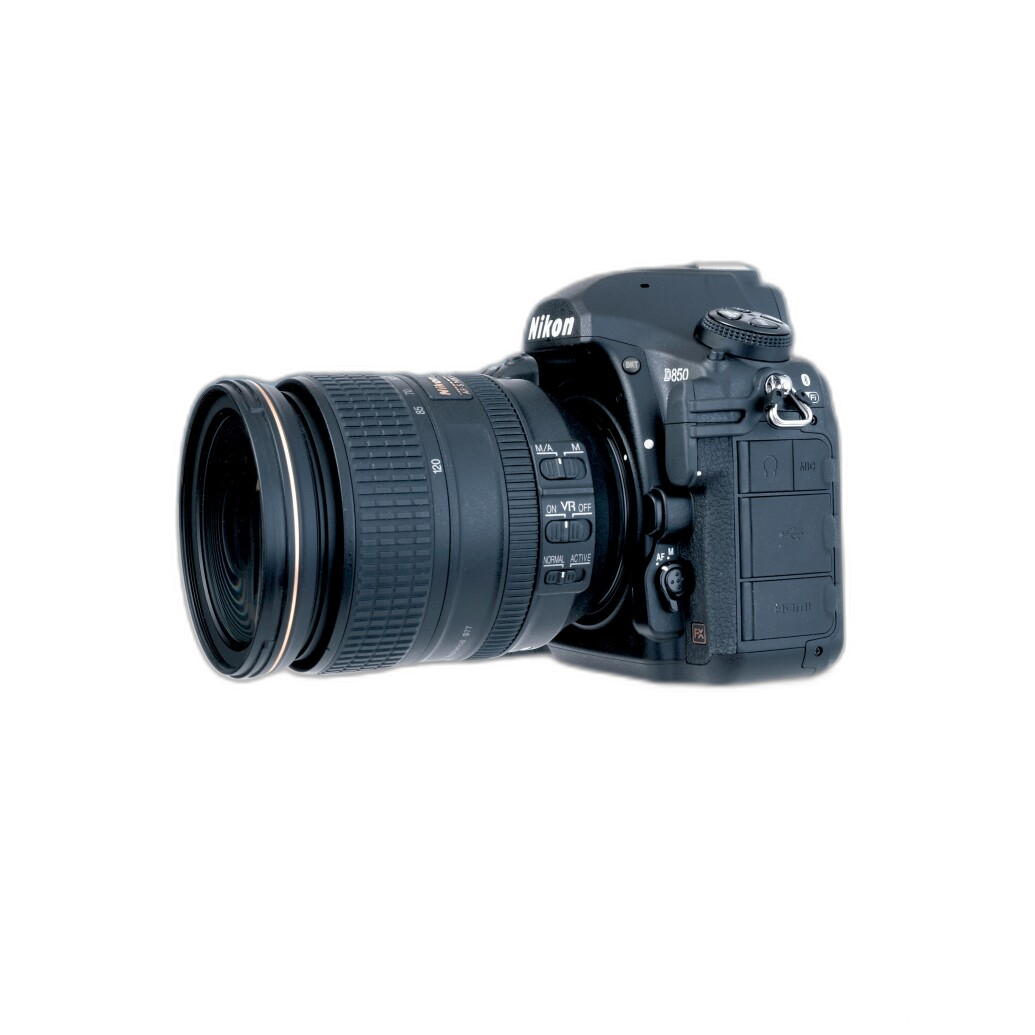
For photographers still mastering their camera system, a practical guide can help eliminate technical mistakes before they affect an otherwise strong image. For example, Nikon users may benefit from the Nikon D850 Guide to Digital SLR Photography by David Busch if they want to get more from a capable camera body before preparing entries.
Similarly, genre-specific classes from Unique Photo can help you build portfolio-ready work. Whether you are exploring film, landscapes, products, or astrophotography, targeted instruction often leads to stronger contest submissions than entering repeatedly without refining your approach.
Should I enter contests if I'm still new to photography?
Yes, as long as you approach contests as a learning tool instead of a final verdict on your talent. Entering can teach you how to curate your best work, follow submission standards, and identify what kinds of images resonate with judges. Even if you do not place, the process can highlight where your technique or editing needs improvement.
Beginners often gain the most from contests when they combine them with regular practice and education. If you are just starting out, you might first build confidence through classes such as Film Lovers Event: Intro to Film Photography (Philly) or other Unique Photo learning experiences that help you explore style and craft in a supportive setting.
The best strategy is to enter selectively, learn from every submission, and keep shooting. Over time, your portfolio will become stronger and your contest choices will become smarter.
Photography contests can be worthwhile for amateurs and beginners when you choose reputable opportunities, protect your rights, and focus on growth as much as recognition. If you are ready to improve your skills before your next submission, explore classes, books, and educational events at Unique Photo to build images that are not only contest-ready, but genuinely stronger photographs.