Beginner-Friendly Photography Contests and Preparation Tips
Entering your first photography contest is one of the fastest ways to get thoughtful feedback, sharpen your eye, and build confidence. The good news: there are plenty of low-pressure, beginner-friendly competitions out there—and a few smart prep steps can dramatically improve your odds of standing out.
Beginner contests to try now
- Community camera clubs and meetup groups: Monthly themed print/digital nights with constructive critiques are perfect for first-timers.
- Parks, zoos, and botanical gardens: Seasonal nature and wildflower contests often welcome hobbyists and students.
- Local newspapers and tourism boards: “Reader photo” features and Instagram hashtag challenges highlight community stories.
- Schools, libraries, and arts councils: Open calls for exhibits and juried shows with novice categories.
- Online challenges with beginner tiers: Weekly prompts from platforms like 52Frames, ViewBug beginner contests, Flickr group themes, and GuruShots newcomer challenges.
- Fairs and festivals: County and state fair competitions with clear categories and friendly judging.
- Conservation/wildlife orgs with youth/newcomer divisions: Examples include Audubon and The Nature Conservancy (always check eligibility, usage rights, and rules).
Preparation tips that make a difference
Study the brief, rules, and past winners
Read the theme carefully, note size limits, color space, and any editing restrictions. Browse past winners to understand the judges’ taste, recurring subjects, and presentation styles. Create a quick checklist so you don’t miss metadata, captions, or deadlines.
Craft a small themed set and practice in the field
Even if you submit a single image, building a mini-series (3–5 photos) around the theme helps you explore angles and pick a hero. If you’re leaning toward nature categories, field practice pays off. A hands-on outing like Macro and Landscape Photography at Duke Farms with Michael Downey can jumpstart your portfolio with varied, competition-ready shots.
Train for action categories
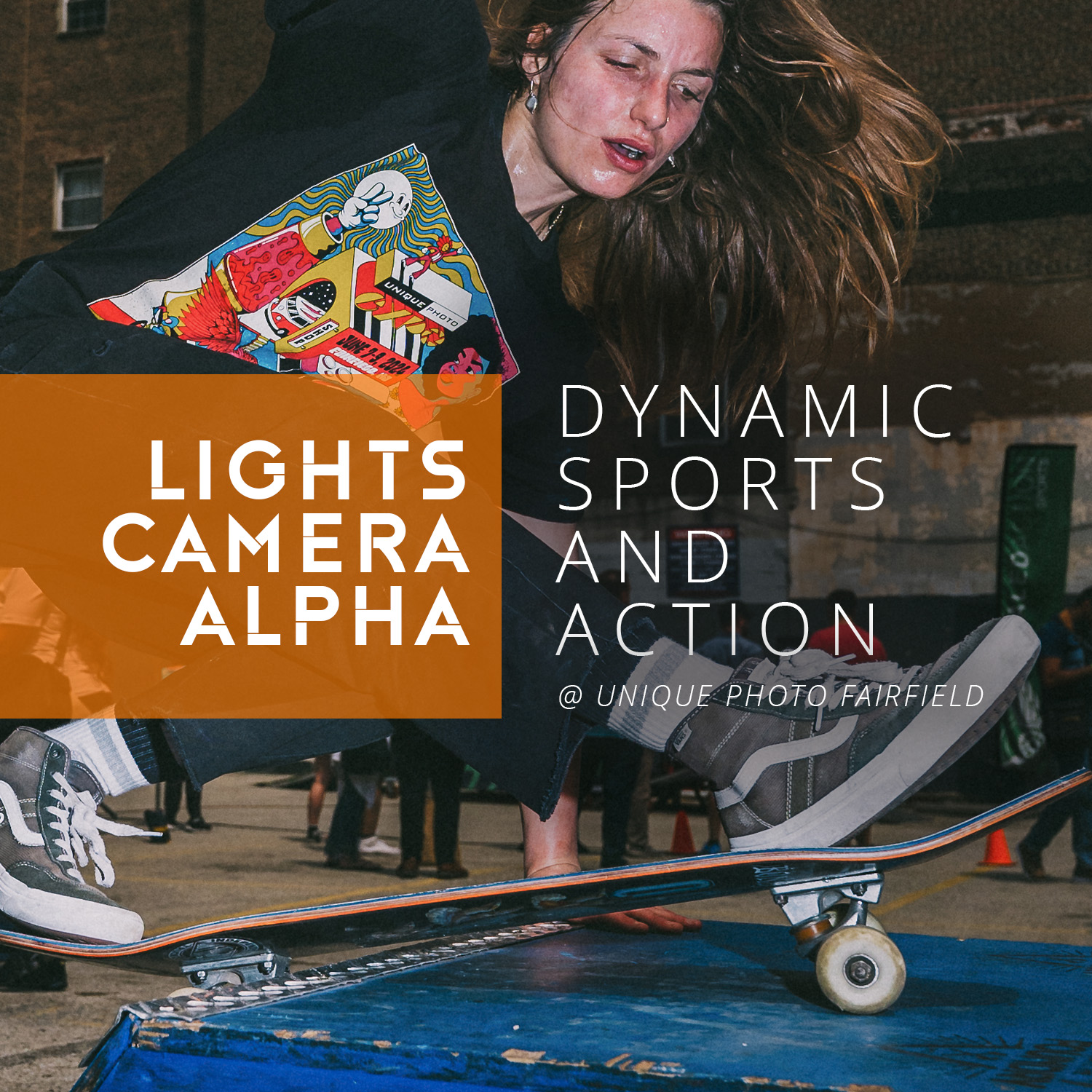
For sports or wildlife contests, anticipation and autofocus settings matter as much as timing. A skills-focused workshop such as Lights, Camera, ALPHA: Dynamic Sports and Action Photography (Sony) helps you dial in AF-C behavior, burst strategy, and panning technique so you come home with sharp, dynamic moments.
Go after night-sky categories with a plan
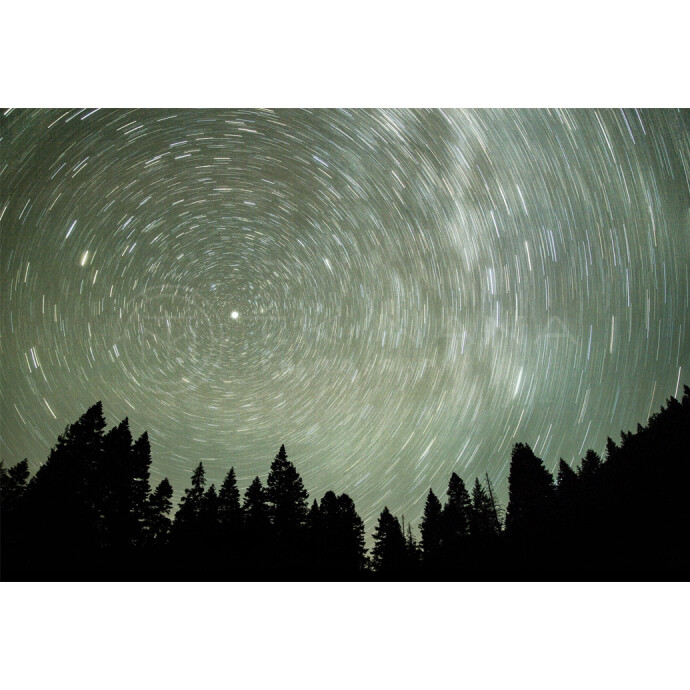
Astro entries stand out when you nail focus, manage noise, and plan around moon phase and light pollution. The UUOnline: Astrophotography 4-Part Series with Temu Nana breaks down capture fundamentals and post workflows so your Milky Way shots look polished—not muddy.

Master a clean editing workflow
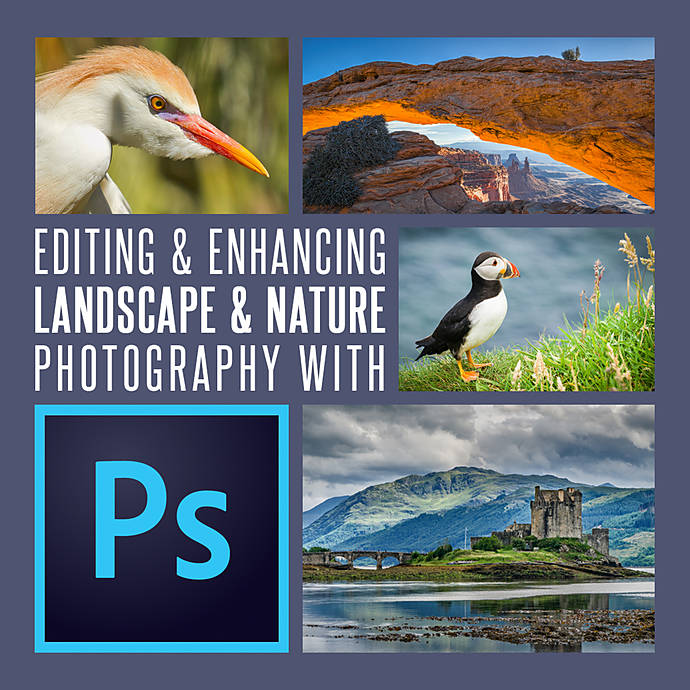
Judges notice strong composition and tasteful edits. Keep color natural, lift shadows judiciously, and avoid crunchy sharpening or halos. If landscapes are your jam, Editing and Enhancing Landscape and Nature Photography with Photoshop is a great way to learn subtle, competition-safe finishing.
Know your camera’s strengths
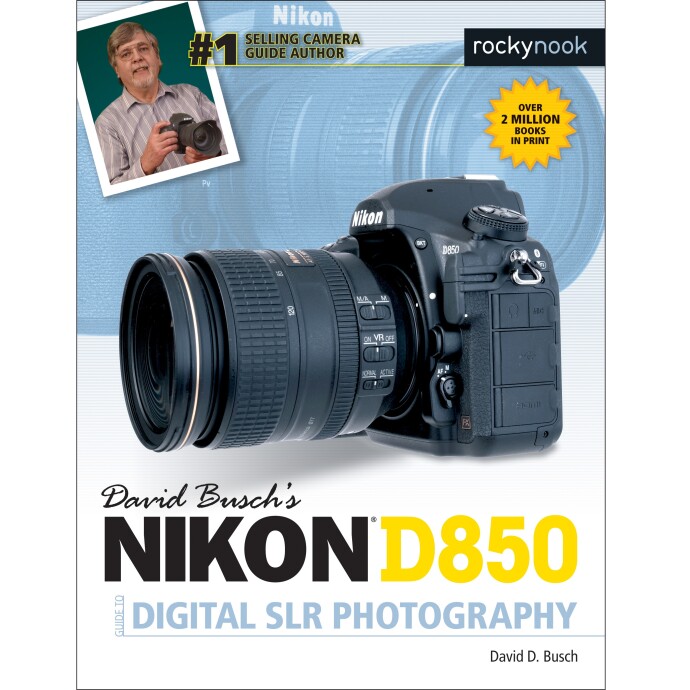
Understanding your camera’s AF modes, dynamic range, and ISO sweet spots helps you shoot confidently under pressure. Nikon users can fast-track this with Nikon D850 Guide to Digital SLR Photography by David Busch—packed with practical, real-world setups.
Build skills at home with still-life contests
Tabletop challenges are beginner-friendly, weather-proof, and perfect for learning light control. Product Photography and Post Production Editing with Blake Taylor teaches you to shape light, manage reflections, and produce clean edits—skills that translate to still-life and food categories.
Experiment with film (when allowed)
Some contests encourage alternative processes or film-only entries. If you’re curious, the Film Lovers Event: Intro to Film Photography (Philly) is a fun, low-pressure way to learn film basics and how to present scans for judging.
Export and submit like a pro
Unless specified otherwise, sRGB is the safest color space for web-judged entries. Follow size and file-type rules (e.g., 2000–4000 px on the long edge, high-quality JPEG). Rename files clearly, embed basic IPTC metadata, and keep a copy of your originals in case raw files are requested.
Plan your calendar and iterate
Make a shortlist of contests with due dates, then shoot specifically for those themes. After results, revisit your edits and notes—what worked, what didn’t—and refine for the next deadline.
Final Frame
Contests are a fast track to growth: they give you a goal, a timeline, and honest feedback. Start small, prep smart, and keep entering. When you’re ready to level up, Unique Photo’s classes, books, and expert staff are here to help you build stronger, more competitive images.