Start Competing, Start Growing
Submitting your work to photography competitions is one of the fastest ways to sharpen your eye, build confidence, and get helpful feedback. Whether you’re entering a neighborhood gallery show or an online challenge, the right contest can be welcoming, low-pressure, and fun. Use the recommendations and tips below to find beginner-friendly competitions and prepare entries that stand out.
Where to Find Local Competitions
1) Camera clubs and photo societies
Most camera clubs host monthly themed competitions with novice divisions and guided critiques. Search for clubs in your area, attend a meeting, and ask how their entry process works. These are perfect for your first submissions.
2) Community arts councils and libraries
Libraries, community centers, and local arts councils often run seasonal shows, youth/novice categories, and low-cost exhibits where new photographers can display prints.
3) Parks, gardens, and nature preserves
Conservancies and public gardens commonly run annual nature or macro contests. Build a portfolio tailored to these themes by practicing in beautiful spaces. If you’re near New Jersey, outings like Unique Photo’s Macro and Landscape Photography at Duke Farms with Michael Downey can help you create contest-ready images in a stunning setting.
4) County fairs and festivals
Regional fairs typically include beginner classes for landscape, portrait, black-and-white, and more. Fees are low, and the entry rules are straightforward.
5) Local businesses and cafés
Many cafés and small galleries rotate photo exhibitions and host friendly juried shows. Ask about novice categories or first-time exhibitor opportunities.
Beginner-Friendly Online Competitions
1) Weekly challenge platforms
Sites that run frequent themes (e.g., “Reflections,” “Rule of Thirds,” “Blue Hour”) are great for practice and iteration. Look for contests labeled beginner or amateur-friendly and read sample winning entries to benchmark quality.
2) Community-driven critiques and votes
Platforms that pair competitions with community feedback help you learn quickly. Enter, review others’ images, and note what resonates in top-ranked work.
3) Social media hashtag challenges
Tourism boards, camera brands, and local magazines run hashtag challenges with clear prompts. Start with local themes so your subject access and story are strong.
4) Genre-specific contests
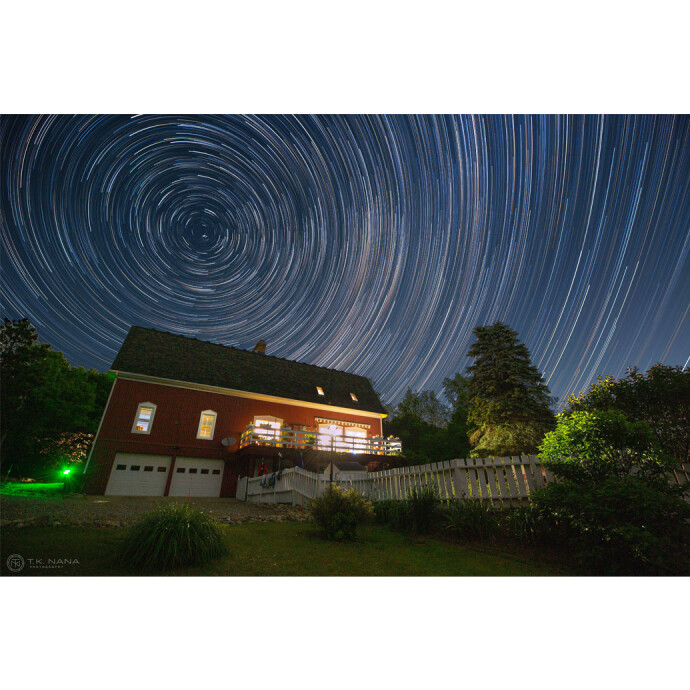
If you love the night sky, still life, or macro, seek out niche contests. For astrophotography categories, practice acquisition and processing basics with guidance like Unique Photo’s UUOnline: Astrophotography 4-Part Series with Temu Nana.

Pick Categories That Play to Your Strengths
1) Nature and landscapes
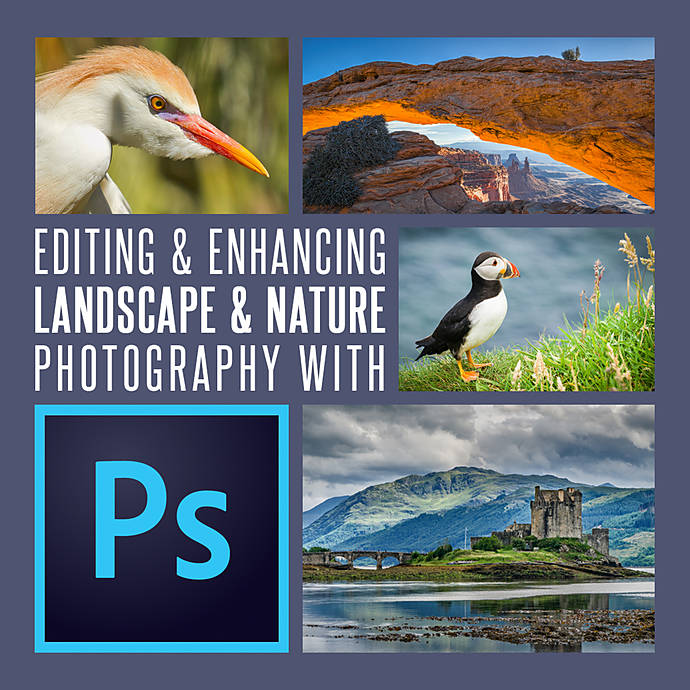
Choose contests that emphasize composition, light, and a sense of place. Field practice pays off, and so does nuanced post-processing. Consider skill-building like Editing and Enhancing Landscape and Nature Photography with Photoshop to refine tones and detail before submitting.
2) Product and still life
Tabletop categories reward lighting control, cleanliness, and precision. Workshops such as Product Photography and Post Production Editing with Blake Taylor can help polish technically demanding images for these competitions.
3) Film-only divisions
Many community shows have film-specific categories. If you’re curious about analog entries, a friendly intro like Unique Photo’s Film Lovers Event: Intro to Film Photography (Philly) can get you started with exposure, metering, and lab workflows.

4) Camera-specific or technical challenges
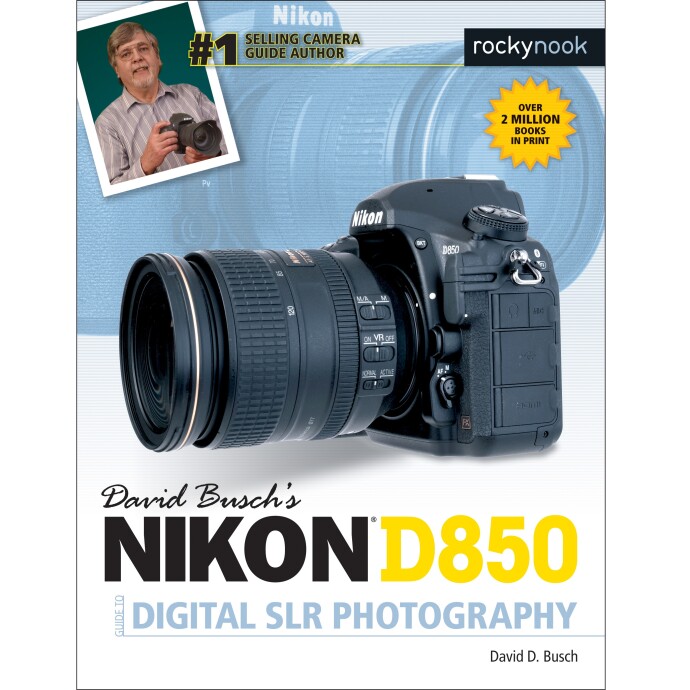
Some contests focus on technical mastery and image quality. Deepen your camera know-how with references like Nikon D850 Guide to Digital SLR Photography by David Busch to nail focus, exposure, and menu setups under pressure.
Prepare Entries That Stand Out
1) Read the rules twice
Confirm file size, color space, naming conventions, edit limits, watermark policy, and eligibility dates. Check for subject restrictions and whether model/property releases are required.
2) Edit for clarity and impact
Keep your processing clean: accurate color, controlled highlights, believable contrast, and dust-spot removal. When allowed, subtle local adjustments can guide the eye without looking overdone.
3) Title and caption with intention
Short, specific titles and concise captions give judges context. Mention location, technique, or story if it strengthens the image’s impact.
4) Export smart
Prepare sRGB JPEGs at the requested dimensions and compression. Keep a high-res master TIFF/RAW + sidecar for print-worthy wins. Maintain a simple folder per contest to track versions.
Build a Simple Contest Workflow
1) Make a monthly contest calendar
Collect deadlines and themes in one place so you can shoot with purpose and avoid last-minute edits.
2) Curate ruthlessly
Shortlist with star ratings or color labels, compare similar frames at 100% view, and pick the cleanest composition and sharpest focus.
3) Seek feedback before you submit
Post in beginner-friendly critique groups or share with your club. Ask targeted questions: “Does the subject read instantly?” “Are my highlights under control?”
4) Track results and iterate
Log which images place or get shortlisted. Patterns will reveal your strongest categories and where to invest more practice.
Extra: If Your Contest Includes Multimedia
1) Learn the basics of motion
Some festivals add short video or hybrid photo+video categories. If you plan to dabble, a clear foundation like UUOnline (Sony Takeover): Videography Basics with Sony helps you craft sharper submissions and complementary reels for promotion.

Conclusion
Start small, enter often, and treat every submission as a learning rep. With the right categories, thoughtful editing, and consistent practice, your images will steadily rise. When you’re ready to level up, explore classes, events, and resources from Unique Photo to build skills and confidence for your next competition. You’ve got this—submit that shot!