Prepare a standout themed portfolio that judges remember
Themed photo challenges reward clarity of concept, tight curation, and presentation polish. Whether the brief is "night color," "macro textures," or "landscape minimalism," these tips will help you build a cohesive portfolio that feels intentional from the first image to the last.
Actionable tips to dial in your themed portfolio
Decode the theme and the rules
Start by outlining what the theme really means and what the judges require: number of images, aspect ratios, color vs. black-and-white, file specs, naming, and whether prints or digital submissions are expected. Write this on a one-page checklist you’ll reference throughout.
Define your angle in one sentence
Clarify your approach: "Urban reflections at blue hour," or "Macro botanicals with a pastel palette." This short statement will guide your edit, color decisions, and sequencing.
Pull a smart pre-edit
Skim your catalog and flag images that match your angle. Build a "Shortlist" collection and keep a secondary "Maybe" group for alternates. You’re aiming for 2–3x the final count so you can trim decisively.
Curate for cohesion and range
From the shortlist, pick images that share a visual language but avoid repetition. Mix focal lengths, perspectives, and moments while keeping the theme unmistakable. If a strong image weakens the set’s cohesion, bench it.
Commit to a consistent look
Lock in a repeatable edit: white balance, contrast curve, color palette, grain, and sharpening. Sync subtle tweaks across the set so everything feels of the same world.
Standardize crops and aspect ratios
Pick one or two aspect ratios that serve the story and the submission specs. Keep horizon lines and eye levels consistent across similar frames to avoid visual wobble.
Sequence with intent
Open strong, build rhythm, and end on a definitive closer. Try a cinematic flow: Establishing shot → detail → medium → action/peak → quiet beat → finale. Print a tiny contact sheet and lay them out to test transitions.
Proof small before you commit
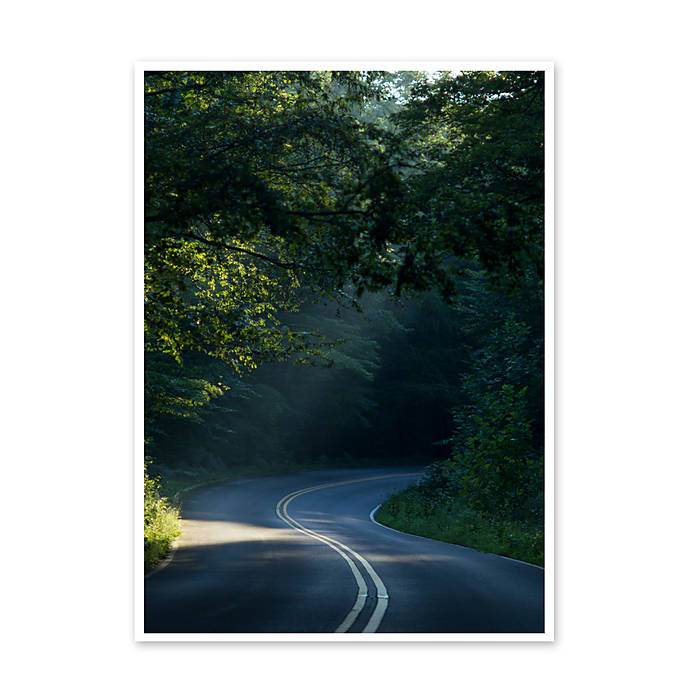
Physical proofs reveal issues you’ll miss on-screen. Order quick 4x6 test prints to check density, color balance, and sharpening. The Unique Photo Lab 4x6 Print Glossy is a fast, affordable way to iterate.
Control your finals with a dependable printer
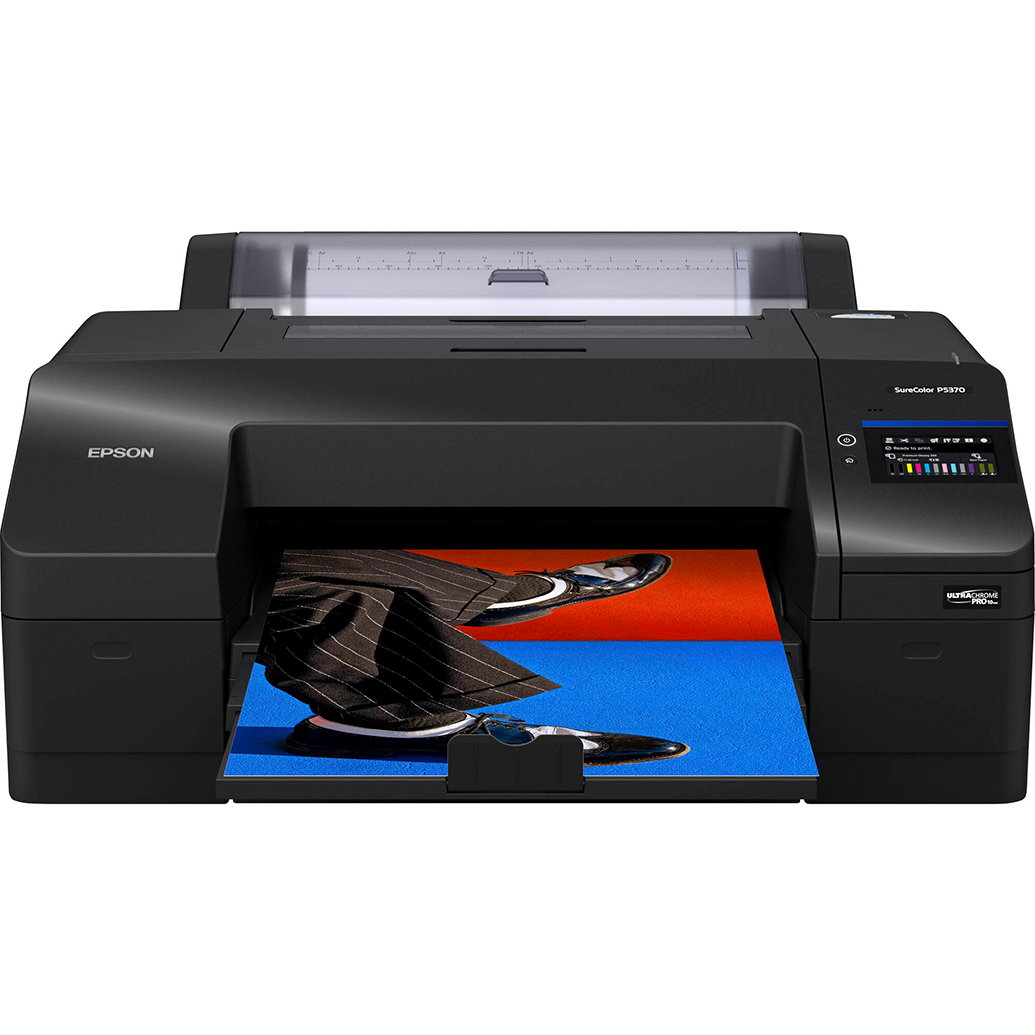
If you’re delivering prints, consistent output matters. A 17-inch printer like the Epson SureColor P5370 gives you reliable color, deep blacks, and repeatability across the set—crucial for a unified portfolio.
Add punch with the right paper stock
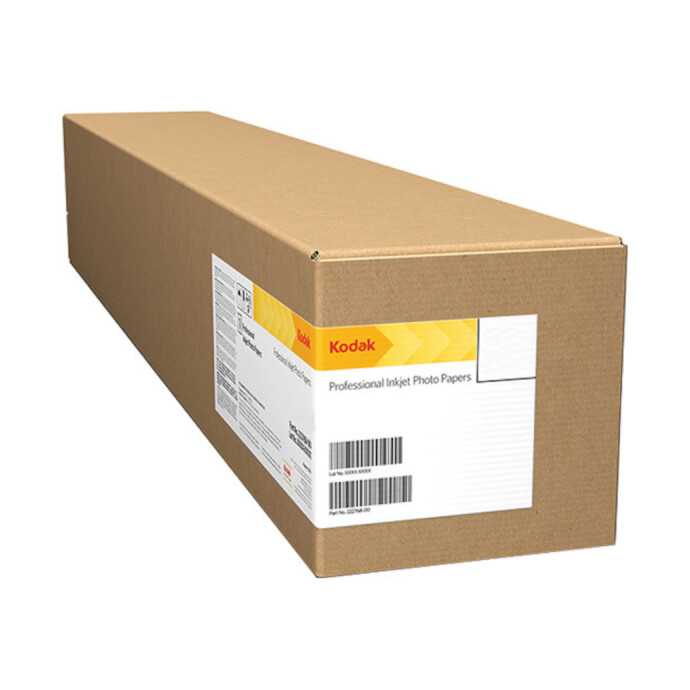
Choose paper that matches your theme. For high-contrast, vibrant sets or night scenes, a metallic surface can add dimensionality and sparkle to highlights. Kodak Professional Metallic Photo Inkjet Paper is a favorite for eye-catching hero prints.
Present for judges: clean, durable, and organized
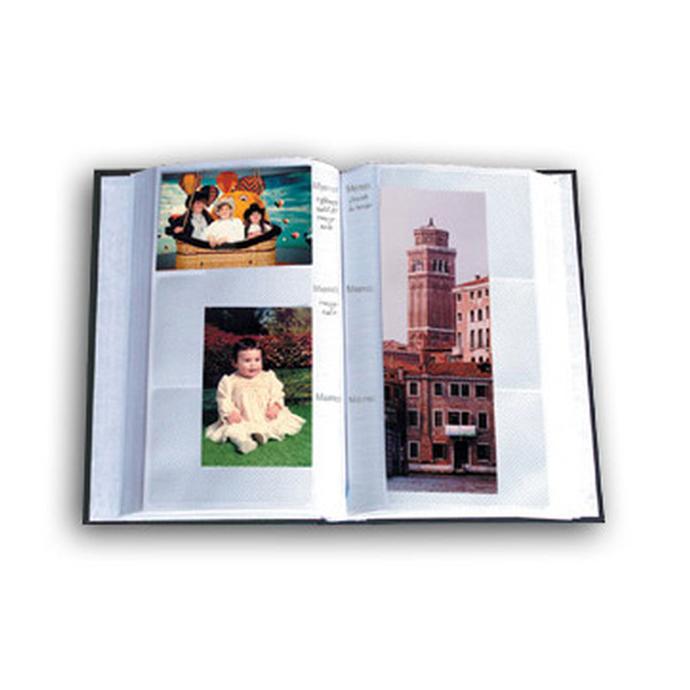
Keep handling easy and viewing smooth. A clean, memo-style album lets you sequence, add short captions, and swap images as you refine. The Pioneer 4x6 Bi-Directional Memo Photo Album works well for proof sets and small showings, and Pioneer Album Refill Pages make last-minute additions painless. For a more formal, classic presentation, consider a corner-mount style like the Pioneer TS-246 Oxford Brass Corner Photo Album for larger prints.

Fill gaps with targeted practice
If your edit is one image short or you need a stronger opener, schedule a focused shoot aligned to the theme. Guided experiences can accelerate results: refine close-up craft and compositions in Macro and Landscape Photography at Duke Farms with Michael Downey, or lean into dramatic low-light color with Photograph Fluorescent Zinc Ore at Sterling Hill Mine.


Polish the package: titles, captions, and statement
Write concise titles and 1–2 sentence captions that add context without over-explaining. Include a short artist statement that ties your concept to the theme. Proofread everything.
Export and name files to spec
Match color space, resolution, and long-edge dimensions exactly. Use the organizer’s naming convention and keep a mirrored backup. For prints, include a small label on the back with title, sequence number, and your contact.
Run a final checklist and pack with care
Confirm entry forms, fees, deadlines, and delivery details. If shipping, use corner protectors and rigid boards; include a prepaid return label. Arrive early if hand-delivering to address any surprises.
Wrap-up: Your theme, your story—make it unmistakable
Great themed portfolios balance a clear idea with disciplined execution. Curate tightly, print confidently, and present cleanly. If you need supplies, prints, or guidance, Unique Photo’s gear, lab services, and classes are here to help you cross the finish line with a portfolio you’re proud to submit.