Beginner Feature Story Photography: Best Bodies, Lenses, and Accessories
Ready to cover your first feature story? The right kit should be nimble, reliable, and capable in varied light and locations. Here’s our expert FAQ to help you choose camera bodies, lenses, and accessories that keep you focused on the narrative—not on your gear.
What camera body features matter most for feature stories?
Look for a mirrorless body with dependable autofocus (including eye/face detection), solid high-ISO performance, in-body image stabilization, and a silent or electronic shutter for quiet moments. Dual card slots add redundancy for critical assignments, while good ergonomics and customizable controls let you react quickly. If you plan to shoot video as part of your story, prioritize 4K capture, headphone/mic ports, and clean HDMI output. To protect your investment, consider manufacturer service plans like Nikon Care 2-Year Camera Warranty for eligible Nikon bodies, which can help minimize downtime if something goes wrong during a long-term project.
Should I start with primes or zooms?
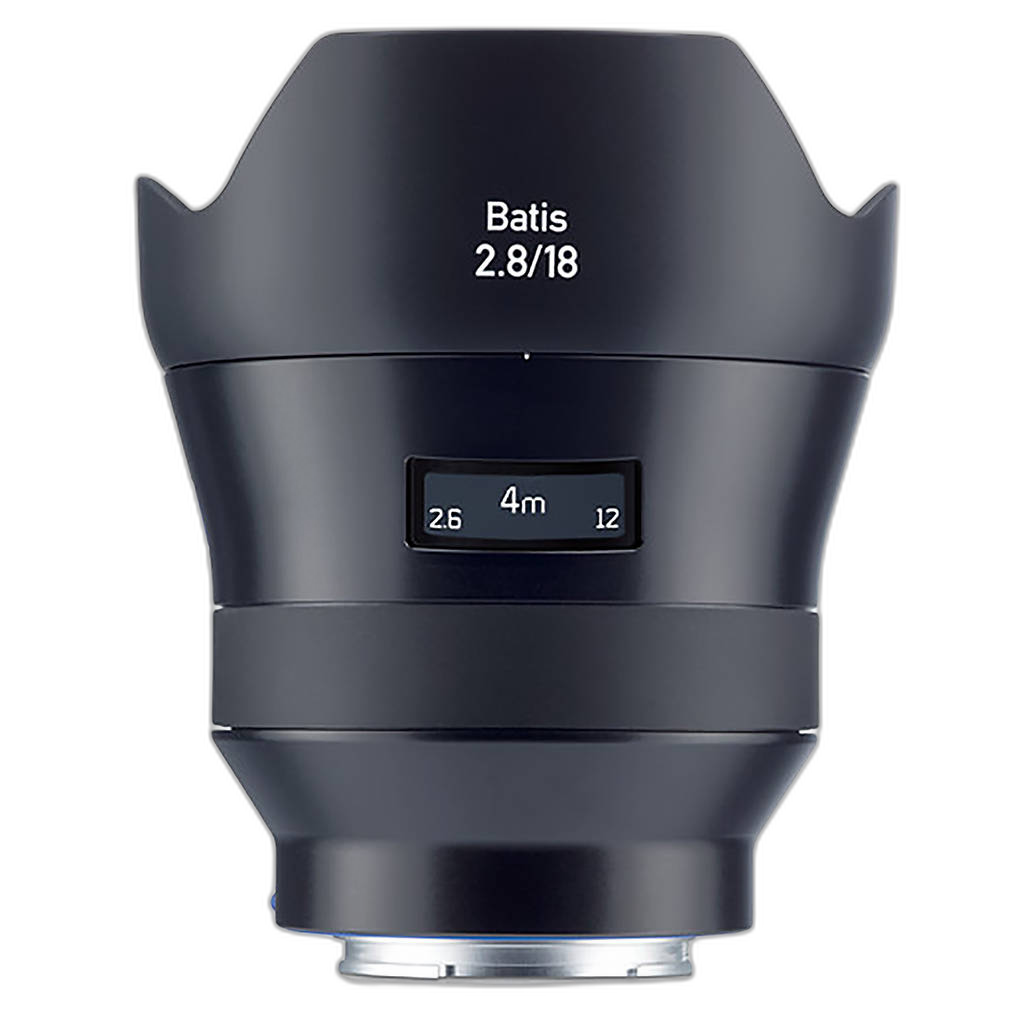
Both work—choose based on your style and access. Zooms (like a 24–70mm and 70–200mm) are versatile when you can’t predict distance. Primes are lighter, often faster, and help establish a consistent visual voice. For environmental storytelling on Sony full-frame E-mount, an ultra-wide prime can be a standout choice. The Zeiss Batis 18mm f/2.8 offers fast autofocus and crisp rendering that keeps context in the frame while your subject remains the hero.
Which focal lengths cover most feature assignments?
Many storytellers rely on a three-lens set: a wide (16–24mm) for scene-setters, a normal (35–50mm) for character-driven moments, and a short tele (85–135mm) for portraits and tighter details. If you shoot Sony, the Zeiss Batis 18mm f/2.8 is an excellent wide-angle anchor that pairs well with a 35mm and 85mm. Start with one lens that matches how you naturally see a scene, then add complementary focal lengths as your project demands evolve.
How should I carry and organize gear for all-day assignments?
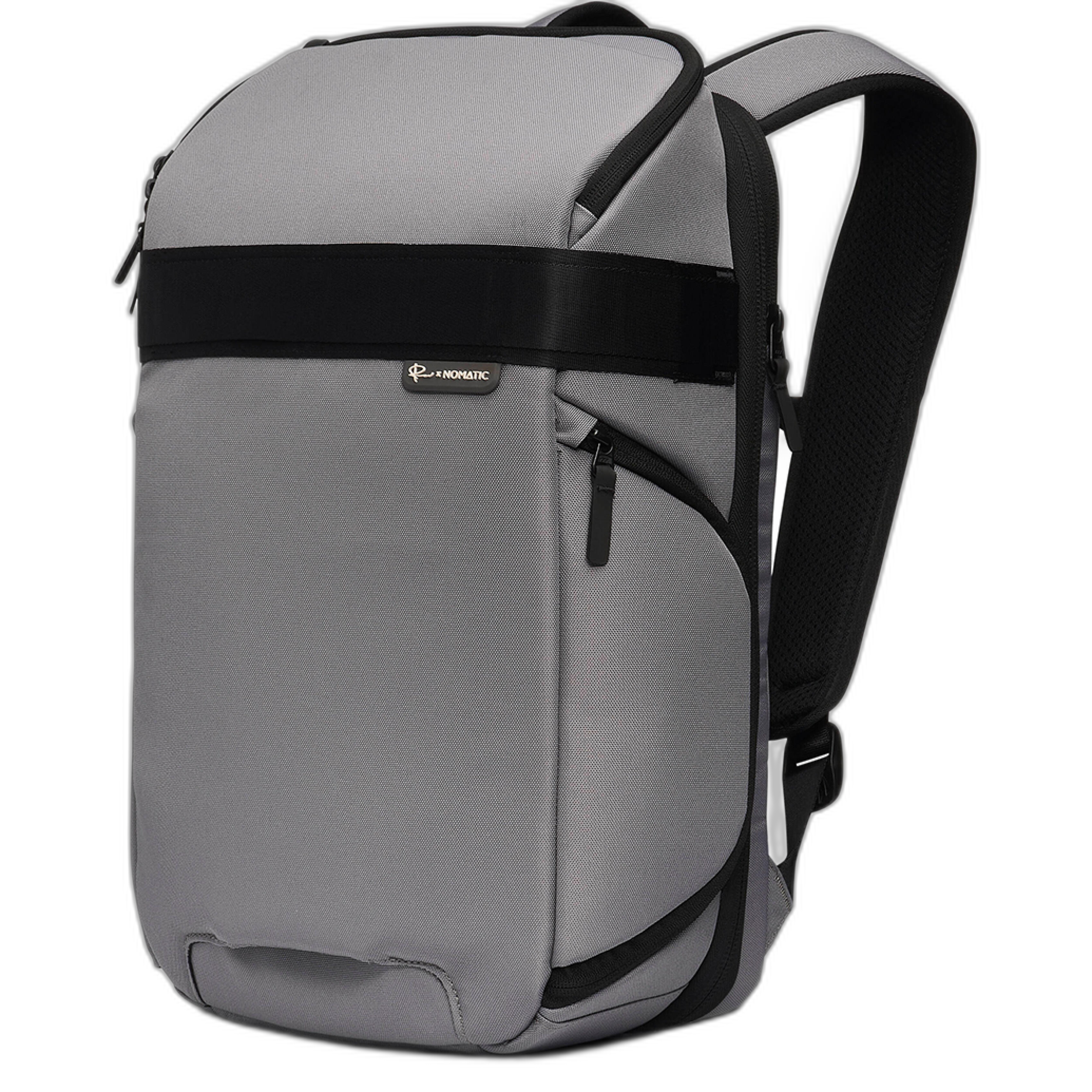
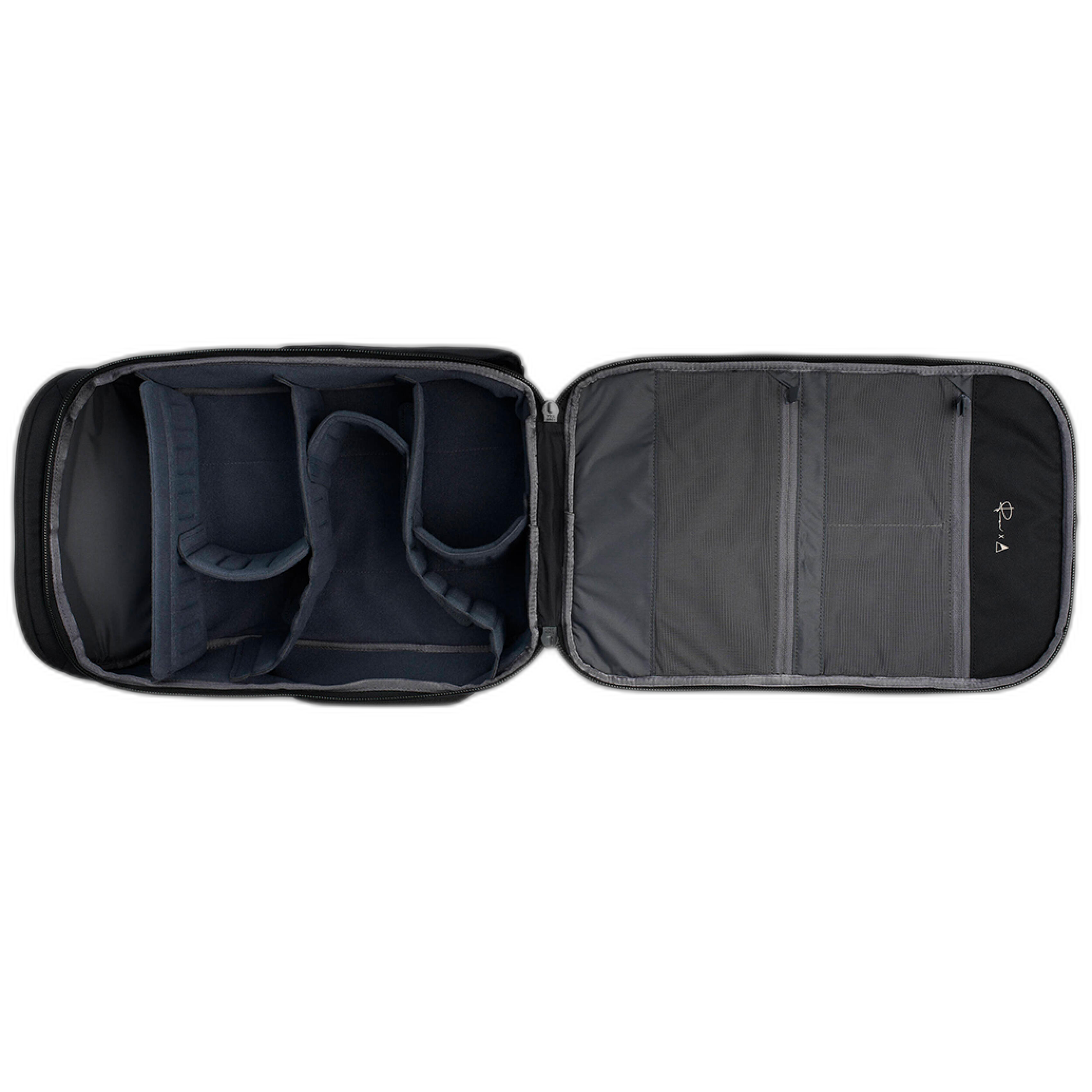
A comfortable, low-profile backpack helps you move easily while keeping essentials accessible. The Nomatic Luma Camera Pack 18L balances protection and organization in a compact footprint—great for urban features, campus stories, and travel reporting. Use dividers to keep your body and lenses snug, dedicate a top pocket to audio and cleaning tools, and keep a rain cover handy if you’ll be outdoors.
What accessories are must-haves on day one?
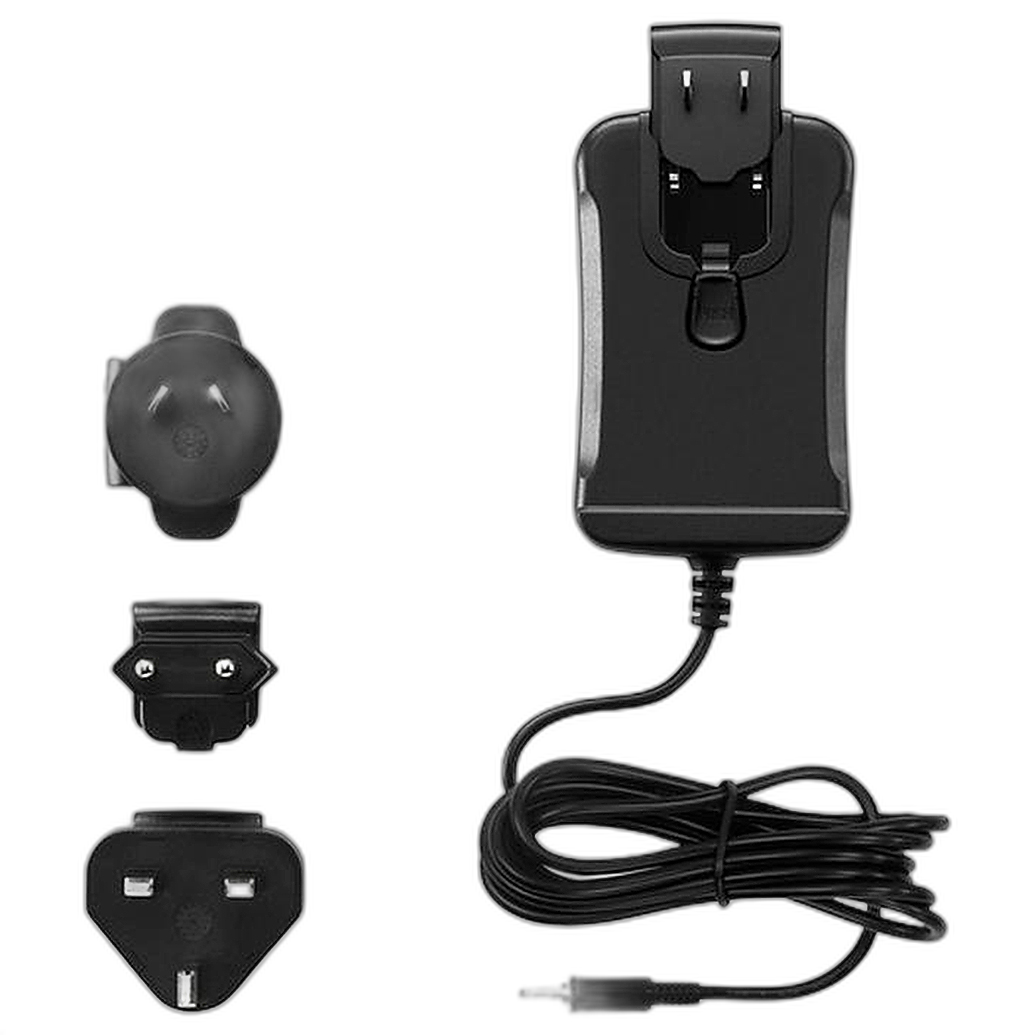
Start simple and practical: a comfortable, adjustable strap like the PGYTECH Camera Strap Slim keeps your camera ready and reduces fatigue; extra batteries and high-quality memory cards ensure you don’t miss key moments; a microfiber cloth and small blower handle dust; and a compact LED plus a small on-camera mic improve hybrid photo/video capture. If you’re shooting with a Blackmagic Pocket Cinema Camera for video-centric features, a reliable AC adapter like the Blackmagic Design Power Supply is invaluable for interviews or long sit-downs.
How do I manage power and media during long days?
Charge the night before and rotate batteries methodically (full-to-camera, depleted-to-charger). Bring a compact USB-C PD power bank if your system supports in-camera charging. Offload cards at breaks using a fast reader, and set your camera to dual-record (RAW+JPEG or dual-card redundancy) when the stakes are high. For video-focused kits like the Blackmagic Pocket Cinema Camera, stable AC power on interviews prevents mid-take battery swaps while keeping batteries fresh for run-and-gun b-roll.
Do warranties and service plans matter for storytellers?
Yes—projects can run for weeks, and gear inevitably sees heavy use. Manufacturer plans help reduce risk and downtime. Nikon shooters can look to Nikon Care 2-Year Camera Warranty for eligible bodies. Moving into cinema workflows? If you’re building around a RED KOMODO-X, consider the RED Extended Warranty for added peace of mind during ongoing production schedules.

Is there value in shooting film for feature stories?
Absolutely—film can add tactile, evocative moments to your narrative package. A Polaroid SX-70 can produce instant prints that engage subjects and contribute to the story’s artifacts. Vintage rangefinders or classics are inspiring tools too; just be mindful of condition if you’re considering older cameras that may need service before assignment use. If you go this route, keep film as a complementary element while your digital kit handles speed and deliverables.
Wherever your feature takes you—from tight apartments to busy streets—Unique Photo has the lenses, bags, power solutions, and service options to support your storytelling. Visit us in New Jersey or shop online to build a kit that fits your narrative style.