Beginner DSLR vs Mirrorless: What New Shooters Need to Know
Picking your first interchangeable-lens camera used to be simple: start with a beginner DSLR. Today, mirrorless cameras dominate the entry level with faster autofocus, richer video features, and smaller bodies. In this guide, we compare the two approaches head-to-head and highlight mirrorless bodies that make learning photography easier.
Specs Snapshot: Typical Entry-Level DSLR vs Mirrorless
These are common characteristics you’ll find on many beginner models. Exact specs vary by model and brand.
| Feature | Beginner DSLR (typical) | Beginner Mirrorless (typical) |
|---|---|---|
| Body size/weight | Larger, due to mirror/prism; more hand-filling grip | Smaller/lighter with shorter flange distance |
| Viewfinder | Optical (OVF); no real-time exposure preview | Electronic (EVF); live exposure/white balance preview |
| Autofocus coverage | Phase AF through OVF, clustered toward center; live view AF can be slower on older bodies | On-sensor AF with wide frame coverage; often includes face/eye/subject detection |
| Burst/continuous shooting | About 3–7 fps on most entry models | Faster bursts are common; electronic shutters enable higher rates |
| Video features | 1080p on many; limited AF and monitoring | 4K on most current models; better AF and tools for creators |
| Stabilization | In-body stabilization rare at entry level; some stabilized lenses | Some models include in-body stabilization; lens IS/OIS common |
| Battery life | Generally longer (optical VF is power-friendly) | Shorter (EVF/LCD consume power); USB charging often available |
| Lens ecosystem | Mature DSLR mounts; strong new/used lens availability | Growing native mounts; excellent adaptability to legacy SLR lenses |
| Connectivity | Wi‑Fi/Bluetooth on many recent models | Wi‑Fi/Bluetooth are standard on most |
| Price outlook | Attractive used/clearance options | Wide range; frequent body+kit lens bundles |
Category-by-Category Analysis
Size and Handling
Mirrorless bodies trim the mirror box for lighter, smaller packages that slip into smaller bags. This is a big win for travel and everyday carry. DSLRs typically offer roomier grips and a familiar feel, which some beginners find steadier with longer lenses. If you prefer minimum weight and a compact kit, mirrorless takes it.
Autofocus and Speed
On-sensor autofocus is the headline advantage for mirrorless. You get broad frame coverage and intelligent subject detection that locks onto faces and eyes—great for portraits, pets, and action. Entry DSLRs focus well through the optical finder but tend to concentrate AF points near the center and can lag in live view. For moving subjects and effortless snapshots, mirrorless wins.
Image Quality
Both camps deliver excellent stills. Most beginner DSLRs feature APS‑C sensors; beginner mirrorless bodies commonly use APS‑C or Micro Four Thirds. Differences you’ll notice more than sensor type: lens quality, exposure technique, and post‑processing. Choose the system that supports the lenses and features you’ll actually use, not just the spec sheet.
Video and Vlogging
Mirrorless is built for creators. Most current models offer 4K recording, reliable autofocus during video, and convenient flip screens on many bodies. Beginners who plan to vlog, stream, or make family videos will appreciate the EVF/LCD exposure preview and modern codecs.
Lenses and System Growth
DSLRs boast decades of lenses—including a healthy used market—at friendly prices. Mirrorless systems, however, are expanding quickly and adapt legacy DSLR lenses via simple adapters. Canon’s RF‑S, Fujifilm’s X mount, and the Micro Four Thirds alliance now offer broad native lineups spanning affordable primes to pro zooms.
Battery Life and Practicalities
DSLRs usually run longer on a single charge. Mirrorless cameras balance this with USB charging and smaller chargers—handy for travel. Carrying a spare battery is an easy workaround.
Learning Curve and Fun Factor
Nothing accelerates learning like feedback. Mirrorless EVFs show exposure and white balance live, reducing guesswork and missed shots. DSLRs teach fundamentals well too, but you’ll rely more on reviewing images after the shot. If you’re a visual learner, mirrorless shortens the path to consistent results.
Our Pick: Mirrorless for Most Beginners
For ease of learning, modern autofocus, and creator‑friendly video, we recommend starting with a mirrorless camera. A few standout choices available at Unique Photo:
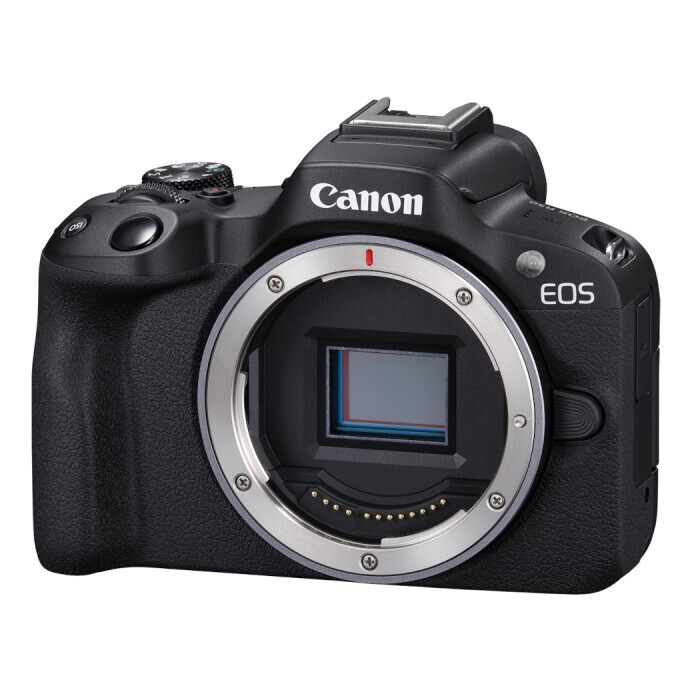
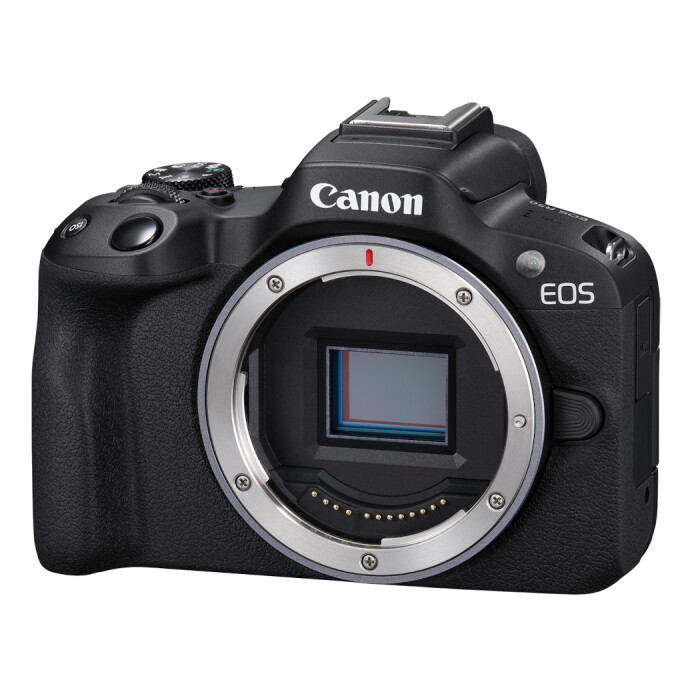
- Canon EOS R50 — A compact, beginner‑friendly body with smart autofocus and 4K video that’s ideal for everyday shooting and content creation.
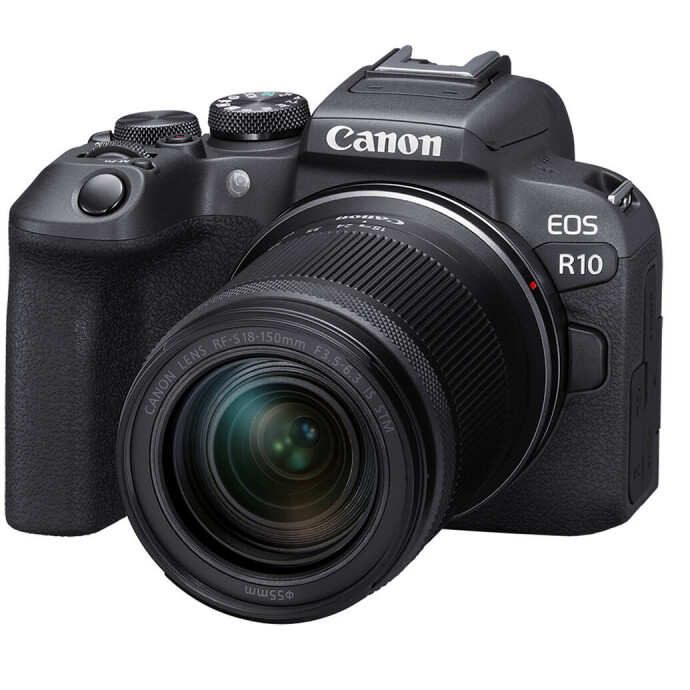
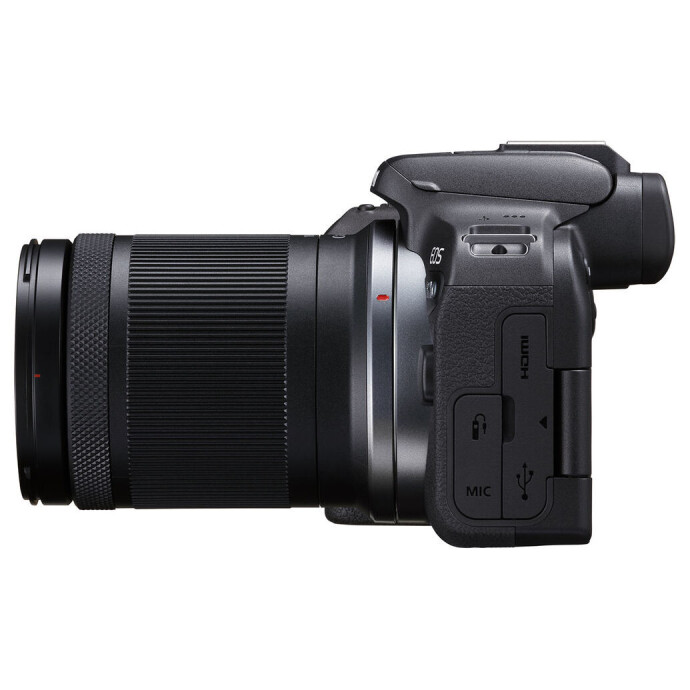
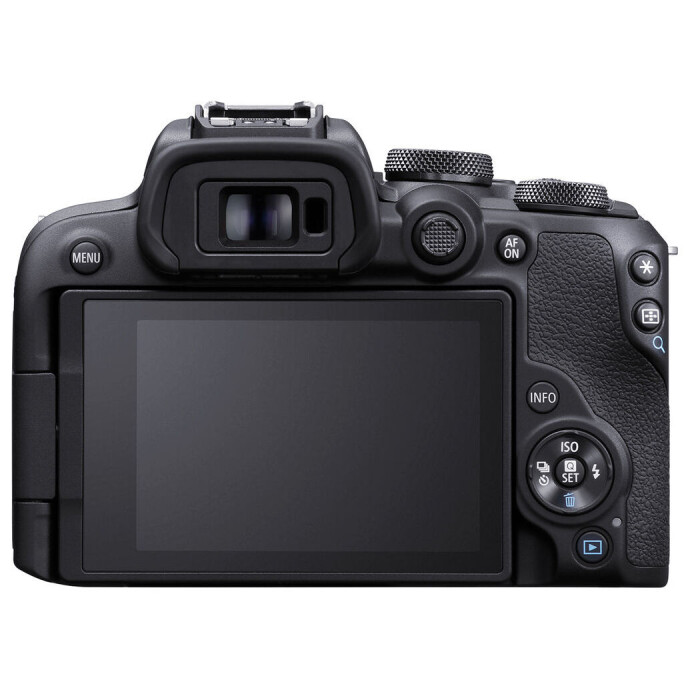
- Canon EOS R10 with 18–150mm — Great for action and travel, this kit adds a far‑reaching zoom and responsive handling for an all‑in‑one starter setup.
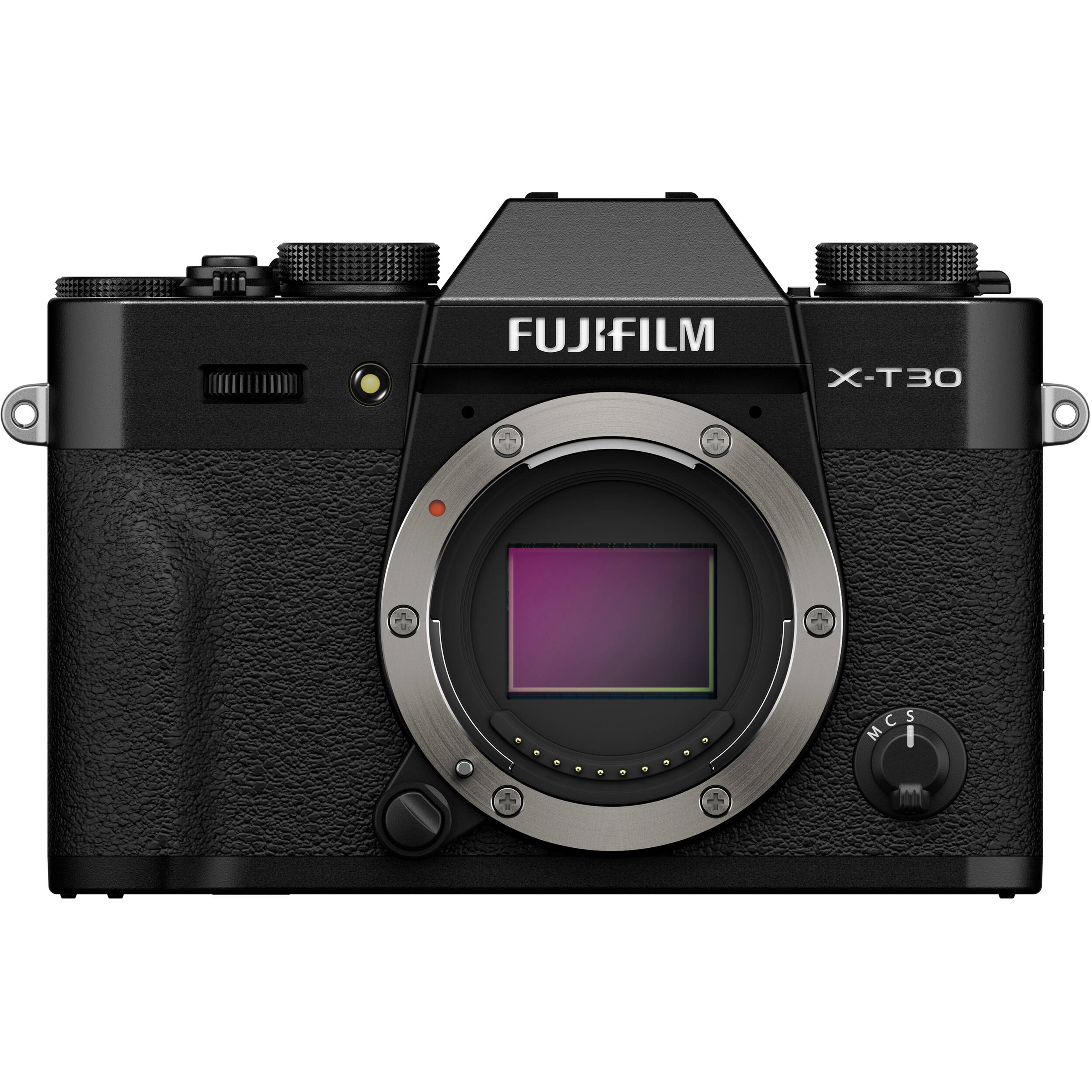
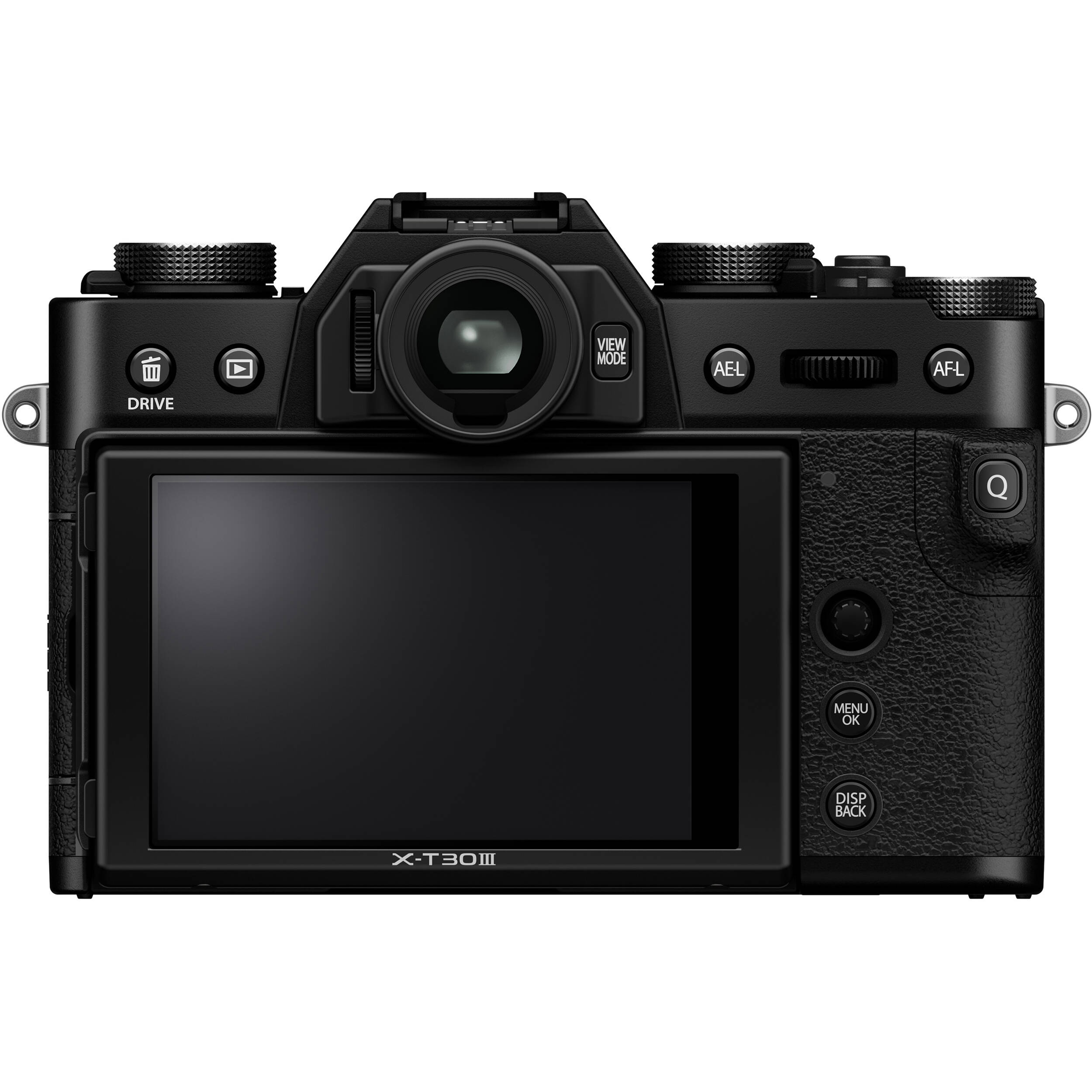
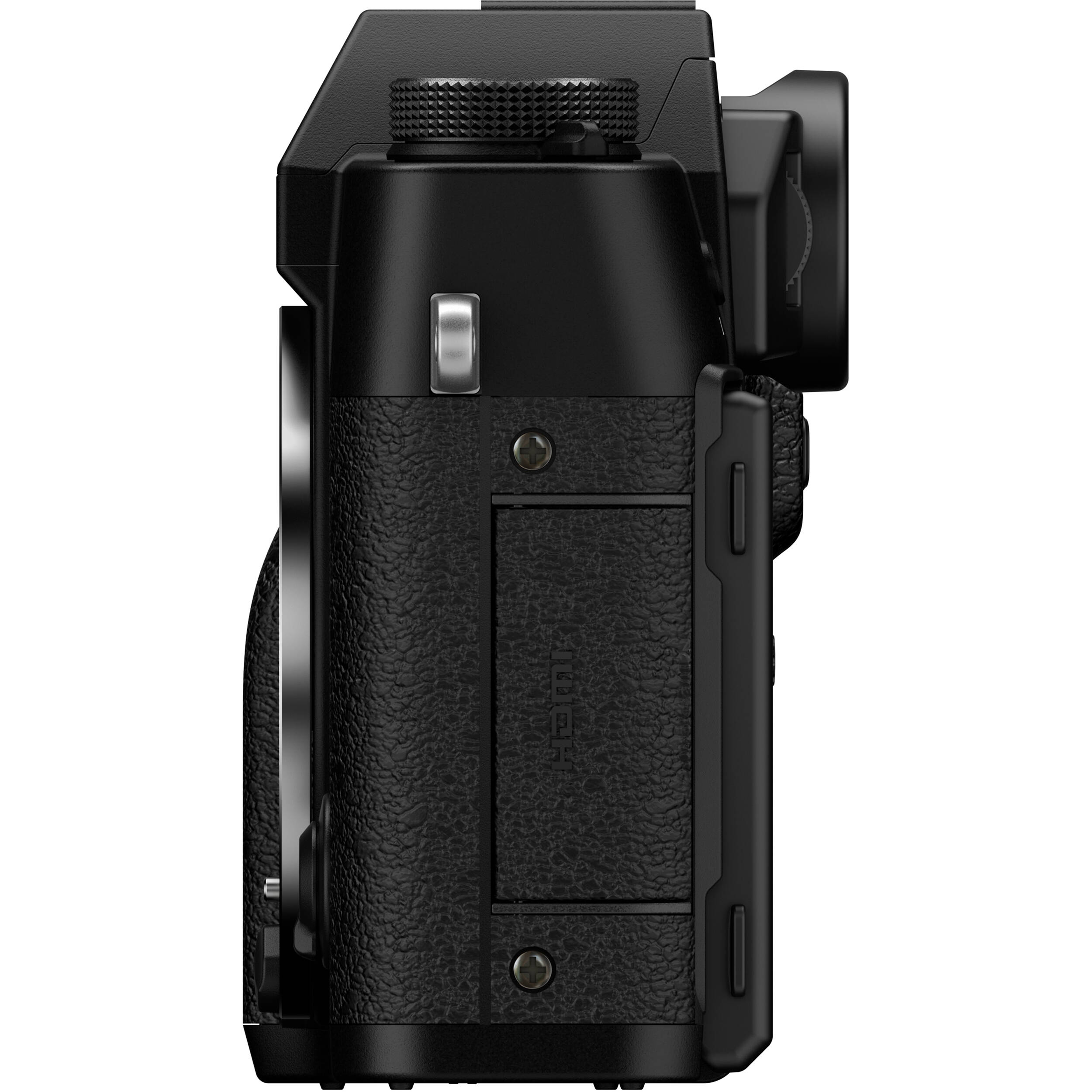
- Fujifilm X‑T30 III — Classic dials and acclaimed color science make learning exposure intuitive and fun, with a compact body that’s easy to carry.
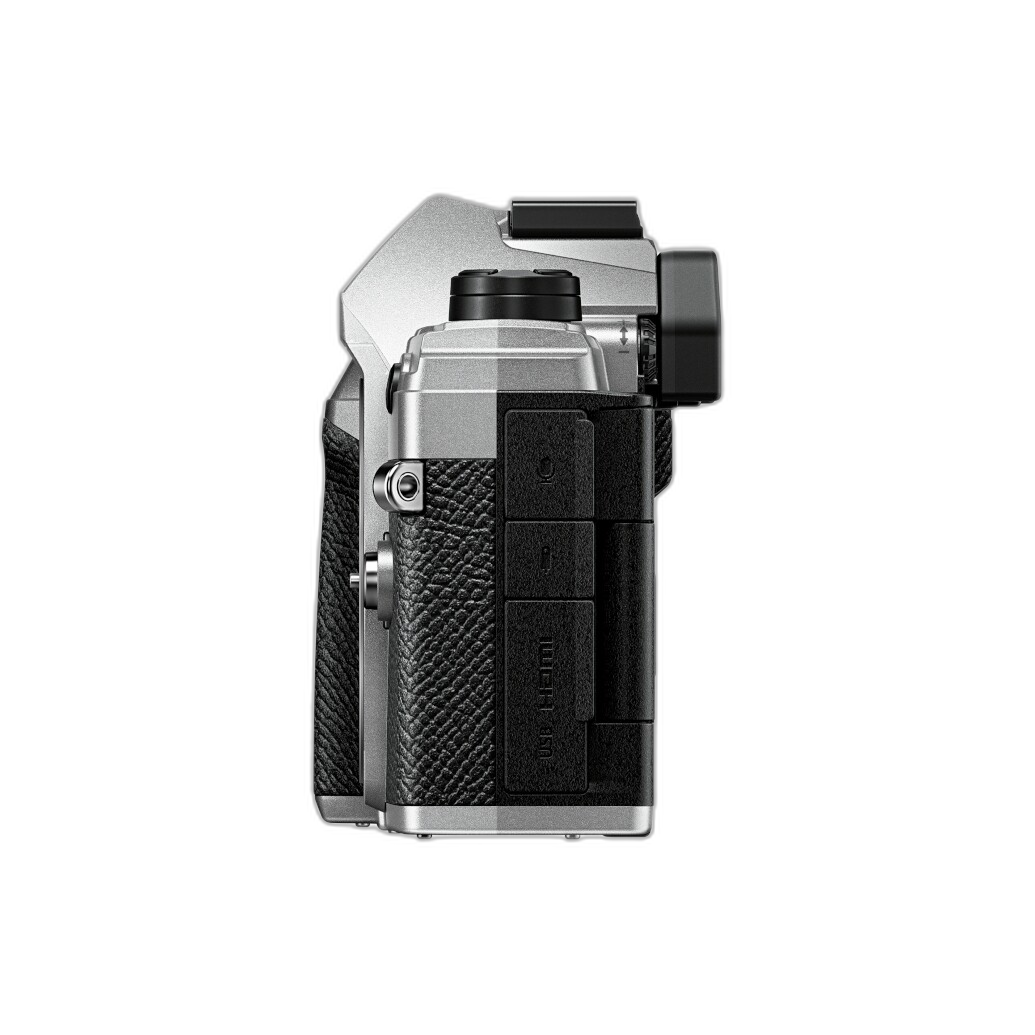
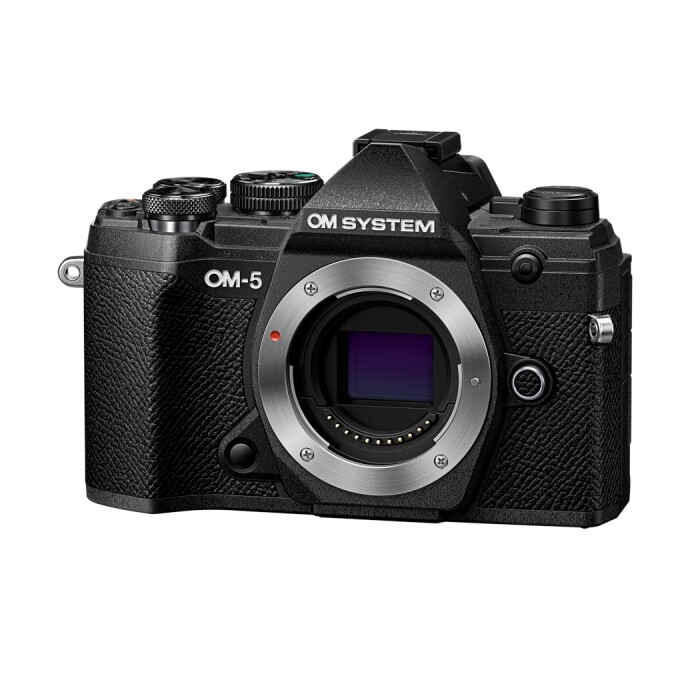
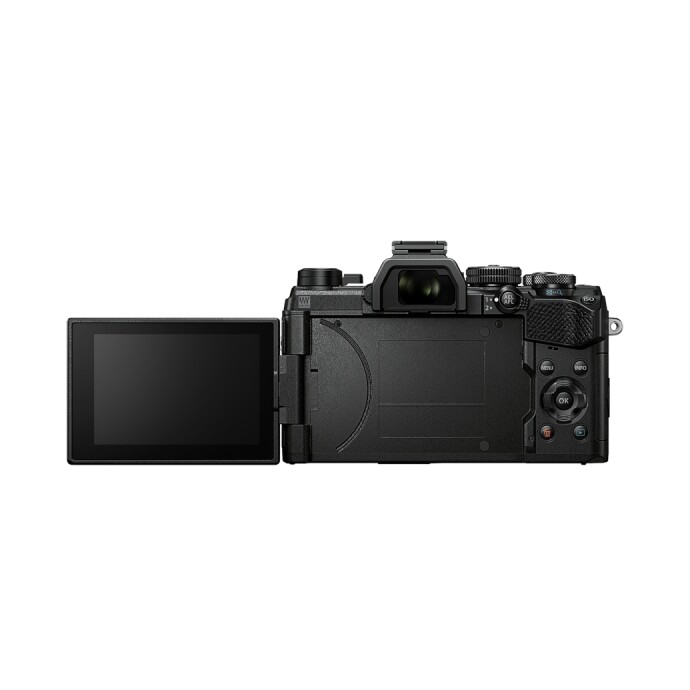
- OM SYSTEM OM‑5 — A rugged, travel‑ready option with strong stabilization and weather resistance in a small body—perfect for hikers and adventure shooters.
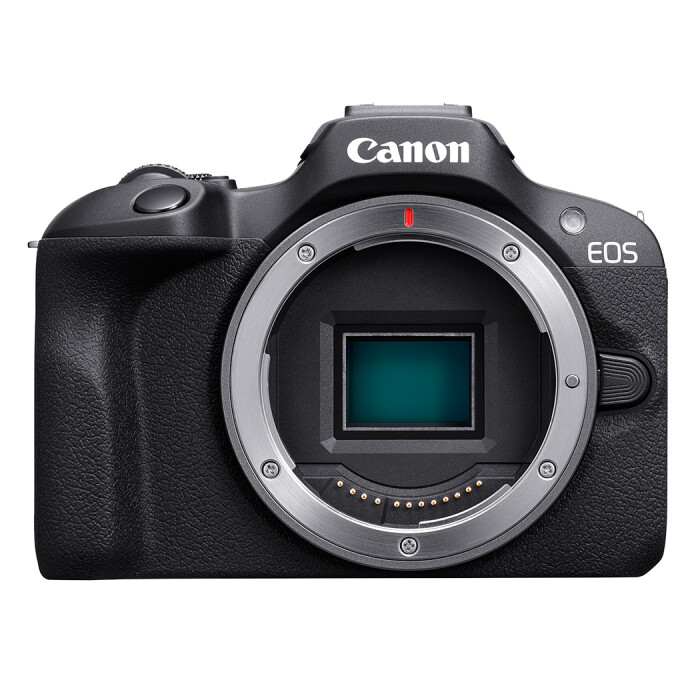
- On a tight budget? Canon EOS R100 offers an affordable entry into the RF‑S system with room to grow into lenses and accessories.
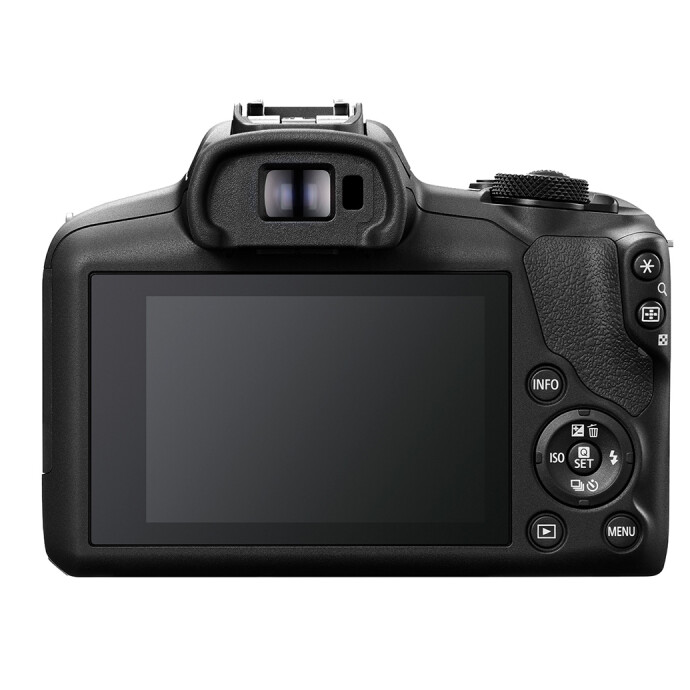
When might you still pick a DSLR? If you absolutely prefer an optical viewfinder and maximum battery life, a DSLR remains a solid learning tool—especially if you plan to build around the used lens market. Just note that mirrorless momentum (and new features) is strongest right now.
Conclusion
Whether you choose a beginner DSLR or jump into mirrorless, the best camera is the one that keeps you shooting. Visit Unique Photo online or in store to compare bodies in hand, get expert advice, and find the right kit for your goals. Our team can help you pick lenses, accessories, and classes to kick‑start your creativity.