Introduction: Choosing Your First Real Camera System
If you are learning photography and trying to decide between a beginner DSLR and a mirrorless camera, the short answer is this: for most new photographers today, mirrorless is the smarter long-term investment, while a used DSLR can still be an excellent low-cost way to learn fundamentals. The real decision comes down to budget, learning style, lens roadmap, and how serious you are about growing into a modern camera system.
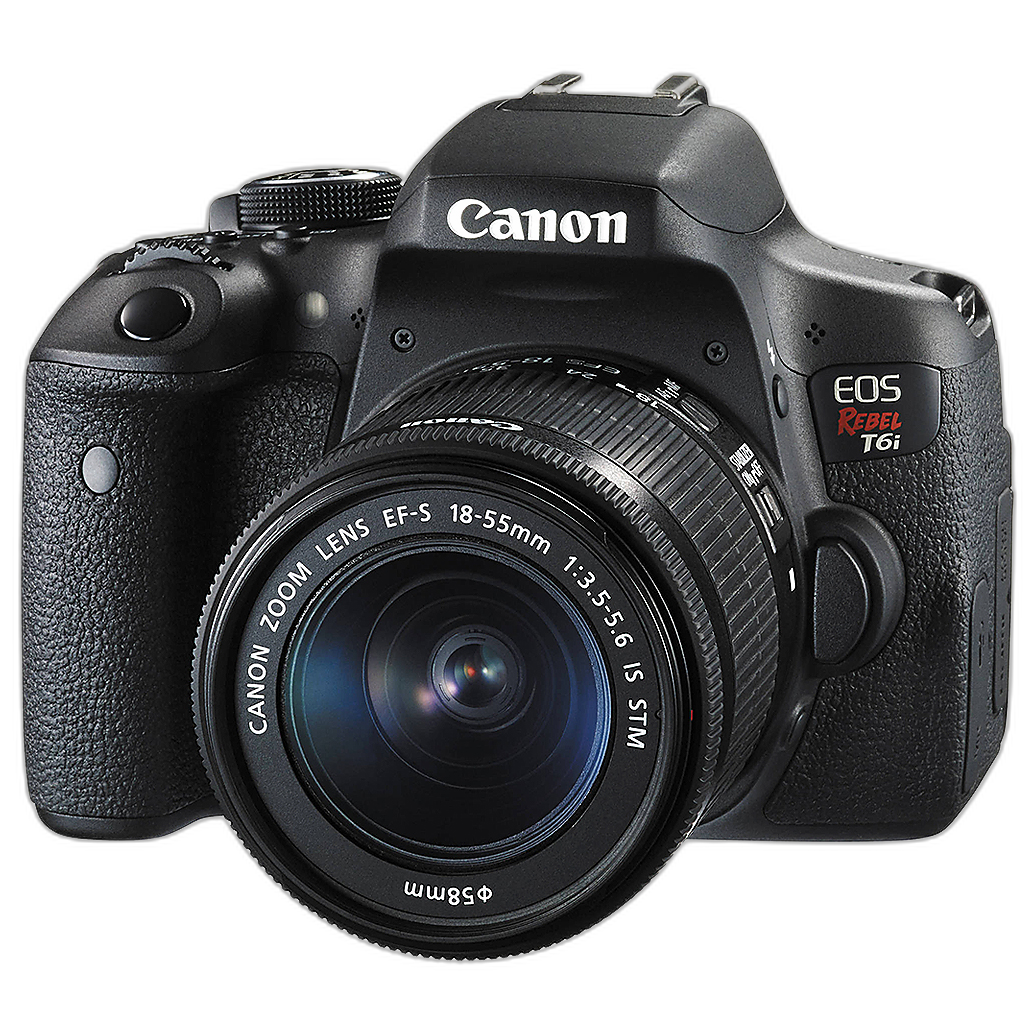
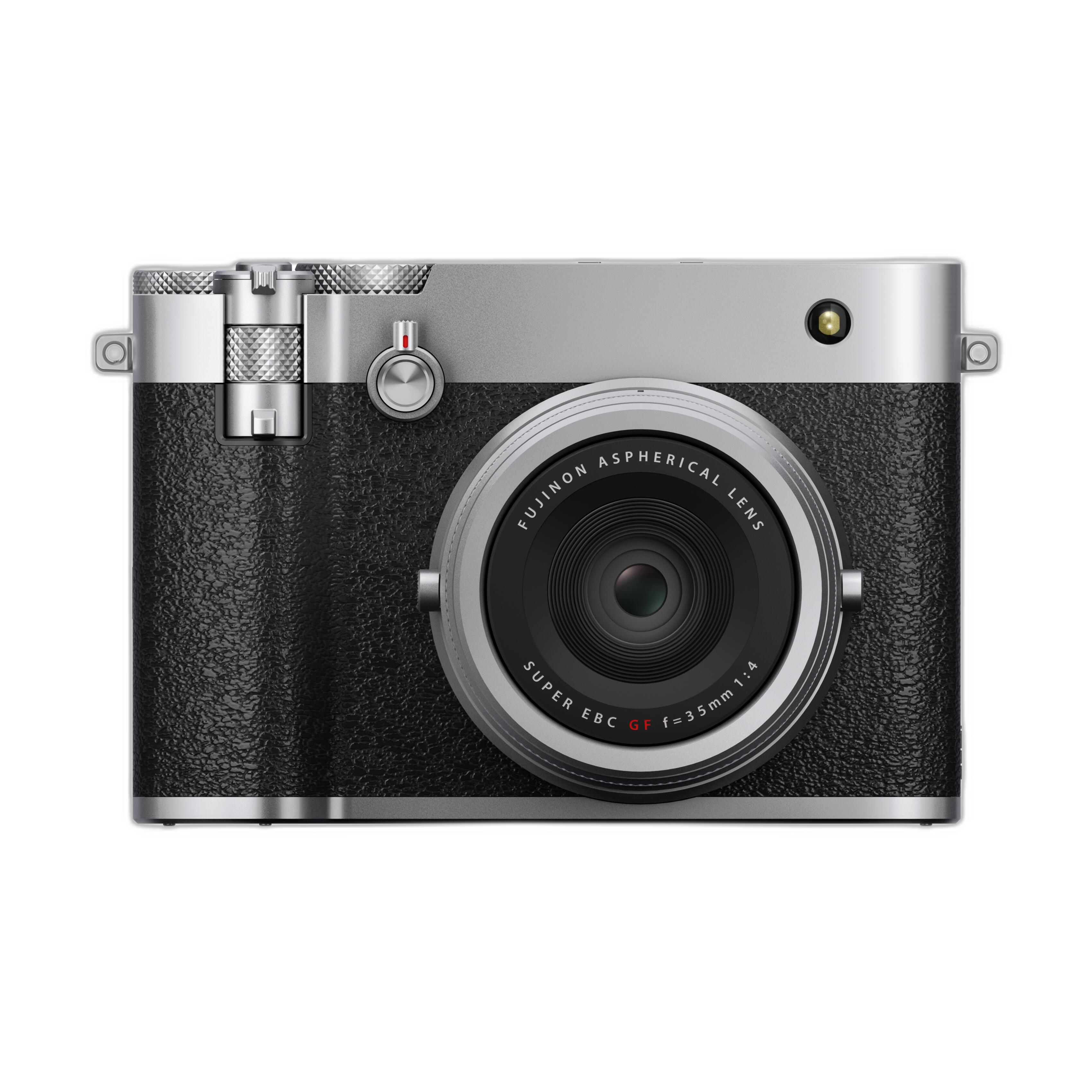
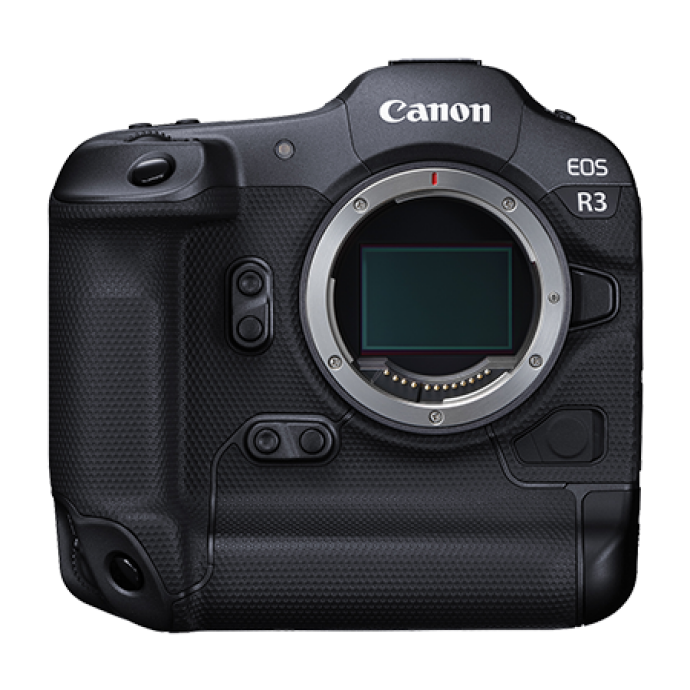
For this comparison, it helps to look at real-world examples. On the DSLR side, a camera like the Used Canon T6i w/ 18-55mm f/3.5-5.6 STM - Excellent represents the classic beginner path: affordable, approachable, and capable of teaching exposure, focus, composition, and lens basics without overwhelming you. On the mirrorless side, today’s market ranges from compact enthusiast designs to elite professional flagships. While products like the Fujifilm GFX100RF, Nikon Z9, Sony Alpha a1, Canon EOS R3, and Fujifilm GFX100 II are not beginner-priced bodies, they clearly show where the industry has moved: mirrorless is the future of autofocus, video, viewfinders, subject detection, and lens development.
That means if you are buying to learn and keep your system for years, mirrorless generally makes more sense. But if your goal is to learn cheaply and effectively, a used DSLR can still be one of the best values in photography. Unique Photo is a strong place to buy either path, especially if you want access to current mirrorless gear and budget-friendly used equipment.
DSLR vs Mirrorless: What Beginners Need to Know
A DSLR uses an optical viewfinder and mirror mechanism, giving you a direct through-the-lens view. A mirrorless camera replaces that mirror system with an electronic viewfinder or rear screen preview. For beginners, that single difference changes the entire learning experience.
With a DSLR, you learn in a more traditional way. You take the shot, then check the rear LCD to see if exposure, white balance, or focus came out correctly. With mirrorless, what you see before shooting is much closer to what you get. Exposure preview, focus aids, zebra warnings, live histograms, and subject tracking can shorten the learning curve considerably.
That is why many first-time photographers now feel more confident with mirrorless. It gives immediate visual feedback. But DSLRs still have a valuable advantage: affordability. A good used DSLR kit often gives you body and lens access at a price that is hard to beat.
Product Positioning: A Budget DSLR vs the Mirrorless Future
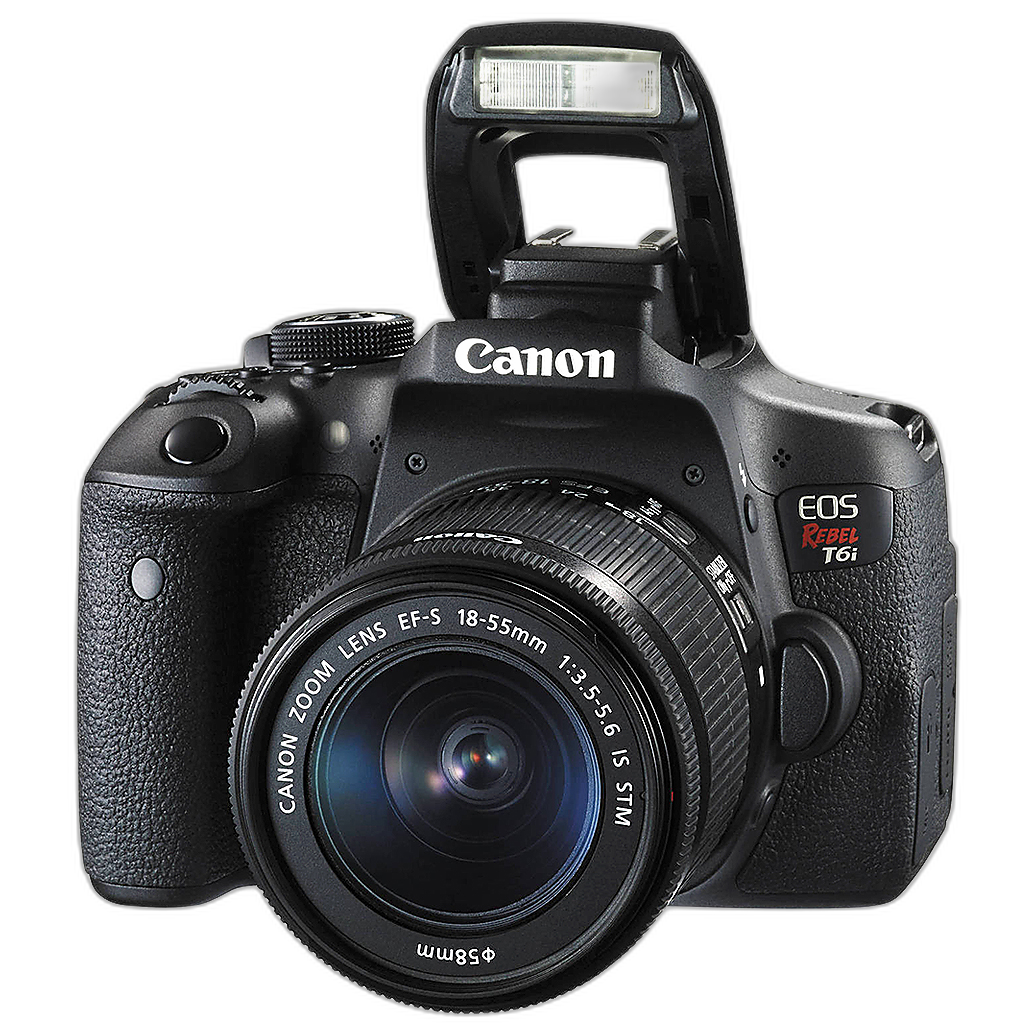
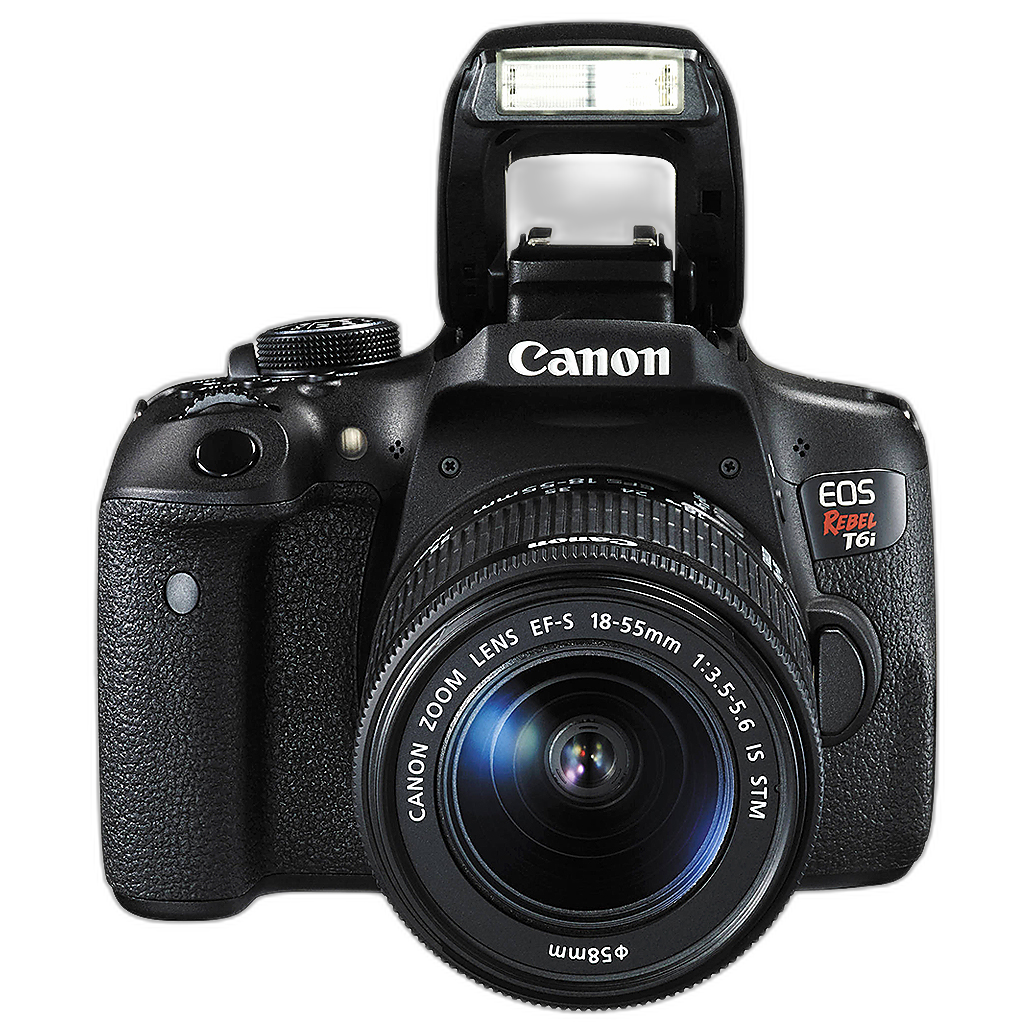
For an actual beginner buyer, the most relevant product in this group is the Used Canon T6i w/ 18-55mm f/3.5-5.6 STM. It is a practical entry point because it includes a versatile starter zoom and comes from a system with a huge ecosystem of affordable EF and EF-S lenses. For learning aperture, shutter speed, ISO, focal length, portrait basics, and everyday shooting, it remains highly useful.
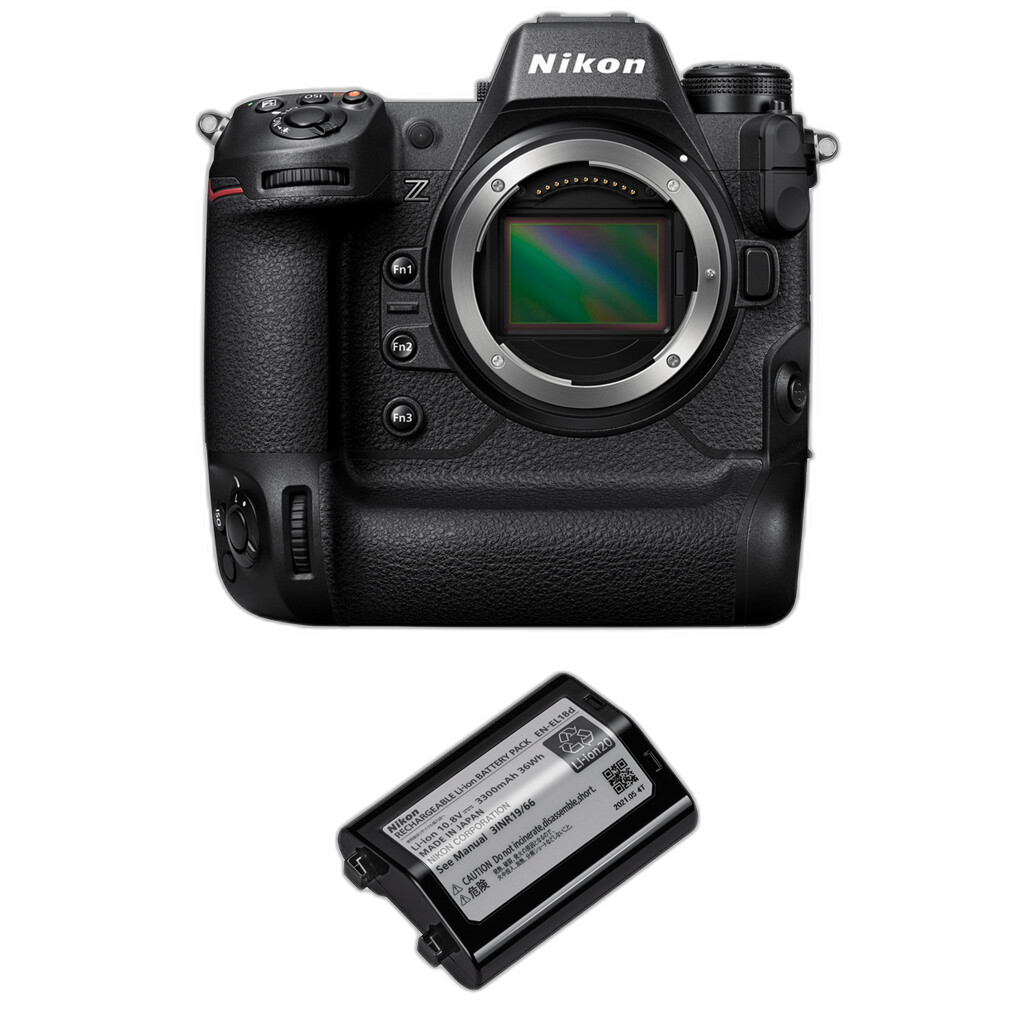
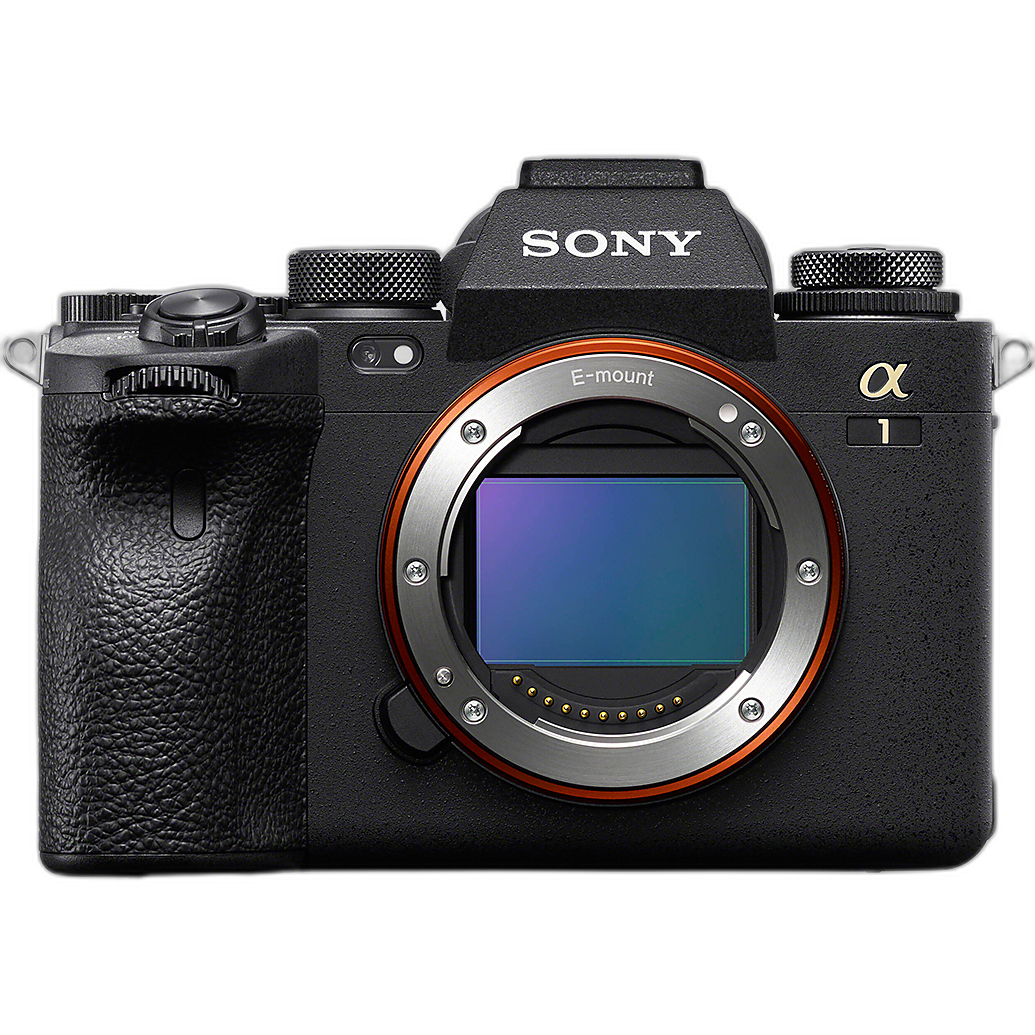
By contrast, the mirrorless products in this set represent the high end of what modern systems can do. The Nikon Z9, Sony Alpha a1, and Canon EOS R3 are professional sports, wildlife, and hybrid production cameras. The Fujifilm GFX100 II and Fujifilm GFX100RF push into medium format and premium photographic experiences. These are aspirational, not entry-level, but they are still useful in this discussion because they underline an important point: camera companies are investing their best technology in mirrorless, not DSLR.
Key Features to Consider Before You Invest
1. Learning Curve and Real-Time Feedback
This is where mirrorless has the biggest edge for beginners. Electronic viewfinders show exposure changes in real time. If you brighten exposure compensation, change white balance, or stop down aperture, you can see the effect before pressing the shutter. That makes learning more intuitive.
A DSLR like the Canon T6i teaches fundamentals very well, but it asks the beginner to interpret settings more abstractly. That can be a positive if you want to deeply understand technique, though it may slow confidence early on.
2. Autofocus Technology
Mirrorless autofocus is dramatically better in modern systems, especially for tracking eyes, faces, animals, and moving subjects. Cameras such as the Nikon Z9, Sony Alpha a1, and Canon EOS R3 are extreme examples of how far mirrorless AF has progressed. Beginners benefit from this technology because they get more keepers and less frustration.
An older DSLR autofocus system can still work well for portraits, travel, family photography, and basic action, but it will not deliver the same intelligent subject detection or edge-to-edge performance as newer mirrorless cameras.
3. System Longevity
If you are investing for the long term, mirrorless wins clearly. Lens roadmaps, new body development, autofocus innovation, and video features are all centered around mirrorless platforms. Buying into mirrorless means your upgrade path is more future-facing.
DSLR systems are mature and still very usable, but they are no longer the main development priority for most brands. That does not make them bad; it simply means they are better viewed as value systems than as forward-looking ones.
4. Cost of Entry
This is where DSLR still has real strength. A used DSLR kit, especially one like the Canon T6i with an 18-55mm lens, offers a lower-risk entry point. You can learn composition, exposure, depth of field, flash basics, and lens behavior without spending mirrorless money.
Mirrorless bodies and lenses often cost more at the start, though used mirrorless options can help. If your budget is tight, a used DSLR may leave more room for accessories like a tripod, memory card, camera bag, or an extra lens.
5. Size, Handling, and Shooting Experience
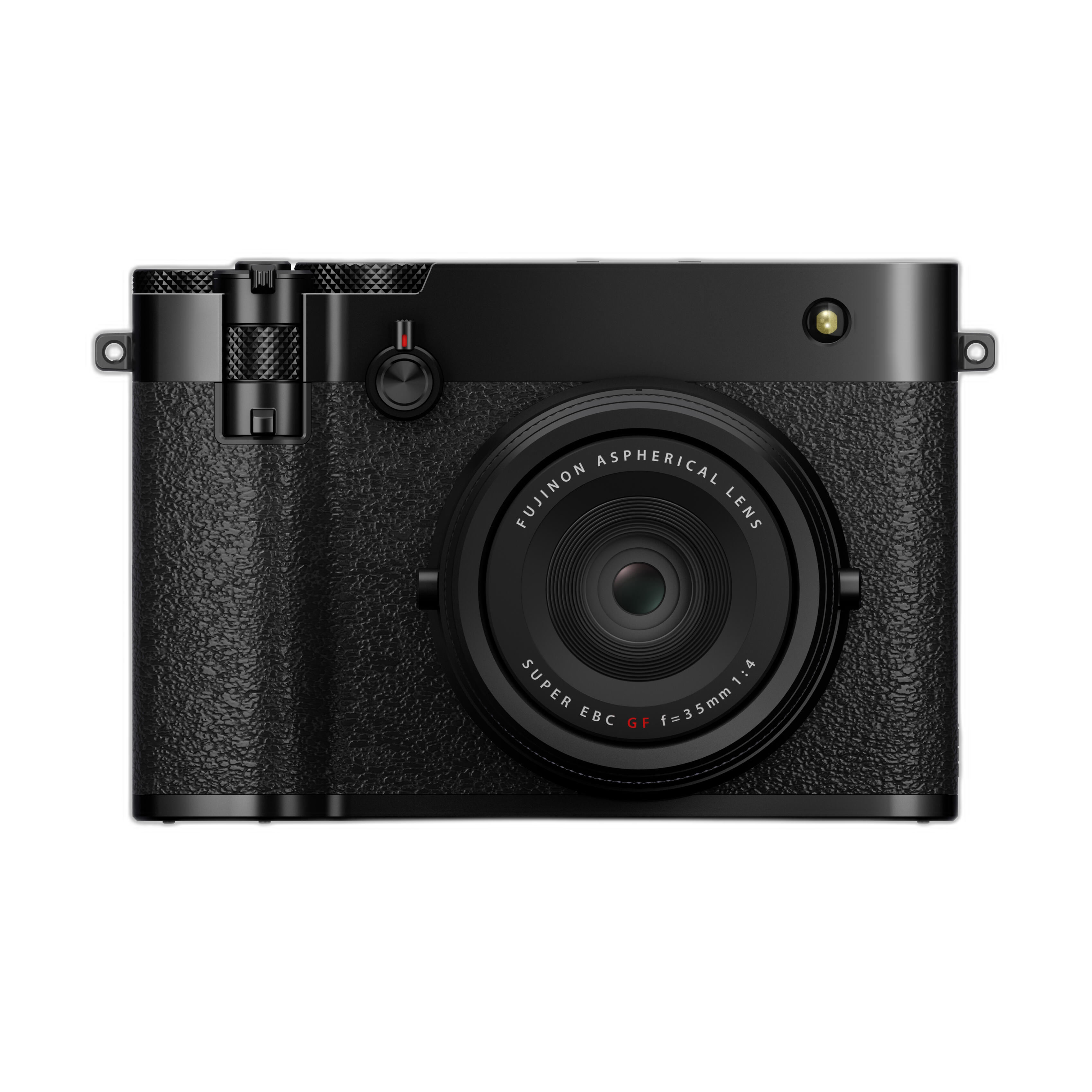
Many beginners assume mirrorless always means smaller, but that depends on the camera. The Fujifilm GFX100RF shows how mirrorless can deliver a premium, elegant design with a relatively streamlined profile. Meanwhile, pro mirrorless bodies like the Nikon Z9 or Canon EOS R3 are large, robust tools designed for intensive professional use.
The Canon T6i DSLR has familiar ergonomics and a comfortable grip that many learners still enjoy. For some photographers, the tactile feel of a DSLR helps them engage more intentionally with the craft.
6. Video and Hybrid Creativity
If your learning path includes video, content creation, or social media production, mirrorless is usually the better investment. Modern mirrorless systems offer stronger autofocus in video, better live preview tools, and more current hybrid features.
For still photography only, a DSLR remains enough for many learners. But for a mixed photo-video workflow, mirrorless is the safer system choice.
How the Featured Cameras Fit Into the Decision
Used Canon T6i w/ 18-55mm f/3.5-5.6 STM - Excellent
This is the standout beginner value in the lineup. It is not flashy, but it is practical. The included zoom lens covers everyday focal lengths, and the camera gives you manual controls, interchangeable lenses, and a straightforward shooting experience. If your top priority is learning photography on a sensible budget, this is exactly the kind of used DSLR setup worth considering.
Fujifilm GFX100RF Mirrorless Digital Camera
The GFX100RF, shown here in silver and black finishes, is not a beginner-budget camera, but it represents mirrorless as a premium photographic tool. Its appeal is more about image quality, design, and serious still photography than entry-level learning. For most beginners, this is an aspirational camera rather than a first purchase, though it clearly demonstrates how attractive modern mirrorless systems have become.
Nikon Z9, Sony Alpha a1, and Canon EOS R3
These are flagship mirrorless cameras aimed at professionals. They are far beyond what a typical beginner needs, but they illustrate a central truth: the best autofocus, electronic viewfinders, tracking performance, and future development now live in mirrorless. If you start in a mirrorless ecosystem, you are entering the same family of technology that powers these elite cameras.
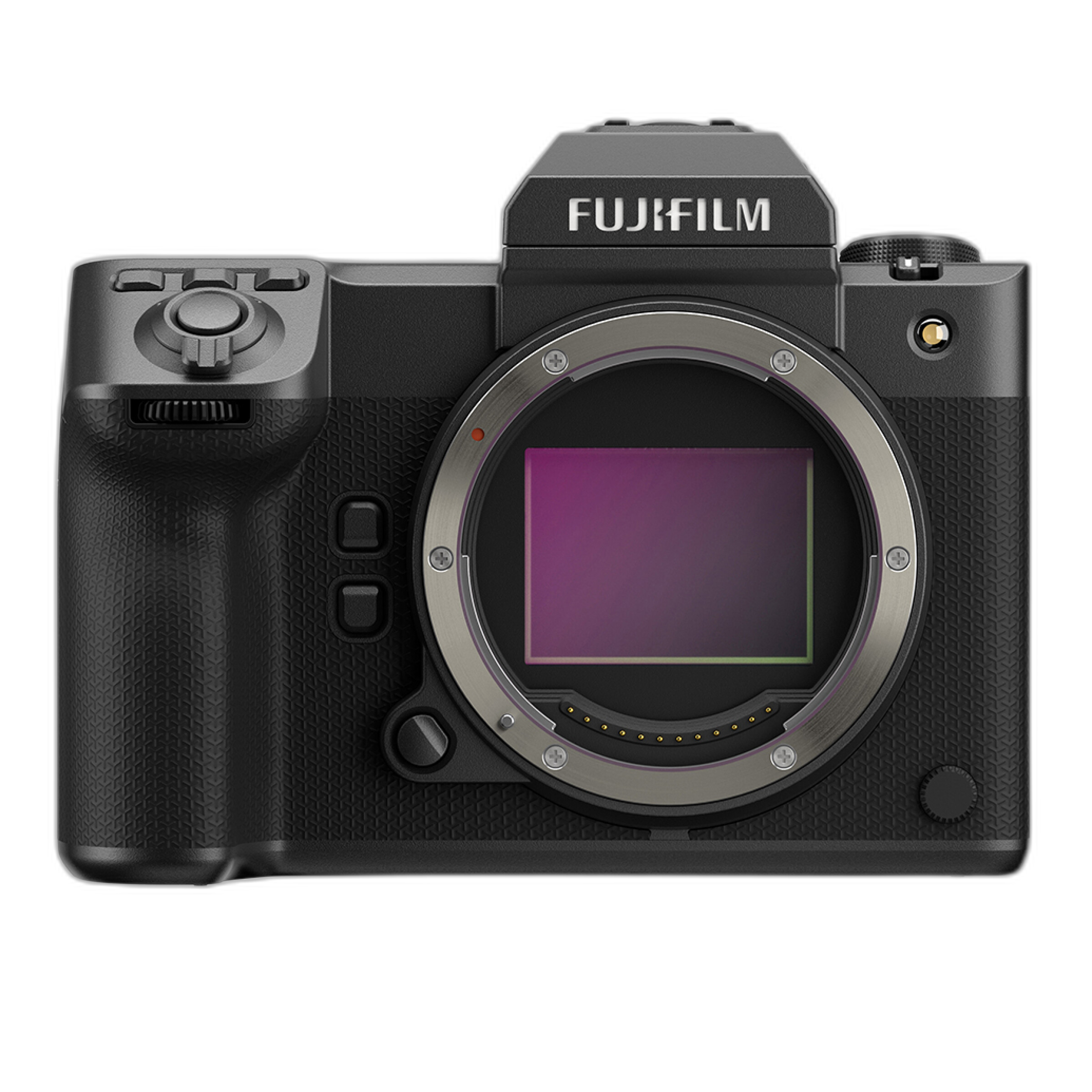
Fujifilm GFX100 II
The GFX100 II is another example of mirrorless leading advanced image quality and professional creative potential. For a beginner, it is overkill. For the market, it is proof that mirrorless is where companies are pushing innovation across every tier, from compact to medium format.
Pros and Cons
Why a Beginner DSLR Still Makes Sense
- Lower entry cost, especially in used kits
- Excellent for learning exposure and core photographic technique
- Huge availability of affordable legacy lenses and accessories
- Optical viewfinder experience appeals to many traditional photographers
- A used option like the Canon T6i kit can be a very smart starter purchase
Why a Beginner DSLR Can Be Limiting
- Older autofocus systems compared to mirrorless
- Less real-time visual feedback while learning
- Less future-proof as brands focus on mirrorless development
- Video features and hybrid usability are generally behind mirrorless
Why Mirrorless Is Usually the Better Long-Term Investment
- What-you-see-is-what-you-get preview helps beginners learn faster
- Better autofocus, eye detection, and subject tracking
- Stronger video and hybrid shooting capabilities
- Ongoing lens and body development across major brands
- Clearer upgrade path for serious growth
Why Mirrorless Is Not Always the Best First Buy
- Higher initial cost in many systems
- Advanced models can overwhelm beginners
- Lenses may be more expensive than older DSLR alternatives
- Premium mirrorless bodies like those shown here are far beyond starter budgets
Verdict: Which System Should You Invest In?
If you are asking purely from a long-term investment perspective, mirrorless is the better system for most beginners today. It is easier to learn with, more capable in autofocus and video, and better positioned for future upgrades. If you know you want to stick with photography and grow over time, mirrorless is the more strategic choice.
However, if your budget is limited and you want the most affordable, effective way to learn the craft, a used beginner DSLR like the Canon T6i with 18-55mm lens is still an excellent buy. It gives you the essentials without requiring a major financial commitment. In that sense, DSLR is not the future of camera systems, but it may still be the smartest value for a first step.
My recommendation is simple: buy mirrorless if you can comfortably afford it and want to build for the future; buy a used DSLR if you want the best low-cost learning tool right now. Either way, Unique Photo is an excellent place to shop, whether you are looking for cutting-edge mirrorless cameras or reliable used gear to start learning photography with confidence.