Thinking about your first serious camera? Forum debates often circle the same essentials: which affordable body to pick, whether to go DSLR or mirrorless, which kit lens is best, and what features truly help beginners. We distilled those conversations into straightforward tips so you can buy once, learn fast, and start creating immediately.
First-time buyer tips our community agrees on
-
Start with your goals and a realistic budget
Decide what you’ll shoot most—family events, travel, vlogging, pets, or beginner portraits. That clarity guides everything else. Many newcomers find excellent value in APS‑C mirrorless or DSLR kits; prioritize good autofocus, a responsive touchscreen, and a stabilized kit lens over niche extras you won’t use on day one.
-
DSLR vs mirrorless: pick by feel and features
Both can be great for beginners. Mirrorless bodies typically offer live exposure previews, eye-detection autofocus, and compact size—awesome for travel and video. DSLRs often deliver longer battery life, an optical viewfinder with zero lag, and deep used‑lens ecosystems. Handle both if possible and pick the one you’ll actually carry and learn with.
-
Choose the right kit lens (and know your next step)
For general use, look for a stabilized kit zoom: 16–50mm (mirrorless APS‑C) or 18–55mm (DSLR APS‑C) covers landscapes to portraits. Videographers may prefer a power‑zoom kit for smoother focal transitions. When you’re ready to grow, add a fast 50mm f/1.8 for portraits, or a wide‑angle for travel and vlogging. Sony shooters who outgrow the kit zoom love going ultra‑wide; a high‑quality option is the Zeiss Batis 18mm f/2.8 for E‑mount—lightweight, sharp, and autofocus‑friendly for dynamic scenes.

-
Autofocus and stabilization matter more than megapixels
For beginners, reliable eye/face detection and subject tracking help you nail focus without fuss. In-body stabilization (IBIS) or optical lens stabilization reduces blur for handheld photos and smoother video. Between two similarly priced cameras, pick the one with smarter AF and stabilization—even if it has fewer megapixels.
-
Usability: go for a camera that “disappears” in your hands
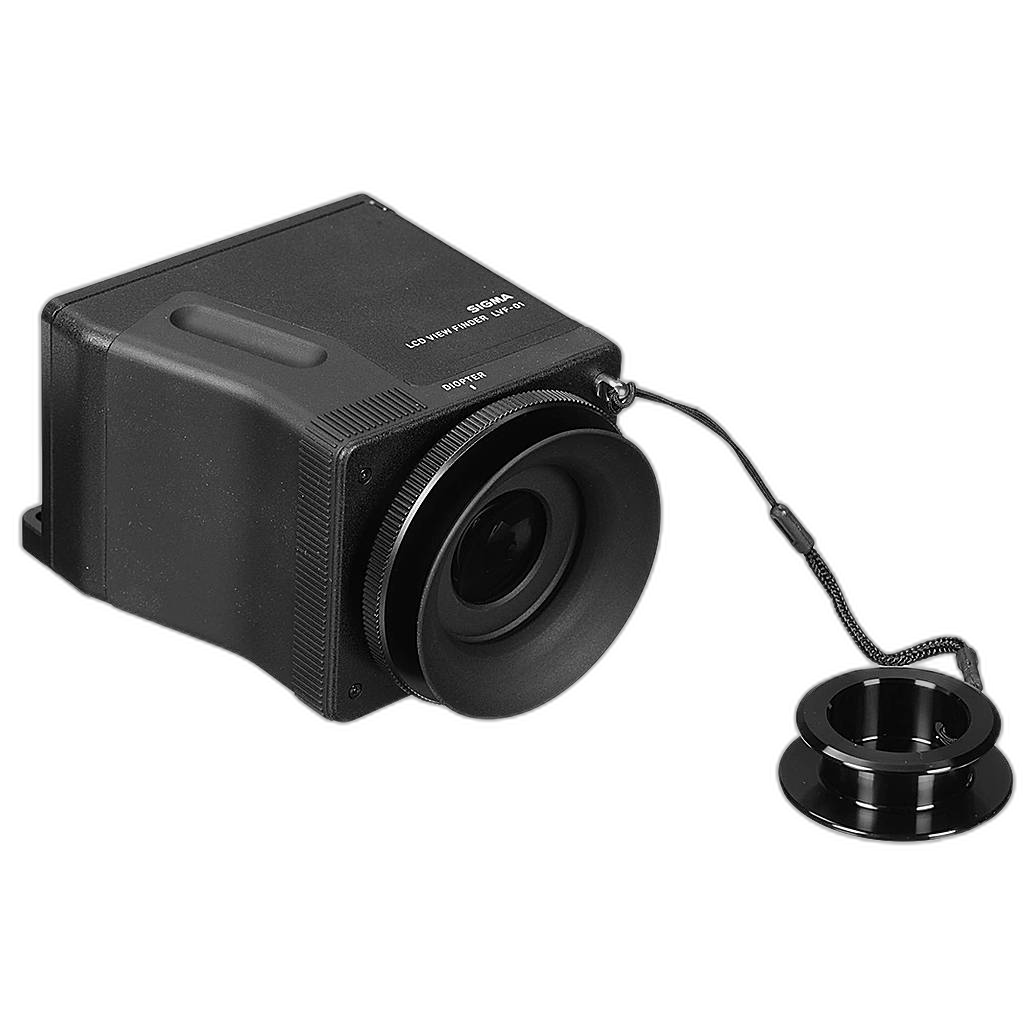
A tilting or fully articulating touchscreen, clear menus, and a good grip make learning fun. If you often shoot outdoors in bright sun, consider add-ons that make composition easier—an LCD viewfinder accessory can be a game changer on compatible cameras. For example, the Sigma LVF‑01 is designed for Sigma DP Quattro cameras to provide a more immersive, glare‑free view while composing on the LCD.
-
Video and streaming: check the small print
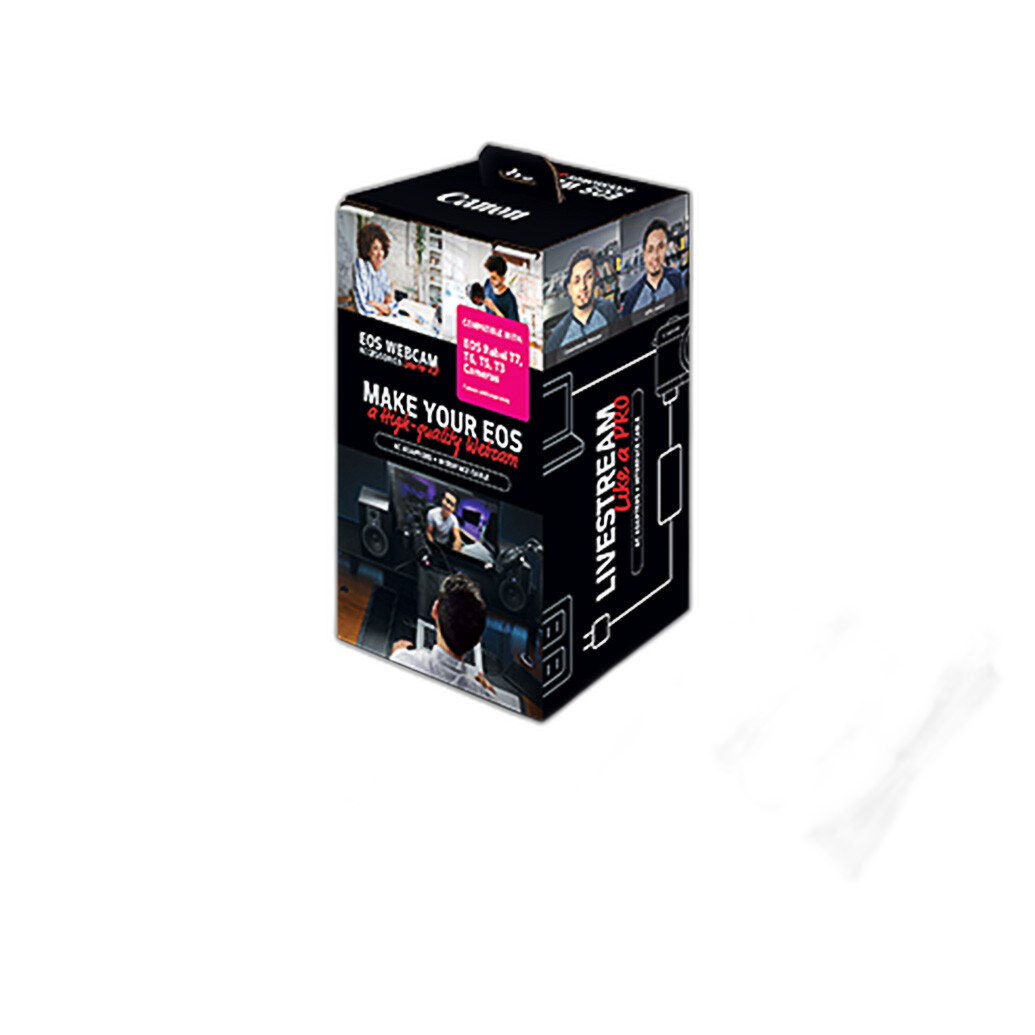
If you’ll record video or stream, look for 4K, a mic input, clean HDMI or UVC/USB streaming, and a flip screen. Canon DSLR newcomers using EOS Rebel models can repurpose their camera as a high‑quality webcam with the Canon EOS Webcam Accessories Starter Kit—great for lessons, meetings, and livestreams without extra fuss.
-
Power and endurance: plan for all‑day shoots
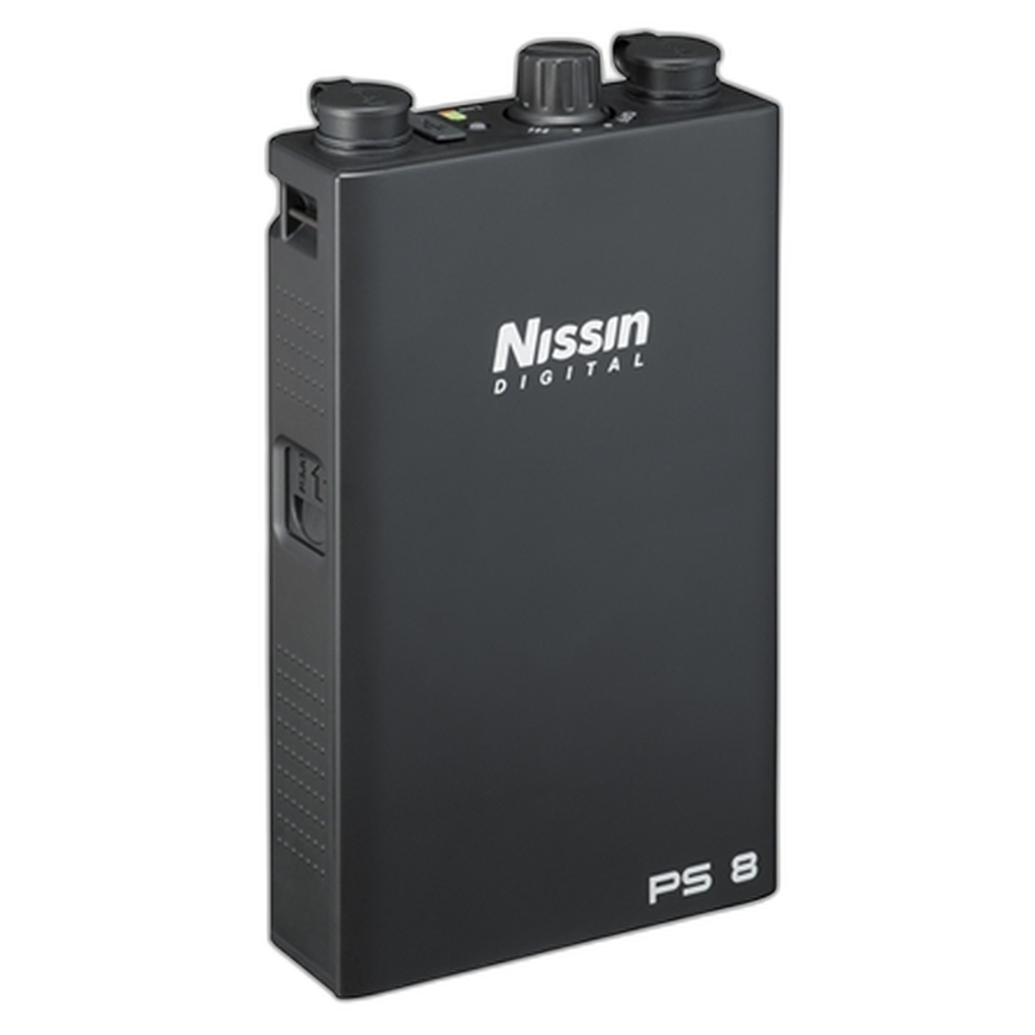
Check CIPA battery ratings and whether the camera supports USB charging. For flash-heavy events or family parties, reliable power keeps the fun going—Canon shooters who use Speedlites can add a Nissin PS 8 Power Pack to dramatically cut recycle times and keep pace with candid moments.
-
Protect your gear and keep it simple
A basic cleaning kit, a padded bag, and lens/body caps prevent common mishaps as you learn. If you’re building a Sony E‑mount kit, a quality body cap helps safeguard the sensor when swapping lenses. As your skills progress into serious video work, consider manufacturer coverage options that fit your future gear—Unique Photo carries protection plans and CarePAK options across categories so you can match coverage to your camera.
-
Think long-term lenses and accessories, not just the body
Cameras come and go, but lenses and key accessories last. Start with a solid kit lens, then add a fast prime and a focal length that supports your favorite style (wide for travel, tele for sports/wildlife). Buying smart now saves money later—and makes each upgrade feel like a real step forward.
Bottom line
For newcomers, the right camera is the one that feels intuitive, has reliable autofocus and stabilization, and ships with a versatile stabilized kit lens. Add smart accessories for your use case—whether that’s a wide‑angle upgrade, an LCD viewfinder for bright daylight, a webcam kit for streaming, or a flash power pack for events. If you need personalized guidance, visit or chat with the experts at Unique Photo—we’ll help match a beginner‑friendly setup to your budget and goals so you can start shooting with confidence.